
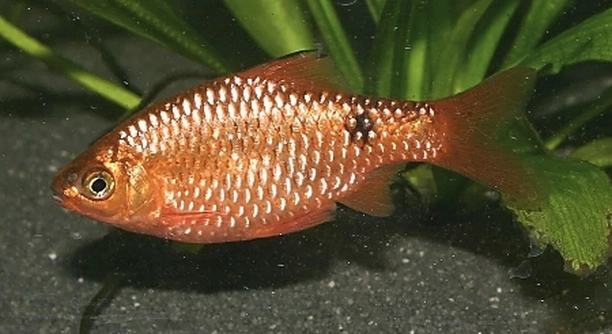
Have you ever noticed how rosy barbs behave when it’s time to rest? These lively fish often seem to have their own patterns of sleep and activity. Understanding their resting habits can help create a better environment for them.
Rosy barbs do not sleep all at once; instead, they take turns resting throughout the day and night. This staggered resting behavior allows the group to stay alert for potential threats while ensuring individual fish get enough rest.
Knowing how rosy barbs rest can help you care for them better. Their unique sleeping habits influence how they interact and stay safe in their environment.
How Rosy Barbs Rest in Groups
Rosy barbs are social fish that prefer living in groups, and their resting behavior reflects this nature. Instead of all resting simultaneously, they alternate their periods of rest. This means while some fish are resting, others remain active and alert, helping to protect the group from predators. Their bodies stay still during rest, but their eyes often remain open, which is common in many fish species. These short rest cycles can last anywhere from a few minutes to longer periods depending on the time of day and the environment. Watching them can be interesting because you will notice the group’s balance between rest and alertness. This pattern keeps the whole group safer, as there is always someone watching for danger. Understanding this helps tank owners provide better care, including quiet periods and proper lighting to support their natural resting habits.
The resting turns of rosy barbs help maintain group safety by keeping some fish alert while others recover energy.
This alternating rest pattern also plays a role in social bonding within the group. Fish that rest near each other tend to be more comfortable and show less stress. This creates a calmer tank environment overall, which is good for their health and behavior. Providing enough space and hiding spots in the tank encourages this natural cycle. It’s also important to avoid sudden disturbances during their resting periods. Properly timed feeding and lighting schedules help maintain their regular rest-activity balance, supporting their wellbeing and making them more active and colorful during waking hours.
Signs Your Rosy Barbs Are Resting Properly
Recognizing when rosy barbs are resting helps monitor their health and comfort. Resting fish typically slow down movement and stay near the bottom or in shaded areas of the tank. Their fins may be still, and they often reduce interaction with other fish during rest. If your rosy barbs are hiding or inactive all the time, it could indicate stress or illness rather than normal rest.
Proper rest in rosy barbs is essential for their overall health and vitality. When they have enough rest, they show brighter colors and more active behavior. Inadequate rest can lead to stress, weakened immune systems, and vulnerability to diseases. Tank conditions like poor water quality, inappropriate lighting, or overcrowding can disturb their rest. It’s crucial to maintain a stable environment with regular light cycles that mimic natural day and night. Providing plants or decorations creates safe spots for resting. Observing their behavior helps detect any changes early, ensuring timely care and adjustments. Ensuring they rest properly leads to a happier and healthier group of rosy barbs in your aquarium.
Resting Habits Affecting Tank Environment
Rosy barbs’ resting patterns influence the tank’s atmosphere. Their alternating rest helps maintain a steady level of activity, avoiding long periods of stillness or chaos. This balance contributes to a calm and natural aquarium environment.
The natural rest cycles of rosy barbs reduce stress among tank mates. When some fish are resting while others stay active, it prevents sudden group movements or overcrowding in one area. This helps keep water conditions stable, as fewer disturbances occur. A stable environment supports better health for all fish. Understanding this can guide how you set up the tank with enough space, plants, and hiding spots to support their resting needs and activity cycles.
Quiet moments during rest allow beneficial bacteria in the tank to thrive, improving water quality. The balance between rest and activity keeps the ecosystem inside the tank more stable and less prone to sudden changes.
Lighting and Sleep Cycles
Proper lighting is key for rosy barbs to follow healthy sleep cycles. They need consistent light and dark periods that resemble natural day and night. Too much light can disrupt their rest, while too little can confuse their internal clocks. Maintaining a regular schedule helps their bodies know when to rest and when to be active.
Using a timer for aquarium lights ensures a steady routine. This creates an environment where rosy barbs can adjust their resting times naturally. Dim or soft lighting during evening hours signals that it’s time to slow down. During the day, brighter light encourages activity and feeding. Sudden changes in lighting can stress fish and interrupt their rest, so gradual transitions between light and dark are best. Keeping the tank in a quiet area also supports their sleep, as loud noises can cause stress and reduce resting quality.
Tank Setup for Better Rest
A well-arranged tank helps rosy barbs rest comfortably. Including plants and decorations creates hiding spots where they feel safe to relax. Proper spacing prevents overcrowding and reduces stress during resting periods.
Soft substrate and gentle water flow also improve resting conditions. These elements mimic their natural habitat, making rest easier and more natural for the fish.
Monitoring Behavior Changes
Changes in resting behavior can signal health problems. If rosy barbs suddenly rest more or less than usual, it may mean they are stressed or sick. Watching their patterns closely helps catch issues early before they worsen.
Feeding and Rest Patterns
Feeding schedules affect how and when rosy barbs rest. Regular feeding times support their natural rhythms. Irregular feeding can cause stress, disrupting their rest and overall behavior.
Signs of Poor Rest
How do rosy barbs sleep if they don’t have eyelids?
Rosy barbs don’t have eyelids, so their eyes remain open while they rest. Instead of closing their eyes, they reduce activity and slow down their body movements. Their rest is more like a calm, quiet state where they conserve energy without fully losing awareness. This helps them stay alert to any threats even while resting.
Do rosy barbs need complete darkness to rest well?
Complete darkness isn’t always necessary, but low light conditions help rosy barbs rest better. In the wild, they experience dimmer light during early morning and late evening. Mimicking this in the tank with a gradual dimming of lights supports their natural resting cycle. Sudden or constant bright light can stress them and interrupt their rest.
Can rosy barbs get stressed if they don’t rest properly?
Yes, lack of proper rest can cause stress in rosy barbs. Stress affects their immune system and makes them vulnerable to diseases. Rest helps them recharge and maintain good health. A poor environment, overcrowding, or irregular light cycles can disrupt their rest and increase stress levels.
Is it normal for some rosy barbs to be more active while others rest?
Yes, this is a normal behavior. Rosy barbs take turns resting so the group stays alert to danger. This staggered resting pattern keeps the whole group safer and helps balance energy levels among fish. Watching this can be interesting as you see some fish quietly resting while others swim around.
How long do rosy barbs usually rest at one time?
Rest periods vary but often last a few minutes to about an hour. These short rests happen multiple times a day. Instead of one long sleep, rosy barbs have several shorter breaks, helping them stay alert and responsive to their surroundings.
Can poor water quality affect how rosy barbs rest?
Absolutely. Poor water quality causes stress and discomfort, making restful periods harder to achieve. High ammonia, nitrite, or nitrate levels irritate the fish, causing them to hide or swim erratically instead of resting calmly. Keeping water clean and stable supports better rest and overall health.
Should I turn off aquarium filters at night for better rest?
It’s generally best to keep filters running at night to maintain good water quality and oxygen levels. Filters with quiet operation won’t disturb resting fish. Turning off filters may cause poor water conditions, which can stress the rosy barbs and disrupt their rest.
Do rosy barbs need a specific temperature to rest well?
Yes, stable water temperature is important. Rosy barbs prefer temperatures around 64–72°F (18–22°C). Extreme or fluctuating temperatures can cause stress, making rest less effective. Keeping the tank within this range helps maintain their natural rhythms and health.
How can I tell if my rosy barbs are resting enough?
Healthy rosy barbs show bright colors, swim actively when awake, and have regular rest periods. If they seem lethargic all the time or hide excessively, it could mean they’re not resting properly or are unwell. Observing their daily patterns helps you understand their resting needs.
Do rosy barbs ever sleep at the surface or only at the bottom?
Rosy barbs usually rest near the middle or bottom of the tank, often near plants or decorations where they feel safe. Resting at the surface is uncommon and may indicate problems like poor water quality or oxygen levels. It’s best to monitor their usual resting spots for signs of health.
Rosy barbs have a unique resting pattern that helps them stay safe and healthy. They do not sleep all at once but take turns resting so that some fish stay alert while others recharge. This behavior is natural and important for their survival, especially in a group setting. Understanding this helps tank owners provide the right conditions for their rosy barbs to rest well. By offering a quiet environment with proper lighting and enough space, the fish can follow their natural rhythms and remain stress-free.
A good tank setup plays a big role in supporting rosy barbs’ resting habits. Including plants, decorations, and soft substrates gives them places to hide and feel secure while resting. Maintaining stable water quality and temperature is also essential, as poor conditions can disturb their rest and cause health problems. A regular feeding schedule and consistent light cycles help keep their internal clocks on track. Tank owners who observe their fish regularly can notice if anything changes in their resting behavior, which may signal stress or illness that needs attention.
Overall, knowing how rosy barbs rest helps improve their care and wellbeing. When their natural rest patterns are respected, these fish show better colors, more activity, and less stress. Creating a peaceful environment and following simple care tips supports their health over the long term. Paying attention to their rest and behavior not only makes the aquarium more enjoyable to watch but also ensures that rosy barbs live comfortable and happy lives.

Hello,
If you enjoy the content that we create, please consider saying a "Thank You!" by leaving a tip.
Every little bit helps us continue crafting quality advice that supports the health, happiness, and well-being of pets around the world, for pets of all shapes, sizes, and species.
We really appreciate the kindness and support that you show us!