
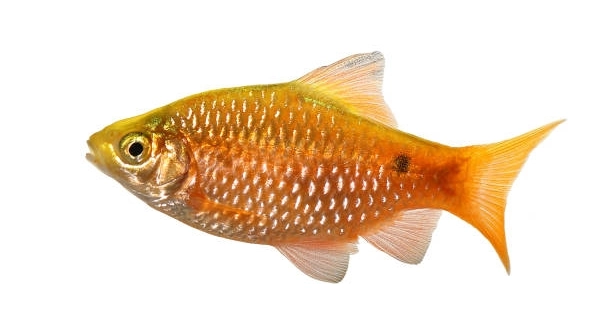
Rosy barbs are popular freshwater fish often kept in home aquariums. Their bright colors and active nature make them a favorite among fish enthusiasts. Understanding their behavior helps in creating a better environment for them.
Rosy barbs do recognize their reflections, often reacting as if encountering another fish. This behavior can include displaying territorial or curious responses, as their visual perception does not distinguish reflections from real conspecifics.
Knowing how rosy barbs interact with reflections can improve aquarium care and enrich the observation experience for owners. This insight reveals more about their natural instincts and social behavior.
How Rosy Barbs See Their Reflections
Rosy barbs rely heavily on sight to understand their surroundings. When they see their reflection, they often mistake it for another fish. This reaction is common in many fish species, especially those that are territorial or social. In aquariums, reflections can appear on glass walls or shiny surfaces, creating the illusion of an intruder. Rosy barbs may respond by showing aggression, swimming rapidly, or displaying bright colors. Sometimes, they might try to interact by nudging or circling their reflection. This behavior is natural and linked to their instincts to protect territory or establish social rank. However, constant exposure to reflections can cause stress, leading to decreased appetite or changes in behavior. Understanding this helps aquarium owners manage the environment better, such as by reducing reflective surfaces or adding plants to break up reflections. This simple adjustment can create a calmer space for the fish to thrive and feel secure.
Reflections trigger territorial responses in rosy barbs, causing stress if constant. Managing tank conditions helps maintain their well-being.
Providing a stable, non-reflective environment is key. Using background colors, aquarium plants, or decorations to reduce glare can minimize these effects. It ensures rosy barbs interact naturally and remain calm in their habitat.
Signs That Your Rosy Barb Is Reacting to Its Reflection
Fish reacting to reflections often show specific behaviors. Rosy barbs may chase or circle the reflection repeatedly. They can also flare their fins or change color temporarily. Sometimes, they may seem restless or spend time near reflective surfaces. These signs indicate that the fish perceives its reflection as a rival or potential mate. Monitoring these behaviors helps assess if reflections cause stress. Adjustments such as repositioning the tank or covering reflective surfaces reduce these reactions. Ensuring your fish feel safe improves their health and comfort. Keeping an eye on such behaviors allows for timely action to prevent long-term stress, making the aquarium a healthier place for rosy barbs to live.
How Reflections Affect Rosy Barb Behavior
Reflections can cause increased activity or aggression in rosy barbs. This reaction happens because they see the reflection as another fish competing for space or attention.
When rosy barbs see their reflection, they may swim rapidly back and forth, trying to assert dominance or defend their territory. This can lead to stress if the behavior continues without relief. Over time, frequent exposure to reflections might cause them to become more withdrawn or lose interest in eating. It’s important to observe your fish closely to notice any changes in behavior related to reflections. Reducing shiny surfaces or repositioning the tank can help limit these reactions and support healthier fish habits.
This heightened state can also interfere with social interactions among real fish. If a rosy barb focuses too much on its reflection, it may neglect its tank mates or avoid normal schooling behavior. Creating a calm environment with fewer reflective distractions allows the fish to interact naturally and reduces tension.
Preventing Stress Caused by Reflections
Limiting reflections in the tank environment is key to reducing stress for rosy barbs. Using a solid background or adding plants can help.
Adding natural or artificial plants breaks up reflective surfaces and provides hiding spots. Backgrounds made of dark or matte materials reduce glare, preventing reflections that confuse the fish. Positioning the aquarium away from direct sunlight or bright indoor lights also minimizes reflections. These steps create a more peaceful habitat where rosy barbs can focus on their social behavior instead of reacting to false rivals. Small changes like these improve their overall health and encourage natural activity patterns.
Identifying Reflection-Induced Stress
Signs of stress from reflections include rapid swimming and frequent hiding. Rosy barbs may also lose interest in food or act skittish around reflective surfaces.
Behavioral changes often happen gradually. Watching for these signs helps catch problems early and improve tank conditions to ease stress.
Adjusting Tank Setup to Reduce Reflections
Placing plants and decorations near tank walls breaks up reflections and distractions. Using a matte or dark-colored background prevents light from bouncing inside the tank. Positioning the aquarium away from windows or bright lights further minimizes reflections. These small changes create a more comfortable space for rosy barbs to swim naturally without false rivals constantly appearing. A calmer environment supports better fish health and behavior.
Benefits of a Calm Aquarium Environment
Reducing reflections leads to healthier, less stressed rosy barbs. They spend more time interacting normally with tank mates and exploring their habitat.
FAQ
Do rosy barbs always react aggressively to their reflection?
Not all rosy barbs respond aggressively to reflections. Some may simply show curiosity or ignore their reflection after a while. The reaction often depends on the individual fish’s temperament and tank conditions. Younger or less territorial fish may be less reactive. However, frequent aggressive behavior usually signals stress or territorial instincts triggered by the reflection.
Can reflections cause long-term harm to rosy barbs?
Yes, continuous exposure to reflections can lead to stress, which affects the fish’s immune system and appetite. Stress might cause a weakened defense against diseases or slower healing. Over time, chronic stress can reduce lifespan and overall vitality. Managing reflections in the tank is important to prevent these negative effects and promote a healthy environment.
How can I tell if my rosy barb is stressed from reflections?
Signs include frantic swimming, fin clamping, hiding often, and refusing food. You might also notice color fading or lethargy. If these behaviors occur mainly near reflective surfaces, reflections are likely the cause. Watching your fish regularly helps identify if the reflection is a problem and when changes to the tank setup are needed.
Is it safe to use mirrors to stimulate rosy barbs?
Using mirrors for short periods can provide mental stimulation by encouraging natural behaviors like displaying colors or chasing. However, prolonged exposure may cause unnecessary stress or exhaustion. It’s best to limit mirror use to brief sessions and remove it afterward to avoid negative effects.
Do other fish species react to reflections like rosy barbs do?
Many fish species respond similarly to reflections, especially territorial or schooling fish. Some may become aggressive, while others show curiosity or indifference. Each species’ reaction depends on their natural behavior and social needs. Understanding your fish species helps in managing their environment better.
What is the best way to reduce reflections in a home aquarium?
Adding plants and decorations near tank walls helps break up reflections. Using a matte or dark background reduces light bounce inside the tank. Positioning the aquarium away from windows or bright lights minimizes glare. These simple steps create a calmer environment that supports healthy fish behavior.
Can rosy barbs distinguish between their reflection and real fish?
Rosy barbs do not recognize reflections as themselves. They interpret reflections as other fish, which can cause territorial or social responses. Unlike some animals, fish lack self-recognition in mirrors. This explains why reflections often trigger reactions similar to those seen with real tank mates.
Will reducing reflections improve the health of rosy barbs?
Yes, reducing reflections decreases stress levels, allowing rosy barbs to eat well, rest properly, and interact naturally. A stable, calm environment supports immune function and normal behavior patterns, leading to better overall health. Proper tank setup is a key part of good fish care.
How often should I check my tank for reflections that might bother my fish?
Regular monitoring is helpful, especially during the first few weeks after setting up the tank or adding new decorations. Look for signs of stress or unusual behavior near reflective surfaces. Adjust lighting, backgrounds, or decorations as needed to maintain a peaceful environment.
Are there any signs that indicate my rosy barb is comfortable in its environment?
Comfortable rosy barbs swim calmly, explore their surroundings, and interact with other fish naturally. They display vibrant colors and eat regularly without hesitation. Reduced hiding and relaxed fin movement also show that the fish feel secure and unstressed. These signs reflect a well-managed aquarium.
Rosy barbs are lively fish that respond strongly to what they see in their surroundings. Their reaction to reflections is part of their natural instincts, often treating the image as another fish in their space. This behavior can sometimes lead to stress or aggression if they see their reflection too often or for long periods. Understanding this aspect of their behavior is important for anyone who keeps rosy barbs in an aquarium. Recognizing how reflections influence their actions helps create a better environment where the fish can feel safe and comfortable.
Managing reflections is a simple yet effective way to reduce stress in rosy barbs. Small changes like adding plants, decorations, or a dark background can break up reflective surfaces and minimize the fish’s confusion. Positioning the tank away from strong light sources further helps lower glare. These adjustments improve the overall tank environment by reducing false signals that trigger territorial or aggressive behavior. When reflections are controlled, rosy barbs are more likely to behave naturally, interact calmly with tank mates, and maintain their health. This contributes to a peaceful and balanced aquarium setup that benefits both the fish and their owners.
Keeping rosy barbs healthy involves attention to their environment and daily behavior. Watching for signs of stress or changes caused by reflections allows timely intervention to improve their comfort. A calm and well-arranged tank encourages natural activity, feeding, and social interaction. While reflections are just one factor affecting fish well-being, addressing them can have a positive impact on their quality of life. Taking these steps shows care and respect for the needs of rosy barbs, helping them thrive in captivity and making aquarium keeping a more rewarding experience.

Hello,
If you enjoy the content that we create, please consider saying a "Thank You!" by leaving a tip.
Every little bit helps us continue crafting quality advice that supports the health, happiness, and well-being of pets around the world, for pets of all shapes, sizes, and species.
We really appreciate the kindness and support that you show us!