
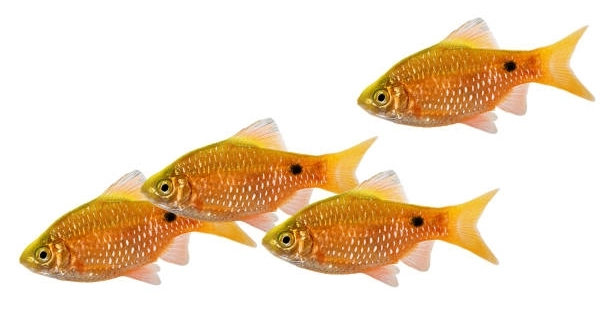
Rosy barbs are popular freshwater fish known for their vibrant colors and active behavior. Many aquarium enthusiasts wonder how these fish respond to their feeding environment and tools used during feeding time. Understanding their recognition of feeding tools can improve care and interaction.
Rosy barbs can recognize feeding tools through visual cues and learned associations. They often respond to the sight and movement of feeding implements, associating them with food delivery. This behavior demonstrates a level of cognitive ability important for routine feeding responses.
Knowing how rosy barbs identify feeding tools helps in creating a more efficient feeding routine and strengthens the bond between fish and owner. This insight benefits both hobbyists and professionals caring for these lively fish.
How Rosy Barbs Learn to Recognize Feeding Tools
Rosy barbs use their vision to identify objects linked to feeding, such as nets, feeding rings, or tweezers. Over time, they associate these tools with the arrival of food. This learned behavior helps them prepare to eat as soon as the feeding process begins. Consistency in using the same tools and timing can strengthen their recognition. It is common to see rosy barbs swimming eagerly near the tool even before food appears. This reaction indicates their ability to connect the tool’s presence with feeding. Such recognition can reduce stress and improve feeding efficiency, as the fish know what to expect. Fishkeepers often notice how quickly rosy barbs respond to familiar tools, which can be useful during daily care and maintenance routines. Proper handling of feeding tools also ensures that food reaches the fish without disturbance, encouraging healthy eating habits.
Rosy barbs can remember feeding tools and associate them with food over repeated sessions, which improves their feeding response.
Training rosy barbs to recognize specific feeding tools can enhance feeding success and minimize stress. Repeated use of consistent tools helps fish develop positive associations, making feeding times smoother and more predictable. When fish identify feeding tools, they focus on the food source, reducing competition and aggression. This behavior also allows for easier monitoring of individual fish health during feeding. Using feeding rings or tweezers can target specific fish or food types. Overall, understanding this behavior supports better aquarium management and care routines.
The Role of Routine in Feeding Behavior
Routine plays a significant role in how rosy barbs respond to feeding tools. Fish quickly adapt to regular feeding times and specific actions associated with food delivery. This predictability helps reduce anxiety and promotes a calm environment. Fishkeepers who maintain a steady feeding schedule often observe improved fish activity and appetite. By introducing tools consistently, rosy barbs learn to associate them with positive experiences. This also aids in training shy or less active fish to feed confidently. The repetition reinforces recognition and response, which benefits both the fish and the keeper. Establishing a routine means less wasted food and better control over diet and health monitoring. It can also prevent aggressive behaviors that arise from unpredictable feeding patterns.
Consistent feeding routines improve fish recognition of feeding cues and tools.
Keeping a regular feeding routine creates a reliable environment where rosy barbs can anticipate food, reducing stress and encouraging natural behaviors. This routine includes consistent use of feeding tools and timing. Such predictability makes fish more responsive and easier to care for. It also allows for better control of nutrition and helps identify any health issues early when changes in feeding behavior occur. Maintaining this habit enhances the overall well-being of the fish and makes aquarium care more manageable.
Visual and Behavioral Cues in Feeding
Rosy barbs rely heavily on visual cues to recognize feeding tools. Movement, color, and shape help them identify objects linked to food delivery. They quickly learn to associate these cues with feeding times.
These fish often swim closer to the tool when it appears, signaling recognition. The bright colors of some feeding tools may also attract their attention more effectively. Behaviorally, rosy barbs show excitement by swimming actively and competing gently for food. They may even change their usual swimming patterns near feeding tools. These reactions demonstrate their ability to connect visual signals with the anticipation of food. Understanding these cues can help fishkeepers improve feeding techniques and reduce stress.
Behavioral responses include approaching the tool and increased activity. These signals confirm the fish’s learning and anticipation of feeding.
Impact of Feeding Tools on Fish Stress Levels
Proper feeding tools can reduce stress by creating a predictable feeding environment. Consistent use of tools signals feeding time, which calms the fish and lowers anxiety.
When fish recognize familiar tools, they become less startled and more comfortable. Unfamiliar objects or sudden changes can cause stress, leading to hiding or reduced appetite. Using the same tools daily helps avoid this problem. Feeding tools also allow controlled food delivery, preventing overfeeding and maintaining water quality. Stress reduction through recognition supports healthier fish and a stable tank environment. Minimizing stress is essential for long-term care and vitality of rosy barbs in captivity. This makes feeding a positive experience for both fish and caretaker.
Recognizing Feeding Tools Over Time
Rosy barbs improve recognition of feeding tools with repeated exposure. Familiarity builds quickly, helping fish respond more reliably to feeding cues.
Consistent use of the same tools strengthens this learning. Changing tools too often may confuse the fish and disrupt feeding behavior.
The Importance of Patience When Training Fish
Training rosy barbs to recognize feeding tools takes time and patience. Fish need consistent experiences to form strong associations between tools and food.
Avoid rushing the process or making sudden changes. Gradual introduction of tools with steady feeding schedules helps build trust and improves feeding response. Patience ensures a smoother adjustment for the fish.
Avoiding Common Feeding Mistakes
Avoid sudden changes in tools or feeding times. Consistency is key to maintaining rosy barbs’ recognition and comfort during feeding.
Changes may cause stress or hesitation, affecting appetite and behavior.
Using Feeding Tools to Monitor Health
Feeding tools can help observe eating habits closely. Watch for changes in appetite or response to tools as early health indicators.
FAQ
Do rosy barbs recognize different types of feeding tools?
Yes, rosy barbs can recognize various feeding tools such as nets, feeding rings, and tweezers. They rely on visual cues like shape, color, and movement to identify these objects. Consistent use of the same tools helps them form strong associations with feeding, making the process smoother and less stressful for both the fish and the caretaker.
How long does it take for rosy barbs to learn feeding tools?
The learning period varies but generally takes several feeding sessions over a few days to a couple of weeks. Patience and consistency are key. Using the same feeding tool and feeding at regular times accelerates recognition and helps the fish associate the tool with food arrival.
Can changing feeding tools confuse rosy barbs?
Yes, frequently changing feeding tools may confuse rosy barbs. They become familiar with specific shapes and colors linked to feeding. Sudden changes can cause hesitation or stress, making the fish less responsive. It’s best to maintain consistency to support their comfort and feeding routine.
Do rosy barbs react differently to manual feeding versus automated feeders?
Rosy barbs tend to respond better to manual feeding because they can associate the movement and presence of feeding tools with food. Automated feeders may not provide the same visual or behavioral cues, so fish might take longer to recognize feeding times. However, some rosy barbs do adjust well to automated feeders if used consistently.
How do feeding tools reduce stress in rosy barbs?
Feeding tools create predictable signals that help rosy barbs know when to expect food. This predictability lowers anxiety by reducing uncertainty during feeding. When fish recognize familiar tools, they become more relaxed and confident, improving their overall health and behavior.
What behaviors indicate rosy barbs recognize feeding tools?
Signs include swimming actively near the tool, increased movement, and gathering around the feeding area before food appears. They may change their normal swimming patterns and show excitement or mild competition for food. These behaviors show anticipation and recognition of feeding signals.
Can feeding tools help monitor the health of rosy barbs?
Yes, feeding tools allow closer observation of individual eating habits. Changes in appetite or hesitation to approach feeding tools may indicate health issues. Monitoring these responses helps catch early signs of illness or stress, allowing timely care adjustments.
Is it necessary to clean feeding tools regularly?
Cleaning feeding tools regularly is important to prevent contamination and maintain water quality. Dirty tools can introduce harmful bacteria or leftover food particles that affect tank health. Rinsing tools after each use helps keep the aquarium environment safe and supports the well-being of rosy barbs.
Are some feeding tools better than others for rosy barbs?
Some feeding tools may work better depending on the type of food and tank setup. Feeding rings are useful for slow-sinking food and help keep the food contained. Tweezers allow targeted feeding and reduce waste. Nets are helpful for catching or moving fish but are less commonly used for feeding. Choosing the right tool depends on specific needs and preferences.
Can rosy barbs be trained to feed from the owner’s hand or fingers?
While not common, some rosy barbs may become comfortable enough to accept food from an owner’s hand or fingers. This usually requires gradual training and trust-building. Hand feeding can enhance bonding but should be done carefully to avoid stressing the fish. Patience and gentle handling are necessary for success.
What should be done if rosy barbs ignore feeding tools?
If rosy barbs ignore feeding tools, check for changes in water quality, diet, or health. Sometimes stress, illness, or poor tank conditions affect appetite. Try reintroducing tools slowly and maintain a consistent feeding routine. Offering favorite foods near the tool can encourage interaction and help regain recognition.
How can feeding tools be used to feed shy or less active rosy barbs?
Using tweezers or feeding rings allows targeted feeding, which is helpful for shy or less active rosy barbs. Delivering food close to these fish encourages them to eat without competition. This method ensures all fish get proper nutrition and reduces stress during feeding times. It also helps monitor their eating habits more closely.
Are feeding tools necessary for all rosy barb tanks?
Feeding tools are not strictly necessary but are highly beneficial, especially in community tanks or those with multiple species. They improve feeding efficiency, reduce waste, and help control diet portions. Tools also make it easier to observe individual fish and maintain tank cleanliness. Many keepers find them valuable for daily care.
Can feeding tools cause any harm to rosy barbs?
When used properly, feeding tools do not harm rosy barbs. However, rough handling or improper use can cause stress or injury. It’s important to use tools gently and avoid sudden movements. Maintaining hygiene and avoiding contamination prevents health risks. Proper use enhances feeding without negative effects.
What role does timing play in feeding recognition?
Timing is crucial for recognition. Feeding rosy barbs at consistent times helps them form habits and associate feeding tools with food delivery. Irregular schedules can cause confusion and reduce responsiveness. Predictable feeding times support natural behavior and reduce stress.
How do feeding tools affect feeding competition among rosy barbs?
Feeding tools can help reduce competition by directing food to specific areas or individuals. Feeding rings or tweezers can focus food delivery, preventing aggressive chasing and stress. This controlled feeding environment promotes fairness and helps maintain peaceful tank dynamics.
Are rosy barbs able to distinguish between different types of food using feeding tools?
Rosy barbs can learn to associate feeding tools with certain foods over time. They may respond differently depending on food type and presentation. Using specific tools for different foods helps condition fish to expect certain meals, aiding in dietary variety and management.
Final Thoughts
Recognizing feeding tools is an important part of how rosy barbs interact with their environment. These fish use visual signals and learned behavior to associate certain objects with food. Consistent use of feeding tools helps them understand when feeding time is near. This recognition reduces stress and makes feeding more efficient. For those caring for rosy barbs, knowing how these fish respond to feeding tools allows better planning and handling. It improves the daily routine and ensures the fish receive food in a calm and controlled manner.
Feeding routines that include repeated use of the same tools create a predictable environment for rosy barbs. They quickly learn to expect food when they see or notice certain objects like nets, feeding rings, or tweezers. This predictability helps reduce anxiety and encourages natural feeding behavior. When fish are familiar with the process, they become more active and less stressed during feeding times. It also allows caretakers to monitor their health more closely by watching their responses. Consistent feeding tools and schedules are beneficial for both the fish and their keepers.
While feeding tools are helpful, it is important to use them gently and clean them regularly to avoid introducing harmful bacteria. Changing tools too often or feeding at irregular times can confuse or stress the fish. Patience and consistency are key when training rosy barbs to recognize feeding tools. Over time, this builds a positive feeding experience that supports their health and well-being. Understanding these factors helps create a balanced aquarium environment where rosy barbs can thrive with less stress and better care.

Hello,
If you enjoy the content that we create, please consider saying a "Thank You!" by leaving a tip.
Every little bit helps us continue crafting quality advice that supports the health, happiness, and well-being of pets around the world, for pets of all shapes, sizes, and species.
We really appreciate the kindness and support that you show us!