
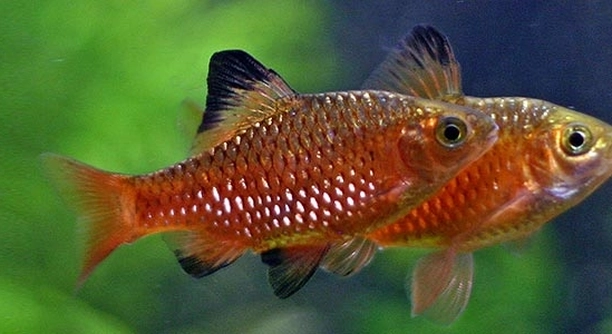
Do your Rosy Barbs seem restless no matter how well you decorate their tank? Substrate choice might be affecting their comfort.
Rosy Barbs tend to prefer smooth gravel over rocky substrate. The smoother texture is easier on their delicate barbels and fins, allowing for more relaxed movement and natural foraging behavior in a captive environment.
This choice can impact not only their comfort but also their health and activity levels over time.
Why Smooth Gravel Works Better for Rosy Barbs
Rosy Barbs are active, bottom-sifting fish that enjoy foraging and swimming through open areas. Smooth gravel provides a safe and comfortable surface that supports their natural behaviors. Rough, sharp gravel can damage their delicate fins and barbels, leading to stress or injury. Many aquarists notice that when they switch to smooth gravel, their Rosy Barbs become more active and display brighter colors, which is a sign of improved well-being. Smooth gravel also allows for easier cleaning and better water circulation around the substrate, which helps prevent debris buildup and poor water quality. Unlike rocky gravel, which can trap waste and harbor harmful bacteria, smoother surfaces are much easier to maintain. This means your fish can enjoy a cleaner, healthier environment. Overall, smooth gravel supports both the physical health and natural behavior of Rosy Barbs in a way that rocky substrates cannot.
Rough gravel is not ideal for fish that like to forage along the bottom of the tank.
Choosing the right gravel isn’t just about looks. Smooth gravel is practical, safe, and easier to maintain. It allows Rosy Barbs to feel more comfortable and display their natural behavior, which adds life and movement to your tank. Observing these small changes can help you understand their needs better.
When Rocky Gravel May Cause Problems
Sharp gravel edges can cause small injuries over time, especially during foraging or fast swimming.
Rocky gravel might seem natural, but it often creates more problems than benefits in a Rosy Barb tank. The uneven surface can trap uneaten food and waste, leading to poor water quality. This can cause stress and health issues, especially in species that spend time near the bottom. Rosy Barbs are known for their playful, active nature, and rough substrates limit their ability to swim freely or search for food. Injuries to barbels or fins might not seem obvious at first, but they can quickly develop into infections. Also, a tank with rocky gravel is harder to clean and may require more frequent maintenance to prevent buildup. Over time, this extra work can become frustrating. If you notice your fish hiding more, swimming awkwardly, or avoiding the bottom, the gravel could be part of the issue. Smoother substrates are a simple, effective solution to improve their space.
How Substrate Affects Behavior and Tank Cleanliness
Rosy Barbs are more active and relaxed when kept on smooth gravel. They swim more freely, forage comfortably, and avoid injury. This leads to more natural behavior and a cleaner, healthier tank environment overall.
Smooth gravel allows for easy movement and safer foraging. Rosy Barbs often explore the bottom of the tank, especially during feeding. When the substrate is gentle, they can sift through it without damaging their fins or barbels. This encourages their playful nature and helps them stay more engaged in their environment. A comfortable substrate helps reduce stress, which supports stronger immune systems and brighter coloring. In contrast, a rough or uneven substrate may cause hesitation in movement and increase hiding behavior, both signs of discomfort. These changes may seem small at first, but they build up over time, affecting both your fish and the tank’s overall mood.
Tank cleanliness is easier to maintain with smooth gravel. Waste and leftover food tend to sit on top of the surface instead of slipping between deep crevices. This means daily cleanups are faster and more effective. You can spot and remove debris before it causes ammonia spikes or impacts water quality. Rocky gravel often traps waste below the surface, where it begins to decay and causes unpleasant odors or cloudy water. That can lead to frequent water changes and higher maintenance demands. By using smooth gravel, you’re not only helping your fish feel better but also making the entire tank easier to manage long term.
Picking the Right Type of Gravel
Smooth, rounded gravel is sold in various sizes and natural colors. Choose a grain size that’s small enough for easy foraging but large enough to avoid compacting.
Look for aquarium-grade gravel that’s labeled safe for freshwater fish. Avoid sharp-edged stones, crushed coral, or rough pebbles. Natural river gravel or coated smooth substrates are usually the best options for Rosy Barbs. A neutral or darker color also helps reduce stress, as it mimics natural habitats better than bright or reflective gravel. Rinse the gravel thoroughly before adding it to your tank to remove dust and particles. When layering the substrate, aim for about 1.5 to 2 inches in depth to allow for rooting of plants if you have any. A thinner layer can work if your tank is bare-bottomed or lightly decorated. Choosing the right gravel gives you a clean start and supports a stable, balanced habitat where your fish can thrive.
Common Mistakes to Avoid
Using decorative or brightly colored gravel might seem appealing but can stress Rosy Barbs. These fish prefer more natural-looking environments that resemble their wild habitats. Bright colors may look nice to us but can cause discomfort or reduced activity in your fish.
Avoid substrates meant for saltwater or cichlid tanks, like crushed coral. These can raise pH levels and make the water too hard for Rosy Barbs. Always choose gravel that’s clearly labeled safe for freshwater community tanks and rinse it well before use.
Observing Changes After Switching Gravel
Once you switch to smooth gravel, observe your Rosy Barbs closely. You may notice more bottom activity, brighter coloration, and less hiding. These signs show your fish are feeling safer and more relaxed. You’ll likely find it easier to keep the tank clean and notice fewer issues with waste buildup. A good substrate choice supports your fish’s natural instincts while also making your tank easier to maintain. Give it a little time, and you’ll likely see the difference not just in your fish’s behavior, but in the overall balance and beauty of the tank. It’s a simple change with long-term benefits.
Final Tip for Best Results
Pair smooth gravel with live plants and hiding spots to create a safe, natural setup. This helps Rosy Barbs feel secure and active.
FAQ
Can Rosy Barbs live without gravel at the bottom of the tank?
Yes, Rosy Barbs can live in a bare-bottom tank, but it’s not ideal for their long-term well-being. Without substrate, they lose the opportunity to forage and exhibit their natural behaviors along the bottom. It also makes the tank look less natural, which can increase stress for some fish. While bare-bottom tanks are easier to clean, they often require more visual enrichment to keep the fish engaged. If you choose this setup, be sure to provide plenty of plants and decorations to give the fish structure and security.
Is sand better than smooth gravel for Rosy Barbs?
Sand is generally safe but not the best choice for Rosy Barbs. These fish enjoy foraging, and sand can compact easily, trapping debris and making cleaning harder. It also tends to stir up when the fish are active, which can cloud the water and clog filters. Smooth gravel is easier to manage and still allows natural foraging behavior without the problems that come with sand. If you prefer the look of sand, choose a slightly coarser version made for freshwater tanks and monitor water clarity closely.
What kind of gravel color is best for Rosy Barbs?
Neutral tones like brown, gray, or black work best. These colors mimic natural riverbeds and help reduce stress. Bright or neon-colored gravel may look attractive in the tank, but they don’t provide the same calming effect. Subdued tones help your fish feel more secure and display better color. Darker gravel also helps waste stand out, making it easier to spot and remove during cleaning. If you want a more decorative look, mix natural stones with smooth gravel to create texture while keeping your Rosy Barbs comfortable.
How deep should the gravel be in a Rosy Barb tank?
A depth of 1.5 to 2 inches is usually enough. This allows you to anchor plants while leaving enough space for your Rosy Barbs to forage and explore. Too much gravel can trap waste deep below the surface, while too little might not offer enough support for live plants or stability for decorations. Always rinse gravel thoroughly before adding it to the tank to remove dust and prevent cloudy water. Spread it evenly and avoid steep slopes to ensure an even distribution of waste.
Can I mix gravel types in the same tank?
Yes, you can combine gravel types if they are similar in texture and safe for freshwater tanks. Many aquarists mix fine, smooth gravel with larger pebbles or natural stones to create visual interest. Just make sure the combination doesn’t trap waste or create sharp edges. Always avoid mixing sharp, jagged gravel with smoother pieces, as it may still pose a risk. Stick to materials labeled safe for freshwater tanks and avoid those that affect water chemistry. Test small batches before filling the entire tank to ensure your fish respond well.
Do Rosy Barbs dig or rearrange the gravel?
Rosy Barbs don’t dig in the same way as cichlids, but they do forage along the bottom. They may move small pieces of gravel while searching for food, especially right after feeding. This behavior is normal and healthy. Smooth gravel supports this activity and keeps them from injuring themselves while exploring. If you see your fish nibbling or nosing into the substrate, it means they’re comfortable and expressing natural behaviors. Avoid large, heavy stones that could trap them or cause injury during this behavior.
Will smooth gravel affect water parameters?
As long as you use aquarium-safe gravel, it won’t affect water parameters. Avoid substrates like crushed coral or limestone, which raise pH and hardness. Stick to inert, coated, or natural gravel labeled safe for freshwater use. These types don’t release chemicals or minerals that change water chemistry. After placing the gravel, monitor your water parameters for the first few weeks to make sure everything stays stable. Proper substrate choice helps maintain a balanced environment without needing frequent adjustments to pH or hardness.
How often should I clean gravel in a Rosy Barb tank?
Gravel should be cleaned weekly during water changes using a gravel vacuum. This helps remove waste, uneaten food, and debris that settles at the bottom. Smooth gravel makes this task easier because waste stays on the surface. Avoid stirring up too much debris at once to prevent water quality issues. Focus on cleaning different sections of the gravel each week if your tank is large. Keeping the substrate clean supports healthy water conditions and prevents buildup that could lead to ammonia spikes or poor fish health.
What signs show that my Rosy Barbs like the new gravel?
You might notice your fish swimming more freely, spending more time near the bottom, and displaying brighter colors. Less hiding and more active foraging are also positive signs. A healthy Rosy Barb will move around with confidence and respond to feeding near the substrate. If they seem hesitant or stressed after changing the gravel, double-check the water parameters and decorations. Sometimes, a sudden change can cause temporary stress, but if the gravel is smooth and the water stable, your fish will usually adjust within a few days.
Is it okay to use gravel from outdoors or natural sources?
It’s not recommended. Outdoor gravel may contain chemicals, metals, or organisms that are harmful to your tank. Even if it looks clean, it can introduce bacteria or parasites. Commercial aquarium gravel is treated and tested for safety. If you really want to use natural gravel, it must be thoroughly boiled, rinsed, and tested for hardness and pH impact. Even then, there’s a risk it might affect your tank’s balance. For the health of your Rosy Barbs, it’s best to use gravel that’s made for aquariums.
Final Thoughts
Choosing the right gravel for your Rosy Barbs can make a noticeable difference in how they behave and feel in their tank. Smooth gravel supports their natural movements, protects their delicate barbels and fins, and makes the bottom of the tank safer for foraging. It also improves water flow and reduces waste buildup, which helps keep the tank cleaner for longer periods. While it might seem like a small detail, the type of substrate you use plays a big role in creating a comfortable and healthy space for your fish. Many fish keepers find that switching to smooth gravel results in more active and relaxed fish, along with easier maintenance overall.
Rough or sharp gravel, even if it looks decorative, comes with hidden risks. It can trap waste and food, raise the chances of injury, and make tank cleaning harder. Over time, this affects both water quality and fish health. Rosy Barbs are naturally curious and social fish that need space to swim and explore, especially near the bottom of the tank. When their environment is uncomfortable or unsafe, they may become less active or hide more often. Choosing the wrong gravel can also create extra work for you, as trapped waste may lead to frequent cleaning, cloudy water, or unexpected health problems in the tank.
Smooth gravel offers a safe middle ground—it’s functional, gentle on your fish, and easy to clean. It also comes in various sizes and natural shades, allowing you to create a setup that feels both practical and attractive. A clean, stable tank helps your Rosy Barbs feel at ease, encourages healthy behavior, and allows their natural beauty to shine through. Whether you’re setting up a new tank or making changes to an existing one, this simple choice can improve the overall balance in your aquarium. By focusing on comfort, cleanliness, and natural behavior, you give your fish the best chance to thrive. Small changes like this can make a big difference in their long-term well-being.

Hello,
If you enjoy the content that we create, please consider saying a "Thank You!" by leaving a tip.
Every little bit helps us continue crafting quality advice that supports the health, happiness, and well-being of pets around the world, for pets of all shapes, sizes, and species.
We really appreciate the kindness and support that you show us!