
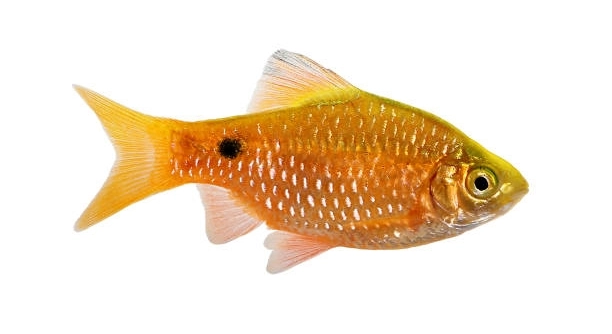
Rosy Barbs are popular aquarium fish known for their lively behavior and bright colors. Understanding their environment preferences helps create a suitable tank that keeps them healthy and comfortable. Their behavior can vary depending on the tank setup and other factors.
Rosy Barbs prefer a balance of both open spaces and hiding spots in their environment. They thrive in tanks that offer open swimming areas alongside plants or decorations where they can seek refuge when needed. This combination supports their natural instincts and well-being.
Providing the right mix of space and shelter will help your Rosy Barbs feel secure while allowing them freedom to swim actively. This article will explore how to create that balanced environment for your fish.
Why Rosy Barbs Need Both Open Space and Hiding Spots
Rosy Barbs are active swimmers that enjoy open areas in the tank to move freely. These spaces allow them to display natural behaviors like schooling and chasing, which keep them healthy and engaged. At the same time, they are cautious fish that benefit from hiding spots to reduce stress. Plants, rocks, and decorations provide places for them to retreat if they feel threatened or want to rest. Without enough cover, Rosy Barbs can become anxious or hide too much, affecting their health. A well-balanced tank offers open water for swimming and plenty of hiding places to feel safe. This setup mimics their natural habitat and encourages natural behavior.
Open spaces encourage activity, while hiding spots offer safety. Both are essential for their well-being.
A tank with a variety of environments keeps Rosy Barbs stimulated and calm. Proper tank design with these features reduces aggression and improves their overall health, creating a more peaceful aquarium. Adjusting the balance depending on your fish’s behavior will help you find the ideal setup.
Choosing the Right Hiding Spots for Rosy Barbs
Plants are the most popular hiding spots and offer natural cover. Artificial decorations can also work well.
Soft-leaved plants like Java fern or Anubias provide gentle shelter without sharp edges. Floating plants add shaded areas, giving fish places to hide near the surface. Rocks and driftwood create caves or crevices for them to explore or rest in. Avoid overcrowding the tank with too many decorations, as this can limit swimming space. It’s best to arrange hiding spots in multiple areas, so fish have options depending on their mood. Changing the layout occasionally can keep your Rosy Barbs curious and active, but always maintain enough open water. Clean and maintain plants and decorations regularly to prevent algae buildup or decay, which can harm water quality. Providing these thoughtful hiding areas helps your fish feel secure while keeping their environment healthy.
How Tank Size Affects Rosy Barbs’ Behavior
Tank size plays a crucial role in how Rosy Barbs behave. Smaller tanks limit their swimming space and may increase stress. Larger tanks provide more room for both open areas and hiding spots, promoting healthier and more natural activity levels.
A minimum tank size of 30 gallons is recommended for a small group of Rosy Barbs. Larger tanks allow for better water quality and more stable conditions, which directly affect fish health. In bigger tanks, Rosy Barbs have space to school and explore without feeling crowded. This reduces aggressive behavior and helps them feel secure. Smaller tanks with limited cover can cause stress, leading to dull colors and less active swimming.
Providing enough space also helps when adding plants and decorations for hiding spots. A well-planned tank balances swimming areas with shelter, ensuring your Rosy Barbs enjoy both safety and freedom to move.
Feeding and Its Impact on Activity Levels
The amount and type of food you give Rosy Barbs influence their energy and activity. Overfeeding can lead to lethargy and poor water quality, while underfeeding may cause stress and weaken their immune systems.
Feeding small, balanced meals two to three times daily supports their natural activity patterns. High-quality flakes, pellets, and occasional live or frozen foods like brine shrimp provide essential nutrients. Avoid overfeeding, as leftover food can pollute the tank, encouraging algae growth and harmful bacteria. Observe your fish’s behavior after feeding; active swimming usually means they are healthy and well-fed. A consistent feeding schedule helps maintain predictable activity levels and supports overall well-being. Careful feeding supports both energy for swimming in open spaces and comfort during rest in hiding spots.
Lighting and Its Effect on Rosy Barbs
Lighting influences Rosy Barbs’ comfort and activity. Bright lights encourage swimming but may increase stress if too intense. Dimmer or natural lighting helps fish feel secure.
Providing a balanced lighting schedule simulates natural day and night cycles. This supports their health and encourages normal behavior, including using hiding spots when needed.
Water Conditions and Environment
Stable water temperature and quality are essential for Rosy Barbs to thrive. They prefer temperatures between 64°F and 72°F and neutral pH. Regular water changes keep their habitat healthy, supporting active swimming and restful hiding.
Tank Mates and Space Sharing
Rosy Barbs do best with peaceful tank mates that don’t crowd or bully them. Adequate space reduces competition for hiding spots and open swimming areas.
FAQ
Do Rosy Barbs prefer open space or hiding spots more?
Rosy Barbs need a balance between open space and hiding spots. They enjoy swimming freely in open water but also need places to hide when they feel stressed or threatened. Providing both types of areas helps them stay healthy and reduces stress-related behavior.
How many hiding spots should I include in the tank?
Including several hiding spots spread throughout the tank is best. Aim for at least three to five well-placed areas, using plants, rocks, or decorations. This ensures Rosy Barbs have options to retreat without overcrowding the tank and restricting swimming space.
What types of plants work best as hiding spots?
Soft-leaved plants like Java fern, Anubias, and Amazon sword are excellent choices. They provide gentle cover without sharp edges. Floating plants can also add shaded areas near the surface, giving additional hiding space.
Can Rosy Barbs live in tanks without plants?
While they can survive without plants, tanks with natural or artificial plants offer better hiding spots and create a more comfortable environment. Lack of cover can increase stress and lead to less active behavior.
What tank size is ideal for Rosy Barbs?
A minimum of 30 gallons is recommended for a small group of Rosy Barbs. Larger tanks provide more space for swimming and hiding spots, promoting healthier behavior and reducing aggression.
How does lighting affect Rosy Barbs?
Moderate lighting encourages activity and natural behavior. Bright, harsh lights may stress the fish, so it’s important to provide a balanced lighting schedule with periods of dimmer light to simulate natural conditions.
Should I feed Rosy Barbs more if they seem inactive?
Not necessarily. Inactivity can be a sign of stress or illness, not just hunger. Overfeeding can harm water quality and reduce activity. Feed small, balanced meals twice or thrice daily and observe behavior carefully.
Are Rosy Barbs aggressive towards their tank mates?
Rosy Barbs can show mild aggression, especially in cramped spaces. Providing enough open swimming room and hiding spots reduces conflicts. Choosing peaceful tank mates helps maintain harmony.
How often should I clean the tank to keep Rosy Barbs comfortable?
Regular water changes every one to two weeks help maintain water quality. Cleaning decorations and plants prevents algae buildup, keeping the environment healthy for the fish.
What signs show that Rosy Barbs are stressed?
Signs include hiding excessively, faded colors, reduced swimming activity, and loss of appetite. Adjusting tank conditions by adding hiding spots or improving water quality can help reduce stress.
Can rearranging the tank decorations affect Rosy Barbs’ behavior?
Yes, changing the layout can make the fish curious and encourage exploration. However, frequent drastic changes may stress them. Minor adjustments spaced out over time are best.
Do Rosy Barbs need companions?
They are schooling fish and do better in groups of at least five. Group living provides security and encourages natural swimming behavior, making their environment more stimulating.
Is it necessary to use artificial decorations for hiding spots?
Not always. Natural plants and rocks are preferred, but artificial decorations are fine if they are safe and do not have sharp edges. They offer variety and can be easier to maintain.
How do water parameters affect Rosy Barbs’ use of hiding spots?
Poor water quality or incorrect temperature can increase stress, causing fish to hide more. Stable, appropriate water conditions encourage natural activity and balanced use of both open spaces and hiding spots.
What is the best way to introduce hiding spots in an established tank?
Add hiding spots gradually to avoid stressing the fish. Place new plants or decorations in less crowded areas first, then adjust as needed based on fish behavior.
Can Rosy Barbs adapt to tanks with fewer hiding spots?
They can adapt but may become more cautious or stressed. This can result in less activity and duller coloration. Offering even minimal cover improves their well-being.
How do Rosy Barbs behave at night regarding open space and hiding spots?
At night, Rosy Barbs usually rest and prefer hiding spots to feel safe. During the day, they become more active and use open spaces for swimming.
Do Rosy Barbs change their preference for hiding spots as they grow?
Juveniles tend to hide more for protection, while adults become bolder and use open spaces more frequently. However, adults still need accessible hiding places.
What are common mistakes in setting up tanks for Rosy Barbs?
Common errors include overcrowding, providing too few hiding spots, insufficient swimming space, poor water quality, and improper lighting. Balancing these elements ensures healthier fish.
How to tell if a hiding spot is suitable for Rosy Barbs?
Suitable hiding spots should be easy to access, safe without sharp edges, and provide enough cover without overcrowding the tank. Observing how the fish use these areas helps determine suitability.
Can stress from lack of hiding spots affect Rosy Barbs’ immune system?
Yes, prolonged stress weakens their immune system, making them more vulnerable to diseases. Providing adequate hiding spots reduces stress and supports better health.
Are there any behavioral signs that indicate Rosy Barbs are comfortable with their environment?
Signs include active schooling in open water, regular use of hiding spots for rest, bright coloration, and normal feeding behavior.
How does tank decoration influence Rosy Barbs’ swimming patterns?
Tank decoration creates natural boundaries and safe zones, encouraging more varied swimming. Without decorations, fish may swim less actively or remain near tank edges.
What role do hiding spots play in breeding Rosy Barbs?
Hiding spots offer protection for fry and reduce stress for breeding adults. Well-placed cover supports successful spawning and increases survival rates of young fish.
Rosy Barbs are lively fish that thrive best in an environment offering both open swimming spaces and plenty of hiding spots. Their natural behavior includes active swimming and occasional retreat to cover when they feel threatened or need rest. Providing a balance between these two needs is essential to support their health and well-being. Open spaces encourage exercise and social interaction, while hiding spots help reduce stress and create a sense of security. Without this balance, Rosy Barbs can become less active, show signs of stress, or develop health issues.
When setting up a tank for Rosy Barbs, it’s important to consider tank size, decorations, and water conditions. A larger tank allows for more room to swim and better water quality. Adding live plants, rocks, or other decorations creates natural hiding places that these fish can use as needed. It’s best to arrange these spots throughout the tank so the fish can easily find refuge without feeling trapped. Maintaining stable water temperature and regular cleaning also contribute to their comfort. The right lighting and a balanced feeding schedule further support their natural rhythms and energy levels.
Overall, caring for Rosy Barbs requires attention to both their physical environment and daily needs. By creating a tank that includes open water for swimming and multiple hiding places, you help them express natural behaviors and feel secure. This approach reduces stress and supports healthier, more active fish. Paying attention to water quality, tank mates, and feeding routines also plays a significant role in their well-being. Following these guidelines makes it easier to enjoy the lively and colorful presence of Rosy Barbs in your aquarium for years to come.

Hello,
If you enjoy the content that we create, please consider saying a "Thank You!" by leaving a tip.
Every little bit helps us continue crafting quality advice that supports the health, happiness, and well-being of pets around the world, for pets of all shapes, sizes, and species.
We really appreciate the kindness and support that you show us!