
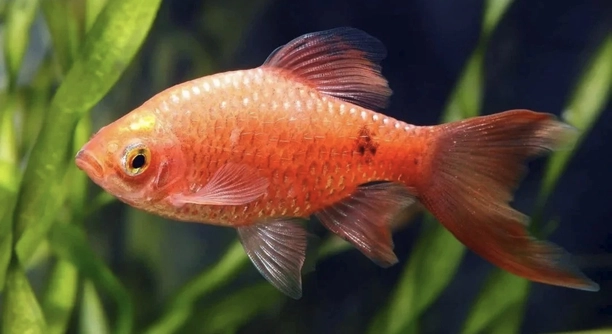
Do Rosy Barbs are popular freshwater fish known for their lively colors and active swimming habits. Many fishkeepers enjoy creating vibrant aquariums that suit their natural behaviors. Choosing the right plants can make a noticeable difference in their environment.
Rosy Barbs generally prefer natural plants over artificial ones because natural plants provide hiding spots, improve water quality, and offer a more stimulating environment. Artificial plants lack the biological benefits and natural textures that promote healthier fish behavior.
Understanding the difference between natural and artificial plants can help you create a better habitat. This article will explore the key factors to consider when selecting plants for Rosy Barbs.
Benefits of Natural Plants for Rosy Barbs
Natural plants create a more authentic environment for Rosy Barbs, closely resembling their native habitats. They provide shelter and hiding spots that help reduce stress, making the fish feel secure. These plants also improve water quality by absorbing nitrates and releasing oxygen, which is essential for maintaining a healthy aquarium. The textures and shapes of real plants encourage natural behaviors, such as exploring and nibbling. This interaction supports the fish’s well-being and helps prevent boredom. Additionally, natural plants can compete with algae for nutrients, helping to keep algae growth under control. However, they do require some maintenance like trimming and ensuring proper lighting, but the benefits they offer often outweigh these efforts.
Artificial plants can’t replicate these biological functions. While they add color and decoration, they don’t contribute to water health or fish behavior in the same way. They are easier to clean and don’t require lighting or care, but the lack of natural benefits can affect the fish negatively.
Choosing natural plants supports the overall health and activity of Rosy Barbs. Their natural feel promotes healthier fish and a more balanced tank environment. For those willing to put in some care, natural plants are a valuable addition.
Drawbacks of Artificial Plants
Artificial plants do not offer biological benefits for Rosy Barbs.
Artificial plants are popular because they require minimal care and come in many shapes and colors. They do not need light or nutrients and won’t decay or affect water chemistry. This can make them convenient for beginners or those with busy schedules. However, they do not provide hiding spots that feel natural, which may leave fish feeling exposed. Unlike real plants, they do not improve water quality or encourage natural behavior such as grazing or exploring. Some artificial plants have sharp edges that can injure delicate fins. Over time, algae can accumulate on them, requiring cleaning to avoid water issues. While artificial plants serve a decorative purpose, they lack the interactive and environmental advantages of natural plants, which are essential for the long-term well-being of Rosy Barbs.
Choosing the Right Plants for Rosy Barbs
Not all natural plants suit Rosy Barbs equally well.
When selecting plants, choose hardy species that can tolerate active swimming and occasional nibbling. Plants like Java Fern, Anubias, and Hornwort are sturdy and require low maintenance. These plants don’t need strong light and can survive in a range of water conditions, making them ideal for tanks with Rosy Barbs. Fast-growing plants can also help manage nitrate levels and keep the aquarium clean. Avoid delicate or slow-growing plants, as Rosy Barbs may damage them during their energetic movements. Having a mix of tall and short plants creates varied hiding spots and swimming areas, promoting a natural habitat.
Artificial plants may be considered when natural plants are not an option, but it’s important to pick soft, smooth designs to avoid fin damage. Ensuring plants—whether natural or artificial—are securely anchored prevents them from being uprooted during fish activity.
Maintenance Tips for Aquarium Plants
Proper care helps plants thrive and benefits Rosy Barbs.
Natural plants need regular trimming to remove dead leaves and promote healthy growth. Maintaining appropriate lighting, usually 8 to 10 hours per day, supports photosynthesis without encouraging excessive algae growth. Monitoring water parameters, including nitrate and phosphate levels, is important for plant health. Using fertilizers designed for aquarium plants can enhance growth but should be applied carefully to avoid harming fish. Cleaning plant leaves gently removes algae buildup without damaging them. Removing decaying plant matter promptly prevents water quality issues.
Artificial plants require simple cleaning with aquarium-safe brushes to remove algae and debris. Regularly check artificial plants for sharp edges or damage that could injure fish, replacing them if needed. Both types of plants benefit from being placed where they won’t obstruct swimming paths, allowing Rosy Barbs to move freely.
Plant Placement in the Aquarium
Proper placement of plants affects Rosy Barbs’ comfort.
Tall plants are best placed at the back or sides of the tank, creating natural boundaries. Shorter plants can fill the foreground, giving open swimming space.
Impact on Water Quality
Natural plants help maintain clean water by absorbing excess nutrients. This reduces algae growth and supports a stable environment. Artificial plants do not contribute to water quality, which means filters must work harder to keep the tank balanced.
Behavioral Benefits of Plants
Plants encourage natural Rosy Barb behaviors like exploring and hiding. This reduces stress and aggression among fish. A well-planted tank feels more secure, promoting healthier activity levels.
Final Plant Considerations
Choosing plants that suit both the fish and tank setup ensures a balanced aquarium. Regular care keeps plants healthy and supports Rosy Barbs’ wellbeing.
FAQ
Do Rosy Barbs need plants in their aquarium?
While Rosy Barbs don’t strictly need plants to survive, having them greatly improves their environment. Plants provide hiding spots that reduce stress, which helps fish stay healthy. They also create a more natural setting, encouraging natural behaviors like exploring and grazing. Without plants, tanks can feel empty and less stimulating, which may affect the fish’s well-being over time.
Can Rosy Barbs live with only artificial plants?
Yes, Rosy Barbs can live with artificial plants, but it’s not ideal for their health. Artificial plants don’t improve water quality or provide the same comfort as real plants. They lack the natural textures that fish interact with, and some artificial plants might even damage delicate fins if they have sharp edges. If you choose artificial plants, opt for soft, smooth ones and make sure to clean them regularly.
What types of natural plants are best for Rosy Barbs?
Hardy plants like Java Fern, Anubias, and Hornwort are excellent choices. These species tolerate active fish well and require low maintenance. Fast-growing plants also help by absorbing excess nutrients, which keeps the water cleaner. Avoid delicate plants that might get easily damaged by Rosy Barbs’ energetic swimming or nibbling habits.
How do natural plants affect water quality?
Natural plants absorb nitrates and other waste products from the water, which helps keep the aquarium cleaner and reduces algae growth. They also release oxygen through photosynthesis, improving the overall environment for fish. This natural filtration system supports a healthier tank and reduces the workload on mechanical filters.
Do artificial plants affect water quality?
Artificial plants do not affect water quality positively or negatively. They do not absorb nitrates or release oxygen. However, algae can grow on their surfaces, which requires regular cleaning to prevent water quality issues. Artificial plants serve a decorative purpose but do not contribute to the biological balance of the tank.
How often should natural plants be maintained?
Regular maintenance is necessary for healthy plants. Trimming dead or dying leaves once every week or two keeps plants growing well. You should also monitor lighting, aiming for 8 to 10 hours a day, and check water conditions to ensure plants get what they need. Removing decaying plant matter promptly helps maintain good water quality.
Are fertilizers safe for Rosy Barbs?
Fertilizers designed for aquarium plants are generally safe when used correctly. Follow dosage instructions carefully to avoid overdosing, which can harm fish. Using fertilizers helps plants grow strong and healthy, which in turn benefits the aquarium environment by improving water quality and providing better hiding spots.
Can Rosy Barbs eat the plants?
Rosy Barbs may nibble on some plants, especially softer types. This behavior is natural and can provide a minor food source. However, they usually don’t destroy hardy plants quickly. Choosing sturdy species reduces damage, but occasional nibbling is expected and not harmful as long as the plants remain mostly intact.
How do I clean artificial plants?
Cleaning artificial plants involves gently scrubbing them with a soft brush or cloth to remove algae and debris. Avoid using harsh chemicals or soaps, as residues can harm fish. Regular cleaning every few weeks prevents buildup and keeps the tank looking nice without affecting water quality.
Can plant placement impact fish behavior?
Yes, plant placement significantly impacts how Rosy Barbs behave. Placing tall plants along the back and sides creates natural borders, while shorter plants in the front provide open swimming areas. This setup offers both hiding spots and room to swim freely, reducing aggression and stress while encouraging natural activity.
What if my plants keep dying?
If plants keep dying, it might be due to improper lighting, poor water quality, or unsuitable plant species. Check that the light matches the plant’s needs and that water parameters like pH and nitrates are stable. Choose hardy plants if your tank conditions are challenging, and avoid overcrowding the aquarium.
Are floating plants good for Rosy Barbs?
Floating plants provide shade and additional cover, which can help reduce stress for Rosy Barbs. They also absorb nutrients and contribute to water quality. However, they can block light from reaching plants below, so balance their presence to ensure enough light for all plants.
Is it necessary to anchor plants?
Anchoring plants prevents them from being uprooted during fish activity. Rosy Barbs are energetic swimmers and can easily disturb loose plants. Using gravel, plant weights, or pots keeps plants stable, preserving the aquarium’s layout and maintaining hiding spots.
How do I prevent algae growth on plants?
Controlling algae involves balancing light, nutrients, and tank cleanliness. Avoid excessive lighting and overfeeding fish, which increase nutrient levels that algae thrive on. Regular water changes and cleaning plant leaves help keep algae under control. Adding fast-growing plants can also compete with algae for nutrients.
Can Rosy Barbs coexist with other fish in planted tanks?
Rosy Barbs generally get along with other peaceful or semi-aggressive fish in a planted tank. Plants help reduce territorial disputes by providing hiding places and breaking lines of sight. Proper stocking and tank size are important to ensure harmony among fish species sharing the aquarium.
Choosing the right plants for your Rosy Barbs can greatly influence their health and happiness. Natural plants offer many benefits that artificial ones cannot match. They create a more natural environment, provide hiding spots, and help maintain good water quality by absorbing waste. These factors reduce stress and encourage natural behaviors, making your fish more active and lively. While natural plants require some care and attention, the positive impact they have on your aquarium is often worth the effort.
Artificial plants can still play a role in your tank setup. They are easy to maintain and add color or decoration without needing light or fertilizers. However, they do not support water quality or fish behavior in the same way natural plants do. Some artificial plants might have sharp edges that can harm delicate fins, so choosing soft, smooth varieties is important. When using artificial plants, regular cleaning is necessary to prevent algae buildup, and it’s helpful to combine them with natural elements when possible to create a balanced habitat.
Maintaining a healthy planted aquarium means paying attention to both plants and fish needs. Proper placement, regular trimming, and controlling lighting help plants thrive. At the same time, monitoring water quality and ensuring plants are secure creates a safe and comfortable space for Rosy Barbs. Whether you choose natural or artificial plants, understanding their role and care requirements will help you build an aquarium that supports the well-being of your fish. Taking these steps will result in a beautiful and balanced environment where Rosy Barbs can flourish.

Hello,
If you enjoy the content that we create, please consider saying a "Thank You!" by leaving a tip.
Every little bit helps us continue crafting quality advice that supports the health, happiness, and well-being of pets around the world, for pets of all shapes, sizes, and species.
We really appreciate the kindness and support that you show us!