
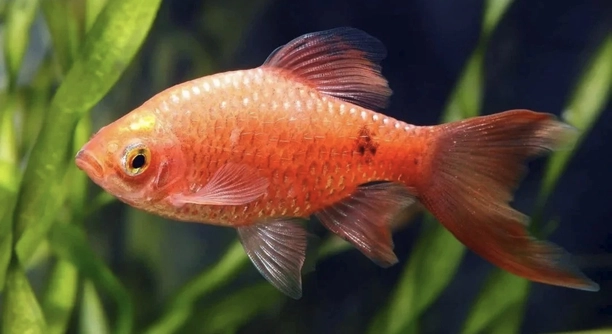
Have you ever noticed your Rosy Barbs getting bored of the same food and started wondering if variety might be better for them?
Rosy Barbs respond better to a varied diet, which supports their natural feeding behavior, enhances coloration, and improves long-term health. Offering a consistent but diverse range of foods promotes nutritional balance and helps maintain vitality in aquarium settings.
Understanding what your Rosy Barbs need can lead to healthier routines, brighter colors, and more activity in your aquarium.
Why a Varied Diet Matters for Rosy Barbs
Feeding Rosy Barbs a varied diet isn’t just about making meals more interesting. In their natural habitat, they eat a wide range of foods—algae, insects, plant matter, and more. Mimicking that in a home aquarium helps maintain their physical health and behavior. A consistent menu of only flakes or pellets may keep them fed, but it lacks the nutrients that come from natural diversity. Including options like brine shrimp, bloodworms, and blanched vegetables ensures they get all essential nutrients. Over time, a limited diet can weaken their immune system and dull their colors. When fed well, Rosy Barbs are more active, show vibrant coloration, and even display healthier fin development. Feeding variety doesn’t mean switching constantly, but offering rotating choices across the week. This keeps feeding time interesting for both you and them, while building a balanced nutrition routine that matches their natural instincts and supports long-term health in captivity.
A rotating diet encourages stronger immunity and balanced digestion, which helps reduce disease risk and stress responses in Rosy Barbs.
Try offering small portions of live or frozen foods two to three times per week alongside their main flakes or pellets. Vegetables like spinach or zucchini can be blanched and added once weekly for variety.
Signs Your Rosy Barbs May Need More Variety
Rosy Barbs that eat slowly or ignore food may not be disinterested—they may want something different.
Changes in behavior or appearance often point to dietary gaps. For example, fading color or sluggish swimming can result from missing nutrients. If your Rosy Barbs are spending more time at the bottom of the tank or appear less active during feeding, it’s worth reviewing their diet. Feeding the same thing daily can lead to boredom, causing them to lose interest in meals. You might also notice more aggression in the tank as they act out of stress or restlessness. A lack of protein or certain vitamins may even impact fin health or cause erratic swimming. Offering new foods is a simple fix. Try alternating between high-quality flakes, live options like daphnia, and safe vegetables. If your fish perk up after the change, it’s a clear sign they were missing something in their routine. Gradual improvements in their energy and color are good indicators the diet is now more balanced.
Best Foods to Include in a Varied Diet
Start with a reliable base like high-quality tropical flakes or micro pellets. These should form the core of each feeding. Add in protein-rich options like frozen bloodworms, brine shrimp, or daphnia a few times per week.
Brine shrimp are especially helpful during growth periods, offering a strong protein boost. Bloodworms provide energy and are often eagerly eaten. Daphnia aids digestion while supplying additional nutrients. Rotate these so they’re not given daily, but spaced out over the week. Supplement with plant-based choices like spirulina flakes, algae wafers, or fresh vegetables. Blanched spinach or zucchini slices are easy to prepare and accepted by most Rosy Barbs. Feed these once a week in small portions. Avoid overfeeding or offering everything in one day. Stick to a loose schedule so your fish anticipate variety without creating stress. Balanced combinations of proteins and greens support their immune system, color vibrancy, and overall activity levels.
Crushed peas with the skins removed are another gentle food option. Peas help relieve mild bloating and can support digestion when fed occasionally. Freeze-dried foods like tubifex worms or krill are convenient and shelf-stable but should be rehydrated before feeding. Always rinse live foods well to avoid contamination. Balance is key—combine protein, fiber, and plant-based nutrients throughout the week.
Feeding Frequency and Rotation Tips
Feed Rosy Barbs two small meals per day rather than one large one. This helps prevent bloating and keeps their energy levels stable throughout the day. Skip one feeding day per week to promote digestion.
Plan a rotation that mixes staple flakes with one supplemental option per feeding. For example, pair flakes with brine shrimp on Monday, flakes with peas on Wednesday, and algae wafers with bloodworms on Friday. Adjust based on how your fish respond to each item. Observe their behavior and energy after each meal to see what works best. Always remove uneaten food after 2–3 minutes to avoid clouding the tank and causing ammonia spikes. Change up the schedule every few weeks so they don’t get too used to any one food. Variety prevents selective eating habits and supports balanced nutrition. Use feeding time to monitor their appetite, color, and fin condition. These signs will help guide your next rotation choices naturally.
Foods to Avoid When Feeding Rosy Barbs
Avoid feeding Rosy Barbs bread, processed meats, or anything seasoned. These foods are not meant for fish and can lead to digestive issues, water contamination, and long-term health problems. Stick with simple, fish-safe ingredients.
Stay away from feeder fish, which can introduce disease or parasites. Unwashed vegetables or fruits sprayed with pesticides should also be avoided. Always rinse and blanch vegetables properly before feeding.
Monitoring Their Health Through Diet
Diet plays a major role in tracking your Rosy Barbs’ well-being. If you notice color fading, fin clamping, or sluggish behavior, evaluate what you’re feeding. A lack of certain nutrients often causes these changes. Try adding variety for two weeks and observe their response. Improved energy, appetite, and coloration usually indicate the new foods are helping. Uneaten food or spitting out meals might mean they’re tired of the same thing or something is off. Inconsistent feeding schedules can also stress them. Keep a routine but adjust portions and types based on how they act. Watch for bloating or floating, which could point to overfeeding or a need for more fiber.
Keep It Balanced
Overfeeding even healthy foods can cause harm. Offer variety, but keep portions small and consistent. Balance is more important than quantity.
FAQ
How often should I vary my Rosy Barbs’ diet?
It’s best to offer a varied diet by rotating foods every few days. For example, feed flakes daily as a staple but introduce live or frozen protein options like brine shrimp or bloodworms two to three times a week. Include plant-based foods like blanched vegetables once a week. This rotation keeps their nutrition balanced and prevents boredom.
Can Rosy Barbs eat only flakes or pellets?
While flakes or pellets can provide basic nutrition, feeding only these may cause deficiencies over time. Flakes lack some of the natural nutrients and fiber found in live or frozen foods and vegetables. Supplementing with a varied diet improves immune health, color brightness, and activity levels in Rosy Barbs.
Are live foods necessary for their diet?
Live foods are not strictly necessary but highly beneficial. They encourage natural hunting behavior, provide rich proteins, and stimulate appetite. If live foods aren’t available, frozen or freeze-dried alternatives can work well. Just ensure they are clean and free of contaminants.
How do I introduce new foods without stressing my fish?
Introduce new foods gradually by mixing a small amount into their regular diet. Observe how they react and whether they accept the new food. Avoid sudden changes or overfeeding, which can stress them and affect water quality. Patience helps fish adjust.
What vegetables are safe for Rosy Barbs?
Blanched spinach, zucchini, peas (without skins), and cucumber slices are safe and nutritious. Always rinse vegetables well and blanch them briefly to soften, making them easier to digest. Avoid vegetables treated with pesticides or that have tough skins.
How much should I feed my Rosy Barbs per meal?
Feed only what they can consume within 2 to 3 minutes. Overfeeding leads to water quality issues and health problems like bloating. Small, frequent meals are better than one large feeding. Watch their behavior to adjust portions accordingly.
Can I feed Rosy Barbs human food scraps?
It’s best to avoid human food scraps as they often contain spices, oils, or preservatives harmful to fish. Stick with foods designed for aquatic life or safe natural options. Feeding inappropriate foods can upset digestion and harm your fish.
Is fasting beneficial for Rosy Barbs?
Yes, skipping one feeding day each week helps promote digestion and reduces the risk of overfeeding-related issues. It mimics natural feeding cycles and supports gut health. Monitor your fish to ensure they stay active and healthy during fasting days.
How do I know if my fish are getting enough nutrients?
Healthy Rosy Barbs are active, have vibrant colors, and display normal swimming and social behavior. Dull coloration, lethargy, or fin damage often signal dietary gaps. Regularly offering a variety of foods and observing these signs helps maintain their well-being.
What should I do if my Rosy Barbs refuse certain foods?
It’s normal for fish to have preferences. Try offering the same food at different times or prepare it differently (fresh, frozen, or blanched). If they consistently refuse an item, remove it and try another. Focus on balanced nutrition through accepted foods rather than forcing variety.
Are freeze-dried foods a good option?
Freeze-dried foods like bloodworms or tubifex worms are convenient and nutritious but should be rehydrated before feeding. They provide good protein but may lack some nutrients fresh foods have. Use freeze-dried foods as part of a varied diet, not the sole source.
How important is protein in their diet?
Protein supports growth, tissue repair, and energy. Rosy Barbs benefit from moderate protein levels in their diet. Live or frozen animal-based foods are good protein sources. However, excessive protein without balance can cause digestive problems. Combine protein with plant matter for best results.
Can Rosy Barbs live healthily on a vegetarian diet?
Rosy Barbs are omnivores and require both animal and plant-based foods for optimal health. A strictly vegetarian diet can cause nutrient deficiencies and impact energy levels and coloration. Including some protein sources is essential for their well-being.
What happens if I feed them too much variety?
Too many new foods introduced too quickly can cause stress or digestive upset. Stick to a manageable rotation, changing foods gradually over weeks. This allows their digestive systems to adapt and prevents water quality problems caused by uneaten food.
How do I store foods to keep them fresh and safe?
Store flakes, pellets, and freeze-dried foods in airtight containers away from moisture and sunlight. Keep frozen foods at the correct temperature and thaw before use. Proper storage maintains nutrient quality and prevents contamination.
Are there any signs of food-related illnesses in Rosy Barbs?
Symptoms like swollen bellies, unusual swimming patterns, faded colors, or white patches can indicate dietary issues or infections. Poor diet weakens their immune system, making them more prone to illness. Adjusting diet and improving water quality often helps recovery.
Can I feed Rosy Barbs live plants?
Rosy Barbs sometimes nibble on live plants, but it’s not a reliable food source. If you want to offer plant nutrition, supplement with blanched vegetables or algae wafers designed for fish. Live plants mainly provide shelter and natural tank enrichment.
How do water conditions affect feeding and diet?
Poor water quality reduces appetite and digestion efficiency. Overfeeding contributes to waste buildup, harming water conditions. Keep the tank clean and feed appropriate amounts to maintain healthy water parameters, supporting proper nutrition absorption.
Is it okay to feed Rosy Barbs treats?
Occasional treats like live or frozen foods are fine in moderation. They should not replace staple meals but add interest and nutrition variety. Overuse of treats can lead to imbalanced diets and health issues.
What’s the best way to observe if my fish like a new food?
Watch how quickly they approach and eat the food. If they eagerly consume it, it’s likely a good addition. Hesitation, spitting out, or ignoring the food means they may not prefer it or need time to adjust.
How can I prevent selective feeding?
Offer a variety of foods regularly but in small amounts. Avoid giving only one type of food for extended periods. Removing uneaten food promptly also discourages selective eating, as it reduces food options and encourages trying new items.
Feeding Rosy Barbs a varied diet is essential for their overall health and well-being. Sticking to just one type of food, like flakes or pellets, may be convenient but often does not provide all the nutrients they need. A mix of protein sources, such as live or frozen foods, combined with plant-based options helps support their immune system, vibrant colors, and active behavior. Introducing different foods gradually allows your fish to adapt and keeps their feeding routine interesting without causing stress.
Maintaining a balanced feeding schedule is just as important as the food itself. Feeding small portions two or three times a day helps prevent overfeeding and keeps the aquarium water clean. Overfeeding can lead to digestive problems and water quality issues, which may harm your fish. Including a fasting day once a week promotes better digestion and mimics natural feeding patterns. Paying close attention to your Rosy Barbs’ behavior, appetite, and appearance can provide clues if their diet needs adjustment or if they are experiencing health issues.
In summary, a well-planned, varied diet combined with proper feeding practices will help your Rosy Barbs thrive. Feeding a range of foods that meet their nutritional needs supports their natural behavior and improves their overall quality of life. Watching how your fish respond to different foods and adjusting their diet accordingly will lead to healthier, happier Rosy Barbs. By following these simple steps, you can create a stable, enjoyable environment that encourages your fish to flourish over time.

Hello,
If you enjoy the content that we create, please consider saying a "Thank You!" by leaving a tip.
Every little bit helps us continue crafting quality advice that supports the health, happiness, and well-being of pets around the world, for pets of all shapes, sizes, and species.
We really appreciate the kindness and support that you show us!