
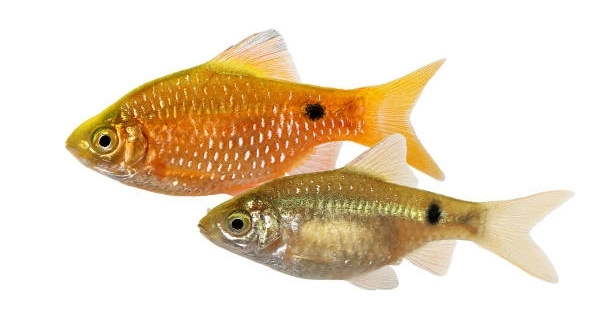
Have you ever watched your rosy barbs swimming and noticed them interacting with tiny air bubbles floating through their tank?
Rosy barbs do sometimes appear to play with air bubbles, but their behavior is often linked to natural curiosity and environmental interaction rather than intentional play. This activity can indicate alertness and healthy sensory engagement.
Learning more about this behavior can help you better understand your fish’s needs and improve their overall tank environment.
Why Rosy Barbs React to Air Bubbles
Rosy barbs are active fish that often show interest in movement within their tank. Air bubbles, especially from airstones or filters, can catch their attention. This movement mimics natural water flow found in streams, making it both stimulating and familiar. In some cases, rosy barbs may chase, swim through, or hover around bubbles. These interactions are not a sign of distress but rather a response to changes in their surroundings. Their schooling nature also plays a role, as one fish exploring bubbles might encourage others to follow. Tank setup, lighting, and water flow can all influence how often they engage in this behavior. Providing a space that encourages exploration can help maintain their physical and mental health. While it may seem like play, their interaction with bubbles is likely a blend of curiosity and sensory stimulation rather than actual playfulness like that seen in mammals.
A bored rosy barb is more likely to explore tank features, including bubbles, to stay stimulated and engaged.
If your fish are spending time near the bubble stream, it usually means they are healthy, alert, and responsive to environmental changes.
The Role of Tank Environment
Rosy barbs thrive best in tanks that offer enough space, plants, and varied flow patterns. A strong current or too many bubbles can create stress, while a gentle flow encourages natural behaviors.
Creating a balanced tank is key to encouraging safe and natural interaction with air bubbles. Start with a moderate bubble output from an airstone or sponge filter, making sure it doesn’t push the fish around. Use live or silk plants to give them resting spots and break up the water flow. If you notice your fish spending too much time near the bubbles, it might be worth adjusting the current or checking water parameters. Too strong a flow can lead to fatigue, especially for smaller or younger barbs. On the other hand, no movement at all may result in dull behavior. Observing how they interact with different areas of the tank helps you fine-tune their environment. Proper lighting, regular water changes, and a varied layout contribute to a healthier, more engaging space. When rosy barbs feel secure and enriched, they are more likely to interact naturally with bubble streams without signs of stress.
How Behavior Varies Between Fish
Not all rosy barbs will react the same way to air bubbles. Some show excitement, while others ignore them completely. Age, personality, and tank dynamics all play a part in shaping these different responses.
Younger rosy barbs tend to interact with bubbles more often. Their energy levels are higher, and they’re more curious about their surroundings. As they mature, their interest may shift to other aspects of the tank, like exploring plants or interacting with other fish. A single rosy barb may show different behavior depending on the time of day or changes in the tank. Some may follow the bubbles for fun, while others are simply responding to movement. If your fish ignore the bubbles, it’s not necessarily a problem. They may be getting stimulation elsewhere or feel content with their environment. Every fish is different, and their habits will reflect that over time.
Rosy barbs in larger groups may show stronger interaction with air bubbles. This is often due to group behavior where one curious fish encourages others to follow. A dominant fish may also influence how others react. If one leads toward the bubble stream, the others often mirror the behavior. This isn’t play in the human sense, but it does show social dynamics. Watching your fish closely over time can help you understand what’s normal for your group and whether their behavior is healthy. If any fish appear stressed or overly fixated on bubbles, consider adjusting the tank layout or flow. Balance and variety in the environment will lead to more natural behavior.
When Bubble Interaction Becomes Too Much
If your rosy barbs are constantly near the bubbles and avoiding the rest of the tank, it could mean the current is too strong. Too much flow may tire them out or cause unnecessary stress.
Signs of overstimulation include frantic swimming, lack of interest in food, or hiding for long periods. A constantly strong current may prevent the fish from resting, especially if there are no calm zones in the tank. You can adjust this by turning down the air pump or changing its position to spread out the flow. Look for changes in how they interact with their surroundings. A healthy fish will explore the tank freely, not just hover in one spot. Over time, too much exposure to fast-moving bubbles can also irritate their fins. Make sure there’s a balance between movement and rest areas. This helps them stay active but not overworked.
Creating a more natural flow pattern can reduce overstimulation. Use plants, driftwood, or decorations to break up the bubble stream and offer calm resting spots. If your fish still seem stressed, try switching to a sponge filter or lowering the overall bubble output. Every tank is different, and small adjustments can make a big difference. Observe your rosy barbs over a few days after each change. If they start exploring more of the tank and their movements appear smoother, your adjustment likely helped. Keeping an eye on subtle signs—like how much they swim, where they rest, and their interaction with tank mates—will help you maintain a healthier environment.
Why Bubble Play Isn’t Always a Problem
Rosy barbs interacting with bubbles isn’t always a sign of something wrong. Many are naturally drawn to motion, and bubbles can offer harmless stimulation when the environment is balanced and the flow is gentle.
As long as they aren’t showing signs of stress, bubble interaction can be part of their daily routine.
How to Encourage Safe Interaction
If you want your rosy barbs to enjoy bubbles safely, focus on tank layout. Use plants to break up strong flow and provide areas to rest. Make sure the bubble source isn’t too powerful. Observing how your fish respond over time helps you decide whether adjustments are needed. Gradual changes work best.
What to Avoid
Avoid high-output air pumps in smaller tanks. They can create strong currents that overwhelm your fish and limit their ability to rest.
FAQ
Can rosy barbs actually play like other pets?
Rosy barbs don’t play the way dogs or cats do. Their behaviors are mostly driven by instinct, curiosity, and response to movement. When they interact with bubbles, it’s often a reaction to flow, light, or texture. They may appear playful, but they’re not playing in a social or emotional sense. Instead, it’s a mix of exploration and natural behavior. They might swim through bubbles, chase them, or hover nearby because the motion catches their attention. It’s important not to confuse curiosity with emotional play. They aren’t bored or seeking entertainment like mammals might.
Is it okay if only one rosy barb interacts with bubbles?
Yes, it’s completely fine. Not every rosy barb will respond the same way to bubbles or water movement. Fish, like people, have different personalities. Some may be more active or curious, while others stay calmer and spend time near plants or the tank bottom. If one fish is more interested in the bubbles, that’s normal. Just keep an eye on its energy level and health. As long as it’s eating, swimming normally, and not acting stressed, the behavior is safe. Sometimes fish take turns being more active throughout the day, especially in community tanks.
Could too many bubbles make the fish stressed?
Yes, it’s possible. If the bubble output is too strong, it can create a fast current that exhausts the fish. Constant swimming without rest can lead to stress, reduced appetite, or hiding. If you notice your fish struggling to swim or staying in one corner, the flow might be too much. Adjusting the pump or using plants and décor to break up the stream can help. Always watch how your fish behave after any tank changes. A balanced environment lets them explore while also providing calm areas to rest and recover.
Do rosy barbs need bubbles in their tank?
They don’t necessarily need bubbles, but some water movement is important. Bubbles from an airstone or sponge filter help oxygenate the tank, especially if you don’t have a strong filter or surface agitation. Rosy barbs enjoy movement, so light flow can be beneficial. However, if your filter already provides good circulation and gas exchange, extra bubbles aren’t required. It comes down to your tank’s setup. Watch how your fish behave—if they’re swimming well, eating, and exploring their environment, your water flow is probably just fine.
How can I tell if my rosy barb is stressed by bubbles?
Look for changes in behavior. Signs of stress include rapid gill movement, lack of appetite, frantic swimming, or hiding more than usual. If your fish is constantly near the bubbles and avoiding other areas, it may be overwhelmed. You can reduce stress by lowering the bubble flow or rearranging tank décor. Provide plants, rocks, or driftwood to help break the current. A healthy fish will move around the tank freely, not just stay near one spot. Keep an eye on interactions between fish as well—chasing and fin nipping can also cause stress in shared tanks.
Why does my rosy barb keep swimming against the bubble stream?
Some fish enjoy swimming against the current. It gives them exercise and helps them stay alert. If the flow isn’t too strong, this is usually a healthy and natural activity. Swimming against bubbles may also be a way to mark territory or simply a part of their routine. Watch for signs of fatigue or stress, but if the fish looks comfortable and returns to other parts of the tank, there’s no need to worry. This behavior can be common in active species like rosy barbs.
Is bubble interaction more common during certain times of day?
Yes, it can be. Rosy barbs often follow a daily rhythm, becoming more active during feeding times or when lighting conditions change. You might notice increased bubble interaction in the morning or early evening when they’re most alert. Lighting also plays a role—bubbles may look more visible or attractive under certain angles. Fish may explore more after a water change or when the tank setup has shifted slightly. This kind of stimulation can be positive, but if the behavior seems obsessive, it’s worth reviewing the tank’s balance.
Should I remove the bubble source if behavior changes?
Not always. It’s better to adjust than remove it completely. Try turning down the air pump or moving the airstone to a different part of the tank. Adding plants or decorations can redirect the flow and give your fish options. Removing all movement may cause boredom in active species like rosy barbs. Instead, aim for a varied environment that offers both stimulation and rest. Monitor how your fish react to each change before deciding on the next step. You may find that small shifts help more than removing the bubbles entirely.
Final Thoughts
Watching rosy barbs interact with air bubbles can be a charming part of keeping an aquarium. These fish are naturally curious and active, so it’s not surprising that they respond to movement in their environment. Bubble streams can add variety to the tank and give the fish something interesting to explore. In most cases, bubble interaction is completely harmless and can even be a sign that your fish feel comfortable and alert. Just like with any other part of their setup, it’s important to observe how they respond and make sure it’s not causing stress or discomfort. What seems like playful behavior is often linked to their instincts and natural habits.
While some rosy barbs might show excitement around bubbles, others may ignore them altogether. This difference is normal and reflects each fish’s personality, age, and overall comfort in the tank. Some fish prefer resting among plants or exploring corners, while others enjoy swimming through streams of bubbles. If your tank has a calm flow and plenty of hiding spaces, bubble interaction is unlikely to be a problem. But if you notice signs of stress—such as rapid gill movement, hiding, or trouble swimming—it’s worth checking your bubble output and making small changes. The goal is to give your fish a space where they can be both active and relaxed, depending on their mood and energy level.
Creating a balanced tank environment helps rosy barbs stay healthy, alert, and engaged. Bubbles are not required, but they can add a gentle flow and improve oxygen levels if used correctly. A soft current, stable water conditions, and plenty of cover are all key to supporting natural fish behavior. If your rosy barbs occasionally swim through or follow bubbles, it’s usually a sign of curiosity or stimulation—not something to worry about. But staying observant is important. A few adjustments here and there can make a big difference in how your fish feel and behave. With the right setup, rosy barbs will remain active, responsive, and enjoyable to watch, whether they’re exploring bubbles or resting quietly in their favorite part of the tank.

Hello,
If you enjoy the content that we create, please consider saying a "Thank You!" by leaving a tip.
Every little bit helps us continue crafting quality advice that supports the health, happiness, and well-being of pets around the world, for pets of all shapes, sizes, and species.
We really appreciate the kindness and support that you show us!