
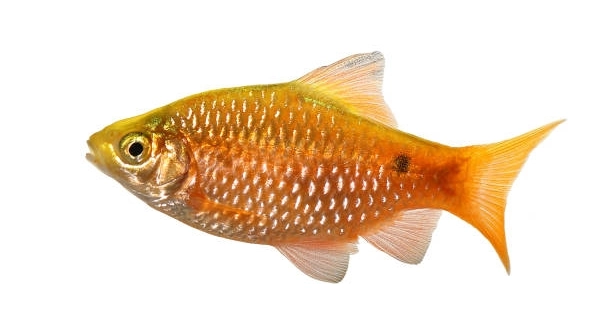
Do you ever find yourself watching your Rosy Barbs and wondering if they notice when you move things around in their tank?
Rosy Barbs do notice changes in their tank environment. These changes can affect their behavior, stress levels, and interactions, especially when it involves new objects, rearranged decor, or alterations in lighting or water conditions.
Understanding how these small adjustments impact your fish can help you create a space that keeps them both comfortable and engaged.
How Tank Changes Affect Rosy Barbs
Rosy Barbs are active and curious freshwater fish. When their environment changes, they tend to respond quickly. You might notice them swimming more cautiously, hiding behind plants, or inspecting new decorations. These behaviors are normal and show that they’re paying attention. Rearranging their tank can be stressful at first, especially if they’re not used to frequent changes. However, if done slowly and with care, they usually adjust well. Keeping their basic setup familiar—like keeping their hiding spots in the same area—can help reduce stress. Sudden changes in lighting, temperature, or water quality, though, can lead to more serious stress signs, such as clamped fins or erratic swimming. Watching their behavior closely after any update is important. They may explore more or become more reserved, depending on how the change affects them. These reactions are often short-term if the water remains clean and stable, and their environment still feels safe.
Some Rosy Barbs might adjust in just a few hours, while others take a few days.
Over time, Rosy Barbs can become more tolerant of minor tank updates. When they know their space is safe, they explore more confidently. Adding new plants or adjusting decorations in small steps lets them stay curious without becoming overwhelmed. It’s important not to make too many changes at once. That can make them anxious or even affect their eating habits. Always test the water after any update. A stable pH and temperature help keep them calm. If your Rosy Barbs begin to swim erratically or hide for too long, it could be a sign the change was too much. But if they quickly return to their usual, playful behavior, it means the adjustment likely went smoothly. Taking the time to monitor their reactions makes it easier to tell what they’re comfortable with and helps you plan future updates more carefully.
Tips for Smooth Adjustments
Start small when changing your Rosy Barbs’ tank. Keep a few familiar pieces in place to help them feel secure.
Before changing anything, check the water parameters and make sure they’re stable. When adding something new, like a decoration or plant, rinse it well to remove any unwanted residue. After placing it in the tank, observe your Rosy Barbs for any changes in behavior. If they avoid the new item or act stressed, it might be helpful to move it to a less central area. It’s also smart to avoid changes during feeding time or when your fish already seem agitated. For bigger updates—like changing the substrate or adding many new items—consider spreading them out over a week. This gives your fish time to adapt gradually. Make sure their favorite hiding places remain undisturbed. A balance of familiarity and novelty helps them adjust better. Watching how they interact with the new setup will help you make choices that keep them active and healthy.
Recognizing Stress in Rosy Barbs
Stress in Rosy Barbs often shows through changes in movement, appetite, or color. They may swim less, hide more, or display duller shades. These signs can appear shortly after changes in their tank.
If you notice your Rosy Barbs are acting differently after a tank update, observe them closely over the next 24–48 hours. Loss of appetite, rapid gill movement, or clamped fins are key signs something may be wrong. It doesn’t always mean the change was harmful, but it’s a sign to slow down. Keep the lights dim and avoid loud noises or tapping the glass. Give them space to settle. If symptoms continue beyond a couple of days, test the water immediately. A spike in ammonia or drop in pH can make even minor changes feel unsafe to your fish. Restoring balance usually helps them return to normal.
Healthy Rosy Barbs are usually very active, so sudden sluggishness is easy to spot. When you see signs of stress, try not to change anything else. Leave their tank alone while monitoring them. It’s helpful to keep notes on what was changed and when the behavior started. This can show patterns and help prevent future issues. Some fish respond more strongly than others, especially if they’re newer to the tank or recovering from previous stress. Avoid introducing new fish or major changes during these times. They need time to regain confidence. Once they begin to swim freely again and eat well, it’s a good sign they’ve adapted to their updated surroundings.
Environmental Stability Matters
Rosy Barbs thrive when their environment stays steady. Big swings in temperature, lighting, or tank setup can make them uneasy and slow to adjust. Consistency is one of the best ways to keep them active and healthy.
To keep your tank stable, check the water regularly using a simple test kit. Most Rosy Barbs do best in temperatures between 72°F and 78°F, with a pH level around 6.5 to 7.5. Avoid placing the tank near windows or vents, which can cause temperature shifts throughout the day. When cleaning the tank or changing water, do it gently and avoid moving things around too much. If something needs to be cleaned or replaced, try to do it in steps—one or two changes at a time. A consistent light cycle also helps. Keep the lights on for around 8 to 10 hours daily. These small steps can help your Rosy Barbs feel safe, even when small updates are needed.
Behavior to Watch After Changes
After a tank update, watch for signs like increased hiding or sudden bursts of fast swimming. These may show your Rosy Barbs are unsure of their new surroundings and need time to adjust.
If they ignore food or stay in one corner of the tank, keep the area calm and quiet. Avoid further changes until they become more active again.
Safe Ways to Rearrange the Tank
When rearranging the tank, move objects slowly and avoid taking out all decorations at once. Keep one or two familiar items in the same spot to give the fish a sense of safety. If adding new pieces, place them near existing plants or rocks to make the change feel more natural. Introduce changes during the day when the lighting is stable and you can monitor behavior. Try not to stir up the substrate too much, as this can release unwanted waste into the water. A clear, clean tank makes the adjustment easier on the fish.
Keeping Things Predictable
Try to keep feeding times, lighting schedules, and cleaning routines the same. Familiar routines help your Rosy Barbs feel safe, especially after changes to their space.
FAQ
Can Rosy Barbs get stressed from small changes?
Yes, even small changes can affect Rosy Barbs. While they are generally hardy, minor shifts like moving a plant, changing a background, or adjusting lighting can still cause brief stress. You might notice them acting a little shy or cautious right after the update. This usually goes away within a day or two if everything else in the tank stays stable. To keep things calm, avoid making multiple changes at once, and always monitor their behavior for any unusual signs.
How long does it take Rosy Barbs to adjust to a new setup?
Most Rosy Barbs adjust within 24 to 72 hours, depending on the size of the change. A slight rearrangement might only take a few hours for them to feel comfortable again. Bigger changes, like new decorations or shifting hiding spots, could take a few days. During this time, avoid introducing more changes, and try to keep the tank quiet. Give them space, and let them explore on their own. If they return to eating and swimming normally, it’s a good sign they’ve settled back in.
Do Rosy Barbs like new decorations?
Rosy Barbs are curious and often investigate new decorations. They enjoy swimming around objects and exploring open spaces. Adding something new can be enriching for them, as long as it’s introduced carefully. Choose decorations with smooth edges, and rinse them well before placing them in the tank. Place new items near existing features so it doesn’t feel like a complete change. If they avoid the item at first, give them time—they usually warm up to it once they feel safe.
Can lighting changes affect Rosy Barbs?
Yes, lighting changes can impact Rosy Barbs. Sudden shifts from dark to bright light or inconsistent lighting patterns may cause them to dart around or hide. It’s best to use a timer to maintain a regular light cycle—about 8 to 10 hours of light per day. If you need to change the lighting setup, do it gradually over a few days. Soft lighting is often better than harsh, bright lights. A stable light schedule helps them feel more secure and active.
Is it okay to rearrange the tank often?
Frequent rearranging can stress Rosy Barbs, especially if changes are large or too close together. It’s okay to make adjustments, but try to space them out. Small changes made once every few weeks are usually fine. Always watch how your fish respond afterward. If they remain active and eat well, the update was likely manageable. Too much change can make them feel unsafe, so keeping some elements the same helps maintain balance.
What should I do if my Rosy Barbs stop eating after a tank change?
If your Rosy Barbs stop eating after a change, give them time to adjust and don’t feed them too much. Offer a small amount of food at the usual time and remove uneaten food to keep the water clean. Check the water parameters, especially ammonia and pH, in case the change disturbed the balance. Keep lighting and activity around the tank low to reduce stress. Most Rosy Barbs resume eating once they feel comfortable again.
Do Rosy Barbs remember their tank layout?
Rosy Barbs don’t remember every detail, but they do seem to recognize their space. They tend to follow patterns when swimming and often return to the same hiding spots or resting areas. When those familiar places are moved or removed, it can throw them off temporarily. Keeping part of the tank layout the same during updates helps them feel more at ease. Over time, they will get used to new objects or layouts if the overall environment remains stable.
Should I isolate a Rosy Barb if it acts stressed after a change?
It’s usually not necessary to isolate a Rosy Barb unless it shows signs of illness or is being bullied by tank mates. A little stress after a change is normal and often clears up within a couple of days. Isolation can sometimes add more stress unless there’s a clear reason for it. Instead, focus on keeping the tank quiet, avoid touching the tank glass, and reduce light. Let the fish settle back into its routine naturally. If stress signs continue for more than a few days, check for deeper issues like water quality or aggression in the tank.
Final Thoughts
Rosy Barbs are active, alert fish that notice even small changes in their environment. While they may not react strongly to every shift, they do respond to things like new decorations, moved plants, or changes in lighting. These changes can affect their behavior, sometimes causing them to act shy, swim differently, or stop eating for a short time. In most cases, the adjustment period is brief, especially if the water conditions stay clean and stable. These fish can adapt well if they are given time and space. Watching them closely after changes is a good way to learn what helps them feel more secure.
Keeping the tank consistent helps Rosy Barbs feel safe. That means stable water temperatures, steady lighting, and predictable routines. If you do need to rearrange or add something new, it’s best to do so in small steps. Leaving a few familiar objects in place can make a big difference. Your fish will still explore and investigate what’s new, but they’ll feel more confident doing it. Avoid making several changes at once, especially during feeding times or when the fish are already stressed. Gradual updates with time in between allow your Rosy Barbs to adjust more smoothly and stay healthy.
In the end, how Rosy Barbs respond to tank changes depends on how those changes are made. A calm, steady environment helps them feel relaxed, and when changes are done carefully, they tend to recover quickly. Their reactions—like hiding, swimming in new patterns, or ignoring food—are their way of adjusting. These behaviors usually go back to normal once they feel safe again. Taking time to understand how they react and what helps them adapt will make it easier to care for them long term. By keeping an eye on their behavior and making small, thoughtful changes, you can create a tank that keeps them both comfortable and curious.

Hello,
If you enjoy the content that we create, please consider saying a "Thank You!" by leaving a tip.
Every little bit helps us continue crafting quality advice that supports the health, happiness, and well-being of pets around the world, for pets of all shapes, sizes, and species.
We really appreciate the kindness and support that you show us!