
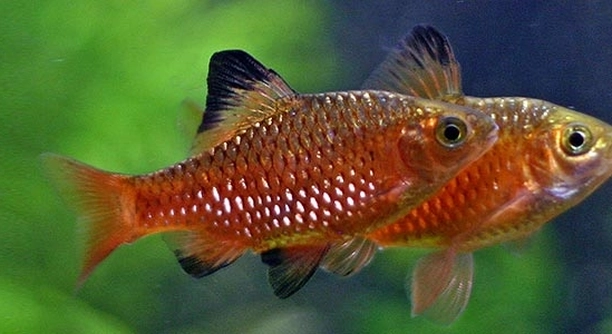
Have you ever stood by your aquarium and noticed your Rosy Barb swimming excitedly near the glass, almost like it saw something familiar?
Rosy Barbs can notice their reflection in the glass, but they don’t recognize it as themselves. Instead, they often react as if another fish is present, triggering territorial or social behaviors.
This behavior can influence their stress levels, feeding patterns, and interactions with tank mates, so it’s worth understanding what it means for their care.
Why Rosy Barbs React to Their Reflection
When Rosy Barbs see their reflection, they often mistake it for another fish. This happens because the glass acts like a mirror, especially when lighting conditions make the reflection more visible. Their instinct is to defend their space or establish dominance. You might notice them flaring their fins, chasing the glass, or becoming more active in that area. These reactions are based on natural behaviors they would display in the presence of real fish. Even without an actual intruder, their brain interprets the image as competition. Over time, some fish might get used to it, while others stay reactive. It’s not about recognition but a response to visual cues they associate with other fish. This behavior is more common in males, especially during breeding seasons when they are more territorial. Understanding this helps you respond better and avoid unnecessary stress in your tank.
This behavior may seem harmless, but it can lead to stress or overexertion in some fish.
If your Rosy Barb shows signs of constant interaction with its reflection, it’s important to monitor the tank environment. Make sure the lighting isn’t creating strong reflections for long periods. Also, consider adding plants or decor to break up reflective surfaces. These steps can reduce how often your fish sees its reflection and helps lower unwanted behaviors. If the fish spends too much time flaring at the glass or appears overly aggressive, it could be using up too much energy or becoming anxious. In extreme cases, this might affect their health, leading to loss of appetite or changes in swimming behavior. Even though this reaction is instinctive, your setup plays a key role in how often it happens. Being aware of your fish’s activity and making small changes to the aquarium layout can help create a calmer, healthier space.
How to Minimize the Reflection Effect
One simple way to reduce reflections is by adjusting the room’s lighting and the tank’s background.
If your Rosy Barb is frequently reacting to the glass, start by dimming the lights around the tank or moving it away from windows. Bright light hitting the glass often causes reflections that fish interpret as other animals. You can also place a dark background behind the tank to cut down on mirrored images. Adding live or artificial plants along the sides helps break up the surface and makes it harder for the fish to see a clear reflection. In some cases, a slight repositioning of the tank may help reduce glare. Keeping the tank clean and the water clear will also stop unnecessary light from bouncing around. Every fish is different, but with a few simple adjustments, your Rosy Barb will spend more time swimming calmly and less time reacting to what it thinks is a stranger in its space.
When Reflection Becomes a Problem
If your Rosy Barb is constantly flaring at the glass or appears agitated, it may be reacting to its reflection too often. This kind of repeated behavior can lead to unnecessary stress or even exhaustion over time.
Stress from frequent interaction with their reflection can cause behavior changes like reduced appetite, hiding more than usual, or sudden bursts of aggression. If left unchecked, this stress may weaken their immune system, making them more prone to illness. It’s not always easy to tell right away, but if the behavior seems obsessive or if the fish seems overly fixated on one area of the tank, that’s usually a sign. Rearranging the tank decor or dimming nearby lights can be simple fixes. It’s important to recognize when the behavior is no longer playful or territorial but something that might need your attention to avoid further problems.
Repeated exposure to reflections can also impact the fish’s social behavior. If housed with other fish, your Rosy Barb might begin acting more territorial or aggressive toward its tank mates, especially if it’s constantly in a reactive state. It may start to see every movement as a threat, causing disharmony in the tank. This can make feeding time more difficult or even cause fights among the fish. If you notice these patterns, adjusting the environment should be your first step. In more persistent cases, consider giving your Rosy Barb more space or reducing other visual triggers. Keeping your fish calm and balanced starts with noticing the little changes before they become larger issues.
Best Tank Setup for Rosy Barbs
A comfortable tank for Rosy Barbs includes hiding spots, open swimming space, and soft lighting to reduce reflections. Plants, driftwood, and background covers all help support calmer behavior and create a better environment.
Rosy Barbs are active swimmers, so the tank should be long and spacious. They do well in groups, which helps reduce aggression, but crowding the tank can lead to stress. A mix of live or artificial plants gives them areas to hide and feel safe. Placing decor near the glass can also stop mirror-like surfaces from forming. Keep the tank in a place with steady lighting and away from direct sunlight to limit strong reflections. Using a dark background can help reduce how often they see their reflection. The water should be kept clean with proper filtration, and the temperature should stay between 74–79°F. Good care and thoughtful setup make a big difference in your Rosy Barb’s daily behavior.
Signs Your Rosy Barb Is Stressed
Look for unusual behavior like constant glass tapping, rapid swimming along the tank walls, or hiding more than normal. These are early signs your Rosy Barb may be stressed from seeing its reflection too often.
Other signs include faded color, a lack of appetite, or fin clamping. If these symptoms appear alongside glass interaction, it’s likely the fish is overstimulated.
What To Change First
Start by reducing bright light near the tank, especially during daylight hours. Use a background on the back wall and consider adding tall plants along the sides to block reflection. Check if your Rosy Barb’s aggressive behavior lowers after these changes. If not, try shifting the tank’s position or adding more shaded hiding spots. Creating visual barriers in high-reflection zones helps limit how often your fish sees itself. These steps are often enough to reduce stress-related behavior. Keep monitoring for any improvements. Even small adjustments can make a noticeable difference in how calm and balanced your fish becomes over time.
When to Ask for Help
If stress signs continue after making changes, consider reaching out to an aquatic vet or experienced aquarist for advice.
FAQ
Do Rosy Barbs recognize themselves in the glass?
Rosy Barbs do not recognize their reflection as themselves. Instead, they interpret it as another fish invading their territory. This triggers natural behaviors like flaring fins, chasing, or displaying aggression. It is a common response among many fish species that do not possess self-awareness. Their reactions are based purely on instinct, not recognition.
Is seeing their reflection stressful for Rosy Barbs?
Yes, frequent exposure to their reflection can cause stress. When a Rosy Barb constantly sees what it believes is a rival, it may expend unnecessary energy and become agitated. This stress can affect their appetite, immune system, and social interactions. Reducing reflections helps lower stress and promotes healthier behavior.
How can I tell if my Rosy Barb is stressed from reflections?
Signs include repetitive chasing at the glass, rapid darting, hiding more than usual, loss of color, or clamped fins. If these behaviors accompany frequent interaction with the glass, stress from the reflection is likely. Monitoring these signs early can help prevent health issues.
What can I do to reduce reflections in my tank?
Adjust the lighting around the aquarium by dimming bright lights or moving the tank away from direct sunlight. Adding a dark background or placing plants and decorations along the glass helps break up reflective surfaces. These changes make reflections less visible to your fish.
Will adding more fish help reduce aggressive behavior from reflections?
Adding more Rosy Barbs or compatible tank mates can sometimes distract the fish and reduce focus on its reflection. However, overcrowding can cause stress and aggression, so it’s important to maintain proper tank size and population balance. Providing hiding spots is also essential.
Can reflections cause fights among tank mates?
Yes, if a Rosy Barb is stressed or agitated by its reflection, it may become more aggressive toward other fish. This can lead to conflicts and disrupt the tank’s harmony. Reducing reflections and stress is key to maintaining peaceful interactions.
How often should I clean the tank to help with reflections?
Regular cleaning helps keep the glass and water clear, reducing light scattering that can cause reflections. Aim for partial water changes weekly and glass cleaning as needed to minimize buildup. Clear glass reduces visual distractions for your fish.
Are there tank setups that naturally reduce reflections?
Yes, tanks with darker backgrounds, dense plants, and varied decor reduce reflection spots. Avoid placing the tank near windows or bright artificial lights. Soft, diffused lighting inside the tank also minimizes glare and mirrored images.
Can Rosy Barbs get used to their reflection over time?
Some Rosy Barbs may become less reactive to their reflection with time, especially if the environment reduces glare and the fish has other social interactions. However, not all fish will lose interest, so managing the tank’s setup remains important.
Is it harmful if my Rosy Barb occasionally flares at the glass?
Occasional flaring is normal and usually not harmful. It reflects their natural territorial instincts. The problem arises when the behavior becomes constant or obsessive, which can lead to stress and physical exhaustion.
Does tank size affect how much a Rosy Barb reacts to reflections?
Larger tanks offer more swimming space and less concentrated reflective surfaces, which can reduce the chances of fish fixating on their reflection. Smaller tanks with bare glass walls tend to increase reflection visibility and stress.
What temperature is best for Rosy Barbs to stay calm and healthy?
Rosy Barbs thrive in water temperatures between 74–79°F (23–26°C). Keeping water stable within this range supports their overall health and behavior, helping them stay calm and less prone to stress.
Are there any fish species that don’t react to their reflection?
Some fish species are less reactive or indifferent to reflections due to different social behaviors or cognitive abilities. However, many territorial or social fish, including Rosy Barbs, often respond strongly to reflections, mistaking them for rivals.
Can reflections cause breeding behavior in Rosy Barbs?
Occasionally, males might display breeding-like behaviors toward their reflection, interpreting it as a rival or potential mate. This can increase territorial displays but doesn’t replace actual social interactions needed for breeding.
Should I cover the tank at night to prevent reflections?
Covering the tank at night can help reduce reflections caused by room lights. It also prevents your fish from seeing their reflection in the dark, which can lessen stress and allow for better rest.
Are artificial plants as effective as live plants for reducing reflections?
Both live and artificial plants help break up reflective surfaces and provide hiding spots. Live plants offer additional benefits like improving water quality, but either option is useful in reducing reflections and supporting fish well-being.
Rosy Barbs are lively and curious fish that react naturally to their surroundings, including reflections in the aquarium glass. When they see their reflection, they do not recognize it as themselves. Instead, they think it is another fish nearby. This causes them to show behaviors such as flaring their fins, chasing the glass, or trying to assert dominance. These reactions are part of their instinct and do not mean the fish is aware of what it is seeing. Understanding this helps fish owners better care for their Rosy Barbs by reducing unnecessary stress caused by these reflections.
Managing the tank environment can greatly improve how Rosy Barbs respond to their reflections. Adjusting lighting, using backgrounds, and adding plants or decorations can reduce visible reflections. These simple changes limit how often the fish see their mirrored image, which helps lower stress levels and unwanted aggressive behavior. Providing enough space and a comfortable habitat also supports their natural behavior and well-being. When fish are calm and less focused on reflections, they tend to be healthier and show more natural social interactions with tank mates.
Paying attention to your Rosy Barb’s behavior is important. Signs of stress from reflections include frequent glass chasing, hiding, loss of appetite, or faded colors. If these occur, taking steps to improve the tank’s setup is necessary. Sometimes small changes make a big difference in reducing stress and improving the fish’s quality of life. If problems persist, consulting with a fish expert or veterinarian can provide further guidance. Overall, understanding how Rosy Barbs interact with their reflection and adjusting their environment accordingly creates a better, more peaceful aquarium experience for both fish and owner.

Hello,
If you enjoy the content that we create, please consider saying a "Thank You!" by leaving a tip.
Every little bit helps us continue crafting quality advice that supports the health, happiness, and well-being of pets around the world, for pets of all shapes, sizes, and species.
We really appreciate the kindness and support that you show us!