
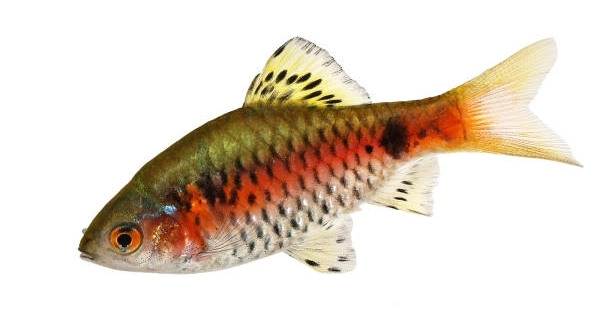
Do you ever find yourself setting up a tank and wondering if your rosy barbs will enjoy all the plants you’ve added?
Rosy barbs thrive in moderately to heavily planted tanks as it mimics their natural habitat, provides shelter, and reduces stress. Plants also offer visual barriers, helping reduce aggression in groups and encouraging natural behaviors like foraging and exploration.
Adding the right plants and layout can make a big difference in your rosy barbs’ comfort and well-being throughout their time in the tank.
Why Heavily Planted Tanks Work Well for Rosy Barbs
Rosy barbs are active freshwater fish that enjoy space to swim and explore. A heavily planted tank offers a perfect balance of open swimming areas and quiet spots to hide. Plants help reduce stress, especially when the fish are kept in groups. These fish can become a bit nippy if they feel crowded or exposed, so having plenty of greenery helps keep their behavior calm and natural. Plants like hornwort, java fern, and anubias work well because they are hardy and provide good coverage. Floating plants can also help diffuse light, creating a more comfortable space. A planted tank mimics their natural habitat, making rosy barbs feel more secure and settled. When they feel safe, their colors become brighter, and they stay more active. A well-planted setup isn’t just decorative—it supports their overall health in a subtle but important way.
Plants do more than just look good. They help create a stable, stress-free environment that benefits both behavior and health.
It’s also worth noting that a planted setup can help support water quality. Live plants absorb some of the waste produced by fish and uneaten food. This helps keep the tank cleaner and reduces harmful buildups, which means less maintenance for you over time.
Things to Watch Out for in Planted Tanks
Rosy barbs may nibble on softer plants if they’re bored or underfed. This can lead to damaged leaves and bare stems.
Choose plants with tougher leaves and make sure your fish are getting enough to eat. Including vegetable matter in their diet, like blanched spinach or zucchini, can help stop them from picking at your plants. They’re not aggressive plant eaters, but they will graze now and then. A tank that has both rooted and floating plants gives them variety while keeping your greenery safe. Also, be careful with plant placement. Too many dense areas can trap uneaten food and waste, which affects water quality. Leave open swimming space in the middle and plant more heavily around the edges. Use gentle water movement to prevent debris from settling. Finally, keep lighting moderate. Too much light encourages algae, while too little can weaken your plants. Balanced lighting and regular pruning will keep your planted tank looking clean and healthy.
Best Plants to Use with Rosy Barbs
Hardy plants that can withstand some nibbling and water movement are best for tanks with rosy barbs. Focus on species that don’t require special care and can thrive under moderate lighting and regular conditions.
Java fern is a great option because it’s durable and doesn’t need to be planted in substrate—just tie it to driftwood or rocks. Anubias is another strong choice with thick leaves that barbs usually ignore. Hornwort is a fast-growing floating plant that adds cover and helps improve water quality. Vallisneria grows tall and creates a natural background while offering hiding spots. Avoid delicate plants like cabomba or soft-leafed stem plants, as they tend to get damaged. Use a mix of floating and rooted plants to keep your tank looking full without overcrowding it. These options also make it easier to maintain a healthy balance in your aquarium.
Adding the right plants not only makes your tank look better but also helps your rosy barbs feel more at home. Plants reduce light glare, offer places to hide, and soften the overall layout. This keeps your fish calmer and encourages them to explore and interact naturally. If you’re starting with a bare tank, consider adding plants gradually. This gives you time to find what works best for your setup without stressing the fish. It also makes cleaning and layout adjustments easier. With the right balance, you can create a tank that’s both beautiful and low-maintenance. Just a few strong plant choices can make a big difference.
Tank Setup Tips for Rosy Barbs in Planted Aquariums
Leave enough space in the center of the tank for active swimming. Rosy barbs like open areas, especially when kept in groups.
Arrange plants around the edges and toward the back of the tank to create shelter without blocking the main swimming zones. Use driftwood or smooth rocks to add structure and give plants a place to anchor. A sandy or fine gravel substrate works well for rooting plants while being safe for barbs. Moderate lighting is usually enough for most hardy plants. Keep the water slightly cooler, around 72–78°F, as rosy barbs prefer it that way. Choose a gentle filter that maintains good circulation without stirring things up too much. Add a few floating plants to soften lighting and reduce stress. Keep the tank covered, as rosy barbs may jump when startled. A simple, balanced setup will help your barbs and plants thrive.
Common Mistakes to Avoid
Overcrowding the tank with plants can limit swimming space and trap waste, which affects water quality. Rosy barbs are active swimmers and need clear areas to move freely without constantly bumping into plants or decorations.
Using weak lighting or skipping routine plant care leads to unhealthy plants. Dying plants decay, releasing waste into the water and increasing maintenance needs. Regular trimming and proper lighting help keep your tank clean and balanced.
Feeding Tips to Prevent Plant Damage
Feeding your rosy barbs a balanced diet helps reduce their interest in nibbling on live plants. Offer a mix of high-quality flakes, pellets, and occasional blanched vegetables like spinach or zucchini. These extras provide the plant matter they naturally seek without damaging the greenery in your tank. Feed small amounts twice a day, only what they can finish in two minutes. Uneaten food should be removed right away to avoid water issues. Keep their diet varied to support good color, behavior, and health. A well-fed fish is less likely to chew on plant leaves out of boredom or hunger.
Final Thought on Plant Choices
Choose strong, low-maintenance plants that can grow well under moderate light and tolerate occasional nibbling from your rosy barbs.
FAQ
Do rosy barbs need a heavily planted tank to be healthy?
Rosy barbs do not require a heavily planted tank to survive, but having plenty of plants helps replicate their natural environment. Plants provide shelter, reduce stress, and improve water quality by absorbing nutrients and waste. A well-planted tank encourages natural behaviors and makes the fish feel more secure. While they can live in lightly planted or even bare tanks, a planted setup will generally support better health and brighter colors.
Can rosy barbs damage plants in my aquarium?
Rosy barbs may nibble on soft or delicate plants, especially if they are bored or lacking proper nutrition. However, they are not aggressive plant eaters. They tend to prefer tougher-leaved plants like java fern and anubias. Providing enough food, including some vegetable matter, can reduce their interest in plants. Also, a balanced tank layout with hardy plants minimizes damage and keeps your greenery intact.
What types of plants are best for a rosy barb tank?
Hardy plants that tolerate nibbling and moderate light are best. Java fern, anubias, hornwort, and vallisneria are popular choices. These plants have strong leaves or grow quickly, which helps them withstand some grazing. Floating plants also work well because they offer shade and cover without being damaged. Avoid soft, delicate plants like cabomba or sensitive stem plants that are easily torn.
How much planting is ideal for rosy barbs?
Moderate to heavy planting is ideal, but it should not overcrowd the tank. Leave open swimming areas in the center or front of the tank because rosy barbs are active swimmers. Plants should be arranged around the edges and toward the back to provide shelter and break up sightlines, which reduces aggression. Overplanting can trap waste and limit swimming space, which affects both fish and plant health.
Do rosy barbs need special lighting for plants to thrive?
Most hardy plants suitable for rosy barb tanks do well under moderate lighting. Intense lighting is not necessary and may promote algae growth. A balanced light cycle of about 8 to 10 hours daily is sufficient. Floating plants can help filter some light, creating a comfortable environment for fish and plants alike. Adjust lighting based on the types of plants and algae levels.
Will rosy barbs harm other fish in a planted tank?
Rosy barbs are generally peaceful but can show fin-nipping behavior, especially if kept in small numbers or overcrowded. A heavily planted tank helps reduce aggression by providing hiding spots and breaking up sightlines. Grouping rosy barbs in schools of six or more also lowers stress and discourages nipping. Choosing tank mates that are fast and equally sized helps maintain harmony.
How do plants affect water quality in a rosy barb tank?
Live plants absorb nitrates, phosphates, and other nutrients, which helps keep water cleaner. They also increase oxygen levels through photosynthesis, benefiting both fish and beneficial bacteria. However, decaying plants can release toxins, so regular pruning and removal of dead leaves are important. A balanced planted tank supports a healthier and more stable environment.
Can I keep rosy barbs in a bare tank without plants?
Yes, rosy barbs can live in a bare tank, but they may be less comfortable and more stressed. Without plants, they lack shelter and hiding places, which can increase aggression or nervous behavior. A bare tank requires more frequent cleaning since plants are not there to help absorb waste. Adding at least some plants or decorations is recommended for their well-being.
What is the best way to feed rosy barbs in a planted tank?
Feed rosy barbs a varied diet of high-quality flakes, pellets, and occasional vegetable matter like blanched spinach or zucchini. This variety helps meet their nutritional needs and reduces their urge to nibble on plants. Feed small amounts twice a day, only what they can eat in a few minutes, to avoid leftover food that can pollute the water.
How often should I prune plants in a rosy barb tank?
Regular pruning every two to four weeks helps maintain plant health and tank cleanliness. Removing dead or damaged leaves prevents decay that can harm water quality. Pruning also controls plant growth, preventing overcrowding and ensuring there is enough swimming space. Trim quickly growing plants like hornwort more often to keep them in check.
Are floating plants beneficial for rosy barbs?
Yes, floating plants provide shade and reduce bright light, making the tank less stressful. They offer cover, which helps shy or stressed fish feel secure. Floating plants also help absorb nutrients and reduce algae growth. They don’t take up substrate space and can be moved easily to adjust tank light and layout as needed.
How does plant placement impact rosy barb behavior?
Plants placed around the tank edges and back offer hiding spots without blocking open swimming areas. This setup helps reduce stress and aggression. Dense plant clusters can break line of sight between fish, minimizing fights or nipping. Open areas allow rosy barbs to swim freely and stay active, which supports their health and natural behavior.
Heavily planted tanks offer many benefits for rosy barbs, helping them feel secure and encouraging natural behaviors. Plants provide shelter, reduce stress, and create a more comfortable environment that mimics their natural habitat. When rosy barbs have places to hide and explore, they tend to show brighter colors and stay more active. A planted tank also improves water quality by absorbing waste products and providing oxygen. These factors combined support the overall health and well-being of rosy barbs, making a planted setup a smart choice for keeping them happy and thriving.
While a heavily planted tank is beneficial, it is important to find the right balance. Rosy barbs are active swimmers, so they need plenty of open space to move around. Overcrowding the tank with too many plants can limit swimming areas and trap debris, which can affect water quality. Choosing hardy plants that tolerate nibbling and moderate light will reduce damage and maintenance needs. Providing a mix of rooted and floating plants creates a varied and functional environment. A simple, well-planned layout will allow your rosy barbs to enjoy both cover and swimming freedom without stress or aggression.
Taking care of a planted tank with rosy barbs requires regular attention but is rewarding. Feeding the fish a balanced diet with some vegetable matter can prevent them from nibbling too much on plants. Routine pruning and plant care keep the tank healthy and prevent decay that harms water quality. With moderate lighting and proper filtration, your planted aquarium will stay stable and beautiful. Overall, a planted tank is more than decoration; it plays a key role in creating a balanced, peaceful home for rosy barbs. When done right, it enhances their quality of life and brings natural beauty to your aquarium.

Hello,
If you enjoy the content that we create, please consider saying a "Thank You!" by leaving a tip.
Every little bit helps us continue crafting quality advice that supports the health, happiness, and well-being of pets around the world, for pets of all shapes, sizes, and species.
We really appreciate the kindness and support that you show us!