
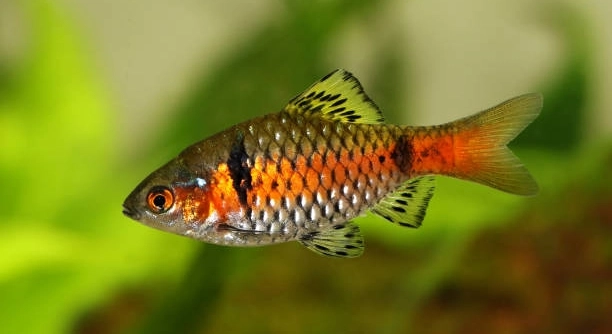
Rosy Barbs are popular freshwater fish that many keep in home aquariums. They are known for their bright colors and active behavior. Aquarists often consider which plants work best with them for a healthy tank environment.
Rosy Barbs generally appreciate floating plants because these provide shade and help reduce stress. Floating plants also improve water quality by absorbing excess nutrients and offer hiding spots, making the environment more comfortable for these fish.
Choosing the right plants can enhance your aquarium’s balance and keep your Rosy Barbs happy and healthy for longer periods.
Why Floating Plants Benefit Rosy Barbs
Floating plants create a natural shade that helps reduce bright light in the aquarium, which Rosy Barbs appreciate. These fish prefer dimmer environments because harsh light can stress them out. Floating plants like duckweed and water lettuce cover the surface and diffuse the light gently. This also helps slow down algae growth by limiting sunlight reaching the water. The plants provide small hiding spots near the surface where Rosy Barbs can rest or feel safe from more aggressive tank mates. Additionally, floating plants absorb excess nutrients from the water, improving water quality. This can reduce the risk of harmful ammonia or nitrite spikes that stress fish. With these benefits, floating plants contribute to a healthier, more balanced tank environment that supports Rosy Barbs’ well-being.
Floating plants also offer a natural look that many fish owners find calming and beautiful in their tanks.
By including floating plants, you create a space that matches the Rosy Barbs’ natural habitat and promotes their comfort and health.
Popular Floating Plants for Rosy Barbs
Duckweed is a favorite floating plant because it grows quickly and provides excellent shade. Its small leaves float on the surface, creating a dense cover that blocks light well. Water lettuce is another good option, with larger, rosette-shaped leaves that also shade the tank. Both plants help reduce nitrate levels by using nutrients from the water. These plants are easy to maintain but need some control, as they can spread fast and cover the whole surface if not managed. Frogbit is similar to water lettuce but smaller and grows more slowly, making it easier to keep in check. Floating plants don’t root in the substrate, so they don’t interfere with bottom-dwelling fish or decorations. They also allow easy access for Rosy Barbs to swim freely underneath while enjoying the shelter above.
Adding floating plants that suit your tank size and lighting will help create a stable environment that your Rosy Barbs can thrive in.
Care Tips for Floating Plants with Rosy Barbs
Floating plants need moderate light to grow but not too much, or they will overcrowd the tank. Regular trimming is important to keep their growth under control. Overgrown plants can block too much light, affecting other plants and fish.
Maintaining clean water is crucial for both Rosy Barbs and floating plants. Floating plants absorb nutrients, which helps reduce algae, but excess fish waste and leftover food can still harm water quality. Frequent water changes and proper filtration keep the environment balanced. When trimming floating plants, remove any dead or yellow leaves to prevent decay that could pollute the water. This helps maintain oxygen levels and keeps the tank fresh. Floating plants do best in water temperatures between 72°F and 82°F, which matches well with the ideal range for Rosy Barbs. Keeping these conditions stable supports healthy growth for plants and fish alike.
Floating plants can sometimes clog filters if not managed properly. Positioning plants carefully and monitoring their growth helps avoid this issue, ensuring smooth filtration.
Potential Downsides of Floating Plants in Rosy Barb Tanks
Too many floating plants can limit oxygen exchange at the water surface, especially at night when plants consume oxygen. This could stress the fish if the tank is overcrowded with plants. Dense floating plant cover may also reduce light penetration to lower aquarium plants, affecting their growth and health. Some floating plants shed leaves or roots that can decompose and increase waste in the tank if not cleaned regularly. This may require more frequent water changes. Finally, rapid growth of floating plants may demand constant pruning to prevent them from taking over the tank. Despite these challenges, careful management keeps floating plants an asset, not a burden, to your Rosy Barbs’ environment. Monitoring plant density and trimming regularly balances benefits with potential downsides effectively.
How to Introduce Floating Plants to Your Tank
Start by rinsing the plants gently to remove any pests or chemicals. Place them on the water surface carefully to avoid disturbing the substrate. Monitor their growth closely during the first weeks to adjust light and nutrient levels.
Avoid overcrowding the tank with too many floating plants at once. Introduce small amounts gradually so the fish and plants can adapt comfortably. This prevents sudden changes in water quality or lighting that could stress your Rosy Barbs.
Floating Plants That Rosy Barbs Tend to Avoid
Rosy Barbs usually avoid plants with sharp or rigid leaves like water hyacinth. These can injure their delicate fins during swimming. Soft-leaved floating plants are generally preferred because they provide safer hiding spaces.
Combining Floating Plants with Other Aquatic Plants
Pairing floating plants with rooted plants creates a balanced environment. Floating plants offer surface cover and nutrient absorption, while rooted plants provide structure and oxygen at lower levels. This mix helps maintain water quality and offers diverse habitats for Rosy Barbs to explore.
Monitoring Plant Health Regularly
Check your floating plants weekly for signs of decay or discoloration. Removing unhealthy parts quickly helps maintain water quality and keeps your aquarium looking its best.
FAQ
Do Rosy Barbs eat floating plants?
Rosy Barbs generally do not eat floating plants. They prefer algae, flakes, pellets, and occasional live or frozen foods. Floating plants are mostly safe from nibbling, though some fish might occasionally nibble on soft leaves. However, Rosy Barbs tend to use these plants for shelter rather than food.
Can floating plants improve water quality?
Yes, floating plants help improve water quality by absorbing excess nutrients like nitrates and phosphates. This reduces algae growth and keeps the water cleaner. Their roots filter out harmful chemicals, making the tank healthier for fish. Regular maintenance is still necessary to avoid buildup.
Will floating plants block too much light for other plants?
If floating plants grow densely, they can block sunlight reaching lower plants, slowing their growth or causing them to die. It’s important to thin floating plants regularly to ensure all plants receive enough light. Balancing plant types helps maintain healthy growth throughout the aquarium.
How often should I trim floating plants in a Rosy Barb tank?
Trimming floating plants every one to two weeks is ideal. This prevents overgrowth that can block light and reduce oxygen exchange. Removing dead leaves during trimming also keeps water clean. Consistent trimming encourages healthy, lush plant growth and a balanced tank environment.
Are floating plants necessary for Rosy Barbs?
Floating plants are not absolutely necessary but strongly recommended. They provide shade and reduce stress, creating a natural environment that supports Rosy Barbs’ health. They also improve water quality, which benefits all tank inhabitants. Their presence enhances both the fish’s comfort and the tank’s aesthetics.
Can floating plants cause oxygen problems at night?
Yes, floating plants consume oxygen at night through respiration. If there are too many plants or the tank is small, oxygen levels can drop, stressing the fish. Ensuring good surface agitation and proper filtration helps maintain oxygen levels. Avoid excessive plant coverage to prevent this issue.
What types of floating plants are best for beginners?
Duckweed and frogbit are great for beginners. They grow easily, require moderate light, and help control nutrients in the water. Both plants are low-maintenance and provide good coverage without aggressive spreading. Beginners should monitor their growth but generally find these plants manageable.
How do floating plants affect tank maintenance?
Floating plants can reduce algae and nutrient buildup, lowering maintenance needs. However, they require regular trimming and removal of dead parts to avoid water quality problems. Overgrown plants might clog filters, so placement and monitoring are important. Proper care balances benefits with manageable maintenance.
Can Rosy Barbs hide under floating plants?
Yes, floating plants offer perfect hiding spots for Rosy Barbs. They feel safer with shaded areas to retreat to, especially when stressed or resting. The roots and leaves provide cover without restricting swimming space. This natural shelter supports their well-being.
Is it okay to mix floating plants with other plant types?
Mixing floating plants with rooted and mid-level plants creates a balanced tank ecosystem. Each type occupies a different space, improving habitat diversity and water quality. This combination mimics natural environments, benefiting Rosy Barbs and other aquatic life.
How do I prevent floating plants from taking over the tank?
Control growth by trimming regularly and removing excess plants. Limit feeding to avoid excess nutrients that boost plant growth. Use moderate lighting to slow rapid spreading. Monitoring plant density prevents overcrowding and keeps the tank healthy.
Can floating plants survive without CO2 injection?
Most floating plants do well without CO2 injection. They rely on surface access to absorb carbon dioxide from the air. Moderate lighting and clean water support their growth without extra CO2. This makes them suitable for low-tech or beginner tanks with Rosy Barbs.
What signs show floating plants are unhealthy?
Yellowing, wilting, or rotting leaves indicate poor plant health. Excessive debris or slimy roots also signal problems. These issues often arise from poor water quality, insufficient light, or nutrient imbalances. Removing unhealthy plants quickly helps prevent water pollution.
Can floating plants help control algae in Rosy Barb tanks?
Yes, by absorbing excess nutrients that algae need, floating plants reduce algae growth. They also block some sunlight, limiting algae’s ability to photosynthesize. While not a full solution, floating plants are an effective part of algae control strategies.
Should I worry about floating plants blocking tank filters?
Floating plants can block filters if they grow too dense near the intake. Position plants away from filter inlets and trim regularly to avoid clogging. This keeps water flow steady and filtration efficient, maintaining a healthy environment for Rosy Barbs.
Floating plants can be a great addition to a Rosy Barb aquarium. They offer shade and shelter, which helps reduce stress for the fish. This makes the tank environment closer to what Rosy Barbs would experience in nature. Floating plants also help improve water quality by absorbing extra nutrients, which can lower the chance of algae growth. When kept under control, they support a healthy and balanced aquarium.
It is important to manage floating plants carefully. If allowed to grow too much, they can block too much light and reduce oxygen levels, especially at night. Regular trimming and monitoring help prevent these problems. Choosing the right types of floating plants, such as duckweed or frogbit, makes care easier. These plants are simple to grow and maintain, making them a good fit for most tanks with Rosy Barbs. When floating plants are balanced with other rooted plants, the whole aquarium benefits.
Overall, floating plants add both beauty and function to a Rosy Barb tank. They create hiding places, improve water quality, and help keep the fish calm. However, they require attention to avoid overgrowth and water issues. With the right care, floating plants can make the tank a healthier and more natural home for Rosy Barbs. This small change can make a big difference in keeping your fish happy and thriving.

Hello,
If you enjoy the content that we create, please consider saying a "Thank You!" by leaving a tip.
Every little bit helps us continue crafting quality advice that supports the health, happiness, and well-being of pets around the world, for pets of all shapes, sizes, and species.
We really appreciate the kindness and support that you show us!