
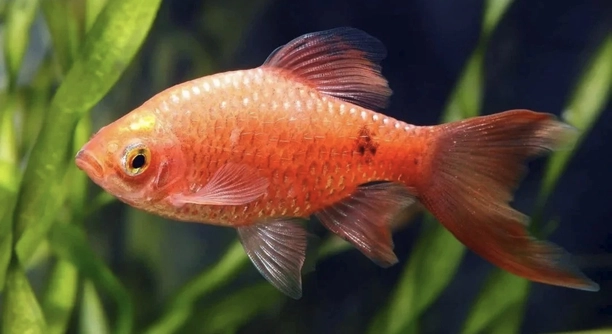
Rosy barbs are popular freshwater fish known for their vibrant colors and active nature. Many aquarium enthusiasts enjoy keeping them for their lively behavior. Understanding their preferences in tank conditions is important for their well-being and comfort.
Rosy barbs generally tolerate moderate filter currents but tend to avoid strong, turbulent flows. Excessive water movement can cause stress and disrupt their natural swimming patterns. Providing a balanced current that mimics their natural habitat promotes healthier and more active fish.
Learning about how filter currents affect rosy barbs helps create a better environment for them. Proper water flow can improve their health and overall tank harmony.
Understanding Rosy Barbs’ Natural Habitat
Rosy barbs originate from rivers and streams in South Asia where water flows steadily but not forcefully. They are used to gentle currents that provide oxygen and help with waste removal without overwhelming their swimming abilities. In an aquarium, replicating these conditions supports their natural behavior. Strong currents can tire them out, making them less active and more prone to stress-related illnesses. A moderate filter flow is best to keep the water clean while allowing rosy barbs to swim comfortably. Observing how they react to water movement can guide adjustments in the tank setup. Positioning the filter outlet to reduce direct strong currents or using plants and decorations to break the flow can create a calmer environment. This balance encourages rosy barbs to explore and interact more naturally, contributing to their health and longevity.
Rosy barbs do best in tanks with controlled, gentle water flow. Avoid placing them in high-current areas.
Providing the right water movement requires understanding both the species’ habits and tank size. Too much flow can force rosy barbs to use extra energy just to maintain position, which isn’t healthy long term. On the other hand, stagnant water leads to poor oxygen levels and buildup of waste, affecting their health. Aquariums with a good balance keep water clear and oxygenated without pushing fish into constant swimming against strong currents. You can also create spots of still water with decorations, so they can rest. Filters with adjustable flow rates or adding diffusers help manage this. Monitoring the fish regularly helps ensure they are not avoiding areas because of discomfort. Making small changes in water flow can significantly improve their overall activity and stress levels, which is key for a thriving aquarium community.
Signs Rosy Barbs Dislike Strong Currents
When faced with strong currents, rosy barbs may hide more often or crowd into calm areas of the tank. They swim less actively and appear tense or stressed.
Rosy barbs often show discomfort by darting quickly, flaring fins, or losing appetite when currents are too strong. They prefer smooth swimming conditions.
Adjusting Filter Flow for Rosy Barbs
Adjusting filter flow helps maintain a comfortable environment for rosy barbs. Many filters allow easy control of water speed to match their needs.
Start by setting the filter to a low or medium flow rate to avoid creating strong currents. Observe how your rosy barbs respond to the water movement. If they appear stressed or avoid certain areas, reduce the flow further or redirect the current using tank decorations. Some filters come with flow diffusers or spray bars that spread water more evenly, creating gentler currents. Positioning plants or driftwood near the filter outlet can also break up the flow, giving the fish spaces to rest. Balancing clean water and gentle movement improves their health and comfort.
Regular adjustments might be necessary as your tank changes. Adding more fish, decorations, or plants can alter water circulation. Stay attentive to how your rosy barbs behave and adjust the filter accordingly. This ensures they swim freely without wasting energy fighting currents, promoting a lively and healthy tank.
Benefits of Moderate Currents for Rosy Barbs
Moderate currents help oxygenate the water, supporting rosy barbs’ respiration and overall health. They also prevent waste buildup in the tank.
Proper water circulation helps distribute oxygen evenly throughout the aquarium, which is crucial for fish health. Without sufficient movement, oxygen levels drop, causing lethargy and poor immune function. Moderate currents aid in moving food particles and waste toward the filter, keeping the environment clean. This reduces harmful ammonia and nitrate buildup, which can be dangerous for rosy barbs. Additionally, flowing water simulates their natural habitat, encouraging natural behaviors such as schooling and exploring. A well-balanced current keeps the tank healthier and the fish more active, improving their lifespan and appearance.
Common Mistakes with Filter Currents
Many tank owners set their filters on the highest setting, thinking stronger flow means cleaner water. This can overwhelm rosy barbs, causing stress and hiding behavior.
Ignoring how fish react to water flow often leads to problems. High currents can exhaust rosy barbs and reduce their appetite, harming their health.
How to Create Gentle Currents
Using flow diffusers, spray bars, or adjusting filter outlets can help create softer water movement. Positioning plants and decorations near flow sources also breaks the current into calmer patches.
Tank Setup Tips for Rosy Barbs
Choose moderate-sized tanks with plenty of plants and hiding spots. These reduce the effect of strong currents and give rosy barbs space to rest and swim comfortably.
Monitoring Fish Behavior
Regular observation helps catch signs of stress from strong currents early. Active and calm swimming usually indicates a well-balanced environment.
FAQ
Do rosy barbs need a strong filter current?
Rosy barbs do not need strong filter currents. They prefer gentle to moderate water flow that mimics their natural environment. Strong currents can stress them and make swimming difficult. It’s better to keep the flow calm so they can swim freely and comfortably without struggling against the water.
How can I tell if the filter current is too strong?
If your rosy barbs are constantly hiding, staying at the bottom, or crowding areas with less water movement, the current might be too strong. You may also notice them having trouble swimming or appearing tired. These signs mean you should lower the flow or redirect it to create calmer areas.
What type of filter is best for rosy barbs?
Canister filters and sponge filters are good options. Canister filters usually have adjustable flow settings, allowing control over water speed. Sponge filters provide gentle water movement and good biological filtration, which is ideal for rosy barbs. Make sure the filter suits the tank size and provides clean, well-oxygenated water without strong currents.
Can decorations help manage water flow?
Yes, decorations such as plants, rocks, and driftwood can break up strong currents by blocking or redirecting water flow. This creates calmer pockets where rosy barbs can rest. Using these strategically near filter outlets softens the water movement and improves the fish’s comfort.
Is it okay to turn off the filter sometimes?
It’s not recommended to turn off the filter for long periods. Filters keep the water clean and oxygenated. However, if you need to temporarily reduce flow, turning it off briefly is fine, but always ensure it’s running most of the time to maintain a healthy environment for rosy barbs.
Do rosy barbs prefer still water?
Rosy barbs do not prefer completely still water. They need some water movement to stay healthy, as it helps oxygenate the tank and remove waste. However, the flow should be gentle to moderate, not strong or turbulent, which can cause stress and injury.
How often should I adjust the filter flow?
Adjust the filter flow as needed, especially when you add new decorations, plants, or fish that may change the tank’s water circulation. Regularly observe your rosy barbs’ behavior and make small adjustments to keep water flow comfortable for them.
What happens if rosy barbs swim constantly against a strong current?
Constant swimming against strong currents can tire rosy barbs and weaken their immune systems. This extra effort wastes energy that should be used for growth and immune defense, making them more vulnerable to illness.
Are there plants that help reduce filter current strength?
Yes, plants like Java fern, Anubias, and Amazon sword have broad leaves that can slow down water flow. Adding these near filter outlets can soften the current, creating peaceful swimming areas for rosy barbs.
Can a filter flow cause aggression among rosy barbs?
Strong water flow itself doesn’t cause aggression, but stress from uncomfortable currents can increase aggressive behavior. When stressed, rosy barbs may nip fins or chase each other more often. Keeping flow moderate reduces stress and helps maintain peaceful behavior.
Should I use a spray bar or directional outlet for my filter?
A spray bar or directional outlet is useful for spreading water flow evenly and reducing strong currents. Positioning them to avoid direct streams toward swimming areas helps create a calmer environment for rosy barbs.
What is the ideal tank size to control water flow for rosy barbs?
A tank of at least 30 gallons allows for better water flow control and enough space for decorations that break currents. Larger tanks also give rosy barbs more room to swim freely and find areas with comfortable flow.
Can rosy barbs live without a filter?
While they might survive briefly in unfiltered water, long-term health requires filtration. Filters keep water clean and oxygenated, which is essential. Without a filter, waste builds up quickly, leading to poor water quality and unhealthy fish.
How can I reduce filter noise and strong output?
Adding a pre-filter sponge or adjusting the flow valve can reduce noise and soften output. Using spray bars or redirecting the outlet behind decorations also lowers the force of the water stream, making the tank quieter and calmer.
Does water flow affect rosy barbs’ breeding behavior?
Yes, breeding rosy barbs prefer gentle water movement similar to their natural spawning sites. Strong currents can disrupt spawning and make eggs difficult to protect. Moderate flow encourages natural breeding behavior and better survival of fry.
Can other fish tolerate the same flow as rosy barbs?
Many community fish enjoy similar moderate flow, but some species prefer either very calm or strong currents. When mixing species, choose fish with compatible water flow needs to maintain harmony and reduce stress for all tank inhabitants.
Finding the right balance of filter current for rosy barbs is important for their health and happiness. These fish do best in tanks where water moves gently, similar to their natural river and stream habitats. Too strong a current can cause stress and tire them out, while too little movement can reduce oxygen levels and cause waste buildup. Keeping the flow moderate allows rosy barbs to swim comfortably and stay active without using too much energy. It also helps keep the tank clean and oxygen-rich, which benefits all the fish and plants living there.
When setting up a tank for rosy barbs, it’s helpful to watch how they behave around the filter flow. If they avoid certain spots or seem to struggle swimming, adjusting the flow or using decorations to soften currents can make a big difference. Plants, rocks, and driftwood placed near the filter outlet help break up strong water movement, creating calm areas where the fish can rest. Filters with adjustable flow rates or spray bars are useful tools to create the best water movement for rosy barbs. Making these small changes can improve their comfort and reduce stress, which supports their overall health and longevity.
Overall, a moderate, well-managed filter current is key to providing a good environment for rosy barbs. It encourages natural swimming and breathing patterns, keeps the tank clean, and helps prevent common problems caused by stress. Paying attention to how the fish react and adjusting the filter accordingly will create a healthier, more enjoyable aquarium. Taking time to find the right water flow shows care for the fish and leads to a more vibrant and active tank community. This balance contributes to the success of keeping rosy barbs as lively and colorful additions to any freshwater aquarium.

Hello,
If you enjoy the content that we create, please consider saying a "Thank You!" by leaving a tip.
Every little bit helps us continue crafting quality advice that supports the health, happiness, and well-being of pets around the world, for pets of all shapes, sizes, and species.
We really appreciate the kindness and support that you show us!