
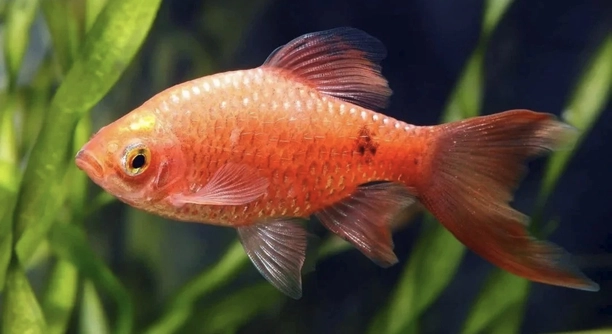
Rosy barbs are popular freshwater fish known for their vibrant colors and active behavior. Many aquarists wonder whether these fish thrive better in a busy, lively tank or a calm, peaceful environment. Understanding their preferences can help create a healthier habitat.
Rosy barbs generally prefer a moderately active tank with plenty of swimming space and some activity, rather than an overly crowded or completely calm aquarium. A balanced environment supports their natural schooling behavior and reduces stress.
Knowing the right tank atmosphere can improve your rosy barbs’ health and happiness. This article will help you find the best setup to keep them comfortable and thriving.
Understanding Rosy Barbs’ Natural Behavior
Rosy barbs are schooling fish that enjoy swimming actively in groups. In the wild, they live in rivers and streams with moderate currents, which means they are used to a certain level of movement around them. A tank that mimics this environment with enough space for swimming encourages their natural behavior. Too little activity in the tank can make them sluggish or stressed. On the other hand, an overcrowded tank causes competition for space and can lead to aggression or poor health. Rosy barbs also prefer having hiding spots like plants or decorations to feel secure without being overwhelmed by too much noise or chaos. Balancing activity and calm helps them feel safe and healthy.
A tank with moderate movement and enough room for schooling will keep rosy barbs active and less prone to stress.
Creating the right environment means considering tank size, number of fish, and decorations. A 30-gallon tank or larger is ideal for a small group of rosy barbs. Make sure to provide some open swimming space and plants for shelter. Avoid placing too many fish together, which can cause tension. Regular water changes and a gentle filter also maintain clean, calm water. Watching their behavior will help you adjust the tank setup as needed. If they swim confidently in groups and show bright colors, the tank environment is working well for them.
Effects of a Busy Versus Calm Tank
A busy tank with lots of fish and decorations may increase activity but can also raise stress levels in rosy barbs. They need room to swim without feeling crowded or chased by other fish. Too much constant movement can tire them out or cause aggression. In contrast, a calm tank offers less stimulation, which might reduce their activity and cause boredom or lethargy. Rosy barbs are best suited for a tank that finds a middle ground between these extremes.
Balancing tank activity means avoiding both overcrowding and under-stimulation to maintain rosy barbs’ wellbeing.
Finding this balance involves observing your fish daily. If they hide too often or act aggressive, the tank may be too busy. If they seem inactive or pale, the tank could be too calm. Adjust fish numbers, rearrange decorations, or add gentle water flow to find the ideal setup. Maintaining this balance supports healthy behavior and vibrant colors. Keep the tank environment consistent and stable to reduce stress. By carefully managing tank conditions, you create a space where rosy barbs feel comfortable, active, and healthy over the long term.
Ideal Tank Size and Setup
A tank of at least 30 gallons is necessary for a small group of rosy barbs. This size provides enough swimming space to support their active nature. Larger tanks are always better to reduce stress and allow for natural schooling behavior.
In addition to tank size, the setup matters a lot. Use a mix of open areas and plants to give rosy barbs room to swim and spots to hide. Plants like java fern and hornwort work well. Avoid overcrowding with too many fish or decorations, which can make the tank feel cramped and stressful. A gentle water flow mimics their natural environment and keeps the water oxygenated without overwhelming them.
Regular maintenance, including water changes and filter cleaning, is essential for keeping the tank environment healthy. Clean water reduces stress and prevents illness. Using a filter that does not create strong currents helps keep the water calm but active enough for the fish. Consistent lighting with a day-night cycle also supports their well-being.
Monitoring Rosy Barbs’ Behavior
Watch your rosy barbs closely to understand how they respond to their environment. Active swimming in groups and bright colors indicate they are comfortable. Any signs of hiding, aggression, or dull colors may mean adjustments are needed.
Changes in behavior can also signal health problems. For example, lethargy or loss of appetite might suggest water quality issues or stress. Checking water parameters regularly ensures the tank remains a healthy place. Temperature should stay between 64 and 72°F (18-22°C), and pH between 6.5 and 7.5. Stable conditions reduce stress and support a lively tank.
Behavioral changes may also result from new tankmates or sudden rearrangements. Introducing fish slowly and keeping a consistent setup helps minimize stress. If aggression appears, consider reducing the number of fish or increasing hiding spots. Understanding their social needs and environment keeps rosy barbs healthy and thriving in your tank.
Tank Mates for Rosy Barbs
Choosing tank mates that match rosy barbs’ energy levels is important. Calm, peaceful fish work best to avoid conflicts. Avoid very aggressive or slow-moving species that could stress or be bullied by rosy barbs.
Rosy barbs do well with other active fish like danios or barbs. Keeping the group size balanced helps maintain harmony.
Feeding and Activity
Rosy barbs are not picky eaters and accept a variety of foods, including flakes, pellets, and live or frozen treats. Feeding them twice daily in small amounts supports their energy needs without polluting the tank.
A balanced diet helps keep rosy barbs active and vibrant, encouraging natural swimming behavior and social interaction within the group.
Signs of Stress
Stress in rosy barbs shows through faded colors, hiding, or erratic swimming. These signs mean their environment may need adjusting.
Addressing stress early improves their health and well-being.
FAQ
How many rosy barbs should I keep in one tank?
Rosy barbs are schooling fish and feel safest in groups of at least five. Keeping fewer can cause stress or shy behavior. A group of five to eight rosy barbs in a 30-gallon tank offers enough social interaction and swimming space. More fish require a larger tank to prevent overcrowding.
Can rosy barbs live with slow-moving fish?
Slow-moving fish are not ideal tank mates for rosy barbs. Rosy barbs are active swimmers and may outcompete slower fish for food or chase them. It’s better to choose fish with similar activity levels, such as danios or other barbs, to avoid stress or aggression.
Do rosy barbs need special water conditions?
Rosy barbs thrive in water with a temperature between 64 and 72°F (18-22°C) and a pH of 6.5 to 7.5. They prefer moderately hard water but can adapt to a range of conditions. Stability is key, so avoid sudden changes in water parameters to reduce stress.
How often should I feed rosy barbs?
Feed rosy barbs small amounts two times a day. Overfeeding can lead to poor water quality and health issues. Offer a balanced diet with flakes, pellets, and occasional live or frozen foods like brine shrimp or bloodworms to keep them healthy and active.
What causes rosy barbs to become aggressive?
Aggression in rosy barbs often results from overcrowding or lack of hiding places. They need enough space to swim freely and spots to retreat when stressed. Introducing too many fish at once or mixing them with aggressive species can also increase fighting.
How can I tell if my rosy barbs are stressed?
Signs of stress include faded colors, hiding, erratic swimming, or loss of appetite. Poor water quality, improper tank mates, or inadequate space often cause stress. Regular tank maintenance and monitoring behavior helps catch problems early.
Is a busy tank better than a calm one for rosy barbs?
A balanced tank with moderate activity is best. Too much crowding creates stress, while a very calm tank may leave them inactive and bored. Providing enough space, gentle water flow, and suitable tank mates supports their natural behavior.
Do rosy barbs need plants in their tank?
Yes, plants offer shelter and reduce stress by giving rosy barbs places to hide. Live or artificial plants create a more natural environment, helping them feel secure without overcrowding the tank. Choose hardy plants that tolerate their swimming habits.
How often should I clean the tank?
Perform partial water changes of about 20-30% weekly to maintain water quality. Cleaning the filter and removing uneaten food or debris prevents harmful buildup. A clean tank reduces stress and helps keep rosy barbs healthy.
Can rosy barbs tolerate changes in tank setup?
Sudden changes can stress rosy barbs. Rearranging decorations or introducing new fish should be done slowly. Giving them time to adjust to changes supports their well-being and reduces aggressive or shy behavior.
What are common diseases in rosy barbs?
Rosy barbs may suffer from ich, fin rot, or swim bladder issues. Poor water quality or stress often triggers illness. Early signs include white spots, frayed fins, or difficulty swimming. Quarantining new fish and maintaining clean water helps prevent disease.
Should I use a heater in a rosy barb tank?
Rosy barbs prefer cooler temperatures but can tolerate a heater if the room temperature drops below 64°F (18°C). Keep the temperature stable to avoid stress. A heater with an adjustable thermostat helps maintain consistent conditions.
Is it necessary to add a water conditioner?
Yes, using a water conditioner removes chlorine and harmful chemicals from tap water. It makes the water safe for rosy barbs. Always treat new water before adding it to the tank during water changes.
How long do rosy barbs live?
With proper care, rosy barbs live around 5 to 7 years. Good water quality, balanced diet, and a stress-free environment support their lifespan. Regular monitoring and tank maintenance improve their chances of a long, healthy life.
Can rosy barbs jump out of the tank?
Yes, rosy barbs are known to jump occasionally. A secure lid or cover prevents escape and protects them from injury. Make sure the lid allows for proper ventilation while keeping fish safely inside.
What is the best lighting for rosy barbs?
Moderate lighting with a regular day-night cycle supports rosy barbs’ health and coloration. Avoid harsh or overly bright lights, which can stress them. Using a timer helps maintain consistent lighting hours.
How do I introduce new fish to a rosy barb tank?
Introduce new fish slowly by quarantining them first to prevent disease. Add them to the tank during low activity times and monitor interactions closely. Rearranging decorations before adding new fish can help reduce territorial behavior.
What is the best way to breed rosy barbs?
Rosy barbs breed in tanks with plenty of plants or spawning mops for egg laying. Slightly warmer water and a nutritious diet encourage spawning. Remove adults after eggs are laid to prevent them from eating the fry.
Are rosy barbs suitable for beginners?
Yes, rosy barbs are hardy and adaptable, making them suitable for beginners. Their active behavior and ease of care help new aquarists learn about fishkeeping basics while enjoying colorful, lively fish.
Rosy barbs are lively fish that benefit from a well-balanced tank environment. They need enough space to swim freely and interact with others of their kind. A tank that is too crowded or too quiet can cause stress and affect their health. Finding the right balance between activity and calmness helps keep rosy barbs happy and healthy. Providing moderate water flow, enough swimming room, and some places to hide creates a comfortable setting. This balance supports their natural behaviors, such as schooling and exploring their surroundings.
Maintaining good water quality is also very important for rosy barbs. Regular water changes and a gentle filter help keep the water clean and stable. Monitoring water temperature and pH ensures conditions stay within a safe range for these fish. Stress from sudden changes or poor water conditions can lead to illness or dull colors. Observing your fish regularly helps you notice early signs of stress or disease, so you can make adjustments quickly. Feeding a balanced diet twice daily supports their energy levels and vibrant colors.
Overall, understanding what rosy barbs need in their environment allows you to create a tank that suits their nature. Keeping the tank size appropriate, managing the number of fish, and choosing compatible tank mates are all important. A calm but not stagnant atmosphere helps maintain their activity without overwhelming them. This care and attention will help rosy barbs live longer and enjoy their home. By paying attention to their behavior and environment, you can provide a safe, healthy space where rosy barbs thrive.

Hello,
If you enjoy the content that we create, please consider saying a "Thank You!" by leaving a tip.
Every little bit helps us continue crafting quality advice that supports the health, happiness, and well-being of pets around the world, for pets of all shapes, sizes, and species.
We really appreciate the kindness and support that you show us!