
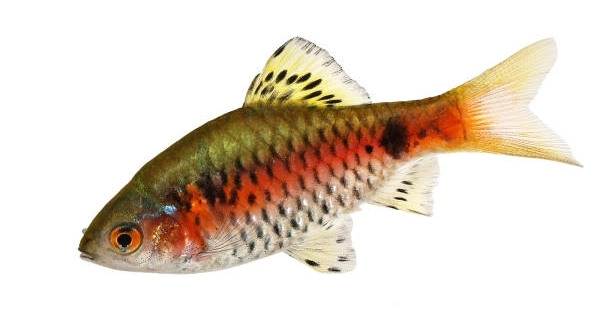
Have you ever watched your Rosy Barbs swim to the front of the tank as soon as you approach with their food?
Rosy Barbs can recognize feeding times through environmental cues and routine. With consistent schedules, they associate your presence, lighting changes, or even sounds with being fed, demonstrating learned behavior based on repetition.
Learning how fish respond to their feeding schedule can help you create a more enriching and healthy environment for your Rosy Barbs.
How Rosy Barbs Learn Feeding Time
Rosy Barbs are smart, active fish that quickly pick up on patterns. If you feed them at the same time each day, they begin to notice clues like the sound of footsteps, movement near the tank, or even changes in room lighting. These cues signal that food is coming, so they swim excitedly to the front. This behavior is not instinctive—it’s learned through repetition and association. Over time, the fish recognize your routine and link specific events with feeding. This kind of response is common in many aquarium fish, and it shows just how observant Rosy Barbs can be. They might even start to react before you reach for the food container. Keeping a predictable schedule is one of the best ways to help your fish feel secure and active in their tank. It also reduces stress, which is key to maintaining their overall health and bright coloring.
Your presence, routine, and timing all play a role in how Rosy Barbs respond at mealtime.
By observing their reactions, you can see how consistent feeding supports a more natural rhythm. It becomes a part of their daily routine and adds structure to their environment. This makes your care more effective and your fish more responsive.
What Influences Their Behavior
Rosy Barbs react not only to feeding time but also to patterns in their environment.
Fish are more aware of their surroundings than people often assume. In a well-maintained tank, Rosy Barbs become familiar with every detail—from the movement of shadows to the sounds of nearby activity. Over time, they build associations between these elements and regular events like feeding. For example, if lights come on just before feeding, they begin to expect food whenever the lights switch on. Similarly, footsteps or the sound of the food lid clicking may prompt them to gather near the glass. These associations are a result of simple learning. It’s important to avoid erratic feeding times, as inconsistency can confuse the fish or disrupt their feeding habits. Offering food at the same time each day creates predictability, which helps reduce stress and builds trust. If your fish seem unusually eager or anxious, it might be time to look at your routine and adjust any parts that feel rushed or scattered.
Signs Your Rosy Barbs Know It’s Feeding Time
Rosy Barbs often swim to the front of the tank or gather near the surface when they expect food. Their movements become more active, and they may chase each other or hover near spots where food is usually dropped.
They might even show signs minutes before you feed them. When your daily routine becomes predictable, Rosy Barbs will respond early—especially to sounds like a food container being opened or footsteps approaching. If they seem more excited at certain times, it’s likely tied to your habits. This behavior shows their ability to connect repeated cues with rewards. Unlike random swimming, their movement during feeding times is more focused and fast. Some Rosy Barbs may even jump slightly or nip the surface in anticipation. These actions are completely normal and show awareness. Noticing these patterns helps you understand how well your fish are adapting to their schedule.
Their memory and routine make them sensitive to changes. If you’re late feeding them, you may see increased swimming or glass tapping. These behaviors come from learned timing, and any disruptions may cause mild confusion or restlessness. Maintaining a consistent rhythm helps them stay calm. This level of engagement means they feel safe and stimulated.
What Happens If You Change Their Feeding Time
Changes in feeding time can confuse Rosy Barbs. They might appear restless or swim erratically when the usual pattern shifts. This is because they grow accustomed to specific signals that predict feeding, and without them, they become uncertain.
If the schedule changes often, it may disrupt their behavior over time. Rosy Barbs rely on timing to regulate their energy and activity levels, so feeding late or early can leave them feeling unsettled. This may lead to overactivity or reduced interest in food. Sticking to a steady time keeps their habits balanced. If you need to change the schedule, try adjusting it gradually—shifting by small increments instead of all at once. That way, the fish can learn the new cues without becoming stressed. Small changes are easier for them to adapt to, especially if other parts of the routine—like lighting or movement—stay consistent. With steady care, they’ll respond well.
How Routine Helps Reduce Stress
A regular feeding time gives Rosy Barbs a sense of structure. When they know when to expect food, they stay more relaxed and alert. Sudden changes or random schedules can make them uneasy and less responsive to feeding.
Predictability also supports their digestion and overall health. Fish that are fed on a consistent schedule tend to eat better and show fewer signs of stress. Calm, steady behavior is often a sign of a stable tank environment, and feeding plays a key role in keeping things balanced for your Rosy Barbs.
How Long It Takes Them to Learn
Most Rosy Barbs start recognizing feeding cues within a few days to a week if the schedule is consistent. Their reactions become more predictable with each feeding. Repeating the same steps—like feeding at the same time and using similar movements—helps them connect those actions to food. Simple routines are easier for them to follow. Once established, they can stick to this pattern for weeks or longer. Even brief delays in your routine can prompt a response, showing how well they’ve memorized your habits. Their learning depends on regularity, so avoid skipping days or feeding at random times.
Why Observation Matters
Watching your Rosy Barbs closely helps you notice small changes in behavior. These details can tell you how well they’re adapting to your routine and if adjustments are needed.
How do Rosy Barbs recognize feeding time?
Rosy Barbs learn to associate certain cues with feeding. These cues can include your approach to the tank, specific sounds like the lid opening, or changes in lighting. They connect these signals to the arrival of food through repetition. Over time, they respond eagerly when these cues happen, even before the food appears.
Can Rosy Barbs sense when food is coming from a distance?
Yes, they can. Rosy Barbs have good vision and are sensitive to movement. They often notice activity around the tank well before food is given. This early awareness helps them prepare for feeding by swimming to the front or near the surface. Their reaction depends on how familiar they are with the feeding routine.
Do Rosy Barbs react differently to various types of food?
They do. Rosy Barbs may show more excitement for their favorite foods, such as live or frozen options. Flake or pellet foods are accepted but sometimes less eagerly. When you offer different types, their behavior can change depending on preference and hunger levels. Offering variety can keep them interested and healthy.
What happens if feeding time is inconsistent?
Inconsistency can confuse Rosy Barbs and increase their stress. They rely on routine to feel secure. When feeding times vary widely, they may become restless or less responsive. This can affect their appetite and overall well-being. A steady schedule helps them maintain good health and behavior.
How many times a day should I feed my Rosy Barbs?
Feeding them once or twice daily is enough. Overfeeding can cause health problems and dirty the tank. Small, measured portions are best, allowing the fish to eat within a few minutes. Removing leftover food prevents water quality issues and keeps the fish healthy.
Is it normal for Rosy Barbs to get excited before feeding?
Yes, this is normal and a sign they’ve learned the feeding routine. Excitement may show as swimming quickly, gathering near the front, or nibbling at the surface. It means they associate your actions with food and feel secure in their environment.
Can Rosy Barbs become stressed if I’m late feeding them?
They can show mild stress if feeding is delayed. This might include increased activity or restlessness. However, they are generally adaptable if the delay is occasional. Regular feeding times reduce stress and promote calm behavior.
How long does it take for Rosy Barbs to adjust to a new feeding schedule?
It usually takes a few days to a week. Gradual changes help the fish adapt better. Sudden shifts in feeding times can cause confusion or stress. Maintaining other routine elements, like lighting, during changes makes adjustment easier.
What are some signs that Rosy Barbs are not eating well?
Signs include lack of interest in food, hiding, sluggish movement, or weight loss. Poor water quality can also affect appetite. If these occur, check your feeding routine and tank conditions. Addressing problems quickly helps keep Rosy Barbs healthy.
Can Rosy Barbs recognize individual feeders?
They often learn to recognize the person who feeds them regularly. This recognition comes from repeated interactions and routine. Fish may swim to the side of the tank where their regular feeder approaches, showing a level of trust and familiarity.
How important is lighting in feeding behavior?
Lighting plays a big role. Rosy Barbs use changes in light to anticipate feeding. Turning on the tank lights or natural daylight can act as a cue. Consistent lighting schedules help reinforce feeding routines and reduce stress.
Should I use the same feeding spot each time?
Using the same spot helps Rosy Barbs learn where food will appear. It adds to the routine and predictability they rely on. Changing feeding locations often may confuse the fish and disrupt their behavior.
Do Rosy Barbs show signs of hunger between feedings?
They can. Increased activity or more frequent visits to the front of the tank are common signs. However, these behaviors are best understood in context with the feeding schedule to avoid overfeeding.
Can I train Rosy Barbs to respond to a whistle or signal?
With patience, yes. Rosy Barbs can associate simple signals with feeding. Repeated pairing of a whistle or light flash with food encourages this behavior. It takes time but shows their capacity to learn beyond basic cues.
How can I prevent Rosy Barbs from begging for food all day?
Stick to regular feeding times and avoid giving extra snacks. Overfeeding encourages constant begging and unhealthy habits. A firm routine helps fish understand when to expect food, reducing unnecessary behavior.
Rosy Barbs are attentive fish that quickly learn to recognize their feeding routine. Their ability to associate certain cues like sounds, movements, or changes in lighting with feeding time shows how smart they can be. Keeping a regular schedule helps these fish feel secure and active. When they know when to expect food, they tend to be calmer and healthier. This kind of routine also reduces stress, which is important for their overall well-being. Being consistent with feeding times and methods creates a better environment for Rosy Barbs to thrive in.
It’s important to remember that Rosy Barbs respond best when their feeding schedule is steady and predictable. Changing feeding times too often or feeding randomly can confuse them and make them restless. When you stick to the same time each day and use familiar signals, like opening the food container or turning on the tank light, your fish will connect these cues with mealtime. This learned behavior shows their adaptability but also how much they rely on routine to feel safe. If adjustments to feeding times are necessary, making gradual changes helps the fish adapt without stress.
Observing your Rosy Barbs during feeding times provides insight into their health and comfort level. Their eagerness or calmness at feeding can tell you if they are comfortable with the routine and the environment. When fish swim actively toward food or gather near the surface, it’s a sign they are engaged and well cared for. If they seem restless or uninterested, it might mean the feeding routine or tank conditions need attention. Paying close attention to these behaviors will help you maintain a balanced and healthy aquarium for your Rosy Barbs.

Hello,
If you enjoy the content that we create, please consider saying a "Thank You!" by leaving a tip.
Every little bit helps us continue crafting quality advice that supports the health, happiness, and well-being of pets around the world, for pets of all shapes, sizes, and species.
We really appreciate the kindness and support that you show us!