
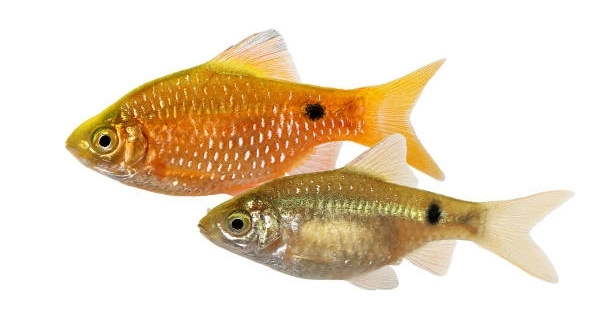
Rosy Barbs are popular freshwater fish known for their bright colors and active behavior. Many fishkeepers enjoy watching their lively swimming patterns and interactions in home aquariums. Understanding their reactions to sudden movement can help create a comfortable environment for them.
Rosy Barbs are indeed startled by sudden movements near their tank. This reaction is a natural survival instinct, as abrupt changes can signal potential threats. Sudden movement often causes them to dart away or hide temporarily, reflecting their cautious nature.
Knowing how Rosy Barbs respond helps maintain a peaceful aquarium. Proper handling and calm behavior around their tank support their well-being and reduce stress for these vibrant fish.
Why Rosy Barbs React to Sudden Movement
Rosy Barbs are naturally cautious fish. In the wild, sudden movement could mean danger, so they have evolved to respond quickly to protect themselves. This instinct helps them avoid predators and stay safe. When you move suddenly near their tank, they may perceive it as a threat. This causes them to dart away or hide among plants and decorations. It is their way of staying alert and ready to escape if needed. Keeping this in mind helps explain their quick reactions. It is important to approach their tank calmly to avoid causing unnecessary stress. Sudden movements can disturb their peaceful environment and affect their health over time. Creating a stable and calm atmosphere helps Rosy Barbs feel secure and enjoy their space.
This natural behavior is a form of self-preservation and should be respected for their well-being.
Observing these reactions gives insight into their behavior. Gentle movements around the tank reduce stress, encouraging Rosy Barbs to swim freely and display their bright colors.
How to Minimize Stress for Your Rosy Barbs
Reducing sudden movements near the aquarium is key to keeping Rosy Barbs comfortable. Moving slowly and avoiding quick gestures helps them feel safe.
To create a calm environment, place the tank in a low-traffic area where disturbances are minimal. Frequent loud noises and abrupt motions can add to their stress levels. Consistent lighting and a well-planted tank provide hiding spots that Rosy Barbs use to relax when startled. These natural covers offer security and reduce anxiety. Regular feeding at set times also builds a routine, helping the fish feel more secure. Keeping water conditions stable is equally important since stress weakens their immune system. Using a gentle hand when cleaning or adjusting the tank helps avoid triggering their startle response. Over time, calmer surroundings encourage Rosy Barbs to become more confident and display natural behaviors, making them a joy to watch.
Common Triggers for Startle Responses
Sudden shadows, loud noises, or quick movements near the tank often startle Rosy Barbs. These triggers mimic threats they might face in the wild, causing an instinctive reaction to protect themselves.
Lighting changes, like turning room lights on or off quickly, can alarm Rosy Barbs. They rely on consistent light patterns to feel safe. Sudden movements outside the tank, such as a hand passing quickly, also cause them to dart away. Even vibrations from nearby activity can create stress. Recognizing these triggers helps in managing their environment to reduce startle responses and promote calm behavior.
These fish respond not only to visual stimuli but also to sounds and vibrations. Keeping the environment stable can significantly improve their comfort and reduce frequent stress reactions.
Rosy Barbs benefit from a predictable and quiet environment. Placing the aquarium away from busy areas and minimizing sudden changes in light or noise can help keep them calm and reduce unnecessary stress responses.
Impact of Stress on Rosy Barbs’ Health
Stress from frequent startling can weaken Rosy Barbs’ immune system, making them prone to illness. Chronic stress affects their appetite and energy levels, reducing overall well-being.
When stressed, Rosy Barbs may hide more often and swim less actively. This behavior limits their feeding and social interactions, which are important for their health. Over time, constant stress can lead to weakened resistance to common diseases like fin rot or ich. Maintaining a calm environment and avoiding frequent sudden movements around the tank helps prevent these issues. Monitoring water quality and providing proper nutrition supports their immune system and recovery if stress occurs.
Reducing stress is essential for their longevity. Calm surroundings and gentle handling contribute to a healthier, more active fish that displays its natural beauty.
How Rosy Barbs Communicate Stress
Rosy Barbs show stress through changes in behavior and appearance. They may become less active or hide more often when feeling threatened or unsettled.
Color fading is another common sign. When stressed, their vibrant hues may dull, signaling discomfort or poor health. Watching these signs helps identify when the fish need a calmer environment.
Creating a Safe Space in the Aquarium
Providing plenty of plants and hiding spots allows Rosy Barbs to feel secure. Natural decorations help mimic their environment and offer refuge from stressors.
Ensuring the tank has enough room for swimming and retreat helps reduce conflicts among fish. This balance promotes healthy behavior and lowers stress levels.
Training Rosy Barbs to Reduce Startle Responses
Consistent, gentle interaction can help Rosy Barbs get used to movements near the tank. Over time, they may become less reactive to sudden actions.
Patience is key during this process. Avoiding loud noises and rapid gestures encourages gradual adjustment, making them feel safer in their home.
Monitoring Stress Levels
Regular observation of behavior and appearance is crucial. Early detection of stress signs allows timely changes to the environment.
Keeping track of these signs helps maintain a healthy and comfortable habitat for Rosy Barbs.
FAQ
Do Rosy Barbs always get startled by sudden movement?
Rosy Barbs naturally react to sudden movements as a survival instinct. While they may not always dart away, any unexpected motion near the tank can cause them to become alert or swim quickly to hide. This behavior is more common in new or less acclimated fish.
How can I tell if my Rosy Barbs are stressed from sudden movements?
Signs of stress include hiding more than usual, reduced activity, loss of color brightness, and decreased appetite. Watching for these behaviors can help you know when sudden movements or other factors are affecting them negatively.
Is it harmful if Rosy Barbs get startled frequently?
Yes, repeated stress weakens their immune system, making them more vulnerable to illnesses such as fin rot or infections. It can also reduce their lifespan if not managed properly.
Can Rosy Barbs get used to movement around the tank?
With consistent gentle handling and minimal sudden disturbances, Rosy Barbs can become less reactive over time. Regular calm interaction helps them feel safer and lowers stress responses.
What environmental changes help reduce startle responses?
Placing the aquarium in a quiet area with stable lighting reduces unexpected stimuli. Adding plants and hiding spots offers security. Keeping water conditions stable and feeding on a routine also supports their comfort.
Are some Rosy Barbs more sensitive than others?
Individual fish may vary in their sensitivity. Younger or newly introduced Rosy Barbs tend to be more easily startled. Over time, as they adjust, they often become calmer and less reactive.
Can sudden noise startle Rosy Barbs as much as movement?
Yes, loud noises or vibrations near the tank can startle Rosy Barbs similarly to sudden visual movement. Minimizing noise around the aquarium helps reduce stress.
How quickly do Rosy Barbs recover after being startled?
Recovery time varies. Some fish regain normal behavior within minutes, while others may take longer if the stress is frequent or severe. Providing a calm environment speeds recovery.
Should I avoid touching the tank when Rosy Barbs are active?
It’s best to minimize sudden taps or movements near the glass while they are swimming. Gentle, slow actions are less likely to cause startle responses and help maintain a peaceful environment.
Does tank size affect how easily Rosy Barbs get startled?
Larger tanks with plenty of space and hiding spots help reduce stress by allowing fish to escape perceived threats. Crowded or small tanks can increase stress and startle reactions.
Can I train my Rosy Barbs to be less skittish?
Yes, consistent calm behavior around the tank and regular feeding at set times build trust and reduce skittishness. Patience and gentle interaction encourage more relaxed behavior.
What should I do if my Rosy Barbs are constantly hiding?
Constant hiding is a sign of stress or discomfort. Check for sudden environmental changes, water quality issues, or tank disturbances. Adding plants and hiding places is good, but ensure they feel safe overall.
Are there specific times when Rosy Barbs are more sensitive to movement?
Rosy Barbs may be more reactive during feeding or when resting. Sudden movements during these times can cause stronger startle responses, so extra care around the tank helps.
How important is lighting for Rosy Barbs’ comfort?
Lighting plays a big role. Sudden changes, like switching lights on or off quickly, can startle them. Using a timer for gradual light changes supports a stable routine and reduces stress.
Can other fish in the tank affect how Rosy Barbs react to sudden movements?
Yes, tankmates that are aggressive or overly active can increase overall stress. A peaceful community helps Rosy Barbs feel safer and less reactive.
What role does water quality play in Rosy Barbs’ stress levels?
Poor water quality can increase stress and sensitivity to disturbances. Regular water changes and monitoring parameters are essential to keep fish healthy and calm.
Is it normal for Rosy Barbs to dart away even when no apparent movement occurs?
Sometimes they may react to subtle vibrations or changes not obvious to us. Their sensitivity to the environment means even small disturbances can trigger movement.
How can I create a routine that helps reduce startle responses?
Feeding at the same times daily, maintaining regular lighting schedules, and handling tank maintenance calmly all build a predictable environment. This helps Rosy Barbs feel secure.
Should I consider tank decorations to help calm Rosy Barbs?
Yes, natural decorations like plants and rocks provide hiding spots and visual barriers. These allow Rosy Barbs to feel protected and reduce stress.
Can stress from sudden movement affect Rosy Barbs’ breeding behavior?
High stress levels may reduce breeding interest and success. A calm environment free from frequent disturbances encourages healthier reproductive behavior.
Are there signs that indicate severe stress in Rosy Barbs?
Severe stress may show as constant hiding, rapid breathing, loss of appetite, and faded colors. Immediate steps to reduce stress and improve conditions are necessary.
How often should I check for signs of stress related to sudden movement?
Daily observation helps catch early signs. Early intervention improves their health and prevents long-term problems.
Can sudden movement cause injury to Rosy Barbs?
While they rarely get physically hurt, rapid darting can sometimes lead to collisions with tank walls or decorations, risking injury.
Does feeding Rosy Barbs help reduce their reaction to sudden movements?
Feeding provides comfort and builds routine. Fish may associate calm times near the tank with positive experiences, reducing startle reactions.
How does acclimation affect their response to sudden movement?
Newly introduced Rosy Barbs are more sensitive. Giving them time to settle in a quiet and stable environment lowers their stress responses over days or weeks.
Can lighting color or intensity influence startle responses?
Bright or harsh lighting may increase sensitivity. Using softer, natural light settings helps Rosy Barbs feel more at ease.
Is it better to observe Rosy Barbs from a distance or close up?
Observing from a slight distance reduces the chance of startling them. Approaching slowly allows them to stay relaxed and behave naturally.
Rosy Barbs are naturally sensitive to sudden movement around their environment. This reaction is an instinct meant to protect them from potential dangers. Understanding this behavior is important for anyone who keeps these fish in an aquarium. When they are startled, Rosy Barbs often swim quickly or hide to avoid what they perceive as threats. These reactions are normal and part of their survival strategy. However, frequent or intense stress from sudden movements can have negative effects on their health. By recognizing their natural responses, fishkeepers can create a better living space that supports their well-being and reduces unnecessary stress.
Maintaining a calm and stable environment is key to helping Rosy Barbs feel safe and comfortable. Avoiding quick or abrupt motions near the tank prevents startling them and lowers their stress levels. Providing plenty of plants and hiding spots also gives these fish places to retreat when they feel uneasy. A peaceful atmosphere allows them to display natural behaviors and vibrant colors. Keeping water quality stable, following a consistent feeding schedule, and minimizing loud noises further support their health. When fishkeepers respect these needs, Rosy Barbs can thrive and live longer, healthier lives in home aquariums.
Patience and observation are important for ensuring Rosy Barbs adapt well to their surroundings. It may take time for them to become less reactive to movements near the tank. Watching for signs of stress, such as hiding, loss of color, or reduced activity, helps catch problems early. Making adjustments to the environment or routine can improve their comfort and reduce stress. Ultimately, understanding how sudden movement affects Rosy Barbs encourages responsible care. This knowledge helps create an aquarium where these lively fish can feel secure and flourish over time.

Hello,
If you enjoy the content that we create, please consider saying a "Thank You!" by leaving a tip.
Every little bit helps us continue crafting quality advice that supports the health, happiness, and well-being of pets around the world, for pets of all shapes, sizes, and species.
We really appreciate the kindness and support that you show us!