
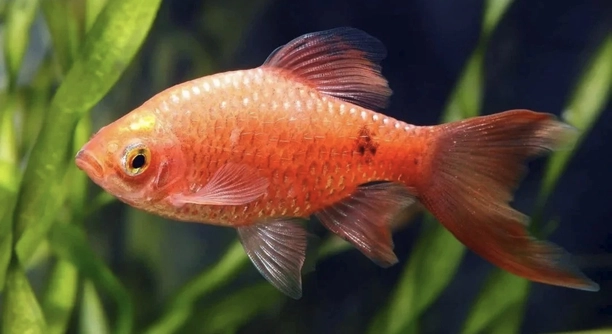
Do your rosy barbs sometimes seem less active, swimming in repetitive patterns or lingering near the same spot in the tank?
Rosy barbs can experience boredom when kept in unstimulating environments. A lack of enrichment may lead to stress, repetitive behavior, and reduced activity levels, which can affect their overall health and well-being in the long term.
From interactive décor to new feeding methods, simple changes can make a noticeable difference in your fish’s daily routine.
Why Enrichment Matters for Rosy Barbs
Rosy barbs are active fish that enjoy exploring and interacting with their surroundings. Without enough stimulation, they can become dull, stressed, or even aggressive. In community tanks, bored rosy barbs may nip at the fins of slower fish or chase others just for something to do. Enrichment helps prevent this by keeping their minds and bodies engaged. A varied tank environment encourages natural behaviors like schooling, foraging, and darting through spaces. These activities aren’t just entertaining to watch—they also improve the fish’s overall health. A mentally stimulated fish is more likely to eat well, stay active, and maintain a bright color. Enrichment also helps reduce the chances of illness by lowering stress levels. Rosy barbs may not need toys like cats or dogs, but they do benefit from a thoughtfully arranged tank. Something as simple as a new plant or a different feeding method can make a noticeable difference.
Enrichment also supports the social behavior rosy barbs are known for. When they’re engaged, they interact more positively with tank mates.
It doesn’t take a complicated setup to keep your rosy barbs happy. Small changes like rearranging decorations or adding new textures can make the tank feel fresh and interesting.
7 Ways to Enrich a Rosy Barb Tank
Start by making sure your tank is large enough. Rosy barbs are energetic swimmers and need plenty of horizontal space.
Add a mix of live and artificial plants to create hiding spots and pathways. Choose hardy live plants like Java fern or Anubias that can tolerate moderate nibbling. Use rocks or driftwood to break up open spaces and offer shelter. Keep the layout dynamic by rearranging things occasionally. This keeps the fish from getting used to just one setup. Change doesn’t need to be constant, but small shifts every couple of weeks can help. Floating plants also provide shade and a new level to explore. Next, introduce variety in their diet. Try offering food in different spots or using a feeding ring. You can also use sinking pellets and floating flakes to create movement. Some aquarists use veggie clips with blanched spinach or zucchini to let the fish forage naturally. Lastly, provide a gentle water flow. Rosy barbs enjoy swimming against currents, and it helps them stay active.
Creating Natural Exploration Zones
Use plants, rocks, and driftwood to create sections in the tank that your rosy barbs can swim through or hide behind. This helps them feel secure while also encouraging movement and exploration. Keep some open swimming space available too.
When setting up these zones, arrange the objects in a way that gives the fish multiple paths to swim. Think of it like a small underwater maze. Avoid blocking too much of the tank, but don’t leave it too bare either. Rosy barbs like to dart in and out of plants and around obstacles, especially in groups. Add taller plants to the back and keep shorter ones near the front so they feel less boxed in. If you’re using live plants, make sure they are safe for fish and easy to care for. Creating variety in textures and colors also keeps the tank from feeling too repetitive or flat.
You can change the layout every few weeks to keep things interesting. Rosy barbs react well to slight changes and will often spend more time exploring when new areas appear. Even something small like shifting a piece of wood or moving a plant can spark their curiosity. Just be sure changes don’t stress other tank mates.
Engaging Feeding Methods
Switching up how you feed them can make a big difference. Try feeding small amounts in different areas of the tank or at slightly different times. This encourages natural foraging and keeps them active throughout the day.
You can also use feeding tools like veggie clips, floating rings, or even slow-sinking pellets that drift through the tank. These methods give the fish more to do than just swimming up and eating quickly. Offer vegetables like blanched zucchini or spinach once or twice a week. Use them as a treat rather than a main food source. Rosy barbs enjoy nibbling, and giving them something to graze on helps mimic how they would feed in the wild. Some people also use frozen or live foods like daphnia or brine shrimp to spark interest. This not only adds nutrition but also stimulates their hunting instincts. Feed in small portions to avoid polluting the tank.
Rotating Decorations Occasionally
Changing out tank decorations every few weeks can keep your rosy barbs more alert and interested. Even simple changes like moving a plant or swapping one ornament for another can make the space feel new.
Avoid making big changes all at once, especially if your fish seem stressed. Gradual updates work best and allow the fish to adjust comfortably while still keeping their environment engaging.
Giving Them Proper Group Size
Rosy barbs are schooling fish and do best when kept in groups of at least five. Keeping them in smaller numbers can lead to boredom or aggression. In groups, they interact more naturally, swim actively, and feel more secure. A well-sized group helps reduce stress and supports healthy social behavior. Watching them chase and swim together is not only entertaining, but also a sign they’re thriving. If possible, keep an even mix of males and females to reduce tension. A spacious tank is also important when keeping a larger group, so everyone has room to move freely without crowding each other.
Avoiding Overcrowding
Too many fish in one tank can lead to stress, reduced activity, and poor water quality. Make sure your rosy barbs have enough space to swim freely and establish their own areas.
FAQ
Can rosy barbs live alone?
Rosy barbs should not be kept alone. They are social fish that thrive in groups of at least five or six. When kept alone, they may become stressed, withdrawn, or overly aggressive. A single fish often lacks stimulation and may show signs of boredom or poor health. Group living encourages natural behaviors like schooling, chasing, and foraging. It also helps them feel more secure in their environment. If you’re planning to keep rosy barbs, make sure your tank is large enough to support a proper group. Keeping them in a group improves both their physical and mental well-being.
Do rosy barbs need a lot of stimulation?
Yes, rosy barbs are active and curious fish that benefit from regular stimulation. They enjoy swimming through plants, darting around decorations, and exploring new spaces. Without enough variety in their environment, they can become restless or even display unwanted behaviors like fin-nipping. Providing things like plants, driftwood, or new feeding methods helps keep them engaged. Simple changes to the tank setup every few weeks can make a big difference. Stimulation doesn’t have to be complex—just keeping things fresh and giving them room to move is often enough. Engaged fish tend to be healthier and more active overall.
Can I add toys or moving objects to their tank?
You can add simple items that create movement, like air stones or gentle filters that cause a light current. Rosy barbs enjoy swimming against a flow of water, and it helps keep them active. Some fishkeepers also use floating rings, mirrors (briefly), or leafy plastic plants that sway with the current. Avoid anything too bright, noisy, or fast-moving, as this can cause stress. The goal is to add gentle stimulation, not overwhelm them. Objects that encourage interaction, like veggie clips or feeding stations, are often more effective than “toys” in the traditional sense.
How often should I change up their tank setup?
A good rule is to make small changes every two to four weeks. This might include rearranging plants, moving driftwood, or replacing one decoration with another. You don’t need to redo the whole tank—just shift things around enough that it feels new to the fish. Be sure not to make too many changes at once, especially if your barbs are already stressed or if there are sensitive species in the same tank. Giving the fish time to adjust between changes helps them stay calm and curious instead of feeling threatened or overwhelmed.
Are rosy barbs aggressive if they’re bored?
They can be. When they’re under-stimulated or kept in too small a group, rosy barbs may start chasing or nipping at other fish. This is especially common in tanks that lack space or hiding areas. Proper enrichment helps reduce this behavior by giving the fish something to focus on besides their tank mates. Keeping them in groups, offering hiding spaces, and providing an active layout can all help prevent aggression. If aggression becomes frequent, try adjusting the group size, rearranging the tank, or checking for other stress factors like poor water quality.
Do they get along with other fish?
Rosy barbs are generally peaceful but energetic. They do best with other active, similarly sized fish. Avoid housing them with long-finned or slow-moving species, as they may nip out of boredom. Good tank mates include danios, other barbs, and some tetras. Always monitor interactions when introducing new fish.
What signs show that my rosy barb is bored?
Look for repetitive swimming patterns, inactivity, or increased aggression. If your fish keeps swimming the same path over and over or spends too much time hovering in one spot, it could mean they’re bored. Restlessness or fin-nipping can also be signs. Try changing the tank layout or adding new foods.
Do rosy barbs need light during the day?
Yes, they do best with a regular day-night cycle. About 8 to 10 hours of light per day is enough. This helps support their natural rhythm and keeps them active. Use a timer if possible to keep the schedule consistent. Avoid keeping the lights on for too long.
Can children help care for rosy barbs?
They can with supervision. Feeding them, helping with water changes, or watching their behavior are all great ways to get kids involved. Rosy barbs are hardy and forgiving, which makes them a good choice for families. Just be sure an adult oversees tank maintenance and fish health.
Final Thoughts
Rosy barbs are active, curious fish that do best in tanks where they have space, variety, and social interaction. They may not show boredom the same way people or pets do, but their behavior changes when they’re not mentally or physically stimulated. A lack of enrichment can lead to stress, dull colors, aggression, or even health issues. Making a few small changes in their environment can have a big effect on how they behave and feel. These changes don’t have to be expensive or time-consuming. Something as simple as rearranging plants, offering a new type of food, or increasing swimming space can improve their daily life.
Keeping rosy barbs in a proper group is one of the most important things you can do. They are social fish and rely on each other to feel safe and behave naturally. A single rosy barb or a small group in a crowded or dull tank will not thrive. When they’re in the right conditions, you’ll see them school, explore, chase each other, and stay active throughout the day. These behaviors are signs that your fish are healthy and content. It’s not just about keeping them alive—it’s about making sure their environment allows them to live well. Watching their active behavior can also be enjoyable and rewarding for you as a fish keeper.
In the end, enrichment is just part of basic care. It helps support your rosy barbs’ physical and mental well-being. Like clean water and a balanced diet, a stimulating tank should be considered part of their everyday needs. If your tank has looked the same for weeks or your fish seem less active, that’s a good time to make a small update. These fish are naturally curious, and they respond well to change when it’s done gently. Whether you’re new to keeping rosy barbs or you’ve had them for a while, focusing on enrichment can make a noticeable difference. A little effort goes a long way, and your fish will show their appreciation through active, healthy behavior.

Hello,
If you enjoy the content that we create, please consider saying a "Thank You!" by leaving a tip.
Every little bit helps us continue crafting quality advice that supports the health, happiness, and well-being of pets around the world, for pets of all shapes, sizes, and species.
We really appreciate the kindness and support that you show us!