
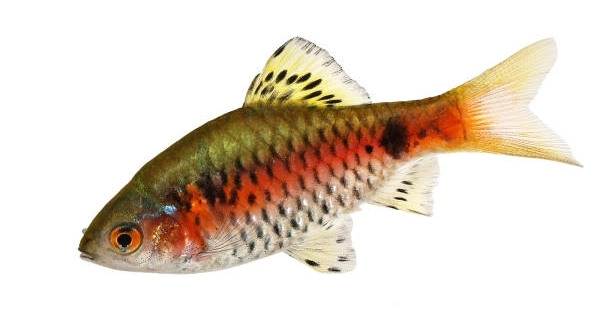
Rosy Barbs and Platies are popular choices for home aquariums. Many fishkeepers consider keeping them together to create a lively tank environment. Understanding how these species interact helps maintain a peaceful community.
Rosy Barbs and Platies generally get along well in a shared tank if proper space, hiding spots, and water conditions are maintained. Both species are peaceful, but monitoring their behavior is important to prevent stress or aggression.
Knowing the basics of their compatibility can make your aquarium more enjoyable and balanced for all fish involved.
Tank Environment for Rosy Barbs and Platies
Creating a suitable tank environment is key when keeping Rosy Barbs and Platies together. Both species prefer a well-planted aquarium with enough open swimming space. Rosy Barbs enjoy moderate water flow and slightly cooler temperatures, around 68-75°F (20-24°C). Platies are more tolerant but thrive in similar conditions. Providing hiding spots with plants or decorations reduces stress and helps avoid conflicts. It is also important to maintain good water quality through regular cleaning and proper filtration. A tank size of at least 20 gallons is recommended to give both species ample room to swim and establish their territories. Ensuring the water parameters stay stable supports their health and behavior.
A balanced environment with these conditions encourages peaceful interaction between Rosy Barbs and Platies, minimizing stress-related problems and aggression.
Both fish have similar tank needs but slight adjustments in care may be necessary. Monitoring water temperature and quality regularly will keep both species comfortable. Adding plants and decorations creates natural boundaries that help them coexist peacefully. Regular observation helps detect early signs of stress or aggression before problems escalate. With the right setup, Rosy Barbs and Platies can share an aquarium successfully for long periods.
Feeding Compatibility of Rosy Barbs and Platies
Both Rosy Barbs and Platies have similar diets, which makes feeding easier in a shared tank. They eat a variety of flakes, pellets, and live or frozen foods.
Providing a balanced diet helps maintain their health and vibrant colors. Feeding small amounts multiple times a day ensures all fish get enough food without polluting the water. It is important to remove leftover food promptly to avoid water quality issues. Offering occasional treats like bloodworms or brine shrimp enriches their diet. Both species are generally non-aggressive feeders but watch for signs of bullying during mealtime. Proper feeding routines and high-quality food keep both fish healthy and active in the tank.
Behavior and Temperament
Rosy Barbs are active swimmers and sometimes show mild fin-nipping tendencies. Platies are calm and peaceful, usually minding their own business.
Despite Rosy Barbs’ occasional fin-nipping, they generally coexist well with Platies if the tank is spacious enough. Providing plenty of plants and hiding places helps reduce stress and prevents chasing. Platies’ peaceful nature balances the more energetic Rosy Barbs, creating a lively but mostly calm community tank. Monitoring their interactions regularly is important to catch any aggressive behavior early.
Both fish benefit from social groups. Rosy Barbs feel safer in schools of five or more, which can reduce unwanted chasing. Platies also enjoy company, and keeping multiple individuals of each species helps spread out attention and reduce tension. When these conditions are met, their temperaments can complement each other well.
Water Parameters and Maintenance
Both species thrive in similar water conditions, making tank maintenance easier. Stable temperature, pH, and cleanliness are essential.
The ideal temperature range for Rosy Barbs and Platies overlaps, generally between 68-77°F (20-25°C). Both prefer a neutral to slightly alkaline pH, around 7.0 to 8.0. Regular water changes, about 25% weekly, help maintain water quality and reduce toxins. Filtration should be adequate to keep water clear but not too strong to stress the fish. Testing water parameters frequently ensures conditions remain stable, preventing health problems. Consistent maintenance routines promote a healthy environment where both fish species can thrive peacefully.
Common Health Issues
Rosy Barbs and Platies are generally hardy fish but can face common freshwater diseases. Ich and fin rot are typical problems in community tanks.
Maintaining good water quality and avoiding overcrowding helps prevent these health issues. Quarantining new fish before adding them to the tank reduces the risk of spreading disease.
Breeding Behavior
Platies breed easily in community tanks, often without much intervention. Rosy Barbs also spawn readily but may eat their own eggs if not separated.
Providing plenty of plants or breeding mops offers hiding places for fry, increasing their survival chances. Monitoring the tank during breeding times helps protect the young.
Tank Mates to Avoid
Aggressive or very large fish should not be kept with Rosy Barbs and Platies. These smaller fish can become targets or stressed easily.
FAQ
Do Rosy Barbs nip Platies’ fins?
Rosy Barbs are known for occasional fin-nipping, especially when kept in small groups or cramped tanks. Platies have long, flowing fins that can attract this behavior. However, if Rosy Barbs are kept in larger schools of five or more, their attention spreads out, reducing fin-nipping incidents. Providing enough space and hiding places also helps keep fins safe. If you notice excessive fin damage, consider separating the fish or increasing the tank size.
Can Rosy Barbs and Platies live in the same water conditions?
Yes, both species prefer similar water parameters, which makes it easier to keep them together. The ideal temperature range is between 68-77°F (20-25°C), with a pH around neutral to slightly alkaline (7.0–8.0). Both fish thrive in clean, well-filtered water with regular maintenance. Stability is key, so avoid sudden changes in temperature or water chemistry to keep both species healthy.
What is the best tank size for Rosy Barbs and Platies together?
A minimum of 20 gallons is recommended for a small group of Rosy Barbs and Platies. This allows enough swimming space and territories to reduce stress and aggression. Larger tanks are always better, especially if you plan to keep schools of Rosy Barbs (five or more) along with several Platies. More space helps balance their activity levels and reduces chasing.
Are Rosy Barbs and Platies compatible with other fish?
Both species are generally peaceful and can live with other community fish of similar size and temperament. Avoid aggressive or very large fish, as they may bully or harm Rosy Barbs and Platies. Good tank mates include tetras, danios, and Corydoras catfish. Always consider the temperament and size of any new fish before adding them to the tank.
How often should I feed Rosy Barbs and Platies?
Feeding small amounts two to three times a day works best. Both species are omnivores and enjoy a varied diet of flakes, pellets, and occasional live or frozen foods like bloodworms or brine shrimp. Avoid overfeeding to prevent water quality issues. Remove any uneaten food to keep the tank clean and healthy.
Can Rosy Barbs and Platies breed in a community tank?
Yes, both species breed readily under the right conditions. Platies are livebearers and often give birth in community tanks, while Rosy Barbs are egg scatterers. However, Rosy Barbs may eat their eggs if no hiding spots are available. Providing dense plants or breeding mops can increase the survival of the young. If breeding is a goal, consider a separate breeding tank.
What signs indicate stress or aggression between these fish?
Signs include chasing, nipping, hiding excessively, or damaged fins. Rosy Barbs may be more active, but if Platies seem constantly stressed or injured, it’s time to reassess tank conditions. Increasing hiding spaces, adding more fish to spread aggression, or adjusting tank size can help restore harmony.
How do I maintain water quality in a tank with both species?
Regular water changes (about 25% weekly) and efficient filtration are essential. Test water parameters often to ensure stable pH, ammonia, nitrite, and nitrate levels. Avoid overcrowding and overfeeding, as these can quickly degrade water quality. Clean the tank decorations and substrate periodically to prevent buildup of waste. Good maintenance supports the health and well-being of both Rosy Barbs and Platies.
Are there any special care tips for keeping Rosy Barbs and Platies together?
Keep Rosy Barbs in schools to reduce aggressive behavior and balance the tank’s energy. Provide plenty of plants and decorations for hiding and territory boundaries. Observe fish daily to catch early signs of illness or conflict. Adjust feeding and water conditions as needed. With consistent care, these two species can thrive peacefully in the same aquarium.
Rosy Barbs and Platies can make a good match in a community aquarium when the right conditions are met. Both fish have similar water needs and generally peaceful temperaments, which makes keeping them together easier. However, Rosy Barbs are more active and sometimes nip fins, so it is important to provide enough space and hiding spots for Platies to feel safe. A well-planted tank with open swimming areas helps reduce stress for both species. Proper tank size, good water quality, and a balanced diet play important roles in their overall health and harmony.
When adding Rosy Barbs and Platies to the same tank, it’s best to keep Rosy Barbs in groups of five or more. This lowers their chances of focusing aggression on Platies or other tank mates. Platies tend to be peaceful and sociable, so having a few of them also helps spread out attention within the tank. Observing their behavior regularly is necessary, as even peaceful fish can show signs of stress or mild aggression if the environment is not ideal. Adjusting decorations, increasing plants, or providing extra hiding spots can make a big difference in keeping the community calm and balanced.
Maintaining stable water conditions and proper feeding routines is key to the long-term success of keeping Rosy Barbs and Platies together. Both species thrive in similar temperature and pH ranges, so regular water testing and partial water changes help keep their environment healthy. Feeding a varied diet in small amounts multiple times a day supports their nutrition without causing water pollution. Overall, with attention to tank setup, water quality, and fish behavior, Rosy Barbs and Platies can coexist peacefully and add color and activity to your aquarium for a long time.

Hello,
If you enjoy the content that we create, please consider saying a "Thank You!" by leaving a tip.
Every little bit helps us continue crafting quality advice that supports the health, happiness, and well-being of pets around the world, for pets of all shapes, sizes, and species.
We really appreciate the kindness and support that you show us!