
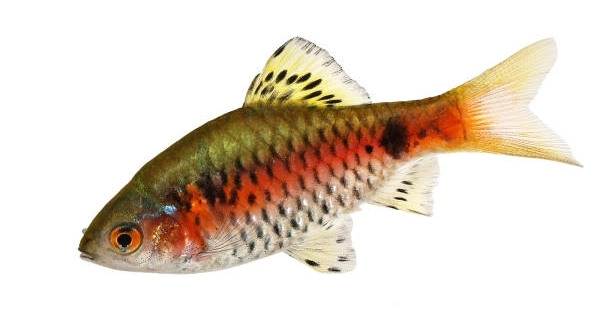
Do you have a community aquarium and wonder about the harmony between Rosy Barbs and Corydoras? Both species are popular choices for freshwater tanks. Many aquarists enjoy their lively behavior and peaceful nature.
Rosy Barbs and Corydoras can generally coexist well in a shared tank environment. Their differing activity levels and swimming zones help reduce competition, making them compatible companions under proper care and tank conditions.
Learning how their behaviors and needs align can help you create a balanced and healthy aquarium for both fish. This article explains what to expect when keeping them together.
Behavior Differences Between Rosy Barbs and Corydoras
Rosy Barbs are active swimmers who spend most of their time in the middle to upper parts of the tank. They enjoy moving around and can be quite energetic, especially when in groups. Corydoras, on the other hand, are bottom dwellers. They tend to stay near the tank floor, sifting through the substrate in search of food. This natural difference in swimming zones helps reduce conflict between the two species. Rosy Barbs are also more visible and colorful, which can sometimes make Corydoras seem shy or less noticeable. Despite their different activity levels, both fish prefer similar water conditions, such as moderate temperature and clean, well-oxygenated water. It is important to maintain these conditions to keep both species healthy. By understanding these behavioral differences, you can better plan your tank setup to meet their unique needs without causing stress.
Both species are social but in different ways, making their coexistence balanced and peaceful.
Keeping the tank clean and providing plenty of hiding spaces helps maintain peace between Rosy Barbs and Corydoras.
Feeding Habits and Tank Setup
Rosy Barbs are omnivores and enjoy a varied diet, including flakes, pellets, and live or frozen foods. Corydoras are bottom feeders and prefer sinking pellets or wafers, as well as occasional treats like bloodworms. Feeding them separately or spreading food in different areas of the tank can reduce competition and ensure both get enough nutrition. Tank setup should include soft substrate like sand to protect Corydoras’ sensitive barbels. Adding plants and decorations provides hiding spots for Corydoras, which helps them feel secure. Rosy Barbs benefit from open swimming areas, so balancing planted and open spaces is key. Proper filtration and regular water changes keep water quality high, which is essential since both species can be sensitive to poor conditions. With the right setup and feeding routine, Rosy Barbs and Corydoras thrive together, creating a dynamic and peaceful community tank.
Compatibility Concerns
Rosy Barbs can be slightly nippy, especially if kept in small groups or a cramped tank. Corydoras, being peaceful bottom dwellers, usually avoid direct conflict. Proper tank size and group numbers reduce stress and aggression.
Keeping at least six Rosy Barbs helps spread out any chasing behavior, preventing bullying of Corydoras. Corydoras prefer calm environments, so avoid overly aggressive tankmates. Rosy Barbs’ activity mostly stays in mid to upper water levels, limiting encounters with bottom-dwelling Corydoras. Regular observation is important to spot any signs of stress or injury early. Adjusting the environment or tank community may be necessary if problems arise.
A balanced aquarium with suitable tank size and hiding places helps manage their natural differences. Both species thrive when stress is minimized through careful stocking and environment setup.
Ideal Tank Conditions
A tank of at least 30 gallons is recommended to provide enough space for both species. Water temperature should stay between 72°F and 78°F, suitable for both Rosy Barbs and Corydoras. Stable pH levels around 6.5 to 7.5 support their health.
Soft, sandy substrate is best to protect Corydoras’ delicate barbels. Moderate lighting with plenty of plants creates hiding spots and reduces stress for Corydoras. Good filtration and regular water changes maintain water quality. Avoid overcrowding to keep fish comfortable and healthy. Proper temperature, clean water, and space prevent disease and promote long-term wellbeing for both species.
Social Behavior and Grouping
Rosy Barbs are schooling fish and feel safer in groups of six or more. Corydoras also enjoy being in groups but can be kept in smaller numbers. Grouping helps reduce stress and encourages natural behaviors.
Without proper grouping, Rosy Barbs may become aggressive or stressed. Corydoras alone can become shy and hide more often.
Signs of Stress or Aggression
Watch for chasing, fin nipping, or hiding to identify stress. Rosy Barbs may nip fins if bored or cramped. Corydoras showing lethargy or loss of appetite could be stressed.
Tank Mates to Avoid
Avoid aggressive or very territorial fish that may harm Corydoras or provoke Rosy Barbs. Large cichlids or aggressive barbs can disrupt harmony.
Keeping peaceful species maintains a calm environment for both fish.
FAQ
Do Rosy Barbs nip at Corydoras?
Rosy Barbs can nip at other fish, but they usually leave Corydoras alone. Corydoras stay near the bottom, while Rosy Barbs swim in the middle and upper parts of the tank. This natural separation helps prevent nipping. However, if Rosy Barbs are kept in small numbers or a cramped space, they might become more aggressive and nip fins. Keeping them in groups of six or more usually reduces this behavior. Providing enough space and hiding spots also helps Corydoras avoid any unwanted attention.
Can Corydoras and Rosy Barbs live in the same water conditions?
Yes, both species prefer similar water conditions. They thrive in temperatures between 72°F and 78°F and a pH range of 6.5 to 7.5. Both need clean, well-oxygenated water, so regular water changes and proper filtration are essential. Corydoras are sensitive to poor water quality, especially because they spend time on the substrate, so maintaining good water conditions benefits both fish. Using soft substrate like sand protects Corydoras’ barbels and helps keep them comfortable.
How many Rosy Barbs and Corydoras should be kept together?
It’s best to keep at least six Rosy Barbs to reduce aggression. They feel more secure in groups, which helps keep their behavior calm. For Corydoras, groups of four to six are ideal since they are social bottom dwellers. Having multiple fish of each species spreads out their natural behaviors and lowers stress. Overcrowding should be avoided to maintain good water quality and prevent fighting.
What should I feed Rosy Barbs and Corydoras?
Rosy Barbs eat flakes, pellets, and live or frozen foods like brine shrimp or bloodworms. Corydoras prefer sinking pellets or wafers that reach the bottom, along with occasional live or frozen treats. Feeding in different areas of the tank helps ensure each species gets enough food without competition. A varied diet keeps both fish healthy and active. Be careful not to overfeed, as leftover food can pollute the tank.
Do Rosy Barbs and Corydoras need special tank setups?
Yes, each fish has different needs. Corydoras require a soft, sandy substrate to protect their barbels. They also benefit from plenty of plants and hiding spots. Rosy Barbs enjoy open swimming areas and moderate lighting. Balancing these needs by creating zones in the tank helps both fish thrive. Regular cleaning and good filtration are key to maintaining a healthy environment.
What are signs of stress in Rosy Barbs and Corydoras?
Rosy Barbs may become nippy or hide more if stressed or bored. Corydoras might stop eating, hide constantly, or appear lethargic. Watch for faded colors or damaged fins, which also indicate stress or poor water conditions. Quick action, like improving water quality or adjusting tankmates, can prevent serious health issues.
Can Rosy Barbs and Corydoras breed in the same tank?
Both species can breed in a community tank, but it’s more common with separate breeding setups. Rosy Barbs lay eggs on plants, while Corydoras scatter eggs on surfaces or plants. If breeding is your goal, providing appropriate conditions and separating the eggs from other fish increases success. In a community tank, parents or other fish might eat the eggs.
Are there any health concerns when keeping Rosy Barbs and Corydoras together?
Both fish are generally hardy but can suffer from common freshwater fish diseases if water quality is poor. Regular water changes and monitoring help prevent illness. Corydoras are sensitive to ammonia and nitrite spikes due to their bottom-dwelling habits. If either fish shows signs of illness, isolate them and treat quickly to avoid spreading disease.
Is a 30-gallon tank enough for both species?
A 30-gallon tank is usually the minimum size to comfortably keep a small group of Rosy Barbs and Corydoras together. It provides enough swimming space for active Rosy Barbs and room for Corydoras to explore the bottom. Larger tanks are better if you want more fish or additional species, as they allow better water quality control and reduce stress.
What tank mates are best for Rosy Barbs and Corydoras?
Peaceful, non-aggressive fish are the best companions. Avoid large or aggressive species like cichlids, which can harass Corydoras or compete aggressively with Rosy Barbs. Other peaceful schooling fish or bottom dwellers that share similar water needs usually work well. Always research each species before adding new fish to ensure compatibility.
Rosy Barbs and Corydoras can make a good combination in a community aquarium when their needs are met properly. Both species have different swimming zones—Rosy Barbs prefer the middle and upper parts of the tank, while Corydoras stay near the bottom. This natural separation helps reduce conflicts and allows them to share the same space comfortably. By keeping Rosy Barbs in groups of six or more and Corydoras in small groups, you help each fish feel secure and less stressed. A well-planned tank setup with enough space, hiding places, and clean water supports their health and peaceful behavior.
Feeding both species correctly is important for their wellbeing. Rosy Barbs enjoy a variety of foods like flakes, pellets, and occasional live or frozen treats, while Corydoras prefer sinking pellets or wafers that reach the bottom of the tank. Feeding in different areas helps avoid competition and ensures all fish get enough nutrition. A soft, sandy substrate is ideal for Corydoras to protect their delicate barbels. Adding plants and decorations provides shelter, especially for the shy Corydoras. Keeping the tank clean with regular water changes and proper filtration reduces stress and lowers the risk of disease for both species.
Although Rosy Barbs are sometimes known to nip fins, proper care and tank conditions usually prevent this from becoming a problem. Observing your fish regularly is key to spotting any signs of stress, aggression, or illness early on. Avoiding aggressive or territorial fish as tank mates helps maintain harmony. A tank size of at least 30 gallons gives enough room for both species to thrive comfortably. With attention to their individual behaviors, diet, and environment, Rosy Barbs and Corydoras can live together peacefully and make a lively, attractive aquarium community.

Hello,
If you enjoy the content that we create, please consider saying a "Thank You!" by leaving a tip.
Every little bit helps us continue crafting quality advice that supports the health, happiness, and well-being of pets around the world, for pets of all shapes, sizes, and species.
We really appreciate the kindness and support that you show us!