
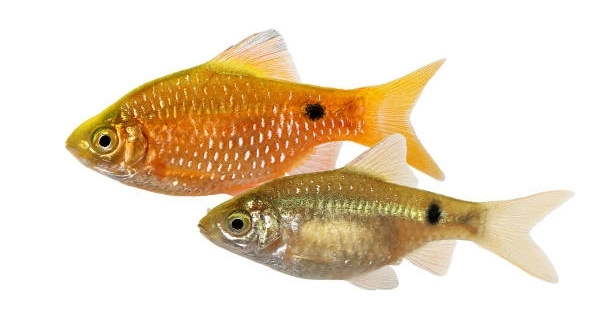
Rosy Barbs are popular freshwater fish known for their lively colors and active behavior. Many fish owners enjoy watching them swim around the tank, which often raises interest in their natural swimming habits. Their movement can sometimes seem playful or purposeful.
Rosy Barbs do not swim for fun in the way humans might perceive play. Their swimming behavior is primarily driven by instincts such as searching for food, exploring territory, or social interaction within the group. These activities are essential for their survival and well-being.
Observing Rosy Barbs closely reveals patterns that go beyond mere activity, offering insight into their natural instincts and tank environment needs. Understanding these behaviors can help improve care and enjoyment for both the fish and their owners.
Understanding Rosy Barb Behavior
Rosy Barbs are active swimmers by nature. Their movement often includes darting through the water and occasionally resting near plants or decorations. This activity helps them stay healthy by encouraging exercise and reducing stress. They also use swimming to establish social order within the group. When Rosy Barbs swim rapidly or chase each other, it may look like play, but this behavior is linked to dominance or mating rituals. Their environment influences their activity level, so a spacious tank with hiding spots allows them to express natural behaviors. Watching how they interact helps owners learn what is normal and what may signal stress or illness. Proper tank maintenance and water quality are also critical, as poor conditions can reduce their activity and affect their overall health. Understanding these behaviors makes it easier to provide a comfortable and stimulating habitat for Rosy Barbs.
Active swimming supports the physical and mental well-being of Rosy Barbs, making tank setup and maintenance essential.
Most of their swimming is functional, tied to feeding, social interactions, or exploring the environment. However, giving them room and variety in their tank encourages healthy activity patterns. Providing plants, open space, and companions of similar size prevents aggression and supports natural swimming habits. Overcrowding can cause stress, which reduces their willingness to swim actively. Regular observation helps detect any changes in behavior that might indicate health issues. In sum, Rosy Barbs thrive best when their environment supports natural movement and social behavior.
Creating an Ideal Environment for Rosy Barbs
Tank size and setup play a major role in how Rosy Barbs swim and behave.
A tank that is too small limits their movement and can increase stress. Ideally, a tank should be at least 20 gallons for a small group, allowing space for swimming and hiding. Adding live plants and decorations provides stimulation and resting areas, making the environment more natural. Clean water with proper filtration keeps them healthy and active. Regular water changes help maintain water quality and prevent toxins from building up. Lighting that mimics natural daylight supports their daily rhythm and activity levels. Careful attention to these factors ensures Rosy Barbs have a comfortable habitat that encourages their natural swimming behavior. Adjusting the environment based on their reactions can improve their overall well-being and display of natural behaviors.
Signs That Rosy Barbs Are Comfortable
When Rosy Barbs swim smoothly and explore the tank actively, they are likely comfortable. They may interact peacefully with other fish and show bright colors, which are signs of good health.
Comfortable Rosy Barbs maintain steady swimming patterns without frantic or erratic movements. They explore different parts of the tank and sometimes rest among plants or decorations. Bright coloration and clear eyes often indicate they are well cared for and not stressed. If they chase other fish only briefly or gently, it usually reflects natural social behavior. Signs of stress include hiding excessively or swimming near the surface gasping for air. When tank conditions support their needs, their movements become more relaxed and natural.
Observing the group’s interactions can help detect early signs of illness or discomfort. Healthy Rosy Barbs will also eagerly approach during feeding times. Ensuring consistent water quality and proper diet supports this behavior, making their swimming activity more predictable and enjoyable to watch.
How Tank Conditions Affect Swimming Behavior
Water temperature, quality, and tank size directly impact Rosy Barbs’ swimming habits. Poor conditions can reduce activity and cause stress.
Maintaining the correct water temperature, usually between 64°F and 72°F, is essential for their comfort and energy levels. Water that is too warm or cold can cause sluggishness or erratic swimming. Regular water changes and good filtration keep the tank clean and prevent harmful toxins from building up. Overcrowded tanks limit swimming space and increase aggression, which stresses the fish and disrupts normal behavior. Providing enough room encourages natural movement and social interaction. Monitoring water parameters such as pH and ammonia levels helps maintain a stable environment.
A well-maintained tank promotes active swimming and socializing, while poor conditions lead to lethargy or hiding. Understanding these needs helps keep Rosy Barbs healthy and active. Making small adjustments to the tank setup can improve their swimming behavior significantly.
Rosy Barbs and Social Interaction
Rosy Barbs are social fish that thrive in groups. Swimming together helps reduce stress and encourages natural behaviors. They often follow each other and may form small schools within the tank.
Isolation can lead to boredom or stress, reducing their activity. Keeping them in groups of at least five promotes healthier, more active swimming patterns and better overall well-being.
Impact of Diet on Swimming Activity
A balanced diet fuels Rosy Barbs’ energy for swimming and growth. High-quality flakes, pellets, and occasional live or frozen foods provide essential nutrients. Proper feeding supports their stamina and vibrant coloration. Overfeeding should be avoided as it can cause health problems and reduce activity. Feeding small amounts multiple times daily encourages consistent energy levels and natural behavior. Nutritional care directly influences how lively and active Rosy Barbs are in the tank, making diet an important factor for their swimming habits.
Common Swimming Problems
Some Rosy Barbs may develop swimming issues due to illness, injury, or poor water quality. Watch for erratic swimming, floating, or sinking, which may indicate problems needing attention.
Regular observation and maintenance help prevent these issues, ensuring Rosy Barbs stay healthy and active.
FAQ
Do Rosy Barbs ever swim just for fun?
Rosy Barbs do not swim purely for fun as humans might. Their swimming is mostly functional, driven by instincts like searching for food, exploring their environment, or socializing with other fish. What may look like playful swimming is actually natural behavior essential for survival and health.
How can I tell if my Rosy Barbs are happy and comfortable?
Happy Rosy Barbs swim actively but smoothly, explore their tank regularly, and interact well with other fish. Their colors will be bright, and they will show normal feeding behavior. Avoidance of hiding and minimal signs of stress also indicate comfort.
What size tank is best for Rosy Barbs to swim freely?
A minimum of 20 gallons is recommended for a small group of Rosy Barbs. This size allows enough space for swimming, hiding, and social interaction. Larger tanks provide a better environment for their natural behavior and reduce stress caused by overcrowding.
How often should I feed my Rosy Barbs to keep them active?
Feed small amounts two to three times daily. A balanced diet with flakes, pellets, and occasional live or frozen foods helps maintain their energy. Avoid overfeeding, which can lead to health problems and lower activity levels.
Can tank decorations affect how Rosy Barbs swim?
Yes, decorations like plants and rocks create hiding spots and areas to explore, encouraging natural swimming patterns. Open spaces allow for free movement, so balance is important. Too many decorations can limit swimming space and cause stress.
What water conditions help promote active swimming?
Water temperature should be between 64°F and 72°F. Keep pH stable, around 6.5 to 7.5. Regular water changes and good filtration keep the environment clean and safe. Poor water quality can cause lethargy or erratic swimming.
Why do Rosy Barbs sometimes chase each other?
Chasing is usually part of social hierarchy or mating behavior. It helps establish dominance and reduces conflicts in the group. If chasing becomes aggressive or constant, it may indicate overcrowding or stress and should be addressed.
What should I do if my Rosy Barb shows unusual swimming behavior?
Unusual swimming, like spinning, floating, or sinking, can indicate illness, injury, or poor water conditions. Test water parameters immediately, improve tank conditions, and consider consulting a veterinarian or fish expert for diagnosis and treatment.
Do Rosy Barbs need companions to stay active?
Yes, Rosy Barbs are schooling fish and do best in groups of five or more. Companions encourage natural social behaviors and keep them active. Isolated fish may become stressed or inactive.
Can Rosy Barbs get bored, and does that affect their swimming?
They can become bored in dull or overcrowded tanks. Lack of stimulation can reduce activity and lead to stress. A varied environment with plants, hiding spots, and companions keeps them engaged and swimming actively.
How does diet impact their swimming patterns?
A nutritious diet provides energy for swimming and overall health. Feeding a variety of quality foods supports stamina and vibrant coloration. Poor nutrition can cause lethargy or irregular swimming behavior.
Are there any health problems linked to swimming difficulties?
Yes, swim bladder disorders, infections, or injuries can affect swimming. These conditions often cause abnormal buoyancy or difficulty maintaining balance. Prompt attention to water quality and medical care can improve outcomes.
What is the best way to introduce new Rosy Barbs to an existing tank?
Acclimate new fish slowly by floating the bag in the tank water and gradually mixing tank water into the bag. This reduces stress and helps them adjust to water parameters. Introducing several at once minimizes aggression and encourages schooling.
Can lighting affect Rosy Barbs’ swimming activity?
Proper lighting mimics natural daylight, supporting their circadian rhythm and encouraging regular activity. Too much light can cause stress, while too little may reduce activity. Aim for balanced, consistent lighting.
How can I encourage more active swimming in my Rosy Barbs?
Maintain good water quality, provide enough space, keep a group of at least five, and offer a varied diet. Adding plants and decorations for exploration also helps. Regular observation helps identify and address any issues quickly.
This FAQ covers common concerns about Rosy Barb swimming behavior and tank care. Understanding their needs helps keep them healthy, active, and vibrant in a home aquarium.
Rosy Barbs are lively and colorful fish that bring energy to any freshwater tank. While they do not swim just for fun like humans, their activity is an important part of how they survive and interact with their environment. Their swimming helps them find food, establish social order, and explore their surroundings. Understanding this behavior is helpful for anyone who keeps Rosy Barbs as pets. It shows that their actions have purpose and are not random or meaningless. Observing these fish carefully reveals much about their health and comfort, which is important for their care.
Creating a good home for Rosy Barbs involves more than just a tank and water. The size of the tank and its setup greatly influence how they swim and behave. A larger tank with plants, decorations, and clean water encourages natural movement and reduces stress. When Rosy Barbs have enough space, they swim more actively and show their bright colors better. Their social nature also means they need companions of their kind to feel secure and maintain healthy behavior. Feeding them a balanced diet supports their energy and vitality, making swimming easier and more natural.
Taking care of Rosy Barbs means paying attention to their environment, diet, and social needs. Good water quality and stable conditions prevent illness and help keep swimming normal and smooth. Watching for changes in their behavior can alert owners to problems before they get worse. Overall, Rosy Barbs thrive best when their natural instincts and needs are met through thoughtful care. This leads to a healthy, active group of fish that provide enjoyment and interest in the aquarium. Understanding these basics helps ensure that Rosy Barbs remain vibrant and lively in the tank.

Hello,
If you enjoy the content that we create, please consider saying a "Thank You!" by leaving a tip.
Every little bit helps us continue crafting quality advice that supports the health, happiness, and well-being of pets around the world, for pets of all shapes, sizes, and species.
We really appreciate the kindness and support that you show us!