
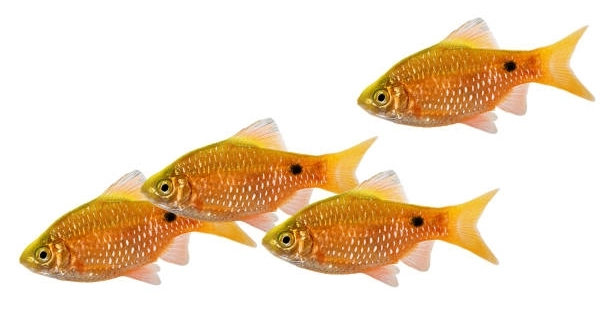
Have you ever noticed your rosy barbs acting differently, maybe swimming away from others or resting quietly in a corner?
Rosy barbs are social fish that thrive in groups, but they may still need occasional alone time due to stress, illness, or changes in their environment. Observing their behavior closely can help identify when they need space.
Understanding their behavior helps you care for them better and maintain a peaceful, healthy aquarium for all your fish.
Why Rosy Barbs Might Want Time Alone
Rosy barbs are active schooling fish, but even in a group, individual fish may sometimes prefer isolation. This behavior can happen when a fish feels threatened, stressed, or unwell. Changes in water temperature, tank mates, or lighting can trigger them to pull back from social interaction. They may find a quiet area in the tank to rest or simply avoid others. While it’s not their usual behavior, it doesn’t always mean something is wrong. Like many animals, they benefit from calm spaces when needed. Understanding this helps you provide a balanced environment that supports both activity and rest.
Rosy barbs also withdraw when adapting to a new tank. They may need time to adjust before socializing again.
If a rosy barb hides more than usual, it’s important to check for signs of illness, poor water quality, or aggressive tank mates. Providing dense plants or decorations helps create quiet zones for retreat.
Creating the Right Environment
It helps to provide a space where rosy barbs feel secure yet free to swim and explore at their own pace.
In a community tank, small issues can quickly affect fish behavior. Too many fish, loud noise, or even bright lighting may overwhelm rosy barbs. They often react by hiding or distancing themselves. Adding plants and caves gives them the option to step away when they feel overstimulated. These features are useful for reducing stress and giving fish more control over their environment. Water quality should be stable and checked regularly. Avoid sudden changes in temperature or pH. Also, keep an eye on how tank mates behave. Some species may nip or chase, making rosy barbs retreat. Fish that feel unsafe may refuse to eat or develop health issues over time. A good balance between open space and quiet areas will help them stay active, calm, and socially engaged when they’re ready.
Signs Your Rosy Barb Needs Space
When a rosy barb needs space, it might start swimming alone, away from the group. You may also notice it staying near plants or tank corners for long periods, showing less interest in food or interaction.
These behaviors can mean the fish feels stressed or overwhelmed. A normally active rosy barb becoming distant might be reacting to something in the tank. Watch for any signs of aggression from other fish or sudden changes in tank conditions. Also, check for fast breathing or dull coloration, which can point to discomfort or illness. Temporary isolation doesn’t always mean something is wrong, but it’s a signal to pay attention. Giving them more hiding spots and reducing light can help. Avoid tapping the glass or adding new fish during this time. Providing a stable, low-stress environment encourages the fish to return to normal activity.
If your rosy barb’s behavior doesn’t improve after a few days, monitor more closely. You might need to check water parameters again or adjust the tank layout. Sometimes one fish may be bullied, especially in smaller tanks with limited space. In that case, rearranging decorations or adding more plants may help spread out territories. Be patient, but don’t ignore repeated signs of distress.
How to Support a Rosy Barb That Needs Time Alone
Sometimes, rosy barbs just need a break from constant interaction. Giving them a calm space can prevent stress-related health issues and help them feel safe. A well-planned tank setup makes a big difference.
Use a mix of live or artificial plants, caves, and driftwood to create soft barriers and shaded areas. These features help break the line of sight and give fish options to rest undisturbed. Keep tankmates peaceful and avoid overcrowding. Even in social species like rosy barbs, too many fish can cause tension. Use a gentle filter to avoid strong currents, as harsh flow can tire out already withdrawn fish. Monitor feeding times—ensure every fish gets food without being chased off. If one barb consistently isolates, consider whether it’s being bullied or simply overwhelmed. Adding space or rearranging the layout can help ease tension. Always act on changes early to maintain a healthy, low-stress tank environment.
When Alone Time Becomes a Concern
If a rosy barb stays hidden for more than a few days, something may be wrong. Long-term isolation often points to illness, injury, or bullying from tank mates. It’s important to act early.
Check the water quality, look for visible signs of illness, and observe other fish. Aggressive behavior might be causing the problem.
The Role of Tank Mates in Rosy Barb Behavior
Rosy barbs are peaceful, but they still need suitable tank mates. Keeping them with calm, non-aggressive species helps reduce stress. Avoid slow-moving or long-finned fish, which may get nipped. Barbs feel most secure in groups of five or more, which helps spread out social energy and lower tension. A poorly matched tank mate can upset the balance and make rosy barbs withdraw. If one fish constantly chases or harasses the barb, it may choose to stay hidden. Watch for territorial behavior, especially in small tanks. A peaceful community leads to more active, confident fish that interact normally.
Giving Your Rosy Barb the Best Care
Consistent care, a stable environment, and calm tank mates all support your rosy barb’s well-being and reduce the need for isolation.
FAQ
Do rosy barbs prefer to be in groups?
Yes, rosy barbs are schooling fish and feel most secure in groups of five or more. Being in a group helps reduce stress and supports natural behavior. If kept alone or in pairs, they may become shy, withdrawn, or even aggressive due to the lack of social balance. A proper group allows them to interact, swim confidently, and display their colors more vividly. They may also become more active and eat better when surrounded by their kind. If your tank allows it, always keep them in a small group to promote their mental and physical health.
Can rosy barbs become aggressive if they don’t get space?
Yes, they can show signs of aggression if they feel overcrowded or constantly bothered. This might include chasing, fin-nipping, or guarding a specific spot in the tank. Aggression can increase when there aren’t enough hiding places or when the tank is too small for the number of fish. Creating quiet zones and ensuring each fish has enough space to move freely can prevent this kind of stress-related behavior. Barbs are usually peaceful, but under pressure, they may act out. Watching for signs early helps you avoid ongoing tension or injury in the tank.
Is it normal for a rosy barb to hide often?
Occasional hiding is normal, especially after changes in the tank or when the fish is resting. However, if a rosy barb hides most of the day or avoids others for long periods, it may be a sign of discomfort. This could be due to poor water conditions, bullying, illness, or stress. Monitor the fish for other signs like lack of appetite or dull color. If hiding continues for more than a few days, inspect the tank setup and water parameters. Adding more plants or decorations may also help the fish feel more secure and reduce the need to hide.
How can I tell if a rosy barb is stressed?
Stressed rosy barbs may show several signs: faded color, fast breathing, hiding, loss of appetite, or erratic swimming. You might also notice one fish staying away from the group or reacting nervously to movement. Stress can come from poor water quality, bright lighting, loud noise, or aggressive tank mates. Even small changes, like a new filter or rearranged decorations, can cause stress. Make sure the tank conditions are stable, and avoid making too many changes at once. Regular water testing and a calm environment help reduce stress and keep the fish healthy and active.
Do rosy barbs need nighttime darkness to rest?
Yes, like most fish, rosy barbs need a regular day-night cycle to stay healthy. They rest when the lights are off and become more active during the day. Leaving the lights on all night can lead to stress, confusion, and disrupted sleep patterns. Aim for around 8 to 10 hours of light per day. Using a timer can help maintain a consistent schedule. A dark period gives them the chance to rest properly and supports their natural rhythm. It also benefits plants in the tank by mimicking natural sunlight cycles.
What should I do if one rosy barb is always alone?
If one rosy barb isolates itself regularly, observe its behavior closely. Look for signs of bullying, injury, or illness. Check if it’s eating normally and swimming steadily. A fish that’s left out of group behavior may be unwell or stressed. You can add more hiding spots, rearrange the layout, or reduce lighting to ease the environment. Also, test the water to rule out ammonia or nitrite spikes. If the issue continues, consider separating the fish for observation. Early action helps prevent more serious problems and gives the fish a better chance to recover and rejoin the group.
Can tank layout affect how rosy barbs interact?
Yes, the tank layout plays a major role in how rosy barbs behave. An open tank with few hiding spots can make shy or stressed fish feel exposed. Adding plants, rocks, and driftwood creates a more secure environment. It helps fish establish personal space and reduces tension. A well-planned layout can also reduce aggression by breaking lines of sight. Group swimming becomes more natural, and even the more timid fish feel safer. Spacing out decorations evenly around the tank helps create multiple territories and supports peaceful interactions among all tank mates.
Final Thoughts
Rosy barbs are social fish that usually enjoy being part of a group, but there are times when they may want space. This doesn’t always mean something is wrong. Like many animals, they respond to stress, change, and discomfort in different ways. Sometimes, a rosy barb might simply need a quiet place to rest, especially after being introduced to a new environment or during a stressful situation. Understanding their behavior helps you respond in a way that supports their health without overreacting. Watching closely and being familiar with their normal habits will make it easier to tell when something is off.
A peaceful, well-organized tank setup plays a big role in how your rosy barbs feel. Providing plenty of plants, hiding spots, and calm lighting helps them stay relaxed. It also gives them the option to rest without leaving the group completely. Keeping their environment clean, stable, and free from aggressive tank mates helps prevent unwanted stress. When you notice a change in behavior, even if it seems small, it’s a good idea to check water conditions, tank layout, and group dynamics. Early adjustments can make a big difference. It’s not about forcing them to be social all the time—it’s about giving them the choice.
Spending time observing your rosy barbs is one of the best ways to care for them. You’ll learn how each fish behaves, how they interact, and when they seem off. This helps you notice changes early and respond with simple solutions. Whether it’s adjusting lighting, changing water flow, or adding a few more hiding spots, small changes often bring good results. Rosy barbs are generally hardy and adaptable, and with the right care, they can thrive in a community tank. Supporting their need for occasional space is part of keeping them healthy and active. By giving them the right setup and paying attention to their signals, you help create a calm, balanced environment where they can do well long term.

Hello,
If you enjoy the content that we create, please consider saying a "Thank You!" by leaving a tip.
Every little bit helps us continue crafting quality advice that supports the health, happiness, and well-being of pets around the world, for pets of all shapes, sizes, and species.
We really appreciate the kindness and support that you show us!