
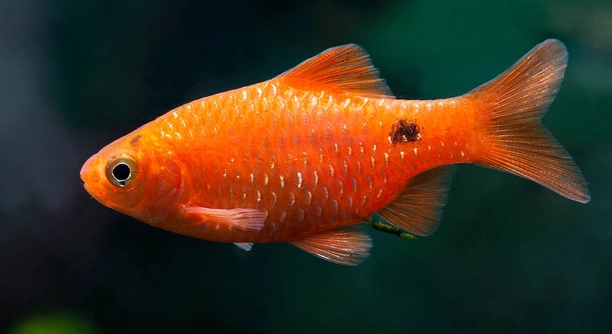
Rosy Barbs are popular freshwater fish known for their vibrant colors and active behavior. Many hobbyists enjoy watching how these fish adapt to their aquarium environment over time. Observing their habits can reveal interesting changes as they grow.
Rosy Barbs tend to develop consistent tank habits as they mature, including established swimming patterns and social behaviors. These changes result from their adaptation to the tank’s environment, tank mates, and feeding routines, reflecting increased comfort and routine formation.
Understanding how Rosy Barbs adjust to their surroundings can help you create a better habitat for them. This knowledge supports maintaining their health and promoting natural behavior in your aquarium.
How Rosy Barbs Establish Their Tank Habits
When Rosy Barbs are first introduced to a new aquarium, they often explore actively, testing out different spots and reacting to their environment. Over time, they begin to recognize areas that provide safety, food, or social interaction. This process usually takes a few weeks, during which their swimming routes and behaviors become more predictable. They learn to respond to feeding schedules and recognize tank mates, forming a social hierarchy. The tank’s layout, including plants and decorations, influences their movement and resting places. Once comfortable, Rosy Barbs tend to establish regular swimming patterns, often sticking to familiar routes near the middle or top levels of the tank. These habits reflect their adaptation to the environment and a reduction in stress, which is essential for their health and longevity.
Consistent tank habits are a sign that Rosy Barbs feel secure and well-adjusted. This stability benefits their overall well-being.
Watching these changes gives insight into their needs, helping you maintain a healthy and balanced aquarium.
Social Behavior and Interaction in the Tank
Rosy Barbs often form groups with clear social structures.
They show dominance through chasing or nipping, mainly among males, which helps establish order. These behaviors are usually mild and rarely cause harm but keep the group balanced. Rosy Barbs also engage in playful swimming and synchronized movements that strengthen their social bonds. The presence of other fish species can affect how these habits develop. Peaceful tank mates promote calm behavior, while aggressive companions might increase stress and disrupt routines. Providing ample space and hiding spots allows Rosy Barbs to retreat when needed, supporting healthier social interactions. Understanding their social habits helps in choosing compatible tank mates and setting up the aquarium to encourage natural behavior and reduce conflicts. This knowledge can make caring for Rosy Barbs more rewarding and ensure their environment supports their social nature.
Feeding Routines and Their Impact
Rosy Barbs quickly learn when and where food will be available. Regular feeding times help them develop predictable behavior patterns.
Feeding routines influence how Rosy Barbs behave in the tank. When they anticipate food at certain times, they often swim closer to the surface or gather near feeding spots. This behavior becomes part of their daily habit. Overfeeding or irregular schedules can cause stress and disrupt their usual patterns. Maintaining a consistent feeding routine with appropriate portions supports their health and encourages steady habits. It also prevents aggression related to competition for food, which can affect social dynamics in the tank.
Observing their feeding habits can reveal much about their comfort and well-being. Small changes in feeding routines often lead to noticeable differences in their activity and mood.
Environmental Factors Affecting Tank Habits
Tank size, décor, and water conditions all shape Rosy Barbs’ behaviors. These factors determine how comfortable and active they are in the tank.
A well-maintained environment with stable water parameters helps Rosy Barbs settle into routine behaviors faster. Ample space allows them to swim freely and express natural habits without stress. Plants and hiding spots provide security and reduce aggressive encounters, fostering calmer interactions. Bright lighting can encourage activity, while dimmer settings may promote resting periods. Sudden changes in temperature or water quality often disrupt established habits and increase stress. Monitoring these factors closely ensures that Rosy Barbs maintain consistent behaviors and stay healthy.
Creating a balanced environment tailored to their needs supports their long-term adaptation and enjoyment of the tank space.
Recognizing Stress and Its Effects
Stress can cause Rosy Barbs to change their usual tank habits quickly. Signs include hiding more or reduced activity.
It is important to identify stress early. Common causes are poor water quality, overcrowding, or aggressive tank mates. Addressing these issues helps restore their normal behavior.
Importance of Consistent Lighting
Lighting influences Rosy Barbs’ activity levels and daily rhythms. Consistent light cycles promote regular swimming and feeding habits. Sudden changes can disrupt their routine and cause stress.
Maintaining a stable light schedule mimics natural conditions, helping Rosy Barbs feel secure and comfortable in the tank.
Adjusting to New Tankmates
Introducing new fish can affect Rosy Barbs’ behavior. They may become cautious or more territorial until they accept the newcomers.
Giving them time and space reduces conflict and helps everyone settle into peaceful tank habits.
FAQ
Do Rosy Barbs always develop the same tank habits?
Not always. While many Rosy Barbs develop similar patterns, individual personalities and tank conditions can create differences. Some may be more active or shy, depending on their environment and companions. Habits also depend on how long they’ve been in the tank and their comfort level.
How long does it take for Rosy Barbs to settle into a routine?
Usually, Rosy Barbs begin showing consistent habits within two to four weeks after introduction. This period allows them to explore, adapt to water conditions, and understand feeding schedules. Older or stressed fish may take longer to settle.
What behaviors indicate that Rosy Barbs are comfortable in the tank?
Comfortable Rosy Barbs swim steadily, explore their surroundings, and interact calmly with other fish. They approach feeding times eagerly but without aggression. Resting in familiar spots and showing bright colors are also good signs of comfort.
Can tank habits change if the environment changes?
Yes. Changes in tank size, décor, lighting, water parameters, or tank mates often alter their behaviors. They might explore new areas, hide more, or become more active. Stable conditions help maintain steady habits.
What should I do if my Rosy Barbs stop swimming or hide a lot?
Hiding or reduced activity may signal stress or illness. Check water quality, temperature, and tank mates for problems. Ensure they have places to hide but also enough space to swim. If the problem persists, consider consulting a vet or aquarium specialist.
Do Rosy Barbs develop habits based on their tank mates?
Definitely. Peaceful tank mates encourage calm behavior, while aggressive fish can cause stress and disrupt habits. Rosy Barbs often mimic or respond to their companions’ actions, so choosing compatible fish helps keep routines steady.
Is it normal for Rosy Barbs to chase each other sometimes?
Mild chasing, especially among males, is common and part of their social behavior to establish hierarchy. This usually doesn’t harm the fish but should be monitored to prevent excessive aggression.
How important is a regular feeding schedule?
Very important. Regular feeding helps Rosy Barbs learn when to expect food, creating predictable activity and reducing stress. Irregular or excessive feeding can cause behavioral changes and health problems.
Do lighting changes affect their tank habits?
Yes. Rosy Barbs adjust their activity based on light cycles. Consistent lighting supports normal swimming and resting patterns. Sudden or extreme changes may confuse or stress them.
Can Rosy Barbs remember feeding locations?
They can recognize where food usually appears and may swim to those spots before feeding times. This behavior shows their ability to learn and form habits based on routine.
Will Rosy Barbs show different habits in planted tanks?
Yes. Plants provide hiding places and influence swimming paths. In planted tanks, Rosy Barbs often use cover for resting or escaping stress, which can alter their usual open swimming patterns.
Do older Rosy Barbs behave differently than younger ones?
Older fish tend to be calmer and have more established habits. Younger Rosy Barbs may be more active and curious. Age affects their social status and energy levels within the tank.
How can I encourage positive tank habits?
Maintain stable water quality, a proper feeding schedule, compatible tank mates, and a balanced environment. Providing enough space and hiding spots helps reduce stress and encourages natural behaviors.
Is it normal for Rosy Barbs to follow their owners at feeding time?
Yes. Over time, they learn to recognize feeding routines and may swim near the glass or the tank top when you approach. This behavior shows their adaptation and comfort with their environment.
Can tank habits predict fish health?
Often, yes. Sudden changes in swimming, feeding, or social behavior can signal health issues. Keeping an eye on their habits helps detect problems early for timely care.
What role does water temperature play in their behavior?
Water temperature affects their metabolism and activity levels. Ideal temperatures keep Rosy Barbs active and healthy. Too cold or too warm water can cause lethargy or stress, disrupting their usual habits.
Should I rearrange the tank regularly to prevent boredom?
While occasional changes can stimulate activity, frequent rearranging may stress Rosy Barbs and disrupt their habits. It’s best to keep a stable environment and make changes slowly if needed.
Do Rosy Barbs have favorite spots in the tank?
They often choose specific areas for resting or hiding, usually near plants or decorations. These spots give them a sense of security and become part of their routine.
How does overcrowding affect their habits?
Overcrowding increases competition for space and food, leading to stress and aggressive behavior. This can disrupt established habits and harm fish health. Providing adequate space supports positive behavior.
Are tank habits linked to breeding behavior?
Yes. During breeding, Rosy Barbs may become more territorial or active. They may chase other fish more and use specific areas for spawning, which changes their normal routines.
Rosy Barbs are lively fish that gradually develop their tank habits as they get used to their environment. Their behaviors change naturally over time, reflecting their comfort and adaptation to the space they live in. From swimming patterns to social interactions, these habits help them feel secure and thrive in the aquarium. Watching these changes can be interesting and can provide clues about how well they are adjusting.
Maintaining a stable and healthy tank environment plays a key role in encouraging positive habits in Rosy Barbs. Consistent feeding times, proper water conditions, and compatible tank mates all contribute to their well-being. When these elements are in balance, Rosy Barbs develop regular routines that include exploring, feeding, and socializing without signs of stress. On the other hand, sudden changes in the tank setup or poor water quality can cause disruptions in their behavior. It is important to monitor their habits closely to ensure they remain healthy and active.
Understanding how Rosy Barbs form their tank habits over time helps aquarium keepers provide better care. By recognizing signs of stress or discomfort, adjustments can be made to improve their environment. Offering enough space, hiding spots, and maintaining a peaceful community of fish supports their natural behaviors. In the end, these efforts lead to happier fish and a more enjoyable aquarium experience. Keeping these points in mind will help maintain the long-term health and happiness of your Rosy Barbs.

Hello,
If you enjoy the content that we create, please consider saying a "Thank You!" by leaving a tip.
Every little bit helps us continue crafting quality advice that supports the health, happiness, and well-being of pets around the world, for pets of all shapes, sizes, and species.
We really appreciate the kindness and support that you show us!