
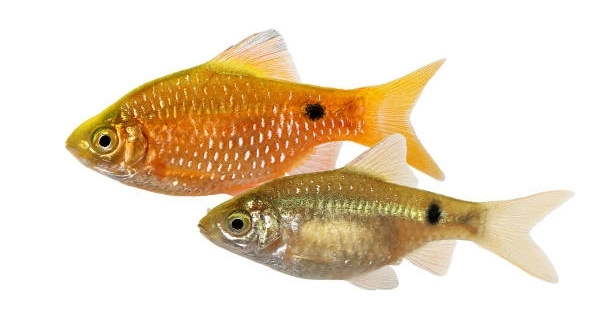
Do you ever notice how rosy barbs move around their tank, especially near hiding spots? These small fish are often active and curious, making their behavior around shelters interesting to observe. Understanding their interactions can help keep your aquarium peaceful.
Rosy barbs do sometimes compete over hiding spots, especially when space is limited. They establish a loose hierarchy, and dominant fish tend to claim the best shelters, while others look for alternative areas to avoid conflict. This behavior helps maintain order within the group.
Learning how rosy barbs share their space can improve how you set up your aquarium and care for them. This article will explain their social habits and provide tips for creating a comfortable environment.
Understanding Rosy Barbs’ Need for Hiding Spots
Rosy barbs naturally seek out hiding spots to feel safe and secure. In the wild, these fish use plants, rocks, and other structures to avoid predators and reduce stress. In an aquarium, providing enough hiding places helps them feel comfortable and reduces aggressive behavior. When hiding spots are scarce, competition can increase, leading to chasing and minor skirmishes among the fish. These spaces act as retreats where shy or weaker individuals can rest without being disturbed. Plants like Java fern, dense bushes, and caves made from aquarium-safe materials work well. It is also important to arrange hiding spots evenly throughout the tank, so no single area becomes overcrowded. Proper spacing gives each fish its own space to claim, limiting conflicts. Overall, creating a well-structured environment supports peaceful interactions and promotes the health of rosy barbs by lowering their stress levels.
Hiding spots also encourage natural behavior, making the tank more lively and interesting to watch. When rosy barbs feel safe, they display brighter colors and more active swimming patterns.
Adding different types of shelters ensures all rosy barbs find suitable places to relax. This variety helps keep your aquarium balanced and your fish happy.
How Rosy Barbs Establish Territory Around Hiding Places
Rosy barbs may show mild territorial behavior around preferred hiding spots. Dominant individuals often pick the best shelters, using body language like flaring fins or gentle nudges to claim their space. These interactions usually don’t cause serious harm but are ways to communicate ownership. Subordinate fish typically avoid direct confrontations by selecting less popular hiding places or staying in open areas. This behavior helps reduce stress and maintain social order within the group. The size of the tank and the number of hiding spots greatly influence how intense this competition becomes. In a well-planned aquarium with enough shelters, rosy barbs coexist peacefully without constant fighting. Offering multiple options spreads out the fish and limits overlapping claims. Understanding these social cues can help aquarists manage aggression and improve the well-being of their rosy barbs. Recognizing signs of tension early allows for timely adjustments to the tank setup.
Signs of Competition Over Hiding Spots
Rosy barbs competing for hiding spots may show chasing, nudging, or brief fin displays. These behaviors indicate mild disputes but rarely lead to serious harm. Watching these signs helps identify if your tank needs more shelters to ease tension.
When competition increases, you might notice certain fish frequently chasing others away from preferred spots. The dominant fish may also hold a spot for longer periods, while weaker fish stay more on the move. Sometimes, fish try to sneak into another’s territory and get quickly pushed out. This back-and-forth can cause stress if hiding places are too limited or unevenly spread. Ensuring enough shelters reduces the chance of these conflicts escalating.
If chasing seems constant or aggressive, it may mean your aquarium setup needs adjustment. Adding more plants or decorations can help break up the space and give shy fish safer areas to rest. Monitoring behavior daily lets you react early and keep peace among your rosy barbs.
Tips for Reducing Hiding Spot Conflicts
Provide a variety of hiding spots throughout the tank to prevent overcrowding in one area. Different sizes and shapes of shelters accommodate all fish personalities. Group fish with similar temperaments to lower competition. Arrange decorations so there are multiple escape routes, allowing less dominant fish to avoid confrontations. Maintain a spacious tank with good water quality, as stressed fish tend to be more aggressive. Introducing new hiding spots gradually can also help fish adjust without sudden disruptions. Careful planning supports a calmer, healthier environment where rosy barbs thrive peacefully and display their natural behaviors without constant competition.
Choosing the Right Hiding Spots
Different types of hiding spots appeal to rosy barbs depending on their size and personality. Plants, caves, and driftwood provide varied shelter options. Mixing these helps meet their needs and lowers competition.
Dense plants offer natural cover, while caves give secure retreats. Combining both types creates a balanced environment.
The Role of Tank Size
Larger tanks reduce hiding spot competition by giving rosy barbs more space to spread out. In small tanks, limited room makes conflicts more common. Adequate tank size is essential for maintaining harmony.
Observing Behavior Changes
Watch for changes in activity or color as signs of stress from hiding spot disputes. Less active or faded fish may need more shelter or tank adjustments.
Maintaining a Peaceful Environment
Regular tank maintenance and careful stocking help keep rosy barbs calm. A stable, clean environment lowers stress and aggression.
Do rosy barbs need hiding spots?
Yes, rosy barbs do need hiding spots in their tank. These spots help reduce stress by providing safe places to retreat. Without enough hiding places, they can become anxious or aggressive. Hiding spots mimic their natural environment, giving them a sense of security and helping them behave more naturally.
How many hiding spots should I provide?
The number depends on the tank size and the number of fish. A good rule is to have at least one hiding spot per fish, but more is better. This way, each rosy barb can find a safe place without competition. Spreading hiding spots evenly helps reduce conflicts and keeps the tank peaceful.
What are good hiding spot options for rosy barbs?
Live plants like Java fern and Anubias offer natural cover. Artificial caves, driftwood, and smooth rocks also work well. Combining plants and solid structures creates a varied environment that meets different fish preferences. Avoid sharp or rough decorations that could hurt your fish.
Can hiding spot competition cause health problems?
Yes, constant stress from fighting over shelters can weaken rosy barbs’ immune systems. This makes them more prone to disease and reduces their overall lifespan. Providing enough hiding spots and space helps lower stress and supports their health.
Will rosy barbs fight if there are enough hiding spots?
Even with plenty of hiding spots, minor disputes may still happen, but they are usually brief and non-injurious. Good tank setup and proper fish numbers greatly reduce serious aggression. Observing your fish regularly helps catch any issues early.
Is tank size important in preventing competition?
Tank size plays a big role. Smaller tanks limit space and hiding spots, increasing fights. Larger tanks allow fish to spread out and find their own spots, reducing tension. Aim for at least 20 gallons for a small group of rosy barbs.
How can I tell if my rosy barbs are stressed due to hiding spot fights?
Look for signs like hiding more than usual, faded colors, or erratic swimming. Frequent chasing or fin nipping also indicates stress. If you notice these behaviors, adding more shelters or rearranging the tank can help.
Can adding more plants help reduce hiding spot competition?
Yes, adding dense plants creates natural barriers and extra cover. This breaks up the tank space, giving shy or weaker fish more places to rest without being chased. Plants also improve water quality, which benefits overall fish health.
Should I separate aggressive rosy barbs?
If one fish is particularly aggressive and disrupts the group, separating it temporarily can calm the tank. Sometimes, rearranging hiding spots or adding distractions helps. Persistent aggression might mean you need a larger tank or fewer fish.
Do rosy barbs share hiding spots?
Rosy barbs tend to prefer their own spaces but may share larger shelters if the group is peaceful. Submissive fish often wait their turn or use less crowded spots. Proper tank design encourages sharing without conflict.
How often should I clean hiding spots?
Regular cleaning is important to prevent algae and debris buildup but avoid disturbing the fish too much. Cleaning every 2-4 weeks is usually enough. Gently rinse plants and decorations in tank water during water changes.
Can hiding spots affect breeding behavior?
Yes, hiding spots provide safe areas for rosy barbs to lay eggs and protect fry. Dense plants or caves help reduce stress during breeding. A well-planted tank encourages natural spawning behavior and increases fry survival.
What should I do if my rosy barbs keep fighting despite enough hiding spots?
Check for other causes like overcrowding, poor water quality, or incompatible tank mates. Sometimes, stress from these factors causes aggression. Make sure water parameters are stable, and consider reducing the number of fish or separating overly aggressive individuals.
Are there tank mates that compete with rosy barbs for hiding spots?
Some fish, like gouramis or larger cichlids, might compete or bully rosy barbs over shelters. Choose peaceful tank mates that occupy different tank levels. Community fish like tetras or danios usually coexist well with rosy barbs without much hiding spot competition.
Can changing the tank layout help with hiding spot issues?
Yes, rearranging plants and decorations can reset territorial boundaries. This can reduce fights as fish adjust to the new layout. It also helps break up line-of-sight, making it harder for dominant fish to patrol large areas.
How important is water quality in managing hiding spot competition?
Water quality directly affects fish behavior. Poor water conditions increase stress and aggression. Keeping parameters stable with regular water changes supports calm behavior and reduces fights over hiding spots.
Do rosy barbs prefer natural or artificial hiding spots?
They appreciate both, but natural plants offer additional benefits like oxygen and water filtration. Artificial caves provide secure, durable shelters. Combining both gives the best results and keeps the environment interesting.
Is it better to add many small hiding spots or a few large ones?
A mix works best. Many small spots let shy fish find quiet corners, while larger shelters accommodate groups or more dominant fish. Variety helps all fish feel comfortable and reduces competition.
Can hiding spot competition lead to injury?
In most cases, disputes are mild and don’t cause injury. However, in crowded or poorly set tanks, fights can escalate. Keeping enough space and shelters minimizes risks and protects your fish.
How does lighting affect hiding spot use?
Bright lighting can make fish feel exposed, increasing their need for cover. Dimmer or adjustable lighting encourages shy rosy barbs to explore more and reduces hiding spot stress.
Should I introduce hiding spots gradually?
Introducing new shelters slowly helps fish adjust without sudden territorial disputes. Sudden changes can increase stress and fights. Gradual additions let fish explore and settle at their own pace.
Can hiding spots improve the overall look of my tank?
Yes, well-chosen plants and decorations not only help fish but also create a beautiful, natural-looking aquarium. Thoughtful placement of hiding spots enhances both aesthetics and fish well-being.
Providing hiding spots for rosy barbs is an important part of keeping them healthy and happy. These fish naturally seek shelter to feel safe and reduce stress. When their environment includes plenty of hiding places, they tend to be calmer and show more natural behavior. Without enough spots to hide, rosy barbs may compete, chase, or become more aggressive. This competition can lead to stress and affect their overall health. By carefully planning the tank layout with enough plants, caves, and decorations, you can create a peaceful space where all the fish feel comfortable.
Tank size and the number of hiding spots are closely connected. Smaller tanks make it harder to provide enough space and shelters for every fish. This often increases conflicts over the best spots. Larger tanks give rosy barbs room to spread out and find their own areas without too much overlap. Even with a large tank, it’s important to place hiding spots evenly to avoid crowding. Watching your fish regularly helps you notice signs of stress or fighting early. Making changes like adding more plants or rearranging decorations can help keep the peace. A well-maintained tank with stable water quality also supports calmer fish and lowers aggression.
Every rosy barb has its own personality, so not all fish will use hiding spots the same way. Some may prefer dense plants, while others like caves or open spaces. Offering a variety of shelter types is the best way to meet their needs. Minor disputes over hiding spots are natural and usually not harmful. However, if fights become frequent or serious, it’s a sign to adjust the environment. Careful attention to tank size, decoration, water quality, and fish behavior will create a balanced home for your rosy barbs. This will help them thrive and make your aquarium an enjoyable place to watch.

Hello,
If you enjoy the content that we create, please consider saying a "Thank You!" by leaving a tip.
Every little bit helps us continue crafting quality advice that supports the health, happiness, and well-being of pets around the world, for pets of all shapes, sizes, and species.
We really appreciate the kindness and support that you show us!