
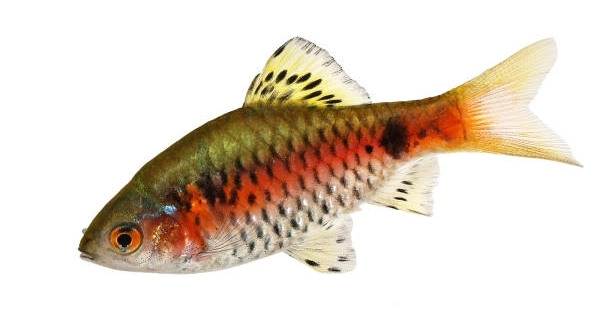
Rosy Barbs are popular aquarium fish known for their vibrant color and lively behavior. Many fish owners wonder how these fish react to different water conditions, including the presence of bubbles. Understanding their needs helps keep them healthy and happy.
Rosy Barbs do not have a specific requirement or strong reaction to water bubbles. They mainly rely on well-oxygenated water and stable conditions. Bubbles from air stones or filters generally do not affect their behavior or health negatively.
Knowing how bubbles interact with your Rosy Barbs can improve your aquarium setup. This article will clarify what you need to consider for their environment and care.
Understanding Water Bubbles in Aquariums
Water bubbles in aquariums usually come from air stones, filters, or surface agitation. Their main role is to increase oxygen levels in the water, which is important for fish health. Bubbles help circulate the water, preventing it from becoming stagnant. In some cases, too many bubbles can cause surface foam or disturb the tank’s appearance, but they rarely harm the fish directly. Rosy Barbs swim actively near the middle and upper parts of the tank, so they may come into contact with bubbles but generally do not react negatively to them. Proper filtration and aeration keep the environment balanced and comfortable for these fish.
Bubbles do not provide a direct benefit or harm to Rosy Barbs but contribute to overall water quality. Maintaining clean and well-oxygenated water is what matters most.
If the bubbles are excessive or cause stress to your fish, adjusting the airflow or filter placement can help. Balancing aeration supports their natural behavior and well-being without overwhelming the tank environment.
Common Concerns About Bubbles and Fish Health
Some fish owners worry that bubbles might cause stress or interfere with breathing. Rosy Barbs breathe using their gills, and oxygen dissolved in the water is what they need. Bubbles help dissolve oxygen but do not directly enter their gills. Unlike fish that gulp air at the surface, Rosy Barbs rely mostly on dissolved oxygen. Too many bubbles could increase surface agitation, but this usually does not affect them unless it causes strong currents.
Stress in Rosy Barbs is more commonly linked to poor water quality, overcrowding, or improper temperature. Bubbles are rarely the reason for discomfort. Keeping water parameters stable and providing hiding spaces will improve their comfort. Proper tank maintenance ensures healthy oxygen levels and minimizes stress factors.
How Bubbles Affect Rosy Barb Behavior
Rosy Barbs are active swimmers and generally ignore small bubbles. They do not show signs of stress or discomfort due to gentle aeration. Their behavior remains natural and calm around bubbles from air stones or filters.
If bubbles become too strong or create heavy currents, Rosy Barbs might avoid those areas. Strong water movement can tire them out or cause them to hide more often. However, typical bubble levels in a properly maintained tank rarely reach this point. Observing your fish regularly helps spot any changes in activity or stress.
Bubbles can encourage more water movement, which might stimulate Rosy Barbs to swim more actively. This increased activity supports their natural exercise needs. Still, balance is important, as excessive water agitation can be counterproductive. Adjust your tank’s airflow and filter output to maintain a comfortable environment that suits these fish’s lively nature.
Managing Bubbles for a Healthy Aquarium
Too many bubbles can cause surface foam, which may look unsightly and trap debris. Controlling airflow and filter output helps reduce excess foam. Positioning equipment properly prevents bubbles from overwhelming your tank.
Adjusting the airflow can reduce bubble size and number. Using diffusers or lowering air pump pressure helps achieve gentle aeration. Regular cleaning of filters and air stones ensures steady, balanced bubble production. A well-managed bubble system improves oxygen levels without stressing the fish or disturbing the tank’s surface. Maintaining this balance supports Rosy Barbs’ overall health and water quality.
Identifying Excessive Bubble Issues
Excessive bubbles can cause stress if they create strong water currents or cover too much of the tank surface. Fish may struggle to swim comfortably in these conditions. Monitoring bubble levels is important to maintain a calm environment.
If your Rosy Barbs avoid certain areas or act restless, bubbles might be too intense. Adjusting airflow or repositioning equipment usually resolves this. Small changes can make a big difference in tank comfort.
Proper Placement of Aeration Equipment
Placing air stones or filters near the tank’s bottom helps bubbles rise slowly, reducing surface disturbance. This placement ensures gentle oxygenation without overwhelming the fish. It also helps distribute oxygen evenly throughout the tank.
Proper equipment placement minimizes strong currents, keeping Rosy Barbs comfortable. This setup supports their natural swimming patterns and reduces stress from aggressive water movement.
Monitoring Water Quality Alongside Bubbles
Water quality and oxygen levels go hand in hand. Regular testing ensures bubbles are effectively oxygenating the water without causing imbalance. Maintaining clean water supports Rosy Barbs’ health and vitality.
Consistent care helps prevent issues related to bubbles or poor oxygenation. Good water quality creates a stable environment where these fish can thrive.
FAQ
Do Rosy Barbs need bubbles to survive?
Rosy Barbs do not specifically need bubbles to survive, but they do require well-oxygenated water. Bubbles created by air stones or filters help increase oxygen levels, which supports their breathing. Without proper oxygenation, fish can become stressed or unhealthy, so bubbles play an indirect role in their wellbeing.
Can too many bubbles harm Rosy Barbs?
Too many bubbles can cause strong water currents or surface foam, which might stress Rosy Barbs. They prefer calm to moderate water movement. Excessive bubbling can tire them out or make them hide more. Adjusting the airflow and bubble production usually prevents these problems.
Why do bubbles sometimes create foam on the water surface?
Foam forms when bubbles trap proteins or impurities from the water. This is more common in tanks with excess organic waste or overfeeding. Regular cleaning and water changes help reduce foam buildup. Proper filtration also minimizes the chances of persistent foam.
Are Rosy Barbs afraid of bubbles?
Rosy Barbs generally are not afraid of bubbles. They swim freely around gentle bubbles and appear unaffected. If bubbles create strong currents, they may avoid those areas, but this is due to water movement, not fear of the bubbles themselves.
Should I turn off air stones at night?
Turning off air stones at night is not necessary. Aeration helps maintain oxygen levels continuously, which benefits Rosy Barbs. However, if bubbles cause excessive noise or disturbance, lowering the airflow slightly can be helpful. Consistent oxygen supply supports their health.
How can I reduce bubble size in my aquarium?
Reducing bubble size can be done by lowering air pump pressure or using diffusers. Fine bubble diffusers create smaller bubbles that dissolve oxygen more efficiently. Proper maintenance of air stones and pumps also helps produce consistent, gentle bubbles.
What should I do if my fish are stressed near bubbles?
If Rosy Barbs show stress signs near bubbles, reduce the airflow or reposition equipment to lessen water movement. Creating hiding spots with plants or decorations can also help fish feel secure. Regular water testing ensures no other factors contribute to stress.
Can bubbles help with water circulation?
Yes, bubbles improve water circulation by moving water vertically and promoting gas exchange at the surface. This prevents stagnant areas where waste can accumulate. Good circulation helps maintain stable water quality, benefiting Rosy Barbs and other tank inhabitants.
Is it normal for bubbles to stick to tank decorations or plants?
Yes, bubbles often cling to surfaces like decorations and plants. This happens because the bubble’s surface tension allows it to stick temporarily. This is harmless and does not affect fish behavior or health. Bubbles usually detach after a short time.
Do bubbles replace the need for regular water changes?
No, bubbles do not replace water changes. They improve oxygen levels but do not remove toxins or waste. Regular water changes are essential to keep the tank clean and healthy for Rosy Barbs. Bubbles support the environment but are not a substitute for proper maintenance.
Can bubbles help with temperature regulation?
Bubbles have little direct effect on temperature regulation. They mainly aid oxygen exchange and circulation. Temperature control depends on heaters or chillers, not aeration. Keeping the tank temperature stable is crucial for Rosy Barbs’ health.
How often should I clean my air stones?
Air stones should be cleaned every few weeks to prevent clogging and maintain good bubble production. Cleaning involves soaking them in a mild bleach solution or vinegar, followed by thorough rinsing. Well-maintained air stones ensure steady, gentle bubbles that benefit the tank.
Are there alternatives to bubbles for oxygenating the tank?
Yes, alternatives include power filters, surface agitation, and live plants. Power filters move water, increasing oxygen exchange without producing visible bubbles. Live plants add oxygen through photosynthesis during the day. Combining methods provides a balanced environment for Rosy Barbs.
Will bubbles cause my Rosy Barbs to jump out of the tank?
Bubbles themselves do not cause Rosy Barbs to jump. Fish jump due to stress, poor water quality, or disturbances. Proper tank lid placement and stable conditions reduce jumping risks. Keeping water quality good and minimizing sudden changes help keep fish safe inside the tank.
Can bubbles increase the risk of disease?
Bubbles do not increase disease risk directly. However, poor maintenance of equipment producing bubbles can lead to dirty water or harmful bacteria growth. Regular cleaning and water changes prevent disease and keep the tank environment healthy for Rosy Barbs.
What type of air pump is best for Rosy Barb tanks?
A quiet, adjustable air pump is best to control airflow and avoid excessive bubbling. Pumps with variable speed settings allow fine-tuning bubble production to suit tank size and fish preferences. Choosing reliable equipment helps maintain a calm, healthy environment.
Final Thoughts
Rosy Barbs are adaptable fish that do well in a variety of aquarium conditions. While bubbles in the water do not play a critical role in their care, they contribute to maintaining proper oxygen levels and good water circulation. These factors are important for keeping the fish healthy and active. It is clear that Rosy Barbs do not specifically care about the presence of bubbles, but they benefit indirectly from the improved water quality that bubbles help create. Overall, bubbles are a useful part of a balanced aquarium setup but are not a requirement that fish depend on directly.
When using aeration equipment like air stones or filters, it is important to keep bubble levels balanced. Too many bubbles or strong water currents can cause mild stress or discomfort for Rosy Barbs. Most tanks will not experience this problem if airflow is adjusted properly and equipment is placed thoughtfully. It helps to observe your fish regularly to notice any changes in behavior that might indicate stress from bubbles or water movement. Making small changes, like reducing airflow or repositioning air stones, usually resolves these issues quickly.
Maintaining good water quality is always the top priority when caring for Rosy Barbs. Bubbles are only one part of this effort. Regular water changes, proper filtration, and monitoring oxygen levels all work together to create a healthy environment. When the water is clean and well-oxygenated, Rosy Barbs are more likely to thrive and display natural, lively behavior. Understanding the role of bubbles in this context helps fish owners provide the best care without unnecessary worry. Keeping a calm and balanced aquarium is the key to happy and healthy Rosy Barbs.

Hello,
If you enjoy the content that we create, please consider saying a "Thank You!" by leaving a tip.
Every little bit helps us continue crafting quality advice that supports the health, happiness, and well-being of pets around the world, for pets of all shapes, sizes, and species.
We really appreciate the kindness and support that you show us!