
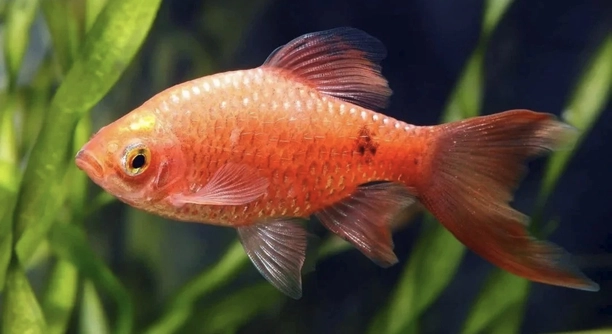
Rosy barbs are popular aquarium fish known for their bright colors and active behavior. Many fishkeepers enjoy watching their lively movements, especially near bubbles or aeration streams. Understanding how these fish respond to bubble streams can improve their tank environment.
Rosy barbs generally do not require bubble streams to thrive, but gentle aeration can benefit their oxygen levels and overall well-being. Excessive or strong bubbles may stress them, so moderate bubble flow is recommended to maintain a healthy habitat.
Knowing how bubble streams affect rosy barbs helps create a comfortable aquarium. This article will explain the best way to balance aeration for these vibrant fish.
How Bubble Streams Affect Rosy Barbs
Bubble streams create movement and oxygenation in an aquarium, which can influence fish behavior. Rosy barbs are moderately active and usually appreciate gentle water currents. However, strong or constant bubbles may tire them or cause stress, especially if the bubbles create turbulence near their swimming areas. It is important to observe your fish’s reactions to find the right balance. Too little aeration can lower oxygen levels, while too much might disturb their comfort.
Moderate bubble streams help maintain good water quality and oxygenation for rosy barbs without overwhelming them.
Maintaining a calm but oxygen-rich environment benefits rosy barbs. Adjust the bubble stream strength based on the tank size and the number of fish. Positioning air stones away from resting areas allows the fish to escape excessive movement if needed. This simple adjustment supports their health and reduces stress. Monitoring their activity levels after adding bubble streams can guide you in creating the ideal setup. A comfortable environment leads to happier and healthier rosy barbs.
Choosing the Right Equipment for Aeration
Selecting the proper air pump and air stone is essential for controlling bubble intensity.
Using an adjustable air pump allows you to set a gentle bubble flow that suits rosy barbs. Choose air stones that produce fine bubbles rather than large, rough streams, as these are less stressful for the fish.
In larger tanks, using multiple smaller air stones spaced evenly helps avoid strong currents in one area. This setup improves oxygen distribution without creating harsh water movement. Additionally, combining bubble streams with good filtration promotes stable water quality, supporting fish health. Always check equipment regularly to ensure it functions properly and does not create unexpected surges of bubbles or noise, which can disturb the fish. Proper aeration equipment enhances the tank environment while keeping rosy barbs comfortable.
Positioning Bubble Streams in the Tank
Placing bubble streams carefully can reduce stress on rosy barbs. Avoid directing bubbles toward their favorite hiding or resting spots.
Positioning the air stones near the tank’s filter outlet or along the sides helps distribute oxygen evenly. This placement prevents strong currents in the middle of the tank, where rosy barbs swim most actively. Avoid clustering bubbles in one area, as it can create rough water conditions. Observing how your fish react to bubble placement helps you adjust for their comfort. Proper positioning supports natural swimming patterns and reduces erratic behavior caused by excessive water movement.
Using decorations or plants to break up strong currents created by bubbles can create calmer zones. This setup allows rosy barbs to choose their preferred swimming areas, maintaining a balanced and stress-free environment in the tank.
Signs of Stress from Bubble Streams
Rosy barbs may show signs of stress when bubble streams are too strong or constant. These include erratic swimming, hiding more often, or decreased appetite.
Stress signs can also appear as faded colors or clamped fins. If you notice these behaviors, reducing the bubble intensity or repositioning air stones can help. Providing areas with calmer water helps the fish relax and regain normal behavior. Monitoring fish regularly ensures early detection of stress. Making small changes in aeration can greatly improve their well-being. It’s important to balance oxygen needs with comfort to maintain healthy, vibrant rosy barbs in the aquarium.
Bubble Streams and Tank Mates
Bubble streams can affect different fish species in varied ways. Rosy barbs may tolerate gentle bubbles well, but some tank mates might prefer calmer water.
It’s important to consider all fish needs when adjusting aeration. Finding a balance ensures a peaceful environment for everyone in the tank.
Adjusting Bubble Intensity Over Time
Fish behavior and tank conditions change over time, so bubble intensity may need adjustment. Seasonal temperature shifts or changes in fish activity can influence oxygen demand. Regularly check the bubble flow and make small changes as needed to keep the environment stable. This approach supports the health of rosy barbs and other aquarium inhabitants.
Monitoring Water Quality
Good water quality works hand in hand with proper aeration. Regular testing and maintenance are essential.
FAQ
Do rosy barbs need bubble streams to survive?
Rosy barbs do not strictly need bubble streams to live. They can survive in well-maintained tanks with proper filtration and water movement. However, moderate aeration helps improve oxygen levels and supports a healthy environment. Gentle bubbles provide better circulation, which can enhance overall tank conditions for the fish.
Can bubble streams stress rosy barbs?
Yes, strong or constant bubble streams can stress rosy barbs. These fish prefer moderate water movement. Excessive bubbles create turbulence that can tire them or make swimming difficult. Observing how your fish behave around bubbles will help you adjust the airflow to avoid causing stress.
Where is the best place to put air stones in a tank with rosy barbs?
Air stones should be placed near the filter outlet or along the sides of the tank. This placement helps distribute bubbles evenly without creating strong currents in the middle where rosy barbs swim actively. Avoid placing air stones near plants or hiding spots to keep those areas calm.
How can I tell if my rosy barbs are stressed from bubbles?
Signs of stress include erratic swimming, hiding more than usual, faded colors, and clamped fins. A reduced appetite can also be a warning. If you notice these signs, try lowering the bubble flow or changing the position of the air stones to create calmer zones.
What type of air stone is best for rosy barbs?
Fine-pore air stones are best because they produce smaller bubbles that create gentle water movement. Large bubble streams from coarse air stones may disturb the fish and cause stress. Fine bubbles improve oxygenation without overwhelming the tank inhabitants.
Should I adjust bubble intensity as my tank changes?
Yes, bubble intensity should be adjusted over time. Changes in temperature, fish activity, or tank size can affect oxygen needs. Regularly check how your fish react and adjust the airflow accordingly to maintain a comfortable environment.
Can bubble streams help with algae control?
Bubble streams indirectly help control algae by improving water circulation and oxygen levels. Good water movement reduces dead zones where algae can grow. However, bubble streams alone won’t eliminate algae. Proper tank maintenance and light management are still necessary.
Is it okay to have multiple air stones in one tank?
Multiple air stones are often better for larger tanks. They distribute oxygen more evenly and prevent strong currents in one area. Spacing them around the tank also lets fish choose calmer or more active swimming zones based on their preferences.
Do rosy barbs prefer bubbles or calm water?
Rosy barbs prefer moderate bubbles that provide good oxygenation without strong currents. Too much turbulence can make them uncomfortable. They need some water movement to stay healthy but also calm areas to rest and hide.
Can bubble streams affect tank plants?
Bubble streams can benefit some plants by improving oxygen levels around the roots. However, strong bubbles might uproot delicate plants or disturb substrate. Positioning bubbles carefully can prevent damage and support plant growth.
How often should I check my bubble streams?
Check bubble streams weekly to ensure equipment is working well and bubble flow remains steady. Sudden changes in bubble strength or noise can indicate air pump issues. Regular checks help maintain a stable environment for your fish.
What if my fish don’t like the bubbles?
If your rosy barbs avoid bubble areas, reduce the bubble intensity or reposition air stones. Creating calm zones with plants or decorations lets fish escape strong water movement. Observing their behavior is key to finding the right balance.
Can bubble streams increase oxygen levels enough to skip water changes?
No, bubble streams improve oxygen but don’t replace water changes. Regular water changes remove waste and toxins that bubbles can’t eliminate. Proper maintenance combined with aeration keeps fish healthy.
Is there a risk of over-aeration?
Yes, over-aeration can stress fish by creating strong currents and noise. It may also cause water surface agitation that affects temperature and humidity. Keeping bubble streams gentle avoids these problems.
How do I maintain my air pump and air stones?
Clean air stones every few weeks to prevent clogging. Replace them if bubbles become weak or uneven. Check the air pump for noise or vibration regularly and clean its filter if applicable. Proper maintenance ensures consistent aeration.
Rosy barbs are lively fish that benefit from a well-balanced aquarium environment. Bubble streams can play a helpful role in maintaining good water oxygen levels, but they need to be used with care. Gentle aeration supports the fish’s health without causing stress or discomfort. Observing how your rosy barbs behave around bubbles will guide you in adjusting the strength and placement of air stones. This balance is important to keep the fish active, comfortable, and vibrant.
Proper positioning of bubble streams helps avoid creating strong currents in the tank. Placing air stones near the filter or along the sides allows for even distribution of oxygen while maintaining calm swimming zones. This setup gives rosy barbs the choice to swim freely or rest in quieter areas. Equipment choice also matters—using fine-pore air stones and adjustable pumps makes it easier to control bubble intensity. Regular maintenance of your aeration equipment keeps bubbles steady and effective.
Finally, good aquarium care requires more than just managing bubbles. Regular water changes, monitoring water quality, and providing hiding spots all contribute to the well-being of rosy barbs. Bubble streams support oxygenation but do not replace other essential care tasks. Keeping a balanced, stress-free environment will help your rosy barbs thrive and display their natural colors and behaviors. Paying attention to their needs and making small adjustments will ensure a healthy and enjoyable aquarium.

Hello,
If you enjoy the content that we create, please consider saying a "Thank You!" by leaving a tip.
Every little bit helps us continue crafting quality advice that supports the health, happiness, and well-being of pets around the world, for pets of all shapes, sizes, and species.
We really appreciate the kindness and support that you show us!