
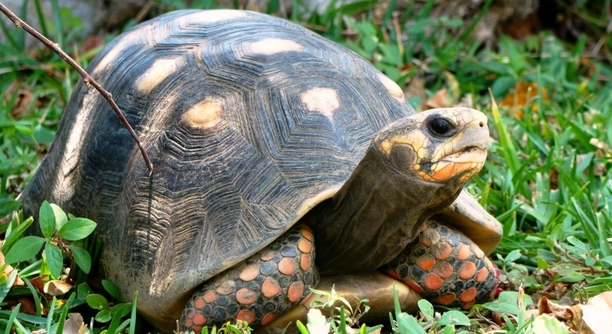
Do you have a red-footed tortoise and wonder if UVB light is essential for its health? These tortoises are unique creatures that require proper care, including specific lighting conditions. UVB light plays a vital role in their overall well-being.
Red-footed tortoises do need UVB light to thrive. UVB exposure helps them metabolize calcium, preventing shell deformities and other health issues. Without adequate UVB, they may suffer from bone disease and other complications related to improper calcium absorption.
Proper lighting ensures a healthier, happier tortoise. We’ll guide you through how to meet their UVB needs and maintain their health.
Why UVB Light is Important for Red-Footed Tortoises
UVB light is essential for red-footed tortoises because it helps them produce vitamin D3. This vitamin is crucial for calcium absorption, which is necessary for healthy bone growth and shell development. Without UVB light, these tortoises can develop metabolic bone disease, a condition that affects their bones and shell. It’s important to provide UVB lighting, as it mimics the natural sunlight they would experience in the wild. Natural sunlight is the best source of UVB, but in captivity, you can replicate it with artificial UVB bulbs designed for reptiles.
When setting up your tortoise’s habitat, choose a high-quality UVB bulb with a proper wattage, as this will ensure they receive enough UVB exposure. Make sure the light is placed at the right distance from your tortoise to prevent overexposure or underexposure. Additionally, the UVB light should be on for 10 to 12 hours a day to simulate natural daylight hours.
A UVB bulb should be replaced every 6 months to ensure it continues to provide adequate exposure. UVB rays lose effectiveness over time, so it’s important to keep track of the bulb’s age and replace it as needed.
How to Choose the Right UVB Bulb
Choosing the right UVB bulb for your tortoise is key. UVB bulbs come in various types, including fluorescent, mercury vapor, and LED. Each type offers different levels of UVB radiation.
Fluorescent UVB bulbs are the most common and affordable option. They provide a steady amount of UVB light but need to be placed closer to your tortoise. Mercury vapor bulbs offer a higher output of UVB and heat, making them ideal for larger enclosures. LED UVB bulbs are more energy-efficient, but they might not provide enough UVB for red-footed tortoises. Make sure the bulb you choose is appropriate for the size of your tortoise’s habitat. Additionally, check the packaging to ensure the bulb provides UVB in the 290-320nm range, which is most effective for reptiles.
How to Set Up UVB Lighting for Your Tortoise
Setting up UVB lighting is simple. Place the UVB bulb on one side of the enclosure to create a basking spot. Make sure it’s the right distance from the tortoise to avoid too much or too little exposure.
Ensure the light is on a timer for 10 to 12 hours daily, mimicking natural sunlight hours. If the bulb is too close, it could overheat or cause burns. If it’s too far, it won’t provide enough UVB. A good rule of thumb is placing it around 12 to 18 inches above the basking area. The tortoise will move to the basking spot to soak in UVB, so they should have plenty of time under the light.
Make sure the light reaches all areas of the enclosure. Since UVB doesn’t penetrate glass or plastic, the bulb should be placed directly above the tortoise’s habitat. Avoid placing it in a shaded spot or near a corner where the UVB rays won’t reach.
The Right Temperature for Your Tortoise’s Habitat
Temperature plays a big role in your red-footed tortoise’s well-being. The basking area should be between 90-95°F, while the cooler side of the enclosure should stay around 75-80°F.
Temperature differences allow your tortoise to regulate its body heat by moving between warmer and cooler spots. Without a proper temperature gradient, they can become stressed or unable to digest food properly. A reliable thermometer will help you monitor the temperature at both ends of the enclosure. Use heat sources like ceramic heat emitters or basking lamps to maintain the right warmth, and make sure your tortoise has access to both warm and cool areas throughout the day.
Benefits of UVB Lighting for Red-Footed Tortoises
UVB lighting plays a key role in the overall health of red-footed tortoises. It helps them process calcium for strong bones and shells. Without it, they can develop serious health problems like metabolic bone disease.
When UVB light is provided consistently, it supports their immune system and helps them absorb nutrients more effectively. These tortoises are active, so UVB exposure promotes a natural lifestyle, keeping them physically and mentally healthy. Without UVB, they may become lethargic or suffer from digestive issues.
How Long Should UVB Lights Be On?
UVB lights should be on for 10 to 12 hours a day to mimic the natural daylight cycle. This consistent exposure ensures your tortoise gets enough UVB throughout the day.
Make sure the UVB light is set on a timer to maintain a regular schedule. This helps keep your tortoise’s internal clock in sync with day and night cycles. Having a consistent light schedule will also encourage natural behaviors like basking and foraging, which are essential for their well-being.
What Happens If Your Tortoise Doesn’t Get Enough UVB?
If a red-footed tortoise doesn’t get enough UVB light, it can lead to weak bones and shell deformities. The lack of vitamin D3 affects calcium metabolism, causing severe health issues.
Without proper UVB exposure, their overall growth and development can be stunted. In extreme cases, the tortoise may experience bone fractures or deformities in the shell. Regular UVB lighting is necessary to prevent these issues and ensure they remain healthy and active.
FAQ
How can I tell if my tortoise is getting enough UVB light?
One way to know if your red-footed tortoise is getting enough UVB light is by monitoring its activity levels. A well-lit tortoise will be more active, moving around its enclosure, basking, and exploring. If your tortoise becomes lethargic, it could be a sign that it’s not getting enough UVB. Also, watch for any signs of shell deformities or bone weakness. These are clear indicators that the tortoise might be lacking proper UVB exposure.
Regular check-ups with a vet can help catch any health issues early on. They can perform tests to see if there’s a calcium deficiency or other problems related to UVB light. Keeping a consistent light schedule and providing the right wattage can also help ensure your tortoise gets enough UVB.
Can I use regular household lights for UVB light?
No, regular household lights do not provide the necessary UVB radiation needed for red-footed tortoises. These bulbs only emit visible light and don’t offer the UVB spectrum required for calcium absorption. UVB-specific bulbs, such as fluorescent or mercury vapor lamps designed for reptiles, are needed to mimic sunlight and provide the right spectrum.
Ensure that the bulb you choose is specifically labeled for reptiles and UVB use. Regular light bulbs won’t have the intensity or spectrum to keep your tortoise healthy. Using the wrong type of light will prevent proper calcium absorption, leading to potential health problems.
How close should the UVB light be to my tortoise?
The UVB light should be placed 12 to 18 inches above the tortoise’s basking area. If the light is too close, it could overheat your tortoise or cause burns. If it’s too far, your tortoise won’t get enough UVB exposure.
You can use a thermometer to check the temperature of the basking area. Keeping the UVB light within this range ensures the tortoise gets a balanced exposure, similar to what it would experience in the wild. It’s important to also check the manufacturer’s guidelines for the UVB bulb you are using, as the correct distance may vary slightly depending on the type.
Do red-footed tortoises need UVB light year-round?
Yes, red-footed tortoises need UVB light year-round. UVB is critical to their health and well-being, so even in winter months when sunlight is limited, it’s important to provide consistent artificial UVB lighting.
In the wild, these tortoises experience daily sunlight, and artificial lighting replicates this. Without UVB exposure, they can develop metabolic bone disease, regardless of the season. Using a timer for your UVB bulb helps mimic the natural daylight cycle, ensuring they receive the right amount of exposure year-round.
How long do UVB bulbs last?
UVB bulbs generally last between 6 months to a year. Over time, the UVB output decreases, even if the bulb still lights up. To ensure your tortoise is receiving adequate UVB exposure, it’s best to replace the bulb every 6 months.
UVB bulbs should be replaced even if they appear to be working fine. They lose their effectiveness gradually, which means your tortoise might not get the necessary UVB exposure after the bulb’s useful life ends. Keeping a regular schedule for bulb replacement helps maintain a healthy environment for your tortoise.
Can I use natural sunlight instead of a UVB bulb?
Yes, natural sunlight is the best source of UVB. If you live in an area with plenty of sun, you can provide your tortoise with direct sunlight by taking it outside for a few hours each day.
However, ensure that the tortoise has access to shaded areas to avoid overheating. It’s also important to be cautious of the temperature outside, as extreme heat or cold can harm the tortoise. In cases where natural sunlight is unavailable or limited, a UVB bulb will be necessary to replicate the UVB exposure needed for healthy bone development.
Do I need a UVB light if my tortoise is kept outside?
If your tortoise is kept outside and has access to direct sunlight, you may not need a UVB bulb, as sunlight naturally provides the UVB it needs.
However, during cloudy days or in colder climates, providing a UVB bulb will help ensure consistent exposure. Additionally, outdoor enclosures may not always offer enough natural UVB depending on the climate or the amount of sunlight reaching your tortoise. In such cases, a UVB bulb will help maintain your tortoise’s health.
What is the difference between UVA and UVB light?
UVA and UVB are both types of ultraviolet light, but they serve different purposes. UVA light helps regulate a tortoise’s behavior, including activity levels and mating. UVB light, on the other hand, is essential for vitamin D3 production, which is necessary for calcium absorption and bone health.
While UVA light is important for overall well-being, UVB light is crucial for preventing bone disease and promoting healthy shell growth. Both types of light are important in your tortoise’s environment, but UVB is the most critical for maintaining their health.
Can I use a UVB light and heat light together?
Yes, you can use a UVB light and a heat lamp together. In fact, they complement each other well. The UVB light provides essential light for calcium absorption, while the heat lamp creates the basking spot your tortoise needs for thermoregulation.
Make sure to position the lights correctly. The UVB light should be above the basking area to provide effective exposure, while the heat lamp should maintain the temperature within the recommended range. Always check that both lights are functioning properly to provide the right balance of heat and UVB for your tortoise.
Final Thoughts
Providing your red-footed tortoise with the right amount of UVB light is essential for its health and well-being. These tortoises rely on UVB light to produce vitamin D3, which is necessary for calcium absorption and bone development. Without it, they can develop serious health issues, such as metabolic bone disease. It’s important to remember that a proper lighting setup, which includes both UVB and heat lamps, helps replicate the natural environment, ensuring your tortoise stays active, healthy, and strong.
When setting up your tortoise’s enclosure, make sure to use UVB bulbs that are specifically designed for reptiles. Regular household lights will not provide the necessary UVB radiation. Also, make sure to place the UVB light at the correct distance from your tortoise’s basking area. This ensures they are getting the right intensity of light without the risk of burns or other issues. The distance should be between 12 to 18 inches, but it’s always a good idea to check the manufacturer’s instructions for your specific bulb to get the best results.
Finally, don’t forget about regular maintenance. UVB bulbs lose their effectiveness over time, even if they are still producing visible light. For this reason, it’s essential to replace them every 6 to 12 months to maintain the proper UVB exposure for your tortoise. In addition to providing the right lighting, be sure to keep an eye on your tortoise’s activity levels and overall health. If you notice any changes in behavior, it could be a sign that something is wrong with their lighting setup. Keeping everything consistent will help your red-footed tortoise live a long, healthy life.

Hello,
If you enjoy the content that we create, please consider saying a "Thank You!" by leaving a tip.
Every little bit helps us continue crafting quality advice that supports the health, happiness, and well-being of pets around the world, for pets of all shapes, sizes, and species.
We really appreciate the kindness and support that you show us!