
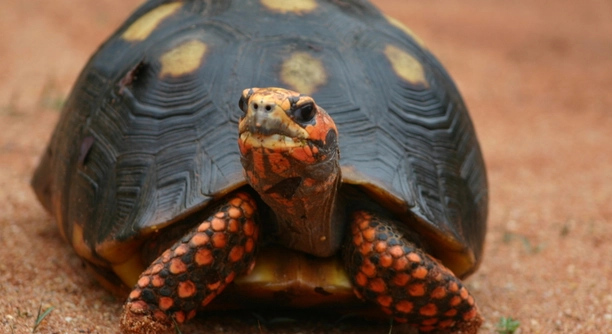
Red-footed tortoises are popular pets due to their calm nature and unique appearance. However, many owners wonder if these creatures experience boredom in captivity. Understanding their behavior is key to keeping them happy and healthy in their environment.
Red-footed tortoises do not experience boredom in the same way humans or some pets do. They are not highly interactive animals, but they engage with their environment through foraging, exploring, and basking in sunlight.
Providing enrichment and variety in their habitat will help maintain their well-being. Learning what keeps them content can help you create a more engaging space for them to thrive.
What Makes Red-Footed Tortoises Different from Other Tortoises?
Red-footed tortoises are unique in many ways, including their behavior and natural habitat. Native to the rainforests and savannas of South America, they tend to be more active than other species. Unlike desert tortoises, which spend most of their time hiding, red-footed tortoises explore their environment regularly. This behavior is linked to their need for foraging and searching for food, which is a big part of their daily routine. Their diet typically consists of fruits, leaves, and small invertebrates, so they tend to be more adaptable to different surroundings. This adaptability can also explain why they may seem more engaged with their environment than other tortoises.
Their natural curiosity about food and surroundings means they need more stimulation. They enjoy a bit of variety in their habitat, whether it’s different plants, logs to climb, or places to dig. Providing this stimulation can prevent a sense of boredom, though their activity levels are still relatively low compared to other animals.
Despite their more active nature, red-footed tortoises do not need constant entertainment. They spend a lot of their time eating or basking in the sun. However, enriching their habitat with things like natural obstacles and varied food options can keep them engaged. They are not particularly social but will interact with their surroundings in ways that can help improve their overall quality of life.
How to Prevent Red-Footed Tortoises from Getting Bored
To keep a red-footed tortoise from becoming inactive, it’s important to create an environment that encourages natural behaviors. Offering a variety of foods and items to explore can help engage them.
They thrive in enclosures that mimic their native habitat, complete with plants, shelters, and different textures. Even small changes can lead to more exploration and curiosity, keeping them active.
Creating a Stimulating Habitat for Red-Footed Tortoises
A stimulating habitat is essential for a red-footed tortoise to stay engaged. Adding variety in their living space can prevent boredom and encourage natural behaviors.
Incorporating logs, rocks, and plants into their enclosure can provide opportunities for climbing and hiding. Tortoises also enjoy digging, so adding some loose soil or sand can give them a chance to engage in this instinctive behavior. Fresh plants not only serve as food but also give them something to explore. These additions make the environment feel more natural and offer mental stimulation.
In addition to physical changes, it’s important to rotate items in their habitat. Introducing new objects occasionally, such as branches or different plants, can provide something fresh for them to interact with. This helps to break the routine and keep them curious. Changing their space every so often ensures they won’t grow accustomed to their surroundings and remain mentally stimulated.
Food and Diet to Keep Them Engaged
Diet plays a big role in the engagement of red-footed tortoises. Offering a variety of foods is key to their happiness.
You can include fruits, leafy greens, flowers, and even some insects. By providing different textures and flavors, you give your tortoise a chance to explore and interact with their food. This mimics their natural foraging behavior, keeping them engaged and satisfied. Fresh food items also encourage activity as they search and enjoy their meals.
A varied diet also helps maintain their overall health, so it’s important to monitor what they eat. Offering food in different ways, such as hiding it under leaves or placing it on different levels in their enclosure, challenges them to work for their meal. This keeps them physically and mentally active while preventing boredom.
Natural Enrichment for Red-Footed Tortoises
Natural enrichment is essential for a red-footed tortoise’s well-being. Using elements that mimic their native environment encourages exploration and movement.
Providing safe plants, logs, and rocks lets your tortoise interact with its surroundings as it would in the wild. These items promote natural behaviors like climbing, hiding, and digging.
Incorporating these elements is simple yet effective for keeping them engaged. It’s important to use non-toxic plants and objects that they can safely interact with. A natural, enriched environment will help them feel more comfortable and active.
Social Interaction and Mental Stimulation
Though red-footed tortoises are generally solitary, they can still benefit from occasional social interaction and mental stimulation. Observing other animals or having supervised interactions with humans can provide some level of engagement.
Having a consistent routine or allowing them to explore new areas once in a while helps stimulate their minds. Keeping them in a varied environment can reduce stress and prevent boredom.
Interaction doesn’t have to be constant but should involve moments that encourage activity and curiosity.
When to Consider Professional Help
If you notice a sudden change in behavior or a lack of interest in their environment, it may be time to consult a vet. Regular health checkups can ensure they aren’t dealing with an underlying issue.
FAQ
Do red-footed tortoises need a lot of space?
Yes, red-footed tortoises need space to roam and explore. A larger enclosure allows them to engage in natural behaviors like foraging, climbing, and hiding. Providing ample space ensures they are mentally and physically stimulated. A small enclosure can limit their activity, leading to boredom and stress. It’s best to provide a space of at least 4 feet by 8 feet for an adult red-footed tortoise. The more space they have, the more opportunities they have to engage with their environment.
What temperature do red-footed tortoises need?
Red-footed tortoises prefer warm temperatures, typically between 75°F to 85°F during the day. At night, they should be kept slightly cooler but never below 70°F. Providing a basking spot with temperatures around 90°F to 95°F is also important. Proper temperature regulation helps keep them healthy and active. If the temperature is too low, they may become sluggish and inactive, which can impact their overall well-being.
Can red-footed tortoises live outside year-round?
Red-footed tortoises can live outside in suitable climates, but they should be brought indoors during colder months. They are not frost-tolerant, so if the temperatures drop below 70°F, they should be kept indoors. During the warmer months, they can enjoy outdoor enclosures as long as the space is secure and safe from predators. Outdoor environments must be carefully monitored for temperature and humidity levels to ensure they stay comfortable.
What should I feed my red-footed tortoise?
A balanced diet for a red-footed tortoise includes leafy greens, fruits, and some protein, such as insects or worms. Offer a variety of foods like dandelion greens, collard greens, and hibiscus flowers. Fruits like papaya, mango, and berries are also good treats. Avoid feeding them too much high-oxalate food, such as spinach, as it can interfere with calcium absorption. Additionally, it’s important to supplement their diet with calcium and vitamin D3 to promote healthy shell growth.
How often should I feed my red-footed tortoise?
Red-footed tortoises should be fed every day or every other day, depending on their age and activity level. Young tortoises need more frequent meals, while adults can be fed every other day. Offer enough food to last the day, as they will typically graze throughout the day. It’s important to observe how much they eat and adjust the portions accordingly. Fresh water should always be available for drinking and soaking.
Do red-footed tortoises need a humidity-controlled environment?
Yes, red-footed tortoises thrive in a humid environment. The humidity should be around 70% to 80%, which helps them maintain healthy skin and shell. If the air is too dry, it can lead to respiratory issues and shedding problems. You can maintain proper humidity by misting their enclosure, adding a humidifier, or providing a damp hide. However, it’s important to avoid making the enclosure too wet, as excess moisture can lead to fungal growth and other issues.
Can red-footed tortoises be housed with other animals?
Red-footed tortoises are generally solitary and prefer to live alone. However, some tortoises can coexist with other species of reptiles or slow-moving animals. It’s important to monitor their interactions, as tortoises can become stressed by more active or aggressive animals. If housed with other animals, ensure there is enough space for each creature to have its own territory. Avoid housing them with other tortoises, as they can become territorial and may fight.
How do I know if my red-footed tortoise is stressed?
Signs of stress in red-footed tortoises can include decreased appetite, excessive hiding, lethargy, or defensive behavior like biting or retreating into their shell. Stress can be caused by various factors, including changes in their environment, improper temperature, lack of enrichment, or overcrowding. To prevent stress, make sure their habitat is comfortable, with proper temperature, humidity, and enough space for them to move around. It’s also important to avoid sudden changes in their environment and routine.
What should I do if my red-footed tortoise isn’t eating?
If your red-footed tortoise isn’t eating, first check the temperature and humidity levels in its enclosure. Make sure they are within the proper range. Stress, illness, or an inappropriate diet can also cause a lack of appetite. If the issue persists, consider visiting a reptile vet to rule out any health problems. Offer a variety of fresh foods and ensure their enclosure is comfortable and secure. Sometimes, adding new plants or changing their environment can spark their interest in food.
How can I keep my red-footed tortoise entertained?
Keeping a red-footed tortoise entertained involves providing enrichment in its habitat. Introduce natural objects like branches, logs, and rocks for climbing and exploring. Hide their food in different areas or under leaves to encourage foraging. You can also provide safe plants and flowers for them to interact with. Rotating objects in their environment every few weeks can prevent boredom. Regularly changing their habitat helps keep them mentally stimulated and engaged. A well-structured environment allows them to be more active and curious.
How do I clean my red-footed tortoise’s enclosure?
To clean your red-footed tortoise’s enclosure, remove any waste daily. You should also spot clean food remnants and uneaten plants to prevent mold or bacteria growth. Deep clean the entire enclosure weekly by removing all items, scrubbing surfaces with a reptile-safe cleaner, and replacing bedding or substrate. Clean water dishes daily to avoid contamination. Ensuring a clean habitat helps prevent health issues and keeps your tortoise happy.
Final Thoughts
Caring for a red-footed tortoise involves providing a comfortable, engaging environment that mimics their natural habitat. By offering plenty of space to roam, a variety of foods, and enriching items like plants and rocks, you can ensure that your tortoise remains active and healthy. These tortoises are not overly demanding, but they do need a habitat that encourages their natural behaviors. This includes foraging, climbing, and basking, which helps them stay physically and mentally stimulated. A good balance of physical space, proper temperature, humidity, and enrichment can make a big difference in their well-being.
Though red-footed tortoises don’t experience boredom in the same way humans or more interactive pets do, they still need mental stimulation. A consistent routine, combined with occasional changes to their environment, can keep them engaged. Hiding food, rotating habitat items, and offering different textures or climbing structures all contribute to a more dynamic living space. These small adjustments can help prevent your tortoise from becoming inactive, which could lead to health problems. Always pay attention to their behavior, and if something seems off, such as lack of appetite or lethargy, it may be worth consulting a veterinarian.
In conclusion, taking care of a red-footed tortoise requires attention to their habitat, diet, and overall health. While they may not need constant entertainment, providing the right conditions will help them thrive. This means understanding their basic needs and offering variety in their daily life. With a proper setup and careful monitoring, your red-footed tortoise can live a long, happy life, and you’ll be able to enjoy watching them grow and explore their environment.

Hello,
If you enjoy the content that we create, please consider saying a "Thank You!" by leaving a tip.
Every little bit helps us continue crafting quality advice that supports the health, happiness, and well-being of pets around the world, for pets of all shapes, sizes, and species.
We really appreciate the kindness and support that you show us!