
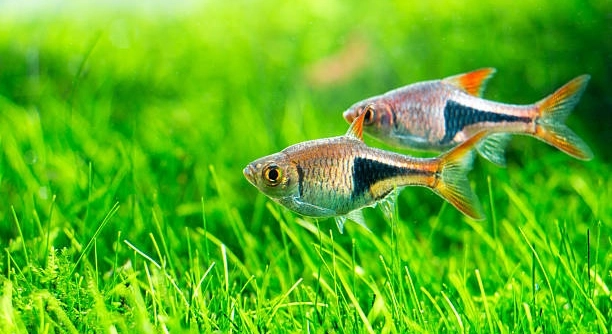
Many aquarium owners enjoy watching their Rasboras swim gracefully throughout the tank. These small, peaceful fish often move in groups, creating a lively atmosphere that can feel soothing and calming at the end of a long day.
Rasboras do not consistently sleep in the same spot. Their resting behavior is influenced by safety, light levels, and tank layout, causing them to settle in various locations rather than returning to a single fixed area.
Observing their movements and habits can reveal interesting patterns, helping you create a comfortable environment that supports their natural behaviors.
How Rasboras Choose Their Resting Spots
Rasboras are small schooling fish that feel safer when surrounded by others. When they sleep, they often pick areas with some cover, like plants, decorations, or shaded corners. Bright light makes them uneasy, so they naturally seek darker spots where they can rest undisturbed. Tank layout plays a big role; open spaces are less attractive because they expose the fish to potential threats. Water currents also influence their resting behavior. Gentle currents are preferred because strong flows require extra energy to maintain balance. Temperature can affect where they settle too. Warmer areas may encourage activity, while slightly cooler spots can become their resting areas. Observing your tank at night can reveal patterns in where different Rasboras choose to sleep. Over time, you may notice favorite zones, but these spots can shift depending on changes in light, water conditions, or decorations. Understanding these preferences helps maintain a calm and healthy environment.
Rasboras often adjust their sleeping spots based on cover, water flow, and tank lighting to feel secure.
Monitoring their choices closely provides insight into their comfort and can guide adjustments to plants and decorations for a better habitat.
Nighttime Behavior and Safety
Rasboras instinctively sleep in groups to feel safer. They prefer staying near plants or ornaments where they can hide if startled.
Sleeping behavior in Rasboras is influenced by both environmental and social factors. During nighttime, they reduce movement and float or hover near surfaces or plants. Schooling offers protection, making individuals feel less exposed. In tanks with few hiding spots, Rasboras may become stressed and more active at night, indicating discomfort. Providing sufficient cover like live plants, caves, or floating decorations allows them to rest calmly. Light levels play a key role; dim or off lights signal nighttime, encouraging resting behavior. Sudden changes in water conditions, such as temperature drops or strong currents, can disturb their rest. By arranging the tank thoughtfully, you can encourage natural sleeping patterns. Consistency in tank maintenance, like regular water changes and stable temperature, ensures they stay healthy and rested. Paying attention to their nighttime activity offers clues about their well-being and overall tank environment.
Common Resting Spots in the Tank
Rasboras often choose areas near plants, decorations, or tank corners for resting. They like spots that feel secure and offer some shade. Open spaces are rarely chosen because these small fish feel vulnerable without cover nearby.
Plants and ornaments provide both physical and visual shelter. Floating plants can create shaded areas, while dense foliage allows fish to weave in and out, giving them a sense of security. Some Rasboras prefer resting close to the substrate among smaller decorations or rocks. Observing the tank at night may reveal specific patterns where individual fish or the school tends to gather. Adjusting decorations can influence where they settle and improve their comfort.
Some Rasboras also use the water column differently depending on activity levels. During active periods, they explore mid to upper levels, but when resting, they often hover near lower or shaded areas. Understanding these preferences helps maintain a calm environment and reduces stress, ensuring the fish stay healthy and exhibit natural behaviors.
Factors Affecting Sleeping Patterns
Light, water temperature, and tank mates all influence Rasboras’ sleeping habits. Sudden changes in any of these can disrupt their rest.
Rasboras are sensitive to environmental changes. Bright lighting at night can cause them to remain active, while dim lighting encourages them to rest. Temperature fluctuations also affect their metabolism; cooler water may slow movement, prompting them to find sheltered spots. Social dynamics matter too; aggressive or overly active tank mates can force Rasboras to adjust resting locations repeatedly. A stable, well-planted tank allows them to establish comfortable patterns. Observing interactions within the school helps identify any stress factors and allows for adjustments that promote calmer resting behavior.
Tank maintenance and arrangement directly impact Rasboras’ ability to rest peacefully. Uneven water flow can prevent them from settling in one place, while smooth currents encourage hovering near plants or decorations. The presence of hiding spots reduces stress and supports natural behavior. Regular monitoring of water quality, temperature, and lighting helps maintain consistency. Adjusting tank layout based on observed patterns ensures that all Rasboras have access to safe resting zones. By combining careful observation with thoughtful arrangement, their natural sleeping habits can thrive, leading to healthier and more relaxed fish over time.
Signs Your Rasboras Are Resting
Rasboras often hover in one spot or move very slowly when resting. Their fins are relaxed, and they stay close to plants or shaded areas, showing they feel safe and comfortable in their environment.
During rest, they may group together, minimizing movement and conserving energy. Reduced activity is a clear indicator that they are sleeping, even if they remain partially alert to surroundings.
Creating a Comfortable Environment
Providing dense plants, smooth decorations, and gentle water flow helps Rasboras feel secure while resting. Dim lighting during nighttime supports their natural circadian rhythm. Floating plants can create shaded areas, and small caves or rocks give them shelter. Maintaining stable temperature and water quality ensures they stay healthy and calm. Observing where they prefer to rest allows for minor adjustments in tank layout, improving their comfort. Even small changes like adding taller plants or rearranging ornaments can make a noticeable difference in their behavior, encouraging natural sleeping habits and reducing stress throughout the tank.
Nighttime Observation Tips
Watching Rasboras at night reveals their preferred hiding spots. Low light and minimal disturbance provide the best conditions for observing natural resting behavior.
FAQ
Do Rasboras sleep at night?
Yes, Rasboras are diurnal, meaning they are active during the day and rest at night. At nighttime, they reduce movement, hover in calm areas, and often gather near plants or decorations. Their bodies relax, and they conserve energy while remaining alert to potential disturbances in the tank.
Do Rasboras need specific sleeping spots?
Not exactly. While they prefer areas that feel safe, like dense plants, shaded corners, or near decorations, they do not always return to the exact same spot each night. Their resting location can change depending on light, tank layout, water flow, or activity of tank mates.
How can I tell if my Rasboras are resting?
Signs of resting include slower movement, hovering near shelter, and relaxed fins. They may group together to feel safer. Some may float close to the substrate or hide among plants. Observing these patterns at night shows that they are conserving energy rather than being inactive due to illness.
Can tank conditions affect Rasboras’ sleep?
Absolutely. Bright lights, strong water currents, or sudden temperature changes can prevent them from resting properly. A stable environment with gentle water flow, dim lighting during nighttime, and adequate hiding spots encourages natural sleeping behavior and reduces stress.
Do all Rasboras sleep the same way?
No, individual preferences can vary. Some may rest near the substrate, while others hover mid-level near plants or decorations. Schooling behavior also affects resting patterns, as fish in groups feel safer and may choose slightly different spots depending on crowding, activity, and perceived safety.
Should I change tank layout for their sleep habits?
Minor adjustments can help. Adding dense plants, floating greenery, or small ornaments creates shaded areas and secure hiding spots. Observing where they naturally settle and rearranging elements slightly ensures they have enough comfortable areas for resting, supporting their health and reducing nighttime stress.
Do Rasboras sleep in total darkness?
Not completely. While dim lighting encourages rest, Rasboras remain somewhat alert. They are adapted to sense movement or changes in light, helping them respond quickly to potential threats. Complete darkness is not necessary and may even disturb their natural rhythm if it is abrupt or inconsistent.
Is it normal for Rasboras to move at night?
Some movement is normal, especially if tank mates are active or water currents shift. They may adjust their position or explore briefly before settling again. However, constant active swimming at night can indicate stress, bright lighting, or unsuitable tank conditions.
Do young Rasboras sleep differently from adults?
Yes, juveniles are often more active at night and may not settle as predictably as adults. They tend to explore and adjust their resting spots frequently, while adult Rasboras usually have more defined patterns and prefer stable, sheltered areas for resting.
How long do Rasboras sleep?
Rest periods generally match a natural day-night cycle, roughly 8–12 hours, depending on lighting and tank conditions. They may wake briefly to adjust position or respond to disturbances but mostly remain inactive during nighttime, conserving energy and maintaining health.
Can stress affect Rasboras’ sleeping habits?
Stress can significantly disrupt resting behavior. Aggressive tank mates, poor water quality, sudden temperature changes, or lack of hiding spots can cause them to remain active at night or hover anxiously. Providing a calm, stable environment is key to restoring natural sleeping patterns.
Do Rasboras sleep alone or in groups?
They usually sleep in groups. Schooling provides safety and comfort, reducing stress while resting. Individual Rasboras may occasionally rest slightly apart, but they generally prefer to stay within a loose group to feel secure during nighttime inactivity.
Does diet affect their sleep?
Indirectly, yes. A balanced diet ensures they have enough energy during the day and are more likely to rest calmly at night. Overfeeding can lead to excessive activity or discomfort, while underfeeding may make them restless or lethargic. Maintaining a consistent feeding schedule supports regular sleeping patterns.
Are there signs of sleep disorders in Rasboras?
Abnormal sleep behavior, like constant swimming at night, hiding excessively, or erratic movement, may indicate stress, illness, or poor tank conditions. Observing their normal patterns helps identify issues early and allows adjustments to improve comfort and health.
Can lighting timers help regulate their sleep?
Yes, automatic lighting timers create consistent day-night cycles, encouraging predictable rest. Gradual transitions between light and dark reduce stress and mimic natural conditions, helping Rasboras establish regular sleeping habits and maintain overall well-being.
Do Rasboras dream or experience deep sleep?
While it’s impossible to know if they dream, Rasboras enter a state of reduced activity and alertness. Their rest is light and adaptive, allowing them to respond quickly to threats while conserving energy, unlike mammals that experience deep REM sleep cycles.
How often should I observe their sleeping behavior?
Regular observation is helpful but should be brief and non-intrusive. Checking nightly for a week can reveal patterns. Long-term monitoring allows you to spot changes in behavior that may indicate stress, tank issues, or health concerns, helping you maintain a safe and comfortable environment for them.
Can multiple Rasboras compete for the same resting spot?
Occasionally. In crowded tanks, dominant individuals may occupy preferred areas, forcing others to settle elsewhere. Providing multiple hiding spots and shaded zones reduces competition and ensures all fish can rest comfortably without stress or conflict.
Is it normal for Rasboras to change resting spots frequently?
Yes, slight changes are natural. Their choice depends on perceived safety, light levels, and water flow. Frequent changes do not necessarily indicate a problem, as long as the fish remain calm, active during the day, and show no signs of stress or illness.
How can I encourage better resting behavior?
Maintain stable water conditions, provide sufficient hiding spots, and use consistent lighting cycles. Observing their habits and making small adjustments to decorations or plant placement can improve comfort. Ensuring peaceful tank mates and avoiding sudden disturbances also supports calm, predictable sleeping patterns.
Rasboras are small, delicate fish that bring life to any tank. Their movements are graceful, and their resting habits reveal a lot about how comfortable they feel in their environment. Unlike some other species, Rasboras do not have a single, fixed spot where they sleep. Instead, they choose locations that provide a sense of safety, which can change from day to day depending on light, tank decorations, and the presence of other fish. Observing their resting behavior can be very rewarding, showing patterns of group activity and the subtle ways they interact with their surroundings. Their choice of resting spots is always influenced by their instinct to feel protected and avoid stress.
Creating a comfortable environment for Rasboras is important for their well-being. Plants, decorations, and shaded corners give them places to settle and rest calmly. Floating plants and dense foliage offer both cover and visual security, while small caves or rock arrangements provide additional shelter. Even subtle changes in tank layout can influence where they choose to rest. Gentle water currents and consistent water temperature also play a role, allowing them to hover or settle without using too much energy. Light levels are equally important, as bright lights at night can disturb their rest. Maintaining a calm, stable environment encourages natural behavior, making it easier to notice any changes that could indicate stress or health issues.
Watching Rasboras over time allows for a better understanding of their habits and preferences. Some fish may prefer the middle of the tank, while others hover closer to the bottom or near plant cover. Their sleeping behavior can shift depending on the day’s activity, interactions with other tank mates, or slight changes in the tank environment. By paying attention to these patterns, adjustments can be made to improve comfort and reduce stress. Ensuring that there are multiple resting spots and shaded areas benefits all individuals, especially in a school. In the end, observing and supporting natural behaviors helps keep Rasboras healthy and happy, creating a peaceful and lively aquarium that reflects their natural instincts.

Hello,
If you enjoy the content that we create, please consider saying a "Thank You!" by leaving a tip.
Every little bit helps us continue crafting quality advice that supports the health, happiness, and well-being of pets around the world, for pets of all shapes, sizes, and species.
We really appreciate the kindness and support that you show us!