
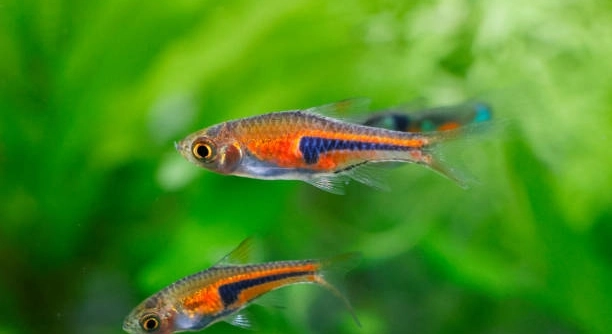
Have you ever noticed your rasboras swimming quietly in their tank and wondered how the environment around them affects their behavior? These small fish can be sensitive to sounds and activity in their surroundings, shaping their daily routines.
Rasboras generally prefer a calm and quiet environment over constant background noise. Excessive sounds or vibrations can cause stress, disrupt feeding habits, and reduce overall activity. A stable, low-noise habitat promotes natural behavior and improves their well-being.
Understanding how sound influences these fish can help create a healthier aquarium. Proper care and attention to their environment support their comfort and long-term health.
How Rasboras React to Noise
Rasboras are naturally alert fish, and their reactions to sounds are more noticeable than many people realize. In a quiet tank, they swim calmly, explore their surroundings, and interact with each other smoothly. Loud or sudden noises, like clattering objects or loud music near the aquarium, can startle them. Even vibrations from walking near the tank may cause them to dart or hide. Over time, constant disturbances can lead to chronic stress, which affects their immune system, making them more prone to illness. By observing their behavior, you can see when they are uncomfortable. Signs include staying close to the bottom, hiding behind decorations, or clustering tightly in one area. Adjusting the environment by reducing external noise and keeping daily activity around the tank minimal allows the fish to maintain normal patterns. A calm atmosphere encourages natural movement, feeding, and social behavior, keeping the group cohesive and healthy.
Keeping noise levels low helps rasboras feel secure and active. They respond best to stable, gentle surroundings.
Creating a quiet environment also supports feeding and breeding habits. In a low-noise tank, rasboras are more willing to explore for food and show natural interaction with each other. Stress from sound can slow growth, reduce appetite, and lead to abnormal behavior. Providing plants, hiding spots, and smooth surfaces can further reduce the impact of vibrations. Tank placement matters as well; avoid high-traffic areas or locations near speakers, doors, or appliances that produce frequent noise. Gradually acclimating the fish to mild, consistent background sounds, if unavoidable, can help reduce stress. Observing the tank for behavioral changes gives clues about whether the environment is suitable. By combining careful placement, proper decoration, and attentiveness to sounds, the tank becomes a supportive space where rasboras can thrive. Their natural activity, schooling patterns, and overall health improve significantly when disturbances are minimized. Maintaining these conditions ensures a peaceful setting that benefits all the inhabitants.
Common Sources of Disturbance
Daily household noises can affect rasboras even if they seem minor. Sounds from nearby televisions, appliances, or talking can create stress.
Unexpected loud noises or vibrations trigger strong reactions in rasboras. Continuous exposure can lead to hiding, reduced feeding, and sluggish behavior. They may become less social and avoid swimming freely. Over time, this constant stress compromises their immune system, increasing susceptibility to diseases. Even moderate noise can interfere with their natural schooling patterns, causing tension among the group. Minimizing movement near the tank and keeping high-frequency sounds to a minimum is key. Small adjustments, like moving the aquarium away from heavy foot traffic or placing it in a quieter room, can make a noticeable difference. Additionally, using gentle water filters or equipment that operates quietly helps maintain a low-stress environment. Observing behavior after changes allows you to confirm improvements. Ensuring a peaceful space is essential for keeping rasboras active, healthy, and displaying their natural behaviors consistently.
Adjusting Tank Conditions
Even small changes in tank setup can influence how rasboras react to sound. Adding plants, rocks, and hiding spots reduces stress. Positioning the aquarium away from doors or loud appliances helps them feel secure. Quiet filters and gentle water movement also contribute to a calmer environment.
Tank decorations serve as shields against disturbances. Dense planting offers safe zones where fish can retreat when startled. Rocks and caves provide similar protection, breaking up vibrations and reducing the impact of sudden noises. The arrangement of these elements also encourages natural exploration and social behavior, letting rasboras move freely without feeling exposed. Maintaining stable water conditions, consistent lighting, and gentle filtration complements the reduced noise, creating a balanced habitat.
Gradually introducing unavoidable sounds can help rasboras acclimate. Start with low levels of background noise, increasing slowly over time while observing behavior. Fish that remain active, feed well, and maintain schooling patterns indicate successful adaptation. If signs of stress appear, adjust the setup or reduce noise immediately. Consistency is important; sudden changes in equipment, lighting, or surroundings can undo progress. By combining careful tank design with mindful placement and gradual acclimation, you support both physical health and natural behavior. Rasboras respond well to predictability, and a thoughtful approach ensures they remain comfortable and active in their environment.
Monitoring Behavior
Rasboras display clear signals when they are stressed by noise or vibrations. Watch for hiding, clustering, or reduced movement. Quick responses to changes indicate discomfort, requiring adjustments.
Observing feeding habits is crucial. Fish that avoid food, eat less, or suddenly stop schooling may be reacting to their environment. Comparing behavior across different times of day and locations in the tank helps pinpoint triggers. Keep a consistent routine for feeding and maintenance, reducing sudden disruptions. Even minor behavioral changes can signal long-term stress if ignored. Regular observation allows timely interventions.
Recording daily patterns supports a healthy environment. Note activity levels, interactions, and response to new sounds or objects. Behavioral logs help identify recurring stressors and evaluate the effectiveness of changes. If the fish consistently show signs of agitation, consider rearranging decorations, moving the tank to a quieter space, or adjusting equipment operation. Combining observation with environmental management ensures rasboras remain comfortable, active, and healthy. Over time, this proactive monitoring reduces chronic stress and promotes natural schooling, feeding, and swimming behaviors, making the tank a stable habitat.
Ideal Noise Levels
Rasboras thrive in low to moderate noise environments. Continuous loud sounds or vibrations can cause stress. Keeping everyday household noises away from the tank helps them remain calm and active throughout the day.
Gentle background noise, like soft humming from distant appliances, is usually tolerated. Avoid sudden bursts of sound. Consistency is more important than total silence, as predictable conditions reduce stress and maintain normal feeding and schooling behavior.
Using Plants and Decorations
Plants and decorations act as natural buffers against noise. Dense foliage, rocks, and caves provide hiding spots and reduce the impact of vibrations. Strategically arranging these elements creates zones where rasboras can feel secure, encouraging natural swimming and social interaction while minimizing stress from environmental disturbances.
Equipment Placement
Positioning filters, heaters, and pumps correctly reduces excess vibrations. Secure equipment and ensure it runs quietly. Minimizing noise from mechanical devices supports a stable, comfortable environment for rasboras, allowing them to maintain normal behavior patterns without unnecessary stress.
Do rasboras get stressed by loud noises?
Yes, rasboras are sensitive to sudden or continuous loud noises. Excessive sounds, such as slamming doors, music near the tank, or heavy vibrations, can startle them. When stressed, they may hide, swim erratically, or cluster tightly in one area. Prolonged exposure can affect feeding, reduce activity, and compromise their immune system. Creating a calm, low-noise environment helps them remain active and healthy, supporting natural behavior and overall well-being.
Can rasboras adapt to background noise?
Rasboras can gradually adjust to mild, consistent background noise if introduced slowly. Low hums from distant appliances or soft sounds they encounter daily usually do not cause long-term stress. Consistency is key; unpredictable or sudden noises prevent acclimation. Observing their behavior after introducing any sound helps determine whether they are adapting or showing signs of discomfort. Signs of adaptation include normal swimming, active schooling, and regular feeding.
What types of noise are most harmful?
Sudden loud noises, like banging on walls, dropping heavy objects near the aquarium, or music played at high volumes, are particularly stressful for rasboras. Continuous vibrations from nearby appliances, pumps, or foot traffic can also cause chronic stress. Even moderate disturbances repeated throughout the day can disrupt their natural routines. Noise that interferes with feeding, schooling, or exploration is harmful and should be minimized. Ensuring a quiet, stable environment is essential to maintain their health and comfort.
How can I reduce noise around my aquarium?
Position the tank away from doors, windows, and high-traffic areas. Use quiet filters, heaters, and pumps to limit mechanical vibrations. Adding dense plants, rocks, and hiding spots can also buffer external noise. Soft surfaces under the tank, like mats, help absorb vibrations. Minimizing household disruptions and avoiding sudden, loud activities near the aquarium ensures rasboras remain calm. Small adjustments in placement and equipment can make a significant difference in reducing stress.
Do rasboras behave differently in noisy environments?
Yes, in noisy tanks, rasboras often hide behind plants or decorations, reduce swimming activity, or cluster unnaturally. They may avoid feeding, skip social interactions, or dart unpredictably when startled. Long-term exposure to noise can affect their health, making them more susceptible to disease. Observing these behaviors allows you to identify and address environmental stressors. A calm tank with consistent routines promotes normal schooling, feeding, and exploration patterns.
Are some rasboras more sensitive than others?
Individual sensitivity can vary. Younger or newly introduced rasboras are often more reactive to disturbances, while older fish may tolerate mild background noise better. Stress responses depend on previous experiences and the current tank environment. Monitoring all fish closely, especially when changes occur, ensures early intervention and helps maintain a peaceful and stable habitat for the entire group.
Is silence always necessary for rasboras?
Complete silence is not required. Rasboras tolerate low-level, consistent background noise well, such as distant appliance hums. The key is predictability and avoiding sudden, loud disturbances. Balanced noise levels, combined with proper tank decoration, placement, and stable water conditions, allow rasboras to swim naturally, feed regularly, and interact comfortably with each other.
How do I know if my rasboras are stressed?
Signs of stress include hiding excessively, reduced swimming, loss of appetite, erratic movements, or unusual clustering. Frequent aggression or avoidance behavior within the group can also indicate discomfort. Monitoring their daily behavior, observing interactions, and noting changes after environmental adjustments help identify stress early and prevent long-term health issues.
Can rasboras recover from noise stress?
Yes, with a calm environment and proper care, rasboras can recover. Removing stressors, providing hiding spots, stabilizing water conditions, and maintaining consistent feeding routines support recovery. Gradual acclimation to unavoidable mild background noise helps rebuild confidence. Fish that resume normal schooling, exploration, and feeding behaviors indicate successful adjustment and improved well-being.
Does tank size influence how noise affects rasboras?
Larger tanks with ample swimming space and decorations allow rasboras to escape or avoid noisy areas, reducing stress. Smaller tanks may amplify disturbances, making fish more sensitive. Proper placement of plants, rocks, and equipment helps manage noise impact regardless of tank size, ensuring a stable, comfortable environment.
How frequently should I monitor their behavior?
Daily observation is ideal. Check for changes in swimming, feeding, and interaction. Even small variations can signal stress from noise or environmental factors. Regular monitoring helps address issues quickly and maintain a healthy, balanced tank, ensuring rasboras remain active, social, and comfortable.
Rasboras are delicate and social fish that respond strongly to their environment. Noise, vibrations, and sudden disturbances can affect their behavior, feeding, and overall health. In a quiet and stable tank, these fish tend to swim calmly, interact naturally with each other, and display normal schooling patterns. Creating a low-stress environment involves more than just limiting loud sounds. Tank placement, equipment noise, decorations, and plants all play a role in shaping how rasboras experience their surroundings. Even everyday household noises can have an impact, especially if they are frequent or sudden. By observing their behavior, you can see when they are comfortable and when adjustments are needed. Calm water movement, consistent lighting, and secure equipment all contribute to a peaceful habitat, helping rasboras remain active and healthy.
Providing hiding spots and natural barriers in the tank is another key factor in reducing stress. Dense plants, rocks, and caves allow fish to retreat when startled, breaking up vibrations and providing secure zones. These elements also encourage natural exploration, giving the fish opportunities to move freely while still feeling protected. Gradual exposure to unavoidable low-level background noise can help them adapt without compromising health. Over time, a carefully arranged tank with minimal disturbances allows rasboras to thrive. Maintaining consistent routines for feeding, cleaning, and tank maintenance further reduces stress and keeps their behavior predictable. Fish that feel safe are more likely to feed properly, swim actively, and display social interactions typical of their species, which are important indicators of overall well-being.
Monitoring behavior is essential to ensure the tank remains suitable for rasboras. Signs of stress, such as hiding, clustering, reduced feeding, or erratic swimming, should be addressed promptly by adjusting the environment. Even small changes, like moving the tank away from a noisy area or securing equipment to reduce vibrations, can improve comfort significantly. Observing their daily patterns helps identify triggers and ensures long-term health. By combining careful placement, a low-noise environment, proper decorations, and attentive monitoring, you can create a stable, comfortable space where rasboras can live naturally. With consistent care, patience, and attention to their responses, these small fish can enjoy a calm, active, and healthy life in the aquarium, showing the full range of behaviors that make them so rewarding to keep.

Hello,
If you enjoy the content that we create, please consider saying a "Thank You!" by leaving a tip.
Every little bit helps us continue crafting quality advice that supports the health, happiness, and well-being of pets around the world, for pets of all shapes, sizes, and species.
We really appreciate the kindness and support that you show us!