
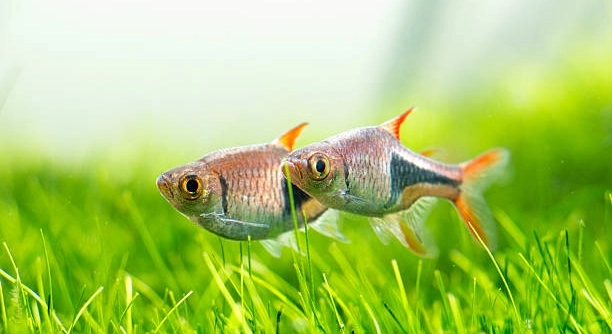
Many aquarists enjoy arranging their tanks with colorful decorations, plants, and rocks. Watching rasboras swim through these environments can be relaxing, but their reactions to new objects or rearrangements are often subtle and easy to miss.
Rasboras can notice changes in their scenery, responding to altered environments with cautious exploration or temporary stress. They rely on visual cues and familiar landmarks to navigate, so sudden modifications may influence their behavior until they adjust over time.
Observing these subtle responses can improve how you set up and maintain a comfortable tank for your fish companions.
How Rasboras React to New Decorations
Introducing new plants or ornaments can immediately catch a rasbora’s attention. They often pause and swim slowly around the object, assessing it before approaching. Sudden changes may make them skittish at first, but their curiosity usually wins. Over a few days, they begin to explore confidently, incorporating the new item into their familiar swimming paths. Movement patterns can shift slightly as they learn the new layout. Even minor changes, like rearranging rocks or adding a small backdrop, can influence how they interact with the tank. Watching these adjustments can help you understand their comfort level and natural instincts. It is best to introduce changes gradually, allowing them to adapt without stress. Lighting, water clarity, and tank mates all play a role in how they respond. Regular observation is key, as each fish may react differently depending on personality and previous experiences in similar environments.
Rasboras show both caution and curiosity, often inspecting additions carefully while gradually returning to normal swimming routines.
Keeping track of these responses allows you to notice patterns, helping create a more stable and engaging tank setup for your fish. It also strengthens your understanding of their natural instincts and adaptive behaviors. Over time, you can make thoughtful adjustments that maintain both their comfort and stimulation. Observing them closely reveals subtle changes in posture, schooling behavior, and swimming speed, all indicators of their reaction to the environment. Small steps in redecorating can prevent unnecessary stress, ensuring they remain healthy and active. A calm approach to tank adjustments helps maintain harmony among all inhabitants, making the aquatic space enjoyable for both the fish and you. Learning to read these signals adds a layer of satisfaction to daily care, turning routine maintenance into a mindful practice. The more attuned you become to their reactions, the better you can plan changes that encourage natural exploration and reduce tension.
Signs Your Rasboras Are Adjusting
Changes in swimming patterns and group behavior are often the first signs of adaptation.
When rasboras adjust, you may notice them returning to familiar areas while gradually exploring new decorations. They begin to integrate altered spaces into daily routines, demonstrating flexibility and curiosity. Some may hover near new objects initially, then slowly swim through or around them. This cautious approach helps prevent stress and potential injuries. Over several days, their schooling behavior stabilizes, and feeding routines normalize. Watching these adjustments carefully gives insight into their comfort level and confidence. Gradual acceptance of new items indicates they are becoming accustomed, allowing for further enrichment. Temporary hiding is normal and should not be a concern unless it persists. Consistent observation helps identify subtle changes in posture, fin movement, and interactions with tank mates. Understanding these patterns allows for a more responsive and caring approach to aquarium management, ensuring both mental stimulation and physical safety for your rasboras. Adaptation is a process, and patience is key.
Adjusting Lighting and Tank Conditions
Lighting changes can affect rasboras’ comfort and behavior. Brighter lights may make them skittish, while dimmer, consistent lighting helps them feel secure. Gradual adjustments prevent stress and allow them to adapt naturally over time.
Sudden shifts in water temperature or pH can also influence their reactions. Rasboras are sensitive to their environment, so consistent conditions are important for their wellbeing. Even small changes in current strength or filtration placement can alter how they swim and interact with each other. Keeping the tank stable while slowly introducing any adjustments ensures they remain calm. Observing their responses during this time allows you to see how they adapt, providing insight into their needs. This careful approach helps maintain both their health and natural behavior.
Monitoring their behavior after lighting or water adjustments can show subtle signs of stress or comfort. Increased hiding, slower swimming, or hesitation near new objects may occur initially. Gradually, they begin exploring again and resume normal schooling patterns. Noting these changes helps you make informed decisions about further tank modifications. Consistent routines in feeding and environmental conditions support their confidence, encouraging natural activity and interaction. Tracking how they respond to adjustments makes maintaining a healthy, balanced tank much easier and more rewarding.
Feeding and Environmental Enrichment
Providing varied foods helps rasboras remain active and curious. Small, frequent meals encourage natural foraging behavior and reduce stress in the tank.
Introducing floating plants, small caves, or gentle currents can stimulate exploration without causing anxiety. Rasboras often investigate these items while maintaining group cohesion. Observing how they interact with enrichment allows you to gauge their comfort level. Gradual changes in decor or additions help maintain a balance between stimulation and security, preventing sudden stress reactions. Enrichment should complement their natural swimming patterns, encouraging interaction and reducing boredom. Over time, they adjust, incorporating new elements into daily routines without disrupting social behavior or feeding schedules.
Consistent environmental enrichment supports both physical activity and mental engagement. Rotating decorations or changing plant placements occasionally keeps the tank interesting. Rasboras respond to new textures and shapes, often inspecting them before integrating into their swimming paths. Small currents or gentle water flow adjustments add variety, promoting natural behaviors like schooling and coordinated movement. Observing reactions to these changes ensures that modifications are beneficial and not overwhelming. Balancing stimulation with stability allows rasboras to remain confident while exploring. This thoughtful approach enhances their overall wellbeing, creating a dynamic yet comfortable habitat that meets both social and environmental needs.
Social Dynamics in Changing Tanks
Rasboras often adjust their schooling behavior when decorations or layouts change. They may stay closer together at first, seeking security in numbers.
Over time, they regain normal spacing and coordination. Social cues help them navigate new environments safely, reducing stress and promoting confidence as they explore.
Recognizing Stress Signals
Signs like hiding, rapid swimming, or fin clamping indicate discomfort. Monitoring these behaviors allows timely intervention to prevent long-term stress or injury. Maintaining familiar areas while gradually introducing changes helps them feel secure, encouraging healthy adaptation and consistent activity.
Gradual Introduction of Changes
Slowly adding new objects, rearranging decorations, or adjusting lighting gives rasboras time to acclimate. Abrupt alterations can trigger stress and disrupt routines, so patience ensures smoother adaptation. Gradual changes allow them to explore safely and maintain social cohesion within the group.
Maintaining Consistent Feeding
Regular feeding schedules help rasboras feel secure despite changes. Consistent portions and timing reduce stress and support healthy behavior and growth, keeping them active and engaged in their environment.
FAQ
Do rasboras notice when I move decorations in their tank?
Yes, rasboras are very sensitive to changes in their environment. They use visual landmarks to navigate, so moving decorations can make them cautious. At first, they may hover near familiar areas or swim hesitantly, observing the new layout. Over a few days, most fish explore the changes confidently. Gradual rearrangements reduce stress and help them adapt faster.
How long does it take for rasboras to adjust to a new tank layout?
Adjustment times vary, but typically it takes several days to a week. Some individuals are bolder and explore sooner, while shy ones may hide until they feel safe. Consistency in lighting, water quality, and feeding schedules speeds up adaptation. Frequent observation helps determine if any additional support or modifications are needed.
Will rasboras get stressed from sudden changes?
Yes, abrupt changes in scenery, lighting, or water conditions can cause temporary stress. Signs include hiding, rapid swimming, fin clamping, or reduced feeding. Stress can be minimized by introducing changes slowly, maintaining stable water parameters, and providing familiar hiding spots. Continuous monitoring allows you to detect issues early.
Do all rasboras react the same way to environmental changes?
No, each fish has a slightly different personality. Some are naturally curious and adjust quickly, while others are more cautious and take longer to explore new additions. Observing individual behaviors helps you understand group dynamics and plan tank changes that reduce overall stress.
How can I make changes less stressful for my rasboras?
Introduce one change at a time, such as a single plant or decoration. Keep water conditions stable, maintain consistent lighting, and allow them to acclimate before making further modifications. Adding familiar objects gradually encourages exploration without overwhelming them. Providing hiding spots or gentle currents also supports a comfortable transition.
Do rasboras notice changes in lighting or water flow?
Yes, lighting intensity and water currents influence behavior. Brighter lights can make them skittish, while dimmer, consistent lighting promotes comfort. Sudden shifts in water flow or filtration placement can also affect swimming patterns. Gradual adjustments allow them to adapt naturally, maintaining normal activity and schooling behavior.
Can changes affect feeding behavior?
Environmental changes may temporarily impact appetite. Rasboras may be hesitant to feed in a newly arranged tank or around new decorations. Maintaining regular feeding schedules and observing their response helps them return to normal eating routines. Using familiar foods and slow introduction of changes encourages confidence and reduces stress.
How do I know if rasboras are fully adjusted?
Signs of adjustment include normal swimming patterns, regular schooling behavior, and consistent feeding. They begin exploring new areas without hesitation and return to familiar resting spots. Monitoring social interactions and posture provides additional clues that they feel secure and comfortable in the updated environment.
Are enrichment and decorations necessary for rasboras?
Yes, decorations, plants, and hiding spots provide mental stimulation and mimic natural environments. They encourage exploration, social interaction, and reduce boredom. Thoughtful placement and rotation of items can enhance their habitat without causing stress, keeping them active and engaged.
What should I avoid when changing the tank environment?
Avoid moving all decorations at once, drastically changing lighting, or altering water conditions suddenly. These abrupt changes can increase stress and disrupt routines. Gradual, measured adjustments, paired with observation, ensure that rasboras remain confident, healthy, and active in their tank.
Can rasboras remember previous tank layouts?
Yes, they have a good sense of spatial memory. Familiar objects serve as reference points, helping them navigate safely. Moving objects too frequently can temporarily confuse them, but gradual rearrangements allow them to incorporate new landmarks while retaining knowledge of safe zones and resting areas.
Does social behavior change with new decorations?
Rasboras may temporarily tighten their schooling when exposed to unfamiliar items. They rely on group cohesion for security. Over time, as they adjust, schooling spacing returns to normal. Monitoring these patterns helps ensure all fish remain comfortable and reduces the risk of stress-related behavior.
Are certain types of decorations better for rasboras?
Plants, smooth rocks, and small caves are ideal, providing hiding spots and exploration opportunities. Sharp or unstable decorations should be avoided to prevent injuries. Natural textures help them feel secure, and varied shapes encourage movement and interaction without overwhelming the group.
Can I predict how rasboras will react to changes?
Reactions can be anticipated based on past behavior and personality. Bold fish adapt faster, while timid ones may need extra time and familiar hiding spots. Observing group dynamics and gradually introducing modifications allows you to predict and manage their responses effectively, minimizing stress.
Do rasboras get bored without changes?
Yes, a static environment can reduce activity and curiosity. Regular, gentle enrichment encourages natural behaviors like exploration, schooling coordination, and foraging. Rotating decorations, adding plants, or adjusting currents occasionally keeps them engaged and mentally stimulated, promoting overall health and wellbeing.
How often should I make changes to the tank?
Frequent, small adjustments are better than large, abrupt changes. Introducing one item at a time every few weeks is sufficient. This maintains interest without overwhelming the fish, allowing them to adapt naturally while preserving stable environmental conditions and social harmony.
Is it necessary to monitor fish closely after changes?
Yes, close observation after any adjustment is important. Watching for hiding, unusual swimming, or reduced feeding helps identify stress early. This allows timely interventions, like adding familiar objects, adjusting lighting, or temporarily reducing changes, to ensure a healthy and comfortable tank environment.
Do rasboras interact with new objects immediately?
Not always. Many observe from a distance before approaching. Curiosity grows gradually, and some individuals may take longer to explore. Providing familiar reference points and stable water conditions encourages safe interaction while reducing stress during initial encounters.
Can tank mates affect adjustment to changes?
Yes, the presence of other fish influences confidence and exploration. Schooling together provides security, while aggressive or overly timid tank mates may slow adaptation. Ensuring compatible companions helps maintain normal social behavior and facilitates smoother adjustment to new elements.
What is the best approach for long-term tank management?
Gradual changes, consistent routines, regular observation, and thoughtful enrichment support long-term wellbeing. Balancing stability with occasional variety keeps rasboras active, confident, and healthy, creating a harmonious and dynamic aquatic environment that meets both social and environmental needs.
Rasboras are small, active fish that respond to changes in their environment in subtle but noticeable ways. Observing their behavior closely reveals how they adapt to new decorations, altered lighting, or shifts in water flow. While some may seem cautious at first, their natural curiosity usually guides them to explore new areas gradually. Over time, they learn to navigate altered spaces with confidence, showing that they are aware of and responsive to changes around them. Providing familiar landmarks, hiding spots, and consistent conditions helps them adjust without stress. Even minor adjustments in their tank, like adding a small plant or moving a rock, can influence how they swim and interact with other fish. These small details matter because they shape the overall comfort and wellbeing of the fish. Taking note of their reactions allows for a smoother transition when introducing changes, supporting both physical health and natural behavior.
Creating a stable environment while gently introducing variety is key to keeping rasboras comfortable and engaged. Gradual rearrangements, incremental lighting changes, or slowly adding new objects can prevent unnecessary stress. Consistent feeding routines also provide a sense of security, encouraging normal behavior despite changes in their surroundings. Social dynamics play a role too, as rasboras often rely on group cohesion for confidence. When one or more fish show hesitation or increased hiding, others may react similarly. Paying attention to these patterns ensures that adjustments do not disrupt their natural rhythm or social interactions. Environmental enrichment, such as floating plants, gentle water currents, or small caves, keeps them mentally and physically stimulated while maintaining stability. Observing how they explore and interact with these elements gives insight into their comfort level and preferences, allowing for a more tailored approach to tank management.
Over time, understanding rasboras’ responses to changes helps maintain a harmonious and healthy aquarium. They gradually incorporate new objects into their daily routines and swimming paths while continuing to rely on familiar points of reference. Watching subtle signs, such as schooling behavior, posture, or feeding patterns, provides clues about their stress levels and adaptation progress. By balancing stability with occasional changes, you can create a dynamic but secure environment that encourages exploration, social interaction, and natural activity. Careful observation and patience are essential to ensure they remain confident and healthy. With a thoughtful approach, adjustments to the tank can enhance their wellbeing, offering both stimulation and comfort in their habitat. This attentive care allows you to provide a space where rasboras thrive while maintaining the balance needed for long-term health and happiness.

Hello,
If you enjoy the content that we create, please consider saying a "Thank You!" by leaving a tip.
Every little bit helps us continue crafting quality advice that supports the health, happiness, and well-being of pets around the world, for pets of all shapes, sizes, and species.
We really appreciate the kindness and support that you show us!