
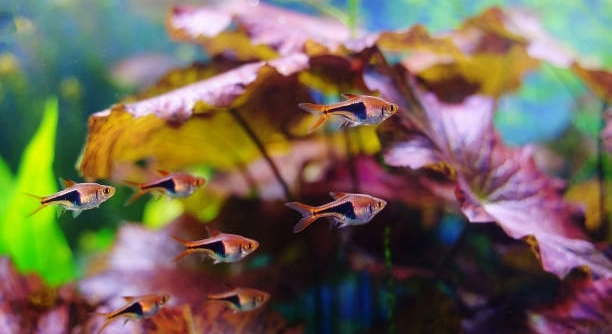
Rasboras are small, colorful fish that bring life to any aquarium. Many owners focus on water quality and tank mates but often overlook the visual environment these fish experience daily. Tank backgrounds can influence their comfort and behavior.
Rasboras benefit from having a background in their tank. Backgrounds reduce stress by providing a sense of security, limit reflections that may confuse the fish, and enhance their natural coloration. A proper backdrop contributes to overall well-being and a stable environment.
Choosing the right background may seem simple, but it affects both aesthetics and fish behavior. Even subtle changes can create a more harmonious and comfortable aquarium for your rasboras.
How Backgrounds Affect Rasboras
Rasboras are sensitive to their surroundings. A plain or reflective tank can make them nervous, causing them to hide more or swim erratically. Adding a background creates a stable visual environment that helps them feel safe. Dark or natural-colored backgrounds often work best because they mimic the subtle shades of rivers and streams. Many hobbyists overlook this simple addition, yet it can significantly improve fish behavior. Over time, you may notice your rasboras exploring more freely, swimming in open spaces, and displaying their colors more vividly. A consistent backdrop also reduces stress from sudden reflections or bright room lights. Even minimal decorations paired with a good background can make the tank feel more secure for these small, active fish. Observing them in a calmer state can be rewarding, as their natural behaviors become more visible, creating a more pleasant aquarium experience overall.
Backgrounds also make tanks appear cleaner and more organized, enhancing both fish comfort and visual appeal.
Adding a background is not just cosmetic. Fish respond to perceived shelter, and the presence of a backdrop reduces stress hormones. It can even encourage social behavior, making schooling more cohesive. Natural textures or printed images of plants and riverbeds can stimulate a more natural environment. While live plants provide cover, backgrounds ensure the entire tank feels enclosed. Choosing the right background involves considering color, pattern, and light reflection. Lighter backgrounds may make the tank appear bigger but can stress timid fish. Darker backgrounds create a safe, cozy feeling. Even partial coverage can be enough for some species, but full coverage tends to be most effective. When combined with stable water parameters and compatible tank mates, a proper background enhances both fish health and owner satisfaction. Regularly observing your rasboras will show clear differences in activity and comfort when a suitable background is added.
Types of Backgrounds to Use
Plain colored backgrounds are simple but effective for reducing stress in rasboras.
There are several options for tank backgrounds. Solid colors like dark blue, black, or green work well to create a calm environment. Printed backgrounds with images of plants, rocks, or riverbeds add depth and interest without overcrowding the tank. Adhesive vinyl is popular because it’s easy to apply and remove, while magnetic or static cling options offer flexibility for changes. Some hobbyists even paint the outside of the tank, providing a custom look. Natural materials like cork or wood panels can also serve as a backdrop if treated safely. The key is ensuring the background covers reflective surfaces that may startle the fish. Positioning lights to avoid glare helps maximize the effect. Overall, selecting a background is a simple step that benefits both the visual presentation and the comfort of your rasboras, creating a more enjoyable tank environment for observation and care.
Choosing the Right Color
Dark backgrounds make rasboras feel secure and reduce stress. Neutral tones like black, brown, or deep green work best. Bright or reflective colors can startle them, so subtle shades are preferable to create a calm and natural environment that encourages normal behavior.
The color of a tank background directly affects fish comfort. Darker shades help rasboras feel hidden from perceived threats, lowering stress levels and supporting healthier activity. Lighter backgrounds may make timid fish nervous, causing them to dart or hide frequently. Choosing a natural, subdued color also enhances the fish’s natural colors, making their reds, oranges, and silvers more noticeable. The effect is both functional and visually appealing, helping the aquarium look balanced while improving fish well-being.
Matching background color with tank decor is important. Plants, substrate, and decorations should complement the backdrop. Dark backgrounds highlight lighter decorations, while neutral shades allow plants and rocks to stand out naturally. A coordinated look benefits both fish and the overall aesthetics, making the tank more enjoyable to observe every day. Subtle variation in color can also prevent the environment from feeling flat while maintaining a secure feeling for rasboras.
Placement and Coverage
Full coverage behind the tank is ideal, but partial coverage can still benefit rasboras. Avoid gaps that create sudden reflections or exposed walls.
Background placement affects fish behavior significantly. Covering the back and sides of the tank reduces reflections that may confuse or stress rasboras. Full coverage ensures a consistent environment, preventing sudden visual disturbances. Partial backgrounds can work for small tanks, but any exposed areas may startle fish or cause hiding behavior. Backgrounds should be positioned behind all visible glass panels, leaving no bright spots from room lights. The combination of coverage and correct color ensures a secure and stable visual environment, encouraging natural movement and interaction among the school of fish.
The type of background material can influence placement options. Adhesive vinyl sticks directly to the glass, providing smooth coverage with minimal maintenance. Magnetic or static cling options allow adjustments without residue, while printed images offer realistic natural settings. Choosing a material that fits the tank size and remains in place over time ensures consistent benefits. Even in tanks with decorations, the backdrop should remain visible and unobstructed, maintaining its calming effect. Regular inspection prevents peeling or curling, which can create reflections and reduce effectiveness. Properly positioned, the background complements the aquascape while improving rasboras’ comfort, resulting in a lively and healthy tank environment.
Benefits of a Textured Background
Textured backgrounds give rasboras visual interest without overcrowding the tank. Patterns like plants, rocks, or subtle gradients create a natural look. These backgrounds provide a sense of depth and help fish feel more secure, reducing stress from reflections and empty-looking walls.
Adding texture also enhances the tank’s aesthetic appeal. Fish appear more vivid against natural patterns, and it helps break up flat surfaces. Subtle textures can mimic natural habitats, making the environment more engaging for the fish. Even minimal textures can influence behavior positively, encouraging exploration while maintaining a calm atmosphere in the tank.
Reflective Surfaces and Stress
Shiny or mirrored walls can make rasboras nervous. Reflections may confuse them or trigger hiding behavior.
Maintenance and Cleaning
Backgrounds are low maintenance but should be cleaned occasionally. Wipe the surface gently to avoid peeling or damage.
DIY vs. Store-Bought Options
DIY backgrounds can be customized in color, pattern, and size, fitting the tank perfectly. They are cost-effective and allow creativity. Store-bought options offer convenience, durability, and professional designs, saving time while still providing a secure environment for rasboras. Choosing between the two depends on preference, budget, and desired visual effect.
FAQ
Do rasboras need a background to feel safe?
Yes, backgrounds help create a sense of security. They reduce reflections that can startle the fish and provide a consistent visual environment. A suitable backdrop mimics natural surroundings, which encourages normal swimming patterns and social behavior within the school. Even small tanks benefit from some form of background coverage.
What colors work best for a rasbora tank background?
Dark and neutral colors like black, brown, and deep green are ideal. These shades reduce stress and make the fish feel hidden from perceived threats. Bright or reflective colors can cause anxiety or erratic swimming. Choosing natural tones also enhances the fish’s coloration, making their reds, silvers, and oranges more vibrant.
Can I use a partially covered background?
Partial backgrounds can provide some benefit, but full coverage is usually more effective. Gaps may cause sudden reflections or exposed walls that make fish nervous. Even a partial backdrop is better than none, especially in small tanks, but covering all visible sides creates a more consistent and calming environment.
Are textured or patterned backgrounds better than plain ones?
Both options work, but textured or natural patterns add visual depth and stimulate the fish’s environment. Patterns resembling plants, rocks, or riverbeds make the tank appear more natural and help rasboras feel more secure. Plain backgrounds reduce reflections and stress but may look less engaging. Combining subtle patterns with neutral colors often works best.
Do backgrounds affect schooling behavior?
Yes, they do. When rasboras feel secure, they are more likely to swim in coordinated schools. A consistent backdrop reduces stress and distractions, encouraging natural social interactions. In tanks without a proper background, fish may hide more frequently or swim irregularly, which can disrupt schooling and overall tank harmony.
How do reflective surfaces impact rasboras?
Reflections can confuse or startle rasboras, making them hide or dart quickly. Mirrors, shiny glass, or unshielded tank walls increase stress and can affect health over time. Backgrounds reduce these reflections, helping fish maintain normal behavior and feel safer in the aquarium.
Can live plants replace a background?
Live plants provide cover and enrichment but don’t fully replace a background. Plants help reduce stress and offer hiding spots, but reflections from tank walls and open spaces remain an issue. Combining plants with a background gives both physical and visual security, creating the most comfortable environment.
How often should I clean the background?
Backgrounds require minimal maintenance. Gently wipe off dust, algae, or residue during routine tank cleaning. Avoid harsh scrubbing or abrasive materials that can peel or damage vinyl or printed surfaces. Keeping the background clean ensures it remains visually appealing and continues to provide a secure environment for the fish.
Are store-bought backgrounds better than DIY options?
Both have advantages. Store-bought backgrounds are durable, easy to install, and often designed for optimal aesthetic and security. DIY options allow customization in color, size, and pattern, often at lower cost. The best choice depends on personal preference, budget, and how well it fits the tank setup.
Will a background improve my tank’s appearance?
Yes, a well-chosen background enhances the visual appeal of the tank. It highlights the fish, complements decorations, and provides depth. Even a simple, dark-colored background can make the tank look cleaner and more organized while improving the comfort and behavior of your rasboras.
Can backgrounds help with new fish acclimation?
Absolutely. New rasboras are often nervous in unfamiliar environments. A background gives them visual security and reduces stress, making acclimation smoother. Combined with stable water conditions and proper tank mates, it supports a calmer transition into the tank.
Do backgrounds affect lighting in the tank?
Backgrounds can slightly change how light reflects inside the aquarium. Dark backgrounds absorb light, creating a cozy environment, while lighter shades may make the tank appear brighter but can increase stress for timid fish. Choosing the right background balances aesthetics with fish comfort.
Is it safe to switch backgrounds frequently?
Frequent changes can stress rasboras. They become accustomed to their environment, and sudden visual changes may make them nervous. It’s best to choose a background that works long-term and avoid constant adjustments, especially in smaller or heavily stocked tanks.
Do all rasbora species benefit equally from backgrounds?
Yes, though some may be more sensitive than others. Small, schooling rasboras like Harlequin Rasboras respond particularly well to visual security. Most species benefit from reduced reflections, natural colors, and a stable environment that a background provides. Even hardy species show calmer behavior with proper backgrounds.
Can I use a background with a heavily planted tank?
Yes, and it’s recommended. A background complements plants by reducing reflections behind open areas and highlighting foliage. Plants provide physical hiding spots, while the backdrop ensures visual consistency. Together, they create a balanced, secure, and visually appealing environment for rasboras.
Will a background reduce stress-related illnesses?
A proper background lowers stress, which can contribute to better immunity and reduce susceptibility to common diseases. While it doesn’t replace good water quality or diet, it supports overall health by creating a calmer, more predictable environment for the fish.
Are there any materials to avoid for backgrounds?
Avoid materials that can leach chemicals or degrade in water, such as untreated paper, certain adhesives, or painted surfaces not designed for aquariums. Stick to vinyl, static cling, magnetic, or aquarium-safe natural materials to ensure safety and durability.
How do I know if my background is helping?
You can observe behavior. Fish should swim more openly, display natural colors, and school more consistently. Reduced hiding and calmer movement indicate that the background is providing the intended security and visual stability for the rasboras.
Can backgrounds be combined with decorations?
Yes, backgrounds work alongside rocks, driftwood, and plants. They provide visual depth and reduce stress, while decorations offer physical cover. Proper arrangement ensures a natural, comfortable environment without cluttering the tank or restricting swimming space.
Do backgrounds affect feeding behavior?
Backgrounds indirectly support feeding behavior by reducing stress. Fish that feel secure are more likely to swim freely and accept food without hesitation. A stable visual environment encourages normal routines and improves overall activity during feeding times.
Will backgrounds fade over time?
Some printed or vinyl backgrounds may fade with prolonged exposure to light and water. Choosing high-quality materials and avoiding harsh cleaning ensures longer-lasting color and effectiveness. Even faded backgrounds can continue to provide a sense of security if still covering reflective surfaces properly.
Can backgrounds be reused in other tanks?
Yes, most backgrounds can be reused if they are in good condition. Adhesive vinyl, magnetic, or static cling options are especially reusable. Proper care and gentle removal prevent damage, allowing you to use them in different tanks or setups over time.
Do backgrounds help with breeding rasboras?
Yes, a calm environment with reduced stress supports breeding. Backgrounds create a sense of safety, which encourages natural behaviors, including spawning. Combined with proper water parameters and hiding spots, they can improve success rates for breeding small rasbora species.
Are there common mistakes when using backgrounds?
Common mistakes include choosing bright or reflective colors, leaving gaps, or frequently changing the backdrop. These can increase stress rather than reduce it. Choosing natural colors, covering all visible walls, and maintaining consistency ensures the background serves its intended purpose effectively.
Do backgrounds affect water parameters?
No, most backgrounds do not affect water chemistry when made of safe materials. Ensure adhesives or paints are aquarium-safe to prevent contamination. Properly installed backgrounds remain purely visual while supporting fish well-being without interfering with water quality.
How do backgrounds help new aquarium setups?
New setups can feel empty or exposed to rasboras. A background immediately reduces visual stress and makes the tank feel more secure, helping fish acclimate quickly. This complements water stabilization, hiding spots, and compatible tank mates for a healthier, balanced environment.
Can backgrounds improve the appearance of small tanks?
Yes, they add depth and hide unsightly walls, making small tanks appear larger and more natural. Dark or textured backgrounds enhance fish colors and highlight decorations, improving both visual appeal and the comfort of the rasboras living inside.
Do backgrounds need to match the substrate?
Not exactly, but complementary colors work best. A dark substrate with a dark background creates a cohesive look, while contrast can highlight plants and decorations. The goal is a balanced environment that feels natural and reduces stress for the fish.
Are backgrounds worth the investment?
Absolutely. They improve fish comfort, reduce stress, enhance colors, and make tanks more visually appealing. Whether DIY or store-bought, a background is a small addition with significant benefits for both rasboras and the overall aquarium experience.
How long before I notice the effects of a new background?
Behavioral changes are often visible within days. Fish may swim more confidently, school more closely, and explore open areas instead of hiding. Full benefits, including improved coloration and calmer movement, may take a couple of weeks as the fish acclimate fully to the new environment.
Can backgrounds be used in outdoor or semi-outdoor tanks?
Yes, but materials must withstand sunlight, moisture, and temperature fluctuations. Vinyl and certain plastics are durable outdoors, while paper or delicate prints may degrade quickly. Properly chosen backgrounds continue to provide visual security for rasboras in such settings.
Is it okay to layer multiple backgrounds?
Layering is possible but usually unnecessary. One well-chosen background is sufficient. Multiple layers may trap air bubbles or cause peeling. Focus on a single, secure background that covers all reflective surfaces to achieve the intended calming effect.
Do backgrounds impact aquarium photography?
Yes, a good background enhances fish colors and makes images more visually appealing. Dark or neutral tones reduce glare, while textured patterns can add depth. It’s especially helpful when photographing small, colorful rasboras to showcase their natural beauty.
Can backgrounds hide equipment like filters and heaters?
Partially. Backgrounds can obscure cords, tubes, and filters behind the tank, creating a cleaner appearance. However, some equipment may still be visible depending on placement. Combining decorations with a background offers the best solution for hiding equipment while maintaining functionality.
Will backgrounds interfere with tank lighting?
Not if chosen correctly. Dark backgrounds absorb light, while neutral ones reflect softly. Avoid overly reflective or glossy options that can create glare. Proper placement ensures lighting highlights the fish and decorations without causing stress or confusion.
Can backgrounds be used in community tanks?
Yes, all peaceful species, including rasboras, benefit from visual security. Backgrounds help reduce stress from reflections and create a stable environment, supporting normal behavior and interactions among different fish species.
Do backgrounds need to be changed seasonally?
No, stability is more important than seasonal changes. Frequent changes can stress rasboras. Choose a background that works year-round and maintain it to ensure consistent benefits. Seasonal decorations can be added in front of the background without removing it.
Are there environmental concerns with using backgrounds?
Only if non-aquarium-safe materials are used. Vinyl, aquarium-safe adhesives, and treated natural materials are safe. Avoid toxic paints or untreated papers, which can leach harmful chemicals. Using safe materials ensures both fish health and minimal environmental impact.
Can backgrounds improve overall aquarium harmony?
Yes, a calm, consistent visual environment supports natural behavior, reduces stress, and encourages schooling. Combined with proper water quality, compatible tank mates, and appropriate decor, a good background contributes significantly to a healthy, balanced aquarium for rasboras.
Is it possible to create a 3D effect with backgrounds?
Yes, printed or textured backgrounds can create depth and dimension. This makes the tank visually interesting and enhances the perception of space for the fish. Layering with plants or rocks can further reinforce the effect, making the environment appear larger and more natural.
Do backgrounds help shy or timid rasboras?
Absolutely. Timid fish benefit most from visual security. Backgrounds reduce stress from reflections and empty walls, encouraging them to explore and interact with the school instead of hiding constantly. Even small improvements in the environment can boost confidence and overall well-being.
Are magnetic or static cling backgrounds reliable long-term?
Yes, when properly applied. They are easy to adjust and remove without residue. Over time, they may need occasional repositioning to maintain full coverage, but they remain effective in providing a stable visual environment for rasboras.
Do backgrounds increase the value of an aquarium setup?
They enhance aesthetics, fish comfort, and visual appeal, which can make a tank more attractive to observers or potential buyers. A thoughtful, well-maintained backdrop demonstrates care and attention to both design and fish welfare.
Can backgrounds be used in tanks with strong water currents?
Yes, as long as the material is secured. Vinyl, static cling, or magnetic options work well. Avoid loose papers or lightweight materials that could shift or tear, ensuring the background remains effective in providing visual security.
How do I know which background is best for my tank size?
Measure the back and sides of the aquarium and select a background that covers all visible surfaces. For larger tanks, choose durable materials that maintain shape and adhesion. For small tanks, even partial coverage improves fish comfort but full coverage is ideal.
Will backgrounds affect the behavior of other fish in a community tank?
Generally, yes. Reducing reflections and stress benefits most peaceful species. Backgrounds can encourage natural movement, reduce hiding, and improve interactions, contributing to overall harmony in the aquarium while still prioritizing rasboras’ comfort.
Can backgrounds help prevent aggression among tank mates?
Indirectly. By reducing stress and visual distractions, fish are less likely to react aggressively. While it doesn’t replace proper species selection or tank management, a calming backdrop supports a more peaceful environment and reduces tension among inhabitants.
Do backgrounds need special installation for corner or irregularly shaped tanks?
Yes, custom-cut vinyl, flexible materials, or DIY options work best. Ensure all visible glass is covered without gaps. Irregular shapes may require layering or trimming to maintain full coverage, ensuring consistent visual security for the fish.
Are there backgrounds designed specifically for rasboras?
Some printed backgrounds feature natural riverbeds, plants, or colors suited to small schooling fish. While not essential, these designs can highlight rasboras’ colors and complement natural aquascapes, providing both visual appeal and security.
How do I combine backgrounds with floating plants?
Floating plants add cover without obstructing the background. They complement the visual security by creating shaded areas while the backdrop maintains consistency on the tank walls. This combination provides multiple layers of comfort for rasboras.
Will a background help if my rasboras are stressed from water quality issues?
It may help reduce visual stress, but it cannot replace proper water management. Stable water parameters, filtration, and diet are essential. A background supports overall well-being but is only one part of creating a healthy aquarium environment.
Can backgrounds be used in nano tanks with rasboras?
Yes, small backgrounds are especially beneficial in nano tanks. They provide visual security in limited space, reduce stress, and enhance coloration. Even a simple dark or textured backdrop improves fish behavior and creates a more visually appealing tank.
Do backgrounds interfere with tank thermometers or other monitoring equipment?
No, they usually do not. Simply position equipment so it remains readable or functional. Backgrounds primarily cover visible walls and do not affect sensors, heaters, or filters when placed thoughtfully.
Are there seasonal decorations that can work with a background?
Yes, decorations can be added in front of the background without removing it. Seasonal items provide visual variety while maintaining the backdrop’s calming effect. Ensure decorations do not obstruct swimming areas or create stress for the fish.
How do I prevent bubbles behind a vinyl background?
Smooth the background during application, starting from one edge and pressing gently outward. Small bubbles can be removed with a soft card or cloth. Proper technique ensures full adhesion and a smooth surface, maintaining the visual and calming effect for rasboras.
Can backgrounds help with nocturnal or low-light behavior?
Yes, backgrounds create a sense of shelter even in dim light. Fish feel secure and maintain normal patterns, including schooling and exploring, without being startled by reflections or sudden light changes. This supports consistent activity throughout the day and night.
Do I need to remove the background when doing tank maintenance?
Not usually. Backgrounds can remain in place during cleaning, provided they are not damaged or lifted. Careful maintenance around decorations and equipment ensures the backdrop continues to provide security and visual stability for the fish.
Can I layer plants and rocks in front of a patterned background?
Yes, layering enhances depth and creates a more natural environment. Backgrounds provide visual stability while plants and rocks offer physical hiding spots. Together, they improve security, reduce stress, and encourage natural behaviors for rasboras.
Are self-adhesive backgrounds permanent?
They are semi-permanent. They stick firmly but can be removed carefully if needed. Over time, edges may peel slightly, so occasional inspection and gentle adjustment help maintain effectiveness.
Do backgrounds influence fish coloration?
Yes, dark or natural backgrounds enhance natural colors by providing contrast. Fish appear brighter and more vibrant, making their reds, silvers, and oranges stand out. Color enhancement is both aesthetic and indicative of reduced stress.
Can backgrounds be customized for multiple species?
Yes, they can accommodate different fish by choosing neutral or textured designs that suit all inhabitants. Careful selection ensures each species feels secure without causing stress or confusion, supporting a harmonious community tank.
How do I know if my rasboras like the background?
Observe behavior. Fish should swim confidently, school normally, and display colors vividly. Reduced hiding, calmer movement, and increased exploration are signs the background is effective and providing the intended comfort.
Is it okay to combine two different background materials?
Yes, if they fit securely and maintain full coverage. For example, a vinyl base with a textured overlay can enhance depth. Ensure edges are smooth and no gaps are left to prevent stress from reflections.
Can a background affect algae growth?
Indirectly. Darker backgrounds may slightly reduce light reflection, which can limit algae growth on tank walls. They do not eliminate algae but can make maintenance easier while improving visual appeal.
Are backgrounds beneficial for new or inexperienced fish owners?
Absolutely. They create a stable and visually consistent environment, reducing stress for fish. This makes observing behavior easier and helps owners maintain a healthier, calmer tank with minimal complications.
Do backgrounds help in tanks with fluctuating light conditions?
Yes, they reduce sudden glare or reflections that may startle fish. Even with variable lighting, a background provides visual consistency, helping rasboras feel secure regardless of room conditions.
Can backgrounds be moved after installation?
Yes, magnetic or static cling options allow repositioning. Adhesive vinyl may require more careful removal to avoid damage. Moving backgrounds occasionally is possible, but frequent changes should be avoided to prevent stress.
Will backgrounds improve breeding success in small tanks?
Yes, by reducing stress and providing a sense of security. Calm fish are more likely to engage in natural behaviors, including spawning. Combined with proper hiding spots and water parameters, backgrounds support healthier breeding
Final Thoughts
Rasboras are small, active fish that respond strongly to their environment. While many aquarium owners focus on water quality, temperature, and tank mates, the visual surroundings of the tank are just as important. A well-chosen background creates a sense of security, reduces stress, and encourages natural behavior. Fish that feel safe tend to swim more openly, interact better with their school, and display their colors more vividly. Dark or neutral colors work best, as they mimic natural habitats and reduce reflections that can startle or confuse the fish. Even small tanks benefit from a properly placed background, as exposed glass walls can make fish feel insecure and hide frequently. A simple change like adding a background can significantly improve both the fish’s well-being and the overall appearance of the aquarium, making it a worthwhile investment for any hobbyist.
Backgrounds also play a role in complementing the tank’s design. Textured or patterned backgrounds add visual depth and create a natural setting for decorations and plants. They can make the tank appear larger, highlight the colors of the fish, and provide a cohesive look that is pleasing to the eye. Plain dark backgrounds reduce reflections effectively, while natural patterns like riverbeds, plants, or rocks offer subtle stimulation for the fish without overcrowding the tank. Combining live plants, decorations, and a well-chosen backdrop ensures that the aquarium provides both physical and visual cover. This combination reduces stress, encourages exploration, and supports healthy schooling behavior. Observing rasboras in a comfortable, visually stable environment allows owners to appreciate their natural activity and social interactions, which can be rewarding and educational.
Maintenance and selection are simple but important considerations. Backgrounds are generally low maintenance, requiring only occasional cleaning to remove dust or algae. Choosing the right material ensures durability and safety, whether it is adhesive vinyl, static cling, magnetic panels, or treated natural materials. DIY options allow customization to fit the tank perfectly, while store-bought backgrounds offer convenience and professional designs. Regardless of the choice, the goal is a stable, secure environment that reduces stress and promotes natural behavior. A background is more than a decorative feature—it directly supports the health and comfort of rasboras. In combination with proper water parameters, compatible tank mates, and thoughtful aquascaping, a well-chosen background enhances both the quality of life for the fish and the enjoyment of the aquarium owner, creating a balanced, harmonious aquatic environment.

Hello,
If you enjoy the content that we create, please consider saying a "Thank You!" by leaving a tip.
Every little bit helps us continue crafting quality advice that supports the health, happiness, and well-being of pets around the world, for pets of all shapes, sizes, and species.
We really appreciate the kindness and support that you show us!