
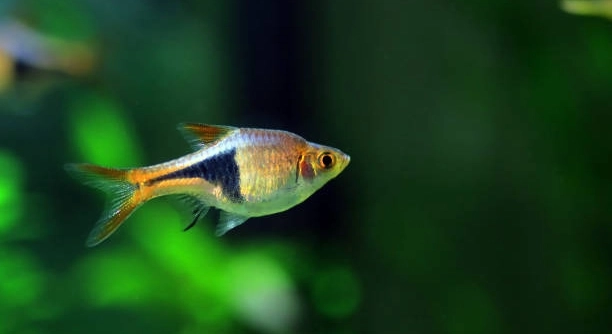
Do your rasboras swim in a tank that feels plain or empty? Many aquarists find that adding natural elements can make the aquarium more lively and visually appealing for both fish and owner.
Rasboras generally benefit from the inclusion of driftwood in their tanks. Driftwood provides hiding spaces, reduces stress, and contributes to a natural environment by slightly lowering pH levels, promoting healthier and more comfortable conditions for these small freshwater fish.
Including driftwood can enhance the tank’s atmosphere, improve fish well-being, and create a more natural setting that supports their daily behavior and activity.
Benefits of Driftwood for Rasboras
Adding driftwood to a rasbora tank brings several advantages. It creates hiding spots that help reduce stress, especially for shy or smaller species. The natural tannins released by driftwood slightly lower the pH, simulating conditions similar to their native habitat. This can improve fish coloration and overall health. Driftwood also provides surfaces for beneficial bacteria to grow, supporting the tank’s biological filtration. Fish often explore, rest near, or nibble on the wood, which encourages natural behaviors and activity. Different shapes and sizes allow for creative tank designs, giving each aquarium a unique aesthetic. While moss or plants can be attached to driftwood, it also works well on its own, offering a simple, low-maintenance addition. By combining functional and decorative roles, driftwood contributes to a stable, appealing, and healthy environment, enhancing both fish welfare and the visual appeal of the tank.
Driftwood also reduces aggressive interactions, offering places for timid fish to retreat. It improves tank stability and creates natural hiding zones.
Rasboras respond positively to these additions, often showing increased activity and curiosity. They use the driftwood for shelter, swimming around its edges, or resting nearby. Over time, you may notice that shy individuals become bolder. The wood’s tannins slightly tint the water, mimicking soft, slightly acidic conditions, which are closer to their natural rivers and streams. Driftwood can serve as a base for plants, allowing you to create layered aquascapes that are both functional and visually appealing. With proper care, driftwood can last for years, maintaining its shape and benefits. Including it also reduces stress-induced illnesses, as fish have areas to hide when threatened or startled. Overall, driftwood enhances both the behavioral and physical environment of rasboras, encouraging a healthier, more active, and visually pleasing tank.
Choosing the Right Driftwood
Select driftwood that is aquarium-safe and free of chemicals or pesticides. Rinse it thoroughly before adding to the tank.
Not all driftwood is suitable for aquariums. Hardwoods such as Malaysian, Mopani, or Manzanita are preferred because they sink naturally and release tannins slowly. Softer woods may decay quickly, affecting water quality. Size and shape matter: large pieces can dominate a small tank, while small branches may be easily moved by active fish. Look for smooth surfaces to prevent injuries, avoiding sharp edges or splinters. Driftwood should complement the tank’s layout, offering hiding spots, swim-through areas, and resting points. Boiling or soaking the wood before use helps remove excess tannins, reducing the initial water discoloration. Over time, the wood develops a natural patina and can even support moss, ferns, or small plants. Regular monitoring is needed to ensure the driftwood does not soften or rot excessively, which could impact water parameters. Choosing the right piece ensures safety, longevity, and a natural, comfortable habitat that enhances the overall tank environment.
Preparing Driftwood for Your Tank
Rinse driftwood thoroughly to remove dust, dirt, or insects. Soak it in water for several days to reduce tannin release before placing it in the tank.
Boiling driftwood is an effective way to sanitize it and remove excess tannins quickly. This process also helps the wood become waterlogged so it sinks naturally without floating. Smaller pieces may require less boiling time, while larger logs could take hours. After boiling, soak the driftwood in fresh water, changing it daily until the water remains mostly clear. This prevents excessive discoloration of your tank water and avoids sudden pH shifts. Preparing driftwood carefully ensures a safer, healthier environment for rasboras, reducing stress and promoting comfort.
Monitoring driftwood after placement is important. Observe any changes in water color, and remove softening or decaying pieces promptly. Driftwood may also attract algae or biofilm, which is natural and often harmless. Regular inspection allows you to maintain water quality and the wood’s condition. Proper preparation ensures rasboras can enjoy hiding, resting, and exploring without risk of contamination or stress from untreated wood. It also prolongs the lifespan of the driftwood, keeping the tank looking natural and stable for months or even years.
Positioning Driftwood in the Aquarium
Place driftwood in a way that creates swimming paths and hiding spots. Avoid blocking filters or restricting movement for active fish.
Consider arranging driftwood near plants or along the substrate to create a layered look. Position taller pieces toward the back and shorter branches in front to maintain visibility and open space. Ensure that driftwood is stable and won’t shift, as falling wood can injure fish or damage the tank. Some aquarists attach driftwood to rocks or anchor it with aquarium-safe adhesives to prevent movement. Placement can influence water flow, so avoid areas where it might trap debris or reduce circulation. A thoughtful arrangement encourages natural behavior while enhancing the tank’s aesthetic appeal.
Driftwood can be rotated or adjusted periodically to refresh the tank’s layout and provide new exploration opportunities. Combining wood with plants or moss enhances shelter and visual depth. Open spaces around driftwood allow rasboras to swim freely while still having secure resting spots nearby. Over time, biofilm or algae growth on the wood adds texture and interest, which fish may graze on. By carefully considering placement, you support both fish welfare and a balanced, visually engaging aquarium that changes naturally with growth and seasonal variations in the tank.
Driftwood Maintenance
Check driftwood regularly for soft spots or signs of rot. Remove decaying pieces immediately to protect water quality.
Clean driftwood gently using a soft brush. Avoid harsh chemicals, which can harm rasboras. Regular maintenance keeps the wood safe and preserves the tank’s natural look.
Observing Rasboras’ Behavior
Rasboras use driftwood for hiding, resting, and exploring. Observing their interactions with the wood helps identify stress levels and comfort. Over time, shy fish may become more confident, using driftwood to navigate the tank.
Combining Driftwood with Plants
Pairing driftwood with live plants enhances shelter and visual appeal. Plants attached to wood provide shaded areas, promoting a more natural habitat for rasboras.
Avoiding Common Mistakes
Ensure driftwood is stable and fully submerged. Floating or unstable wood can injure fish or disturb tank decor.
FAQ
Do all types of rasboras enjoy driftwood?
Most rasboras benefit from driftwood in the tank, especially species like harlequins and galaxy rasboras. They use it for hiding, resting, and exploring. While preferences vary slightly among individuals, the presence of wood generally reduces stress and encourages natural behavior.
Can driftwood affect water quality?
Yes, driftwood releases tannins that can slightly lower pH and soften water. This is usually beneficial for rasboras, as it mimics their natural environment. However, untreated or decaying wood can release excess tannins or organic matter, leading to cloudy water or minor pH fluctuations. Regular maintenance is important.
How should I clean driftwood?
Use a soft brush and rinse with water to remove debris or algae. Boiling or soaking new pieces before adding them to the tank is recommended. Avoid chemicals, soap, or detergents, which can be toxic to fish and plants.
How do I prevent driftwood from floating?
Soak new driftwood for several days or weeks until it becomes waterlogged. Boiling the wood can speed up this process. Larger pieces may require anchoring with rocks or aquarium-safe adhesives to keep them stable and secure.
Can driftwood support plants or moss?
Yes, attaching moss, ferns, or other aquarium plants to driftwood enhances hiding spots and aesthetic appeal. Plants also provide additional surfaces for biofilm growth, which rasboras may nibble on. Tie plants loosely with thread or use aquarium-safe glue for secure attachment.
How often should I check driftwood in the tank?
Inspect driftwood every few weeks for soft spots, decay, or excessive algae growth. Remove or replace wood showing signs of rotting to prevent water quality issues and maintain a safe environment for your fish.
Does driftwood change over time in the tank?
Yes, driftwood naturally darkens and may develop a layer of biofilm or algae. This is normal and safe for rasboras. Some owners allow small amounts of algae to grow, as it can provide extra grazing opportunities for fish.
Is it necessary to boil all driftwood before use?
Boiling is recommended but not always required. It speeds up waterlogging, removes excess tannins, and sanitizes the wood. For smaller or already submerged pieces, soaking for a longer period may be sufficient.
Can too much driftwood harm rasboras?
Overcrowding a tank with driftwood can limit swimming space and reduce water circulation. Balance hiding spots with open areas to allow normal movement and activity. Proper layout ensures both security and freedom for active fish.
How do I choose the right driftwood size and shape?
Select wood that fits the tank size and complements existing décor. Larger logs provide dramatic hiding areas, while smaller branches create swim-through spaces. Smooth surfaces reduce injury risk, and shapes should encourage exploration without blocking filters or restricting movement.
Will driftwood affect tank maintenance?
Driftwood slightly increases the need for water monitoring due to tannins and potential debris buildup. Frequent water changes and inspections help maintain stability. Regular cleaning ensures both the wood and tank remain healthy and visually appealing.
Can driftwood cause algae problems?
Driftwood can attract algae over time, which is normal. Light placement, water quality management, and occasional gentle cleaning help control growth. Small amounts of algae are safe and may even serve as a minor food source for fish.
Should I combine multiple pieces of driftwood?
Yes, combining pieces can create complex structures for hiding and swimming. Ensure they are stable and do not overcrowd the tank. Varying shapes and heights enhances aesthetics and provides a more natural environment for rasboras.
How long does driftwood last in a tank?
Hardwoods like Malaysian, Mopani, or Manzanita can last for many years if properly prepared and maintained. Softwoods may decay faster, requiring replacement. Regular inspection and care prolong the wood’s usefulness and maintain tank safety.
Can driftwood be used with other decorations?
Yes, driftwood pairs well with rocks, plants, and substrate. Arrange carefully to maintain stability and ensure fish can move freely. Combining elements creates depth, visual interest, and natural hiding places without overcrowding.
Will driftwood affect tank lighting?
Driftwood can cast shadows, creating shaded areas that rasboras appreciate. This encourages natural behavior and resting spots. Adjust lighting to balance open swimming areas and shaded retreats, promoting comfort and activity for all fish.
Is tannin-stained water harmful?
Tannins may color the water slightly brown, which is not harmful to rasboras. Many fish benefit from this softer, slightly acidic environment. Regular water changes help manage intensity, and the color often adds a natural, pleasing look to the tank.
Can driftwood be used in planted tanks?
Yes, driftwood complements planted tanks by providing structure and surfaces for plant attachment. It supports moss, ferns, and other slow-growing plants while offering hiding spaces for rasboras. Integration should ensure adequate swimming space and balanced water flow.
How do I know if my rasboras are using driftwood properly?
Active exploration, resting near or under the wood, and reduced stress behaviors indicate positive use. Shy individuals becoming bolder over time show they feel secure. Observing interactions helps ensure the driftwood is beneficial and positioned effectively.
Are there risks in using untreated driftwood?
Untreated driftwood may release excess tannins, chemicals, or pests. Boiling or soaking mitigates these risks. Proper preparation prevents water quality issues, protects fish health, and ensures a stable, safe environment for rasboras.
Can driftwood help reduce aggression among fish?
Yes, driftwood creates hiding spots and territorial boundaries, reducing stress and aggressive interactions. Timid fish can retreat safely, while more active fish maintain natural movement patterns. This balance promotes a calmer, healthier tank environment.
Is it okay to move driftwood once placed?
Yes, but do so carefully. Moving driftwood can disturb substrate or plants and startle fish. Plan placement in advance and make adjustments slowly to maintain stability and reduce stress for rasboras.
Do rasboras nibble on driftwood?
Some species may nibble occasionally, but this behavior is generally harmless. It can provide minor enrichment and help maintain their natural foraging instincts. Excessive chewing may indicate dietary needs or insufficient plant material in the tank.
How do I balance driftwood with open swimming space?
Place wood strategically to offer hiding spots while keeping central areas open for swimming. Avoid overcrowding, and ensure water flow is unobstructed. Proper balance supports activity, comfort, and overall health for rasboras in the tank.
Can driftwood be combined with artificial decorations?
Yes, driftwood works alongside artificial plants or rocks. Prioritize safety and avoid sharp edges. The combination can provide varied shelter, create depth, and enhance the tank’s appearance without compromising fish well-being.
Does driftwood require special lighting care?
No special lighting is needed, but driftwood can create shaded areas that benefit shy or resting fish. Adjust tank lighting to balance visibility and comfort, ensuring both fish activity and aesthetics are maintained.
Are there signs that driftwood is harming my tank?
Cloudy water, strong odor, rapid decay, or sudden pH changes indicate issues. Remove or replace affected wood and monitor water parameters closely to protect fish and plants.
Can I use driftwood in a community tank?
Yes, driftwood benefits multiple species by providing hiding places, reducing stress, and supporting natural behavior. Ensure compatibility with other decorations and maintain adequate swimming space for all inhabitants.
How do I anchor lightweight driftwood?
Use rocks, suction cups, or aquarium-safe glue to secure light pieces. Anchoring prevents movement, protecting fish and plants while maintaining tank structure. Stable wood ensures a safe and functional environment for rasboras.
Does driftwood need to be replaced over time?
Durable hardwoods may last for years with minimal maintenance. Softer woods may soften or rot faster, requiring replacement. Regular inspection ensures continued safety, functionality, and aesthetic appeal in the tank.
How can driftwood enhance tank aesthetics?
Driftwood adds texture, natural shading, and visual interest. Its shapes can create focal points or complement plants, rocks, and substrate. Over time, natural patina and minor algae growth further enhance the tank’s realistic, inviting appearance.
Is driftwood suitable for small tanks?
Yes, but choose appropriately sized pieces. Avoid large logs that dominate the tank and limit swimming space. Small branches or compact structures provide hiding spots without overcrowding, supporting fish welfare and aesthetics.
Can driftwood help with breeding rasboras?
Providing hiding spots and shaded areas encourages natural breeding behavior. Driftwood gives secure areas for egg-laying and protection of fry from more active tank mates. Proper placement supports reproduction without disrupting tank balance.
How do I integrate driftwood with substrate?
Bury the base slightly for stability or anchor with rocks. Ensure it does not trap debris excessively. Proper integration maintains tank cleanliness, supports plants, and provides secure resting areas for fish.
Will driftwood stain decorations or substrate?
Tannins may slightly darken surrounding materials. This is harmless and often considered aesthetically pleasing. Regular water changes help manage color intensity and prevent excessive staining.
How do I monitor tannin levels effectively?
Observe water color and test pH regularly. Frequent water changes and initial soaking or boiling reduce excessive tannin release. Maintaining balance ensures rasboras remain healthy in their natural-like environment.
Are there benefits to multiple driftwood pieces versus one large piece?
Multiple pieces create varied hiding spots and exploration paths. One large piece may dominate the tank and limit swimming space. Combining several pieces allows flexibility in design while enhancing habitat complexity and fish activity.
Can driftwood be combined with floating plants?
Yes, floating plants complement driftwood by providing shaded areas and natural cover. They enhance comfort, reduce stress, and create a layered, visually appealing environment that mimics natural habitats for rasboras.
Does driftwood require special care in planted tanks?
No special care is needed, but monitor water flow, plant attachment, and potential softening of wood. Properly integrated driftwood supports plants while maintaining a safe, natural environment for fish.
Can driftwood be used with other freshwater fish?
Yes, it benefits many species by providing hiding spots, shelter, and foraging surfaces. Ensure placement does not restrict movement or water circulation for other inhabitants.
Is it okay to let algae grow on driftwood?
Light algae growth is normal and generally safe. Fish may graze on it, and it adds natural texture. Regular observation ensures growth does not become excessive or impact water quality.
How long should I soak driftwood before adding it to the tank?
Soak for several days to weeks, depending on size and type. Change water regularly to reduce tannins. Longer soaking ensures the wood sinks naturally and minimizes water discoloration.
Can driftwood improve fish coloration?
Yes, tannin-rich water can enhance natural colors of rasboras. It mimics their native soft, slightly acidic habitats, supporting health and vivid appearance without artificial additives.
Does driftwood interfere with filtration?
Properly placed driftwood does not obstruct filters. Avoid blocking intakes or circulation paths. Stable placement ensures effective filtration while maintaining natural hiding spaces and open swimming areas.
Are there safety concerns for small fry around driftwood?
Ensure driftwood is stable and smooth, with no sharp edges. This protects fry from injury while providing shelter and resting areas, supporting early development and survival in the tank.
How often should I replace driftwood in the tank?
Replace only when decay or softening occurs, or if it disrupts water quality. Durable hardwoods may last for years with minimal maintenance. Regular inspection ensures safety, aesthetics, and a functional habitat.
Can driftwood help reduce stress in new fish?
Yes, hiding spots and shaded areas allow new or timid fish to acclimate. Driftwood offers security, reducing stress and promoting faster adaptation to the tank environment.
Does driftwood affect water hardness?
Driftwood slightly softens water over time, which can benefit rasboras by mimicking natural habitats. Monitoring water parameters ensures balance and prevents excessive changes.
Are there special considerations for large driftwood pieces?
Large pieces should be stable and appropriately sized for the tank. They create focal points and hiding areas but must not restrict swimming or water flow. Anchoring and placement are crucial for safety.
Can driftwood be combined with drift stones or rocks?
Yes, combining wood and stones enhances structure, hiding spots, and aesthetics. Ensure stability and avoid sharp edges to maintain a safe environment for rasboras.
Do rasboras prefer smooth or rough driftwood?
Smooth driftwood reduces the risk of injury, but rough textures may offer grazing surfaces. A combination can support natural behaviors while ensuring safety.
Can driftwood affect oxygen levels?
Driftwood itself does not significantly change oxygen levels. Proper water circulation and surface agitation maintain oxygenation while providing the benefits of hiding and natural habitat structure.
Is it okay to reuse driftwood from another tank?
Yes, if it is thoroughly cleaned and soaked. Ensure no contaminants or pests remain. Proper preparation prevents water quality issues and ensures safety for new fish.
How can I tell if driftwood is too old or decaying?
Soft spots, crumbling edges, foul odor, or rapid water discoloration indicate decay. Replace the piece to maintain water quality, tank safety, and fish health.
Does driftwood influence breeding behavior in rasboras?
Yes, shaded areas and hiding spots encourage natural courtship and egg-laying. Providing secure locations can improve breeding success without additional interventions.
Are there any fish that should not have driftwood in the tank?
Most freshwater fish benefit from driftwood, but species that require very hard, alkaline water may not thrive. Consider water chemistry and compatibility when adding wood to a mixed-species tank.
Can driftwood be sanded or modified?
Yes, sanding rough edges or trimming small branches is safe before adding to the tank. This reduces injury risk while maintaining natural appearance and functionality.
Does driftwood attract pests or unwanted organisms?
Untreated wood may carry insects or microorganisms. Boiling, soaking, and rinsing before use minimizes these risks, ensuring a safe environment for rasboras.
How does driftwood interact with carbon dioxide in planted tanks?
Driftwood does not interfere with CO₂ supplementation. It provides structure for plant attachment without affecting diffusion or absorption, supporting healthy plant growth alongside rasboras.
Is it normal for driftwood to release a scent?
Yes, natural wood may emit a mild woody smell, especially initially. This is harmless and often fades over time with regular water changes.
Can driftwood be painted or coated?
No, painted or coated wood is unsafe. Chemicals can leach into water, harming fish and plants. Only natural, untreated wood is suitable for aquariums.
Does driftwood change water color permanently?
Water may take on a light brown tint initially, but it stabilizes with proper soaking and water changes. The color is natural and generally harmless to rasboras.
Can driftwood be used in coldwater tanks?
Yes, driftwood is safe in coldwater setups, provided it is stable and free of toxins. Its benefits for hiding and natural behavior apply across temperature ranges suitable for the species present.
Is it necessary to remove driftwood for tank cleaning?
Partial removal or careful cleaning around driftwood is sufficient. Full removal is not needed unless replacing decaying pieces. Proper care preserves stability, aesthetics, and fish comfort.
Does driftwood affect substrate types differently?
Driftwood can sit on sand, gravel, or planted substrates. Ensure stability and avoid trapping debris. The type of substrate may slightly influence how you anchor or arrange the wood.
How do I manage multiple driftwood pieces?
Distribute pieces to create hiding spots without overcrowding. Ensure stability, allow swimming paths, and combine different sizes for visual interest and functional habitat enhancement.
Are certain driftwoods better for breeding tanks?
Hardwoods with smooth surfaces and shallow hiding areas are preferred. They provide shelter for eggs and fry while minimizing water discoloration or decay issues.
Can driftwood be moved after fish acclimate?
Yes, but adjust slowly. Sudden changes can stress fish or disturb substrate and plants. Careful repositioning maintains a safe, functional environment.
Does driftwood affect ammonia or nitrite levels?
Properly cured driftwood does not produce harmful spikes. Untreated or decaying wood may release organic matter, slightly impacting water chemistry. Regular monitoring ensures safe levels for rasboras.
Can driftwood be combined with caves or ceramic decorations?
Yes, wood complements artificial caves and decorations, offering additional hiding spaces and enriching the tank environment while maintaining natural aesthetics.
Is driftwood compatible with shrimp or other invertebrates?
Yes, it provides surfaces for biofilm growth and hiding spots, benefiting shrimp and other invertebrates alongside rasboras in a shared tank.
Can driftwood improve overall tank stability?
Yes, by anchoring plants, providing structured spaces, and supporting natural behavior, driftwood contributes to a more balanced, less stressful tank environment.
Should driftwood be soaked in tank water or separate water?
Separate water is preferred for initial soaking to prevent discoloring the main tank. Once tannin release decreases, it can be safely added to the aquarium.
How do I integrate driftwood with floating fish or plants?
Ensure floating elements do not block light completely or restrict access to water surface. Driftwood provides structure while maintaining balance between open swimming and shaded areas.
Can driftwood be used in high-tech planted tanks?
Yes, it adds structure and surfaces for epiphytes without interfering with lighting, CO₂, or nutrient distribution, supporting aesthetics and fish welfare simultaneously.
Does driftwood affect fish feeding behavior?
Driftwood may slightly change grazing patterns, as fish explore surfaces for biofilm. Feeding routines should remain consistent, but fish may spend extra time near wood.
Can driftwood be combined with leaf litter?
Yes, combining leaves and driftwood mimics natural habitats, softens water, and provides additional hiding and grazing opportunities, enhancing the tank’s ecosystem.
How do I prevent driftwood from damaging tank glass?
Avoid placing heavy or sharp pieces directly on glass. Use substrate or cushioning rocks to distribute weight and protect both the tank and fish.
Can driftwood be moved between tanks?
Yes, if thoroughly cleaned and soaked. Ensure no pests, decay, or chemicals are present to prevent contamination of the new tank.
Does driftwood release nutrients for plants?
Driftwood releases minimal nutrients but mainly provides attachment surfaces. Plants benefit more from root substrate or fertilization, while wood enhances structure and habitat complexity.
How do I maintain driftwood aesthetics over time?
Regular gentle cleaning, monitoring for algae, and occasional repositioning preserve
Driftwood can be a valuable addition to a rasbora tank, offering both functional and aesthetic benefits. It provides hiding spots that reduce stress, especially for shy or smaller species, giving fish a sense of security. Over time, driftwood can help rasboras display more natural behaviors, including exploring, resting, and interacting with their environment. The wood also slightly changes water chemistry by releasing tannins, which can soften water and lower pH, creating conditions similar to their natural habitats. These small changes can make a noticeable difference in overall fish health, supporting stronger immune systems and improving coloration. Choosing the right type of driftwood, such as Malaysian, Mopani, or Manzanita, ensures durability and longevity while maintaining safety in the aquarium.
Proper preparation and placement are essential to get the most out of driftwood. Soaking or boiling the wood before adding it to the tank reduces excess tannin release and helps it sink naturally. Once placed, it is important to ensure the wood is stable, does not block swimming paths, and works well with other decorations and plants. Driftwood can be combined with moss, ferns, or other aquarium plants to create layered, visually appealing setups that provide additional hiding spaces. Monitoring the wood regularly is important to prevent decay or softening, which could affect water quality. Gentle cleaning and occasional adjustments maintain both functionality and appearance, ensuring the tank remains safe and comfortable for rasboras.
In addition to functional benefits, driftwood enhances the overall look and feel of the aquarium. Its natural textures and shapes create depth and interest, making the tank appear more dynamic and alive. As the wood ages, it develops a natural patina, sometimes supporting small amounts of biofilm or algae, which can be a minor food source for fish. The combination of driftwood with plants, rocks, and substrate allows for a balanced environment where fish can explore, hide, and rest without feeling crowded. Overall, driftwood contributes to a healthier and more natural habitat for rasboras while also improving the visual appeal of the tank, creating an environment that is both practical and pleasing to observe.

Hello,
If you enjoy the content that we create, please consider saying a "Thank You!" by leaving a tip.
Every little bit helps us continue crafting quality advice that supports the health, happiness, and well-being of pets around the world, for pets of all shapes, sizes, and species.
We really appreciate the kindness and support that you show us!