
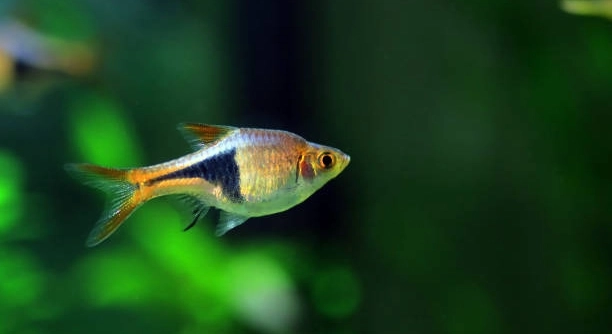
Have you ever noticed your small aquarium friends swimming together in harmony, yet wondered if they actually form meaningful connections with each other over time? Rasboras often exhibit behaviors that suggest social interaction and companionship.
Rasboras do form bonds with other fish, particularly within their own species. They display schooling behavior, coordinated swimming, and social recognition, which indicate an ability to develop relationships. These bonds support both security and well-being in their aquatic environment.
Observing these subtle connections can reveal much about their social nature and enhance the way you care for your aquarium community.
How Rasboras Interact with Each Other
Rasboras are naturally social fish that prefer the company of their own kind. When kept in groups, they swim in synchronized patterns, which provides both comfort and a sense of safety. These interactions are not random; each fish recognizes its companions and adjusts its behavior based on the group’s dynamics. Small displays, like nudging or swimming closely together, indicate familiarity and trust. Over time, these connections become more noticeable as certain fish tend to stick near each other, forming small sub-groups within the school. This social structure reduces stress, which is essential for their health and activity levels. Watching them, you may notice some fish taking the lead while others follow or mirror movements. Even feeding time shows coordination, as they respect each other’s space yet remain close together. Maintaining an adequately sized school is critical, as solitary Rasboras often appear anxious and withdrawn, highlighting the importance of these bonds.
These bonds help Rasboras feel secure and confident, improving their overall activity in the tank.
Observing these interactions over weeks can reveal distinct personalities among Rasboras. Some are more adventurous, exploring new areas of the tank first, while others stay within the comfort of the group. Their bonds influence feeding patterns, swimming speed, and even rest periods. Strong social connections promote healthier behavior and encourage natural movement, reducing aggression or stress-induced hiding. When a Rasbora falls ill, the group often reacts subtly, staying near the affected fish, which can indicate empathy-like behavior. By keeping them in well-structured groups and providing space for interaction, their social needs are met, resulting in a lively, harmonious aquarium.
Building a Balanced Rasbora School
A proper school should include at least six Rasboras to maintain natural behavior and social interactions.
Choosing compatible species and maintaining proper tank conditions are essential for fostering bonds among Rasboras. The size of the tank, placement of decorations, and hiding spots all contribute to comfort levels, allowing the fish to interact without conflict. Incompatible species or overcrowding can disrupt schooling, creating stress and limiting natural behaviors. Water quality, temperature, and lighting also play a role in maintaining healthy interactions. Regular observation helps identify fish that may be isolated or stressed. Providing varied feeding locations encourages movement and cooperation within the group. Over time, the Rasboras establish patterns, choosing preferred swimming partners and resting spots. Adjusting the environment carefully, while respecting their social tendencies, enhances both the bonds and overall well-being of the school. Consistent care ensures these small fish thrive together, demonstrating the intricate social lives often overlooked in aquariums.
Signs of Bonding in Rasboras
Rasboras show bonding through coordinated swimming, gentle nudges, and resting near each other. They often follow familiar companions, creating small sub-groups within the school. These behaviors indicate trust and social comfort, which are essential for their overall health and well-being.
Over time, Rasboras develop recognizable patterns with each other. Certain fish prefer staying close to specific companions, while others take the lead during swimming or feeding. Subtle gestures, like tail flicks or synchronized turns, demonstrate awareness of the group. These bonds help reduce stress and encourage natural behavior. When a Rasbora is unwell, the group may linger nearby, signaling concern and social awareness, reinforcing the importance of maintaining proper schooling conditions.
Bonding also affects feeding and exploration. Fish with strong social connections often share space efficiently, avoiding conflicts. During feeding, bonded Rasboras take turns approaching food, minimizing competition. When exploring new tank areas, they move in tandem, offering mutual reassurance. This social cohesion enhances their confidence and promotes healthier, more active behavior in a balanced aquarium setting.
Maintaining Healthy Social Groups
Rasboras require consistent tank conditions, sufficient space, and a proper number of companions to maintain their bonds.
Tank size and layout play a key role in preserving social structure. A spacious tank with hiding spots and open swimming areas allows Rasboras to interact naturally. Overcrowding leads to stress and broken bonds, while too few fish can cause anxiety and withdrawn behavior. Regular water changes and stable temperatures support both health and comfort. Observing interactions helps identify isolated or stressed individuals. Proper nutrition and feeding routines further strengthen cohesion, as well-fed fish display more confident and relaxed behavior. Maintaining these conditions encourages consistent bonding, ensuring a harmonious school.
Balanced schooling enhances every aspect of Rasbora behavior. Strong bonds reduce aggression, promote active swimming, and support natural curiosity. Fish with reliable companions exhibit less stress, better coloration, and improved feeding efficiency. Introducing new tankmates gradually preserves established social structures. Even minor environmental changes can influence the school’s cohesion, so careful attention is necessary. By providing space, proper group size, and stable conditions, Rasboras flourish both socially and physically, highlighting the importance of understanding their subtle interactions. Consistent care strengthens bonds, resulting in a lively, harmonious aquarium community.
Benefits of Social Bonds
Rasboras gain confidence and security from close interactions with their schoolmates. Strong bonds reduce stress and encourage natural behaviors like coordinated swimming, feeding, and exploring the tank together.
These connections also help maintain overall health. Fish that feel safe and connected are more active, eat consistently, and display brighter coloration.
Encouraging Interaction
Providing enough space and hiding spots encourages Rasboras to engage with each other naturally. Grouping them with compatible tankmates fosters bonding and reduces isolation. A varied environment allows fish to explore while remaining near companions, supporting both social and physical activity.
Observing Your School
Watching their interactions regularly helps identify changes in behavior or social patterns. Noticing who sticks together can guide adjustments to tank conditions or group composition.
FAQ
Do Rasboras need to be in groups?
Yes, Rasboras are schooling fish and feel safest in groups. Keeping at least six together helps them exhibit natural behaviors like synchronized swimming and social interactions. Solitary Rasboras often become stressed, hide frequently, and may show reduced appetite.
Can Rasboras bond with other fish species?
Rasboras can interact with peaceful tankmates, but they form the strongest bonds within their own species. Compatible species that are small, non-aggressive, and slow-moving tend to coexist well, allowing Rasboras to maintain social structure while avoiding stress or conflict.
How do I know if my Rasboras are bonded?
Look for consistent behaviors like swimming together, following familiar companions, and resting near each other. Subtle cues like gentle nudges, coordinated turns, or shared feeding spots indicate trust and social comfort. Changes in these patterns may signal stress or illness.
What happens if a Rasbora is isolated?
Isolated Rasboras may appear anxious or withdrawn. They often hide more, eat less, and swim erratically. Lack of social interaction can weaken their immune system and reduce overall activity. Ensuring an adequately sized school is key to preventing isolation.
How can I encourage bonding in a new tank?
Introduce a small group of Rasboras together rather than individually. Provide open swimming areas, hiding spots, and balanced feeding routines. Avoid sudden changes in tank conditions, as stability supports social development and reduces stress while the fish form bonds.
Do Rasboras remember each other?
Yes, they show recognition among schoolmates, remembering who they swim with and prefer to stay close to. This memory affects feeding patterns, swimming routes, and resting positions, creating sub-groups within the school and maintaining cohesion over time.
Can stress affect Rasbora bonds?
Stress from overcrowding, poor water quality, or aggressive tankmates can disrupt bonding. Stressed Rasboras may break off from their group or become overly passive. Maintaining stable conditions and compatible companions preserves social interactions and overall health.
Is it necessary to monitor interactions daily?
Regular observation helps identify isolated, stressed, or ill fish. Noticing who sticks together and how they behave during feeding or swimming provides insight into the health of the social group. Early intervention can prevent problems and strengthen bonds.
Do Rasboras show affection?
While not affection in a human sense, Rasboras exhibit behaviors that indicate trust and comfort. Following companions, swimming closely, and coordinating movements suggest strong social bonds, making the group feel secure and confident in the tank.
How long does it take for bonds to form?
Bonds develop gradually over weeks as Rasboras adjust to each other and their environment. Initial shyness or separation is normal. Providing a stable, well-structured school accelerates bonding and helps fish feel safe and active sooner.
Can introducing new Rasboras disrupt existing bonds?
Yes, adding new fish can temporarily disturb the social hierarchy. Introduce newcomers slowly, ideally in small numbers, while providing hiding spots. This allows the group to adjust without stress and eventually include the new members in established bonds.
Do bonded Rasboras feed better?
Yes, strong social bonds reduce competition and stress during feeding. Fish that trust each other share space more efficiently, approach food confidently, and eat consistently, leading to healthier growth and activity levels in the school.
What tank conditions support bonding?
Stable water temperature, proper filtration, enough swimming space, and hiding spots promote natural social behavior. Avoid overcrowding or incompatible species. A well-maintained environment ensures Rasboras can interact safely and strengthen their connections naturally over time.
Can bonding influence breeding?
Strong social bonds can positively affect breeding behavior. Confident, stress-free Rasboras are more likely to display courtship behaviors and spawn successfully. A stable group with established interactions encourages healthier reproductive patterns and cooperation during breeding periods.
How do I handle aggression in a Rasbora school?
Aggression is uncommon but may occur if the school is too small or the tank is overcrowded. Observe interactions, separate overly dominant fish temporarily, and ensure plenty of space. Maintaining an appropriate group size and peaceful tankmates minimizes stress and preserves bonds.
Are some Rasboras naturally more social than others?
Yes, individual personalities vary. Some fish are bolder, exploring the tank and initiating interactions, while others are more passive, following companions. Both types contribute to the social dynamics, and bonds often form between compatible personalities over time.
How important is tank decoration for bonding?
Decorations like plants and rocks provide hiding spots and open swimming areas. This allows Rasboras to interact comfortably, reduce stress, and maintain social order. A balanced environment supports natural behaviors and helps strengthen bonds within the school.
Can bonds be repaired if broken?
Yes, but it takes time. Ensuring stable tank conditions, adequate space, and a compatible group helps restore social connections. Gradual reintroduction of fish after conflicts or temporary isolation allows trust and coordination to rebuild naturally.
Do Rasboras bond with humans?
While they don’t form human-like bonds, Rasboras may become familiar with their caretaker’s presence, showing less fear during feeding or tank maintenance. Regular interaction in a calm, predictable manner can make them more confident around people.
What is the long-term benefit of bonded Rasboras?
Bonded Rasboras display healthier, more natural behaviors, reduced stress, and better feeding patterns. Strong social connections contribute to longer life spans, improved coloration, and a more lively, harmonious aquarium environment. Maintaining these bonds ensures overall well-being for the entire school.
Rasboras are small fish with surprisingly complex social behaviors. Observing them over time shows how important companionship is for their well-being. When kept in groups, they exhibit behaviors like synchronized swimming, gentle nudges, and coordinated feeding. These interactions are not random; each fish recognizes its companions and adjusts its behavior based on the social environment. Even small changes in their routine, such as rearranging decorations or introducing new fish, can affect their dynamics. Understanding their natural tendencies helps create a tank environment where they feel safe and secure, which directly influences their overall health and activity. A school of Rasboras that bonds well tends to be more confident, more active, and less prone to stress-related issues, which makes maintaining proper tank conditions a priority for anyone caring for them.
Providing a stable environment is key to supporting Rasboras’ social bonds. Water quality, temperature, and lighting should remain consistent, and the tank should offer enough space for swimming and hiding. Overcrowding can disrupt social order and increase tension, while too few fish can leave individuals isolated and anxious. It is also important to select compatible tankmates, as aggressive or fast-moving species can interfere with the school’s cohesion. Feeding routines play a role as well; spreading food across the tank allows all fish to eat comfortably without unnecessary competition. Observing the group regularly helps identify subtle changes in behavior, which may indicate stress, illness, or a shift in social dynamics. By paying attention to these factors, it is possible to foster strong bonds within the school and support their natural behaviors, creating a more balanced and lively aquarium.
Bonds between Rasboras are gradual but meaningful. Over weeks, fish develop preferred companions, establish sub-groups, and follow familiar patterns during swimming and feeding. These social connections reduce stress, encourage exploration, and improve overall health. Fish that feel secure in their group are more likely to eat well, remain active, and display vibrant colors. Even in challenging situations, such as temporary disruptions or the introduction of new fish, established bonds help maintain cohesion and minimize anxiety. Recognizing the importance of these interactions allows caretakers to create an environment that promotes natural behavior and long-term well-being. Rasboras are small, but their social lives are intricate, and supporting these bonds leads to a harmonious and thriving aquarium where fish can flourish together.

Hello,
If you enjoy the content that we create, please consider saying a "Thank You!" by leaving a tip.
Every little bit helps us continue crafting quality advice that supports the health, happiness, and well-being of pets around the world, for pets of all shapes, sizes, and species.
We really appreciate the kindness and support that you show us!