
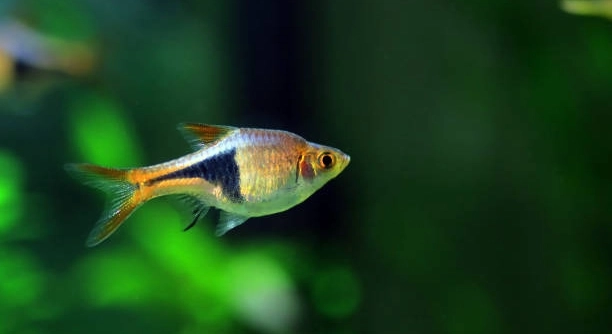
Have you ever watched your rasboras swimming together and wondered if they follow a daily pattern? These small, active fish often move in unison, creating a calm and harmonious scene in home aquariums.
Rasboras generally follow a consistent daily routine influenced by light, feeding, and environmental conditions. Their activity peaks during daylight hours, with periods of rest and slower movement at night, reflecting natural behavioral patterns observed in the wild.
Understanding their routine can help improve tank care and ensure your fish remain healthy and comfortable throughout the day.
Morning Activity and Feeding Patterns
Rasboras tend to start their day with gentle movements near the surface of the tank. They often explore slowly, checking out plants, decorations, and substrate. In the morning, they are usually alert and responsive, especially when food is introduced. Feeding times strongly influence their activity, as they quickly gather around for flakes or small pellets. Observing them at this time reveals their social behavior; they rarely swim alone, often forming small groups that move in coordinated patterns. Light exposure also affects their morning behavior. A tank near natural sunlight or with a timer for artificial lighting can encourage consistent activity. Some rasboras may take a few minutes to adjust to the day’s light, gradually increasing their swimming speed. This period is crucial for their overall health, as it sets the tone for energy levels, appetite, and social interactions throughout the day, helping them maintain a stable routine.
Morning routines set the tone for the day, making it easier to predict when your rasboras will be most active and alert.
Tracking these behaviors consistently can reveal patterns in feeding, interaction, and resting periods. It also helps you identify if any fish are less active than usual, which might indicate stress or health issues. Morning activity is usually linked to hunger and environmental comfort, so observing them can guide tank adjustments, like changing lighting or rearranging decorations. Some rasboras show curiosity by swimming through plants and exploring hiding spots, while others stick close to the group. Recognizing these nuances helps create a stable environment that supports both active swimming and rest, improving overall well-being. By noting their patterns, you can plan feeding schedules that reduce competition and ensure every fish gets proper nutrition. Over time, these observations can guide you in adjusting tank conditions, improving lighting, and maintaining a stress-free habitat that respects the natural rhythms of your fish.
Afternoon Behavior and Rest
Rasboras often slow down during the afternoon, resting in shaded areas or near plants. They tend to form small clusters, reducing unnecessary movement.
In the afternoon, activity decreases as the initial energy of the morning fades. They spend more time in lower-light areas or near tank plants, sometimes hovering in one spot or making brief swims around the tank. This is a natural resting period, important for conserving energy. During this time, they rarely respond quickly to disturbances unless food is introduced, reflecting a lower level of alertness. Their social interactions also soften, with less chasing or schooling behavior compared to morning hours. Observing this period can help you understand how lighting, temperature, and tank setup influence their comfort. Providing hiding spots and gentle water flow allows rasboras to rest safely. Afternoon behavior also helps balance their overall day, ensuring they are ready for evening activity without excessive stress. By noting these patterns, you can fine-tune feeding schedules and environmental factors to support a calm and predictable daily rhythm.
Evening and Nighttime Behavior
Rasboras slow their swimming as the evening progresses, often resting near plants or tank decorations. Their activity drops, and they become less responsive to movement in the tank. Darkness signals a natural resting phase, allowing them to conserve energy until morning.
During evening hours, rasboras gather in small groups, often close to shelter or low-light areas. This behavior reduces stress and provides a sense of security as activity levels decline. Evenings are quieter, with minimal chasing or schooling, making it easier to observe individual fish. They may make brief movements for exploration or feeding if offered, but most prefer stillness. Proper tank lighting that gradually dims helps them adjust to this phase naturally. Ensuring hiding spots and gentle water flow supports their calm behavior. Evening routines also prepare them for a full night of rest, maintaining a balanced daily rhythm.
Nighttime behavior is generally marked by near inactivity, with rasboras clustering in preferred spots. This resting phase is crucial for energy recovery. Observing their preferred nighttime locations can indicate comfort levels in the tank. Fish that swim more than usual at night may be stressed or disturbed, signaling environmental adjustments are needed. Quiet water flow, minimal light, and a stable temperature encourage deep rest. Understanding their nighttime habits helps maintain their health and predictability. Keeping the tank calm ensures they wake up alert and ready for morning activity, maintaining a consistent daily pattern that benefits both their physical and social well-being.
Environmental Factors Affecting Daily Routine
Lighting has the most immediate effect on rasboras’ daily activity. Changes in brightness can alter swimming patterns, feeding response, and rest times.
Tank layout, including plants, hiding spots, and decorations, influences where rasboras spend their day. Open spaces encourage swimming, while shaded areas offer rest. Water temperature plays a role, with moderate levels keeping them active and comfortable. Sudden changes in these factors can disrupt their routine, causing stress or irregular behavior. Regular feeding schedules help anchor activity times, making their routine predictable. Social dynamics also matter; a small, stable group fosters synchronized swimming, while overcrowding can create competition and uneven activity. Observing how these environmental elements interact helps create a tank that supports natural daily rhythms, ensuring rasboras remain healthy, active, and stress-free throughout the day.
Social Behavior and Group Dynamics
Rasboras are schooling fish that rely on groups for comfort and security. They swim together in coordinated patterns, reducing stress and providing a sense of stability. Being in a small, stable group encourages natural movement and predictable daily routines.
Dominance within the group is subtle, with occasional brief chasing or positioning. These interactions rarely lead to harm but help establish hierarchy. Fish that are isolated or introduced suddenly may show irregular activity or hide more often. Observing their social behavior can reveal whether all members are comfortable. Ensuring enough space and visual barriers allows each fish to maintain its preferred position while supporting group cohesion.
Feeding Habits
Rasboras typically respond eagerly to food during active periods, mostly in the morning and late afternoon. They gather near the surface or mid-level, quickly consuming flakes or small pellets.
Feeding consistency affects their energy and daily rhythm. Skipping meals or sudden changes in diet can disrupt behavior, causing stress or inactivity. Offering small, frequent meals keeps their metabolism steady and supports natural movement. They may also nibble on plants or small tank organisms if available, reflecting instincts from the wild. Careful observation during feeding helps ensure all fish get nutrition without competition.
Recognizing Stress
Changes in routine, environment, or group composition can lead to stress. Rasboras may hide, swim erratically, or lose appetite when uncomfortable.
Identifying these signs early allows for adjustments in lighting, temperature, or tank layout. Stress-free conditions support predictable routines and healthy social behavior.
FAQ
Do rasboras need a strict feeding schedule?
Rasboras benefit from regular feeding times, as consistent schedules help maintain their energy and daily activity patterns. Feeding once or twice a day at roughly the same time encourages predictable movement and schooling behavior. Sudden changes in feeding can cause stress, reduced activity, or aggression over food. Small, frequent portions are better than one large meal, ensuring all fish have access without overeating. Watching how quickly they eat can also reveal health or social issues.
How long are rasboras active each day?
Rasboras are most active during daylight hours, typically for eight to ten hours. Morning activity is high, with alert swimming and feeding responses, while afternoons see slower, more exploratory movement. Evening activity gradually slows as darkness approaches, signaling rest periods. Nighttime is spent mostly stationary near plants or decorations. These natural rhythms align with light cycles and tank conditions, making them predictable if the environment is stable.
Do rasboras sleep at night?
Yes, rasboras enter a resting phase at night. While fish do not sleep like mammals, they reduce movement, conserve energy, and hover near shaded or sheltered areas. Gradual dimming of lights helps them transition naturally. Rest is essential for maintaining energy, reducing stress, and supporting immune function. Observing their preferred resting spots can indicate comfort levels and tank security. Fish that swim erratically at night may be stressed or disturbed by water flow or lighting.
Can rasboras adapt to different lighting conditions?
Rasboras adjust to changes in lighting, but sudden shifts can disrupt routines. Gradual changes, such as timers for artificial light, help maintain natural daily cycles. Bright light encourages daytime activity, while dimmer areas provide rest zones. Lighting also influences feeding and social behavior, so consistent exposure helps maintain a predictable routine. Extreme brightness or constant darkness may cause stress and irregular activity patterns.
What tank conditions affect their daily routine?
Temperature, water quality, and tank layout significantly impact rasboras’ behavior. Moderate temperatures keep them active, while extremes slow them down or increase stress. Hiding spots, plants, and decorations support resting and exploration, helping regulate movement. Strong water currents may reduce activity, whereas gentle flow encourages natural swimming patterns. Regular observation ensures their environment supports healthy routines.
Do rasboras interact with other fish during their routine?
Yes, they interact primarily through schooling and subtle social cues. Group cohesion reduces stress and encourages synchronized movement. They may chase or reposition themselves occasionally, but aggressive behavior is minimal. Introducing new fish or overcrowding can disrupt routines, causing hiding or erratic swimming. Maintaining stable, small groups fosters predictable daily patterns.
How can you tell if a rasbora’s routine is healthy?
Healthy routines are marked by consistent activity during daylight, regular feeding response, and calm resting at night. Fish should school together without excessive chasing or hiding. Changes in behavior, such as lethargy, loss of appetite, or unusual swimming, may indicate stress, illness, or environmental issues. Observing patterns over time helps maintain proper care.
Do feeding and rest cycles differ by species?
Different rasbora species may have slight variations in activity levels and feeding responses. Some are more energetic, while others prefer calmer swimming. Adjusting feeding times and tank environment to match species-specific behavior ensures routines remain predictable and supports their well-being.
Can stress affect their daily routine?
Yes, stress disrupts activity, feeding, and rest patterns. Common causes include sudden changes in water conditions, tank mates, or lighting. Stressed rasboras may hide excessively, swim erratically, or refuse food. Providing stable conditions, adequate space, and a consistent schedule helps restore normal behavior and prevents long-term health issues.
Are rasboras active in smaller tanks?
Rasboras can adapt to smaller tanks but require enough space to school properly. Limited space may reduce swimming activity and affect social behavior. Providing plants, decorations, and gentle water flow helps simulate natural conditions, supporting their routine even in confined environments.
How do you monitor if their daily routine is balanced?
Observe swimming patterns, feeding responses, and resting behavior throughout the day. Consistent morning activity, calmer afternoons, and nighttime rest indicate a balanced routine. Any deviations, such as prolonged hiding or lack of schooling, suggest environmental adjustments or health checks may be needed.
Do changes in temperature or water flow affect their schedule?
Yes, temperature swings can slow movement or increase stress. Water flow impacts swimming behavior, with strong currents causing fatigue and reducing activity. Maintaining stable conditions ensures predictable daily routines and supports overall health. Gentle currents mimic natural habitats and promote coordinated swimming without strain.
Is it necessary to track their daily routine?
Tracking activity, feeding, and rest helps identify early signs of stress or illness. Noting patterns allows for adjustments in lighting, feeding schedules, and tank layout. Over time, observation builds a reliable understanding of each fish’s behavior, ensuring their daily routine remains consistent and their environment remains supportive.
Rasboras are small but active fish whose daily routines are surprisingly structured. Observing them over time shows clear patterns in how they move, feed, and rest throughout the day. Morning hours tend to be the most energetic, with the fish swimming in coordinated groups and responding quickly to food. This high activity period is essential for their social interactions and helps them maintain health and energy levels. Even small changes in the tank, like lighting or water temperature, can noticeably affect how alert and active they are. By paying attention to these patterns, you can provide an environment that aligns with their natural rhythms, making your aquarium a stable and comfortable place for them to live. Recognizing the importance of each part of their day, from morning exploration to nighttime rest, helps ensure the fish remain balanced and stress-free.
Throughout the afternoon, rasboras slow down and begin more relaxed movements, often resting near plants or shaded areas. This quiet period allows them to conserve energy and provides a break between their morning and evening activities. Even during this slower time, they remain alert enough to react to feeding or changes in their surroundings, though less actively than in the morning. Evening behavior is similar, with activity gradually tapering off as light diminishes, signaling a natural resting phase. Providing gentle lighting transitions and ample hiding spots supports this part of their routine, helping the fish adjust naturally to the day’s cycle. A calm, stable tank ensures that rasboras feel safe enough to follow these patterns without stress. Observing these subtleties in behavior offers insights into their comfort levels and overall well-being, allowing for small adjustments to improve their daily life in captivity.
Understanding rasboras’ routines also highlights the role of social behavior and environmental factors. These fish rely on schooling for security, which shapes how they move and interact. Tank layout, water quality, temperature, and consistent feeding schedules all influence how closely they stick to their daily patterns. Even minor changes in these conditions can cause stress or disrupt their rhythm. By maintaining consistent conditions and monitoring behavior, you can ensure that their natural routines are supported. Attention to detail—like providing enough space for swimming, gentle water flow, and shaded resting areas—helps them feel secure and encourages predictable patterns. Over time, noticing these daily habits not only improves the health of your rasboras but also makes their behavior easier to understand, giving you confidence in caring for them while creating a harmonious tank environment.

Hello,
If you enjoy the content that we create, please consider saying a "Thank You!" by leaving a tip.
Every little bit helps us continue crafting quality advice that supports the health, happiness, and well-being of pets around the world, for pets of all shapes, sizes, and species.
We really appreciate the kindness and support that you show us!