
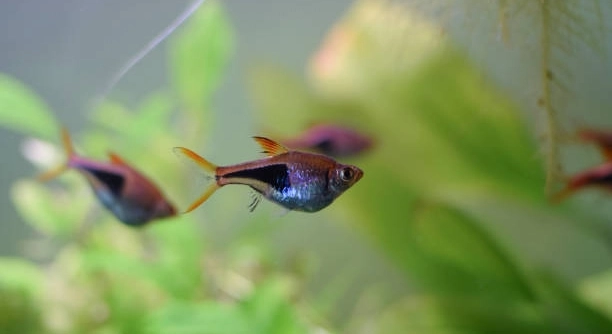
Rasboras are small, colorful fish that many people enjoy keeping in home aquariums. Their vibrant appearance often draws attention, and some wonder how these fish respond to different colors in their environment. Understanding their reaction to color can help create a better habitat for them.
Rasboras do react to colors, primarily through changes in light and contrast rather than specific hues. Their behavior can be influenced by colored surroundings, which affect stress levels, feeding habits, and social interactions. Color perception in rasboras supports survival and communication.
Knowing how rasboras respond to color can improve tank design and fish care. These insights ensure a more comfortable environment for the fish and a more enjoyable experience for their owners.
How Rasboras See Color
Rasboras have well-developed eyes that allow them to perceive colors in their environment, although their color vision is not as advanced as humans’. They mainly detect contrast and brightness, which helps them find food and avoid predators. The way light passes through water changes how colors appear to fish, making some shades less visible. For rasboras, bright and reflective surfaces can trigger different responses, such as increased activity or hiding behavior. Colors in the tank, like plants or decorations, can create a sense of security or stress depending on their brightness and shade. Understanding this can help aquarium owners choose colors that promote calm behavior.
Light and contrast are more important than specific colors in how rasboras react visually.
Selecting the right tank setup, including the background and decorations, can support the fish’s natural responses. Choosing muted or natural colors reduces stress, while overly bright or flashing colors might cause agitation. Adjusting lighting to mimic their natural environment also helps rasboras feel safe and behave normally.
Effects of Color on Rasbora Behavior
Colors in the tank environment affect how rasboras act in subtle but clear ways.
Color impacts feeding habits, social interaction, and general comfort levels in rasboras. Bright colors can attract their attention but may also increase stress if too intense. In contrast, soft and natural colors help rasboras stay calm and display natural schooling behavior. When rasboras feel secure, they are more likely to feed regularly and interact peacefully with tank mates. Color changes in the surroundings can influence their mood and activity levels. It is important to balance visual stimulation without overwhelming the fish. This balance supports their well-being and encourages healthier behavior patterns in the aquarium setting. Maintaining a stable and appropriately colored environment benefits both the fish and the owner’s experience.
Choosing Colors for Your Rasbora Tank
Colors in the tank influence how rasboras feel and behave daily. Choosing the right colors helps keep them comfortable and stress-free.
Natural tones like greens, browns, and soft blues mimic the fish’s natural habitat and reduce stress. Bright colors, especially reds and neon shades, can overstimulate them and cause hiding or skittishness. Decorations and backgrounds in calm, muted colors create a soothing environment that encourages normal behavior. These choices help your rasboras thrive and show their best colors.
Lighting also plays a role. Cooler, softer lights highlight natural tank colors without overwhelming the fish. Too much light can make colors appear harsh and stress the fish. Adjust lighting to balance visibility and comfort, ensuring your rasboras remain active and relaxed.
Observing Color Reactions in Rasboras
Rasboras may change swimming patterns or hide when exposed to unfamiliar or intense colors.
Watching how your rasboras respond to tank colors can give clues about their comfort levels. If they avoid brightly colored areas or act restless, it may be a sign that the environment feels stressful. Calm swimming and normal schooling behaviors suggest they are comfortable with the colors around them.
Color changes that cause stress can also affect feeding and social interaction. Stressed rasboras may eat less or isolate themselves, which is a sign to adjust the tank setup. Small changes like swapping decorations or backgrounds for more natural tones can make a noticeable difference in their behavior and well-being.
Color and Stress Levels in Rasboras
Bright or unnatural colors can increase stress in rasboras, causing them to hide or act nervously.
Choosing softer, natural colors helps create a calming environment that reduces stress and promotes healthy behavior.
How Tank Lighting Affects Color Perception
Lighting impacts how rasboras see and react to colors. Cooler lights tend to highlight their natural colors without overwhelming them. Warmer or very bright lighting can distort colors and increase stress. Adjusting lighting carefully supports the fish’s comfort and well-being.
Using Color to Enhance Rasbora Health
The right color choices contribute to better health by encouraging normal activity and feeding habits in rasboras.
Maintaining a balanced, soothing color environment supports their immune system and reduces illness risk.
FAQ
Do rasboras prefer certain colors over others?
Rasboras do not have a strong preference for specific colors like humans do. Instead, they respond more to contrasts and brightness in their environment. Natural, muted colors tend to make them feel safer and more relaxed, while very bright or flashy colors might cause stress or hiding behavior. Using backgrounds and decorations in greens, browns, or soft blues helps mimic their natural habitat and supports calm behavior.
Can the color of tank decorations affect rasbora behavior?
Yes, tank decorations’ colors can influence how rasboras act. Decorations in natural colors provide comfort and reduce stress, encouraging normal schooling and feeding. Bright or neon-colored decorations might overstimulate the fish, causing them to dart around nervously or hide more often. Changing decorations to more subdued colors often results in calmer, more active rasboras.
Does tank lighting change how rasboras see color?
Lighting plays an important role in how rasboras perceive colors. Cooler or soft white lights enhance their natural colors and create a calm atmosphere. Very bright or warm lighting can distort colors and make the tank feel less natural, which may stress the fish. Adjusting light intensity and color temperature can improve the fish’s comfort and visibility.
How can I tell if my rasboras are stressed by colors?
Signs of color-related stress include hiding frequently, erratic swimming, loss of appetite, or lack of interaction with other fish. If you notice your rasboras avoiding certain areas or acting restless, the color or brightness in that part of the tank might be too intense. Making changes to the tank’s background, decorations, or lighting can help reduce stress and improve their behavior.
Are there colors that encourage feeding in rasboras?
While specific colors don’t directly encourage feeding, a calm and comfortable environment does. Rasboras are more likely to eat well when they feel secure, which is usually achieved with natural and soft color tones in the tank. Bright or flashing colors may distract or stress them, reducing their interest in food.
Is it necessary to change tank colors seasonally or over time?
Rasboras do not require seasonal color changes in their tank. Consistency in color and lighting tends to keep them comfortable and stress-free. Sudden or frequent changes in tank appearance might cause unnecessary stress. If changes are made, doing so gradually allows rasboras to adjust without negative effects on their behavior.
Can colored tank substrates affect rasbora behavior?
Substrates in natural shades like sand or gravel in browns and grays create a familiar and soothing environment for rasboras. Brightly colored substrates, such as neon or unnatural tones, may cause the fish to become wary or nervous. Selecting neutral substrates helps maintain calm and promotes natural behaviors.
Do rasboras’ colors change depending on their environment’s colors?
Rasboras can show slight color shifts based on stress levels or lighting, but their natural color patterns remain mostly consistent. Stress from bright or unnatural colors can dull their appearance. A stable and comfortable environment with natural colors helps rasboras maintain vibrant and healthy coloration.
Should I avoid using certain colors in a community tank with rasboras?
In community tanks, it’s best to avoid overly bright or reflective colors that might stress rasboras or other sensitive fish. Neutral and natural colors create harmony and reduce conflict. Consider the preferences of all tank inhabitants and choose colors that provide a balanced environment for everyone.
How often should I adjust lighting or colors in the tank?
Frequent changes are not recommended. Keeping lighting and colors consistent helps rasboras feel secure. If adjustments are needed, make small changes slowly over days or weeks. This approach minimizes stress and allows the fish to adapt comfortably.
Rasboras are delicate fish that respond mostly to their environment’s overall look, including colors and lighting. While they do not react strongly to specific colors like humans, the brightness and contrast around them matter a lot. Natural and soft colors help create a calm space where rasboras can behave normally. In contrast, very bright or unnatural colors may cause stress, leading to hiding or nervous swimming. Knowing this can help aquarium owners create a better habitat for these fish by choosing tank decorations and backgrounds carefully.
Lighting also plays a key role in how rasboras experience color. Cooler, softer lighting tends to highlight the fish’s natural beauty without causing discomfort. On the other hand, very bright or warm lights can change how colors look and might make the fish feel uneasy. Balancing the light in the tank is important for the health and happiness of rasboras. Adjusting both color and lighting slowly and thoughtfully supports their natural behavior, feeding habits, and social interactions. This careful setup benefits the fish and helps owners enjoy a lively and peaceful aquarium.
Overall, paying attention to colors and lighting in a rasbora tank is a simple but effective way to improve the fish’s quality of life. Choosing natural tones for decorations and backgrounds, along with appropriate lighting, reduces stress and supports healthy activity. Watching how rasboras react to their environment provides valuable clues for adjustments. With small, mindful changes, it is possible to create a balanced, comfortable space that allows rasboras to thrive and show their best colors. This approach makes caring for these fish more rewarding and ensures a pleasant aquarium experience.

Hello,
If you enjoy the content that we create, please consider saying a "Thank You!" by leaving a tip.
Every little bit helps us continue crafting quality advice that supports the health, happiness, and well-being of pets around the world, for pets of all shapes, sizes, and species.
We really appreciate the kindness and support that you show us!