
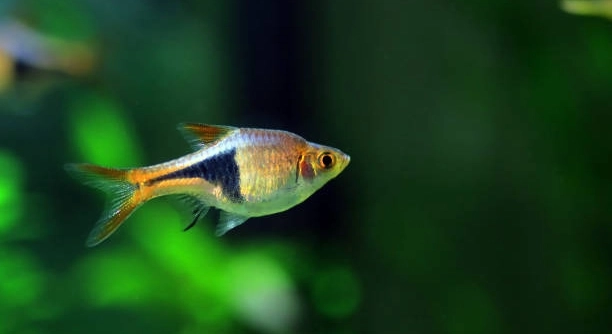
Rasboras are small, peaceful fish often kept in home aquariums. Many fishkeepers wonder about the best water conditions to keep these delicate swimmers comfortable. Understanding their preferences can help create a healthy environment for them.
Rasboras generally prefer gentle flowing water rather than completely still water. Moderate flow mimics their natural habitats, providing oxygenation and movement without stressing the fish. Excessive flow or stagnant water can negatively affect their health and behavior.
Knowing the right water flow for rasboras supports their well-being and enhances your aquarium’s balance and beauty.
Natural Habitat and Water Flow
Rasboras come from slow-moving streams and shallow rivers in Southeast Asia. These waters usually have a gentle current, enough to keep the water fresh and oxygenated but not too strong to push the fish around. In their natural homes, rasboras use plants and rocks to shelter themselves from stronger flows. This balance of movement and calm allows them to swim comfortably while staying safe. Mimicking this in an aquarium helps reduce stress and encourages natural behavior. Providing a mild flow can also help prevent buildup of waste and improve water quality. Without any movement, the water can become stagnant, which might harm these sensitive fish over time. It’s important to remember that flow should be gentle, as strong currents can tire them out or cause injuries. Achieving the right water flow keeps rasboras active and healthy.
Flow helps keep the aquarium clean and the fish calm, replicating their natural environment in the best way possible.
Creating gentle water flow involves using filters or air pumps set to low speed. Positioning the outflow near plants or decorations can soften the current, giving rasboras spaces to rest. Watching how your fish react to different flow levels will help you adjust the setup for their comfort.
Effects of Still Water on Rasboras
Still water can feel safe, but it often lacks proper oxygen and circulation.
In an aquarium without flow, oxygen levels drop faster, and waste can build up around the tank. Rasboras rely on well-oxygenated water for breathing and energy. Poor water movement might lead to lethargy or health issues such as fin rot or infections. Additionally, still water can encourage algae growth, which affects the tank’s balance. Without flow, the environment becomes less stable and less natural for these fish. Adding a small filter or air stone can help improve water movement and oxygen levels. This prevents problems and keeps rasboras feeling more comfortable. Maintaining a clean tank with gentle flow supports their active swimming habits and overall vitality, making it easier for them to thrive in captivity.
Choosing the Right Filter for Rasbora Tanks
Filters create gentle water flow and keep tanks clean.
A sponge filter is often the best choice for rasboras. It produces a mild current while offering excellent biological filtration. The soft flow prevents fish from being pushed too hard and helps maintain stable water quality. Sponge filters are also quiet and safe for small fish. Other filters, like hang-on-back or canister filters, can work if their flow is adjusted carefully. Using flow control valves or redirecting the outflow toward tank decorations can reduce strong currents. Proper filtration supports healthy fish and a balanced tank environment.
Setting up a filter with adjustable flow lets you find the perfect balance, making your rasboras feel secure and comfortable.
Observing Rasbora Behavior to Adjust Flow
Rasboras swim actively in moderate flow but may hide if currents are too strong.
Watch how your fish react after changing water flow. If they cluster in calm corners or struggle against the current, the flow may be too strong. On the other hand, if they appear lethargic or stay at the surface, the water might be too still or oxygen-poor. Gradually adjust filter settings or add plants and decorations to create calm zones. Healthy rasboras swim smoothly and explore their tank without signs of stress. Paying attention to these behaviors helps create the right water flow and a peaceful home for your fish.
Common Mistakes with Water Flow
Many aquarium owners either ignore flow or create currents that are too strong.
Both extremes can harm rasboras. It’s important to find a gentle, steady flow that mimics their natural habitat for their well-being.
How Plants Affect Water Flow
Live plants slow down water currents, creating calm areas. This helps rasboras rest and feel secure. Plants also improve water quality by absorbing nutrients and providing oxygen, making the tank healthier overall.
Using Decorations to Control Flow
Rocks, driftwood, and other decorations break up water currents.
They create sheltered spots for rasboras to hide and reduce stress by softening strong flows.
FAQ
How much water flow do rasboras need in their tank?
Rasboras prefer gentle, steady water flow that mimics their natural habitat. A mild current created by a sponge filter or a low-powered filter is ideal. Strong currents can stress or tire them, while still water may cause oxygen depletion. The goal is to have enough movement to keep the water fresh without overwhelming the fish.
Can I use any type of filter for rasboras?
Not all filters suit rasboras. Sponge filters are highly recommended because they provide gentle flow and good biological filtration. Hang-on-back or canister filters can work if you adjust the flow rate or use flow control valves. Always position the filter’s outflow so it doesn’t create strong currents that disturb the fish.
What signs show my rasboras don’t like the water flow?
If rasboras gather in one corner, hide constantly, or struggle to swim, the flow might be too strong. Lethargy or gasping at the surface can indicate poor oxygenation from still water. Observing these behaviors helps you adjust the flow to a comfortable level for your fish.
Do live plants affect water flow for rasboras?
Yes, live plants reduce water current and create calm areas for rasboras to rest. They also improve oxygen levels and help maintain water quality. Incorporating plants allows you to balance flow by providing both gentle movement and peaceful zones within the tank.
Is it bad to have still water in a rasbora tank?
Completely still water is not ideal because it limits oxygen circulation and can cause waste buildup. Rasboras need some movement to stay healthy. Gentle water flow improves oxygen exchange and prevents stagnant conditions that harm fish.
How can I soften strong water currents in my aquarium?
You can redirect the filter outflow toward plants or decorations to reduce current strength. Adding rocks, driftwood, or tall plants breaks up the flow and creates sheltered spaces. Adjusting filter settings or using flow control valves also helps manage current speed.
Will rasboras survive without water flow?
Rasboras may survive in still water for a short time, but it’s not healthy long-term. Lack of flow reduces oxygen and causes poor water quality. For their well-being, a gentle, consistent flow is necessary to mimic their natural environment and support their health.
How often should I check water flow in my rasbora tank?
It’s a good habit to check water flow regularly, especially after changing filters or decorations. Observing fish behavior daily helps identify any flow issues early. Keeping the flow balanced ensures rasboras remain comfortable and reduces the risk of stress or illness.
Can water flow affect breeding behavior in rasboras?
Yes, gentle water movement can encourage natural breeding behavior by simulating their native habitat. Strong currents can disrupt spawning and cause stress. Providing calm zones and moderate flow supports healthy breeding conditions.
What is the easiest way to increase water flow if it’s too low?
Adding an air stone or upgrading to a slightly stronger filter can increase flow. Positioning the outflow properly also improves circulation. Make changes gradually and watch how your fish respond to avoid creating too strong a current.
Final Thoughts
Rasboras thrive best in an aquarium that mimics their natural environment. This means providing gentle water flow that keeps the tank clean and well-oxygenated without creating strong currents. The balance of movement and calm is important for their health and comfort. When water flows too quickly, rasboras can become stressed or tired because they have to swim harder to keep their position. On the other hand, still water can cause oxygen levels to drop and allow waste to build up, which is harmful to these small fish. Keeping a moderate flow helps create a stable and comfortable home where rasboras can swim freely and display their natural behaviors.
Choosing the right equipment plays a big role in managing water flow for rasboras. Sponge filters are often recommended because they provide gentle filtration and flow, making them safe for delicate fish. Other filters can also work if the flow is adjustable or softened by directing it toward plants or decorations. Live plants and natural decorations are helpful for breaking up currents and giving rasboras places to rest and hide. Observing your fish regularly is important, too. Their behavior is a good guide for adjusting the water flow—if they are hiding a lot or struggling against the current, changes are needed. Creating a balanced flow not only supports their health but also enhances the overall appearance and stability of the aquarium.
In the end, understanding rasboras’ preference for gentle flow helps maintain a peaceful and healthy tank. It may take some time to find the right balance, but small adjustments to filters and tank layout can make a big difference. Providing good water movement encourages activity and supports oxygen exchange, which is essential for fish health. A tank with proper flow reduces stress and allows rasboras to thrive, making your aquarium a pleasant space for both the fish and the keeper. Paying attention to these details will ensure your rasboras live longer, happier lives in their aquatic home.

Hello,
If you enjoy the content that we create, please consider saying a "Thank You!" by leaving a tip.
Every little bit helps us continue crafting quality advice that supports the health, happiness, and well-being of pets around the world, for pets of all shapes, sizes, and species.
We really appreciate the kindness and support that you show us!