
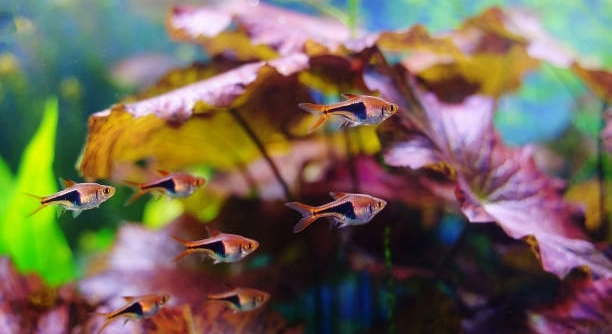
Many aquarium owners enjoy watching Rasboras swim gracefully in their tanks. These small, active fish add life and color, often moving around with ease. Understanding their behavior in different tank conditions can improve their care and environment.
Rasboras do play in filter currents, as they are naturally curious and enjoy swimming through flowing water. This activity stimulates their instincts and provides exercise, contributing positively to their health and well-being in a well-maintained aquarium setting.
Observing how Rasboras interact with currents reveals much about their needs and preferences. This insight helps create a balanced habitat that supports their natural behavior and overall happiness.
Understanding Rasbora Behavior in Filter Currents
Rasboras are small, schooling fish that naturally live in flowing waters like streams and rivers. This makes them accustomed to gentle currents, which they often enjoy swimming through in aquariums. When placed in tanks with filter currents, they use these flows to move effortlessly and explore their environment. The current helps simulate their natural habitat, encouraging natural swimming patterns. However, the strength of the current matters; too strong a flow can stress the fish or tire them out, while a mild, steady current promotes healthy activity. Rasboras often dart in and out of the current, which also helps them exercise and reduces boredom. It’s important to monitor how they respond to the current and adjust the filter flow if needed. Providing hiding spots near the filter helps them rest when they want to avoid strong water movement.
Tank setup with suitable plants and decorations can improve how Rasboras interact with the filter current, making their swimming more natural and enjoyable.
Proper filter current management supports Rasbora health and behavior by matching their natural preferences and needs.
Benefits of Filter Currents for Rasboras
Filter currents help oxygenate the water, improving overall tank conditions. They also prevent stagnation, reducing waste buildup, which is important for keeping fish healthy. Swimming in currents mimics Rasboras’ natural habitat, which supports their physical and mental well-being.
Rasboras use currents to stay active and alert, promoting fitness and reducing stress. A balanced current encourages natural schooling behavior, strengthening social bonds. Additionally, it helps distribute food evenly, so all fish have access to nutrition. Careful current control prevents exhaustion and injury, maintaining a safe environment.
A well-managed filter current contributes to a lively, healthy aquarium where Rasboras thrive. This understanding helps maintain the right conditions, promoting their natural instincts and longevity.
Adjusting Filter Flow for Rasboras
Too strong a filter flow can tire out Rasboras or make them hide constantly. Adjusting flow strength ensures they remain comfortable and active.
Many filters come with adjustable flow settings. Lowering the speed or redirecting the current helps create gentle water movement. Using spray bars or flow diffusers can spread the current evenly, reducing strong jets. Observing how Rasboras swim and rest near the filter helps gauge if the flow is appropriate. It’s best to aim for a soft, steady current that encourages movement without overwhelming the fish. Experimenting with placement of plants or decorations can also break up strong currents, giving the fish places to rest.
A balanced flow reduces stress and helps Rasboras maintain natural swimming patterns. Proper filter adjustment supports their overall health and tank harmony.
Signs Rasboras Are Struggling with Currents
If Rasboras stay hidden or cling to tank corners, the current may be too strong. Excessive fatigue or erratic swimming also signals discomfort.
Stress caused by strong currents can weaken their immune system, making them prone to illness. Reduced feeding or loss of color are other warning signs. It’s important to address these behaviors quickly by softening the flow or rearranging tank decorations to provide calm zones. Healthy Rasboras swim freely in the current but should also rest easily out of it when needed. Regularly monitoring behavior helps catch issues early and maintain a supportive environment. Adjusting water flow and tank layout can restore comfort and encourage natural activity.
Common Filter Types for Rasbora Tanks
Hang-on-back (HOB) filters are popular because they offer adjustable flow and easy maintenance. Sponge filters provide gentle water movement and excellent biological filtration.
Sponge filters are especially good for small Rasbora tanks or breeding setups. They create soft currents and safe environments for fry. Both filter types can be adapted to meet the flow needs of Rasboras, helping maintain a healthy tank.
Positioning the Filter Outlet
Placing the filter outlet near the tank’s surface helps oxygenate the water. Positioning it sideways or downward reduces strong currents, allowing Rasboras to swim comfortably without fighting the flow.
Using Plants to Manage Currents
Live plants act as natural flow barriers, breaking up strong water movement. They provide hiding spots and resting areas where Rasboras can escape strong currents and feel secure. Including tall or bushy plants near the filter outlet helps moderate flow and creates a balanced environment. This supports the fish’s comfort while allowing them to enjoy gentle currents for exercise.
Monitoring and Maintenance
Regular filter cleaning ensures consistent flow and water quality. Keeping the filter clean prevents clogging, which can cause sudden changes in current strength that stress Rasboras.
FAQ
Do Rasboras need strong water currents to stay healthy?
Rasboras do not require strong water currents to stay healthy. They naturally live in areas with gentle to moderate flow, so a soft, steady current is best. Strong currents can cause stress and tire them quickly. It’s important to adjust the filter flow so that the water moves smoothly without creating overwhelming force.
Can Rasboras get injured from filter currents?
Yes, if the filter current is too strong, Rasboras may get injured. They can become exhausted from constantly swimming against strong flow or may collide with decorations or tank walls. Creating safe resting spots with plants or hiding areas helps prevent injury and stress.
How can I tell if the filter current is too strong?
Signs of a strong current include Rasboras hiding frequently, swimming erratically, or sticking to calm corners. Fatigue or refusal to eat may also indicate stress caused by water flow. Watching their behavior closely helps identify if adjustments are needed.
Is it necessary to use a spray bar or diffuser with a filter?
Using a spray bar or diffuser is helpful because it spreads water flow evenly and softens strong jets. This creates a more natural current for Rasboras and reduces areas with harsh flow. Many aquarium owners find these tools improve fish comfort.
Can live plants help with managing filter currents?
Yes, live plants are effective at breaking up strong currents. Tall or bushy plants near the filter outlet reduce flow strength in certain areas, creating calm spots. Plants also provide hiding places and resting zones, improving overall tank balance and Rasbora well-being.
What type of filter is best for a Rasbora tank?
Sponge filters and hang-on-back (HOB) filters are commonly used. Sponge filters create gentle flow and excellent biological filtration, making them great for small tanks or breeding. HOB filters allow easy flow adjustments, which helps fine-tune current strength for Rasboras.
How often should I adjust the filter flow?
Adjust filter flow when you notice changes in fish behavior or tank conditions. For example, after adding decorations or plants, the current may change and require recalibration. Regularly observe your Rasboras to ensure they are comfortable and swimming naturally.
Does the filter current affect feeding behavior?
Yes, the current can influence how food disperses in the tank. A gentle flow helps distribute food evenly, so all Rasboras can eat. Strong currents might push food away or make it hard for weaker fish to compete. Balancing flow supports healthy feeding habits.
Can young Rasboras handle strong currents?
Young Rasboras or fry are more sensitive to strong currents. They need calm water to grow and develop properly. Using sponge filters or very low flow settings is best for raising fry safely without causing exhaustion or injury.
Is it okay for Rasboras to rest outside the current?
Yes, Rasboras often rest in areas with little or no current. Providing calm zones with plants or decorations is important. It allows them to conserve energy and avoid stress from constant swimming against water flow.
What happens if I turn off the filter completely?
Turning off the filter stops water movement and oxygen circulation, which can harm Rasboras. Even if they don’t swim in currents, water flow is necessary to maintain good water quality and oxygen levels. Always keep the filter running with an appropriate flow rate.
Can filter currents help reduce algae growth?
Indirectly, yes. Proper water circulation from the filter helps prevent stagnant areas where algae thrive. Good flow distributes nutrients and limits buildup, supporting a cleaner tank environment that benefits Rasboras.
How can I test the strength of the filter current?
You can feel the water flow with your hand or observe lightweight objects like plants or air bubbles in the tank. Watching how Rasboras swim in the current also indicates flow strength. If they struggle, the current is likely too strong.
Should I change the filter setup for different Rasbora species?
Different Rasbora species have varying preferences for current strength. Research the natural habitat of your specific species and adjust the filter flow accordingly. Most prefer gentle currents, but some species tolerate moderate flow better than others.
Is it better to place the filter outlet high or low in the tank?
Placing the filter outlet near the water surface improves oxygen exchange and creates surface movement. Positioning it lower or sideways can reduce strong jets and create softer currents, which Rasboras prefer. Adjust placement to balance oxygenation and flow comfort.
Can Rasboras adapt to different filter currents over time?
They can adapt to some extent, but sudden changes or very strong currents cause stress. Gradually adjusting flow and monitoring behavior helps them acclimate comfortably. Consistency in water movement promotes a stable environment and reduces stress.
Are there alternatives to filters that create water movement for Rasboras?
Air-driven sponge filters and gentle powerheads can provide water movement without strong currents. These options offer gentle flow that mimics natural habitats and can be combined with plants and decorations to create varied water movement suitable for Rasboras.
Rasboras are active, graceful fish that benefit from a carefully balanced aquarium environment. One important aspect of their care is managing water flow created by the filter. While these fish enjoy gentle currents that mimic their natural habitats, strong or harsh flows can cause stress and fatigue. Observing how Rasboras respond to different water movements helps ensure their tank remains a comfortable and healthy space. Adjusting filter settings and tank layout can create the right balance of flow that encourages natural swimming behaviors without overwhelming the fish. This simple care step supports their physical health and overall well-being.
Choosing the right type of filter and properly positioning the outlet can greatly affect how the current feels for Rasboras. Sponge filters and hang-on-back filters are popular options because they offer controllable flow and efficient filtration. Adding spray bars, diffusers, or plants near the filter outlet helps spread and soften the water movement, preventing strong jets that might disturb the fish. Providing plenty of plants and decorations also creates calm zones where Rasboras can rest when they want to avoid currents. This setup promotes a healthy environment where the fish can exercise in the flow but also relax when needed.
Maintaining a consistent, gentle current improves oxygen circulation and water quality, which benefits the entire aquarium ecosystem. It also helps distribute food evenly and keeps waste from settling, reducing health risks. Regularly monitoring the Rasboras’ behavior is key to identifying any signs of discomfort caused by water flow. If the fish hide too much or seem tired, adjusting the filter flow or rearranging tank features can restore balance. Keeping these details in mind makes a positive difference in the happiness and longevity of Rasboras, making the aquarium a more enjoyable space for both the fish and the owner.

Hello,
If you enjoy the content that we create, please consider saying a "Thank You!" by leaving a tip.
Every little bit helps us continue crafting quality advice that supports the health, happiness, and well-being of pets around the world, for pets of all shapes, sizes, and species.
We really appreciate the kindness and support that you show us!