
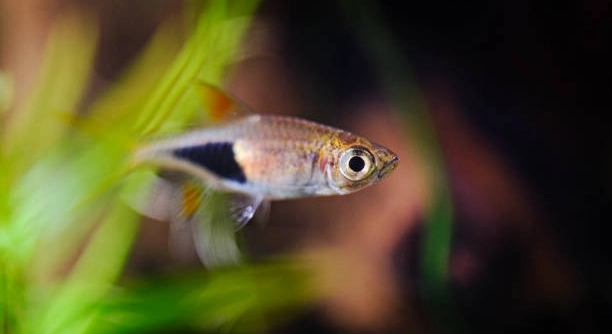
Do you keep Rasbora fish and notice how they behave in different tanks? Their movement can sometimes seem to change depending on the size of their environment. Observing these changes can help improve their care and comfort in your aquarium.
Rasbora do move differently in larger tanks because they have more space to swim freely and display natural schooling behavior. Larger tanks reduce stress and allow more complex movement patterns compared to smaller, confined spaces.
Understanding how tank size affects Rasbora behavior will help you create a better environment for them. This knowledge is useful for both new and experienced fishkeepers aiming to support healthy fish activity.
How Tank Size Influences Rasbora Movement
Larger tanks give Rasbora more room to swim naturally. When confined to small tanks, their movement tends to be limited and less active. In bigger spaces, these fish can spread out and form larger schools, which is closer to their behavior in the wild. This reduces stress and encourages exploration, making their swimming more fluid and varied. Small tanks often force Rasbora to swim in tighter circles or stay still, which can affect their health over time. The space allows them to establish territories or find comfortable spots without constant competition. Additionally, water quality in larger tanks tends to be more stable, which contributes to more energetic and natural behavior. The overall environment becomes more stimulating, leading to increased activity levels and less hiding.
Larger tanks improve Rasbora well-being by supporting more natural swimming patterns and reducing stress-related behavior.
Creating a spacious, well-maintained tank is key for keeping Rasbora active and healthy. Proper tank size allows them to express their schooling instincts and reduces aggressive interactions. When Rasbora have enough space, they display a wider range of movements, including quick bursts and gentle gliding. The tank layout also plays a role, with plants and decorations providing safe zones and hiding spots. This balance encourages Rasbora to feel secure while exploring their environment. Monitoring their activity can help gauge whether the tank size suits their needs. In cramped tanks, lethargy or repetitive movements may indicate discomfort. Adapting tank size and setup ensures that these fish thrive, showing off their vibrant colors and lively personalities.
Effects of Tank Setup on Rasbora Behavior
Tank decorations and plants influence how Rasbora swim and interact.
Choosing the right setup is essential for supporting Rasbora movement. Plants, hiding places, and open swimming areas create a balanced environment that keeps the fish engaged. Dense plants offer shelter but should not overcrowd the tank, allowing room for schooling. Open spaces encourage group swimming and reduce territorial disputes. Smooth substrate and gentle water flow also contribute to comfort, avoiding stress caused by harsh currents or rough surfaces. Adjusting decorations helps maintain natural behavior and promotes healthy activity levels, benefiting both the fish and the tank’s ecosystem.
Water Quality and Its Impact on Rasbora Movement
Water quality strongly affects how Rasbora behave in a tank. Poor water conditions can cause stress, leading to sluggish or erratic swimming. Clean, well-filtered water helps them stay active and comfortable.
Maintaining stable water parameters is crucial. Rasbora prefer slightly acidic to neutral pH and consistent temperature. Fluctuations can cause discomfort, reducing their movement. Regular water changes and proper filtration keep toxins like ammonia and nitrites low. Good water quality encourages natural swimming behavior, making Rasbora more lively and responsive. Monitoring these factors prevents illness and supports overall health, contributing to better activity levels.
In addition to cleanliness, oxygen levels are important. Adequate aeration ensures Rasbora can swim energetically without gasping. Keeping the water balanced creates an environment where they feel safe and free to explore. Ignoring water quality often leads to stressed fish that hide or swim erratically, which signals a problem in the tank.
Social Behavior and Tank Size
Rasbora are schooling fish, and their social behavior changes with tank size. They need enough space to swim as a group without crowding.
In smaller tanks, Rasbora may feel cramped, causing stress and reducing their natural schooling patterns. Larger tanks allow them to maintain proper distances, swim in coordinated groups, and show more vibrant activity. When tank size supports social needs, they display synchronized swimming and interact more naturally. Crowded conditions can lead to aggressive behavior or hiding, which disrupts their movement. Ensuring the tank size matches the school’s needs helps maintain peaceful, healthy fish with natural behaviors. Adjusting the number of fish and tank size together improves their overall well-being and enjoyment of the space.
Feeding and Movement Patterns
Feeding times can influence how Rasbora move in their tank. They often become more active and swim toward food during feeding.
Consistent feeding schedules help Rasbora develop predictable movement patterns. This activity encourages exercise and social interaction within the school, contributing to their overall health.
Impact of Lighting on Rasbora Activity
Lighting affects Rasbora movement by influencing their daily rhythm. Bright light can make them more active, while dim lighting encourages resting behavior. A balanced lighting schedule helps maintain natural activity levels and reduces stress, supporting their well-being in the tank.
Tank Size Recommendations for Rasbora
For a healthy school of Rasbora, a tank size of at least 20 gallons is ideal. This provides enough space for swimming and social interaction, ensuring their movement stays natural and stress-free. Smaller tanks limit their activity and can negatively impact their health.
How much space do Rasbora need to swim comfortably?
Rasbora need enough space to swim in groups and avoid feeling crowded. A tank of at least 20 gallons is recommended for a small school of 6 to 10 fish. More space allows them to show natural swimming behaviors and reduces stress.
Do Rasbora swim faster in larger tanks?
Yes, Rasbora often swim faster and more freely in larger tanks. With more room, they can spread out, explore, and school more naturally, which encourages active swimming compared to the restricted movement in smaller tanks.
Can tank size affect Rasbora’s schooling behavior?
Tank size significantly affects schooling. In larger tanks, Rasbora can form tighter, more coordinated schools. Smaller tanks restrict their movement, making schooling less natural and sometimes causing stress or aggressive behavior.
How often should I clean a larger tank to keep Rasbora active?
Regular maintenance is key. For larger tanks, changing 20-30% of the water every one to two weeks keeps the water clean and stable. Good water quality helps Rasbora stay healthy and active.
Does tank decoration influence Rasbora movement?
Yes, decorations like plants and rocks provide shelter and break up swimming areas. Balanced decoration allows Rasbora to explore safely while preventing overcrowding. Too many decorations can limit swimming space, causing stress.
Is water temperature important for Rasbora activity?
Water temperature directly affects Rasbora metabolism and movement. Ideal temperatures are between 72°F and 78°F (22°C to 26°C). Too cold or too warm water slows them down or causes stress, reducing their swimming activity.
How do lighting conditions change Rasbora behavior?
Lighting impacts their daily rhythm. Bright light encourages more active swimming, while dim light signals resting times. A regular light cycle, around 10-12 hours per day, supports natural movement and reduces stress.
Do Rasbora need a large group to move naturally?
Yes, Rasbora are social fish that feel safer and behave naturally in groups of at least six. Smaller groups may feel insecure, causing less schooling and more hiding. Larger groups in a spacious tank promote lively, natural movement.
Can poor water quality cause abnormal Rasbora movement?
Poor water quality stresses Rasbora and often causes sluggish or erratic swimming. High ammonia or nitrite levels, or sudden parameter changes, negatively affect their health and behavior. Regular testing and water changes prevent these issues.
Will Rasbora move differently if the tank is overcrowded?
Overcrowding limits space and increases competition, which changes how Rasbora move. They may become more aggressive or hide more often, reducing schooling behavior. Ensuring proper stocking density supports healthy movement.
How does feeding routine affect Rasbora activity?
Feeding times increase activity as Rasbora swim actively toward food. Consistent feeding schedules encourage movement and interaction, helping maintain their physical health and natural behavior.
Can tank size impact Rasbora’s lifespan?
Tank size indirectly affects lifespan by influencing stress and movement. Larger tanks reduce stress and promote healthy behavior, potentially leading to longer life. Smaller, cramped tanks can shorten lifespan due to poor conditions.
Is it necessary to adjust tank setup when increasing tank size?
Yes, a larger tank requires thoughtful setup to balance open swimming areas with hiding spots. Proper decoration placement ensures Rasbora feel secure but not confined, encouraging natural and varied movement.
When it comes to keeping Rasbora fish, tank size plays a crucial role in how they move and behave. Larger tanks give them enough space to swim freely and form natural schools, which helps reduce stress and encourages healthy activity. In smaller tanks, their movement tends to be limited, and they may not show their full range of natural behaviors. Creating an environment where Rasbora have room to explore and interact can improve their overall well-being and longevity.
Water quality and tank setup also have a strong impact on Rasbora movement. Clean, well-maintained water with stable temperature and pH supports their health and activity levels. Proper filtration and regular water changes help keep the environment safe and comfortable. Additionally, the layout of the tank matters. Balanced decoration with enough open space and hiding spots allows Rasbora to feel secure while encouraging natural swimming patterns. Too many decorations or poor water conditions can limit their movement and increase stress.
Lastly, social factors are important for Rasbora behavior. These fish are schooling species that thrive in groups, especially when given enough space. A well-sized tank with a proper number of Rasbora lets them swim together naturally, promoting calm and coordinated movement. Feeding routines and lighting also influence their activity, making their behavior more predictable and balanced. Paying attention to these details ensures that Rasbora live healthier, more comfortable lives while displaying the lively swimming patterns that make them enjoyable to watch.

Hello,
If you enjoy the content that we create, please consider saying a "Thank You!" by leaving a tip.
Every little bit helps us continue crafting quality advice that supports the health, happiness, and well-being of pets around the world, for pets of all shapes, sizes, and species.
We really appreciate the kindness and support that you show us!