
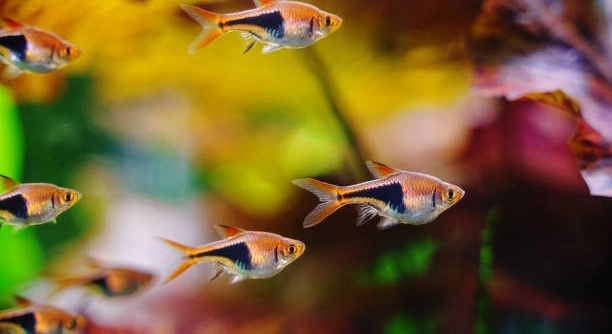
Rasboras are small, colorful fish often kept in home aquariums. Their social behavior has interested many fish enthusiasts. Observing how these fish interact may reveal whether they form friendships or simply coexist in groups.
Research indicates that rasboras do not form friendships in the human sense. Instead, they exhibit shoaling behavior, staying close for safety and social interaction. These groups reduce stress and improve survival, but individual bonds are not evident.
Understanding the nature of rasbora social behavior can improve how we care for them and create healthier environments in aquariums. This knowledge helps hobbyists provide the best conditions for these lively fish.
Understanding Rasbora Social Behavior
Rasboras are known for their shoaling tendencies, which means they prefer to swim in groups. This behavior is natural and provides them with a sense of security. When in groups, rasboras can better detect predators and feel less stressed. They use visual and chemical cues to stay close to each other, which helps them coordinate movement and respond quickly to threats. Unlike animals that form close individual bonds, rasboras focus more on the collective safety of their shoal. This social grouping also allows them to explore their environment more effectively and share resources like food. It is important for aquarium owners to keep them in groups rather than alone, as isolation can lead to stress and health problems. Overall, their social behavior is driven by survival instincts rather than individual attachment.
Keeping rasboras in groups of six or more helps maintain their natural behavior and reduces stress in captivity.
Providing the right environment for rasboras involves replicating natural conditions that encourage shoaling. This includes adequate space, hiding spots, and consistent water quality. When these needs are met, rasboras display more natural movement and active schooling. Their group swimming adds visual appeal to any aquarium. Understanding this helps aquarists create a better habitat and improve the overall health of these fish. It is also useful to observe their behavior regularly to ensure they remain active and stress-free. Proper care enhances their lifespan and keeps them vibrant. Being mindful of their social nature is key to successful rasbora care.
Signs of Comfort and Stress in Rasboras
Rasboras display certain behaviors when they are comfortable in their environment. They swim actively, maintain close group formations, and feed well. On the other hand, signs of stress include erratic swimming, hiding excessively, or losing color. Stress can arise from poor water conditions, being kept alone, or sudden changes in their habitat. Monitoring these signs is important to maintain their health and well-being.
Stress affects rasboras by weakening their immune system, making them more prone to disease. It can also reduce their lifespan and cause behavioral issues. When stressed, they may become lethargic or aggressive, which is not typical of their natural behavior. Preventing stress involves maintaining clean water, stable temperatures, and appropriate tank mates. It is also helpful to avoid overcrowding or sudden environmental changes. Providing plants and hiding spaces gives them security, reducing stress further. By recognizing stress early, interventions can be made to improve their conditions quickly, ensuring healthier and more active fish in the aquarium. This attention to their needs makes a noticeable difference in their overall health and behavior.
Tank Setup for Rasboras
A proper tank setup is essential for rasboras to thrive. They need enough space and a peaceful environment that supports their shoaling behavior.
The tank should be at least 20 gallons to comfortably house a small group of rasboras. Providing plenty of plants and hiding spots mimics their natural habitat and helps reduce stress. Soft, slightly acidic water with a temperature between 72°F and 78°F suits them best. A gentle filter is preferred, as strong currents can cause discomfort. Lighting should be moderate to avoid overstimulation while highlighting their colors. Maintaining stable water conditions is crucial for their health.
Regular tank maintenance, including water changes and monitoring parameters like pH and ammonia levels, helps prevent stress and disease. Careful consideration of tank mates is also important since rasboras are peaceful fish. Avoid aggressive or much larger species that could intimidate or harm them. Proper tank setup encourages natural behavior and promotes a vibrant, active group of rasboras.
Feeding Habits of Rasboras
Rasboras eat small live or frozen foods along with quality flake or pellet diets. They prefer a varied diet to stay healthy and active.
Offering foods like brine shrimp, daphnia, and bloodworms supplements their nutritional needs and stimulates natural hunting behaviors. Feeding small amounts two to three times daily prevents overfeeding and keeps the tank clean. Rasboras can be shy feeders at first, so patience is important. Observing their eating habits helps ensure all fish get adequate nutrition. Adjusting feeding amounts based on activity levels and tank size helps avoid water quality issues. Consistent feeding routines support their health and longevity. This balance of diet and care maintains vibrant colors and energy levels in the group.
Common Health Issues
Rasboras are generally hardy but can suffer from common freshwater fish diseases. Ich, fin rot, and swim bladder problems are among the most frequent issues.
Maintaining clean water and stable conditions helps prevent these illnesses. Early detection and treatment improve recovery chances and reduce stress on the fish.
Breeding Rasboras
Breeding rasboras requires a separate spawning tank with soft, slightly acidic water. Providing fine-leaved plants or spawning mops encourages egg laying. After spawning, removing the adults prevents them from eating the eggs. Eggs hatch in about 24 to 36 hours, and fry need tiny food like infusoria initially. Maintaining clean water and gentle filtration is essential for fry survival.
Tank Mates
Suitable tank mates are peaceful, small fish that thrive in similar water conditions. Avoid aggressive or large species that may stress or harm rasboras. Ideal companions include small tetras, corydoras, and peaceful dwarf gouramis.
Water Quality Importance
Consistent water quality is critical for rasbora health and longevity. Regular testing and maintenance reduce disease risks and support natural behavior.
What size tank do rasboras need?
Rasboras do best in tanks that are at least 20 gallons. This size allows room for a group to swim comfortably and display natural behavior. Crowding can cause stress and aggression, so enough space is essential to keep them healthy and active.
How many rasboras should be kept together?
It is best to keep rasboras in groups of six or more. They rely on the company of their own kind for safety and social interaction. Smaller groups or solitary fish may become stressed, hide more, or show signs of poor health.
What water conditions do rasboras prefer?
Rasboras thrive in slightly acidic to neutral water, with a pH around 6.0 to 7.0. The temperature should be between 72°F and 78°F. Soft to moderately hard water is ideal. Keeping stable parameters avoids stress and illness.
What do rasboras eat?
They eat a variety of foods, including flake, pellet, frozen, and live foods. High-quality flakes or pellets should form the base of their diet. Supplementing with live or frozen brine shrimp, daphnia, or bloodworms adds nutrition and variety. Feeding small amounts two to three times daily works best.
Can rasboras live with other fish?
Yes, as long as tank mates are peaceful and similar in size. Suitable companions include small tetras, corydoras catfish, and peaceful dwarf gouramis. Avoid large, aggressive, or fin-nipping species that may harm or stress rasboras.
How do you tell if rasboras are stressed?
Signs of stress include hiding often, loss of color, erratic swimming, and lack of appetite. Stress may also cause rasboras to separate from the group or show signs of disease. Early attention to water quality and environment helps reduce stress.
How often should I clean the tank?
Partial water changes of about 20-30% once a week are recommended. Cleaning the tank helps remove waste and toxins that build up over time. Regular maintenance prevents poor water quality, which is a common cause of illness in rasboras.
Can rasboras breed in a community tank?
Breeding is unlikely in a busy community tank due to stress and the risk of eggs being eaten by other fish. A separate spawning tank with proper conditions and hiding places is better for breeding success.
What do rasbora fry eat?
Newly hatched fry need very small food like infusoria or commercially available liquid fry food. After a few days, they can eat freshly hatched brine shrimp and finely crushed flakes. Proper feeding ensures good growth and survival.
How long do rasboras live?
With proper care, rasboras can live around 4 to 6 years. Good water quality, a balanced diet, and a stress-free environment contribute to a longer lifespan.
Are rasboras aggressive?
No, rasboras are peaceful fish. They generally avoid confrontation and do well with other calm species. Aggression usually arises if they are kept in poor conditions or with aggressive tank mates.
Is it necessary to have plants in a rasbora tank?
Yes, live plants provide hiding spots and help create a natural environment. Plants improve water quality by absorbing nitrates and offer security, which reduces stress for rasboras.
What lighting is best for rasboras?
Moderate lighting is ideal. Too bright lighting may cause stress, while very dim lighting can reduce activity and color vibrancy. Lighting that mimics natural day and night cycles helps maintain healthy behavior.
How can I tell if my rasboras are healthy?
Healthy rasboras swim actively, display bright colors, eat regularly, and stay close to their group. They have clear eyes and intact fins. Any changes in behavior, color, or appetite can signal health problems.
What should I do if my rasboras get sick?
First, check water quality and correct any issues. Quarantine sick fish if possible. Use treatments specific to the diagnosed illness, such as medications for ich or fin rot. Early treatment and good tank care improve recovery chances.
Rasboras are small, peaceful fish that bring life and color to many home aquariums. Their natural behavior centers around swimming in groups, which helps them feel secure and less stressed. While they do not form close bonds like some animals, their shoaling instinct is important for their survival. Understanding this behavior helps in providing the right environment that supports their needs. Keeping rasboras in a proper group size, with clean water and enough space, ensures they can display their natural schooling behavior. This makes them more active and happier fish overall.
Caring for rasboras involves maintaining stable water conditions and offering a varied diet. They thrive in slightly acidic to neutral water and prefer soft to moderately hard water with temperatures between 72°F and 78°F. Feeding them a mix of high-quality flakes or pellets along with frozen or live foods keeps them healthy and vibrant. Proper tank setup includes plenty of plants and hiding spots, mimicking their natural habitat. This not only reduces stress but also creates an attractive aquarium environment. Regular tank maintenance and monitoring of water quality are essential to prevent common health problems.
Overall, rasboras are relatively easy to care for when their basic needs are met. Providing a peaceful tank with compatible tank mates further supports their well-being. They make excellent additions to community aquariums, especially when kept in groups. While they do not form friendships as humans do, their natural social behavior adds interest and movement to any tank. Paying attention to their environment, diet, and health will help them live longer and more comfortably. Rasboras offer enjoyment and beauty, making them a popular choice for both beginner and experienced fish keepers.

Hello,
If you enjoy the content that we create, please consider saying a "Thank You!" by leaving a tip.
Every little bit helps us continue crafting quality advice that supports the health, happiness, and well-being of pets around the world, for pets of all shapes, sizes, and species.
We really appreciate the kindness and support that you show us!