
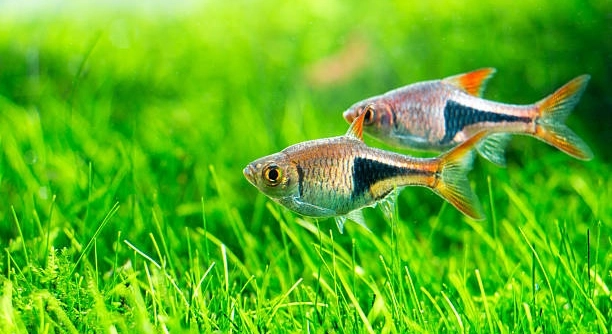
Do you keep Rasbora fish in your aquarium and wonder about their comfort? Many aquarists try to create a natural environment by adding plants. Plants can change how fish behave and feel in their tank.
Rasbora fish do feel comfort from plants in their habitat. Plants provide shelter, reduce stress, and mimic their natural environment, which supports their well-being. The presence of plants encourages natural behaviors and helps them feel secure.
Understanding the role of plants can improve your Rasbora’s health and happiness in the tank. Exploring this topic can help you create a better home for your fish.
Why Plants Matter to Rasbora
Plants in an aquarium offer more than just decoration. For Rasbora fish, they create an environment that feels closer to their natural habitat. The leaves and stems provide hiding spots where Rasbora can retreat when they feel threatened or stressed. This is important because these fish are small and can easily become anxious without safe spaces. Plants also help improve water quality by absorbing nitrates and producing oxygen, which benefits the fish’s health. The gentle sway of plants in water can make the tank feel more dynamic and less bare, giving Rasbora places to explore and swim through. These factors combined create a space where Rasbora can display natural behaviors, such as schooling and foraging, in a relaxed way. For someone keeping Rasbora, including plants can make a noticeable difference in their activity and comfort.
Adding plants is a simple way to support your Rasbora’s well-being in the aquarium.
Having live plants not only adds beauty but also supports your fish’s natural instincts and health.
Types of Plants Best for Rasbora Tanks
Choosing the right plants for your Rasbora tank depends on the size of the aquarium and the care level you want. Hardy plants like Java fern and Anubias are popular because they tolerate a range of conditions and don’t require intense lighting or care. Floating plants can provide shaded areas that Rasbora enjoy, helping to reduce bright light stress. Soft-leaved plants are better since Rasbora swim gently around them and don’t tear or damage delicate leaves. Avoid sharp or coarse plants as they might harm the fish. Including a mix of tall plants for hiding and shorter plants for open swimming spaces creates a balanced environment. Regular maintenance like trimming and cleaning will keep plants healthy and the tank pleasant for Rasbora to live in. Taking time to choose and care for plants will reward you with happier, more active fish.
How Plants Affect Rasbora Behavior
Plants provide hiding spots that reduce stress in Rasbora. They help fish feel safe and secure.
When Rasbora have plants around, they tend to swim more calmly and show natural schooling behavior. The plants create a sense of protection from perceived threats, which lowers their stress levels. This makes them more active during feeding and more likely to explore the tank. Without plants, Rasbora may hide excessively or become skittish. Plants also encourage exploration and play by breaking up open spaces, making the environment more interesting for the fish. This improves their overall well-being and helps maintain a stable social group.
The presence of plants can also influence how Rasbora interact with each other. They often gather near plants for shelter but also use open areas for swimming, balancing security and social activity. This natural rhythm keeps the fish healthy and content in their aquarium.
Caring for Plants in a Rasbora Aquarium
Healthy plants need proper lighting and nutrients to thrive in your Rasbora tank.
Choosing low-maintenance plants reduces the effort required and ensures they stay lush and green. Using aquarium-specific fertilizers and providing moderate light supports plant growth without encouraging algae. Regular pruning prevents overgrowth, allowing Rasbora enough space to swim freely. Clean water and stable temperature also benefit both fish and plants. Avoid harsh chemicals or treatments that can harm plants and fish alike.
By keeping the plants healthy, you create a balanced environment that supports Rasbora comfort. This effort improves water quality and offers a natural setting, making your tank a peaceful place for the fish to live.
Signs Rasbora Are Comfortable with Plants
When Rasbora feel at ease, they swim confidently around plants. They also rest calmly among leaves without hiding too much.
Active schooling near plants and regular feeding show they trust their environment. Calm behavior signals comfort and security in the tank.
Common Mistakes with Plants in Rasbora Tanks
Overcrowding the tank with too many plants can limit swimming space for Rasbora. Choosing plants with sharp edges may cause injury. Poor lighting or neglecting plant care often leads to decaying plants, which harms water quality and stresses the fish. Keeping a balance between plants and open areas is essential to support both fish activity and comfort.
Conclusion Preview
Adding plants thoughtfully can greatly improve your Rasbora’s comfort and health in the aquarium.
FAQ
Do Rasbora need plants to survive?
Rasbora can survive without plants, but plants improve their well-being. They provide shelter, reduce stress, and help mimic a natural environment. Without plants, Rasbora may feel more exposed and anxious, which can affect their behavior and health. Including plants supports a more balanced and comfortable habitat for them.
What types of plants are safest for Rasbora?
Soft-leaved plants like Java fern, Anubias, and Cryptocoryne are ideal. These plants have smooth leaves that won’t hurt the fish. Floating plants also work well by creating shaded areas that reduce light stress. Avoid sharp or rough plants, as they can damage delicate fins or scales.
How many plants should I add to a Rasbora tank?
A balanced approach is best. Fill about 30-50% of the tank with plants. Too many plants can crowd the space and limit swimming, while too few may not provide enough shelter. The goal is to create enough hiding spots while leaving room for open swimming areas.
Can artificial plants provide the same comfort as live plants?
Artificial plants offer shelter but don’t improve water quality or oxygen levels like live plants do. They also lack natural textures and movement, which Rasbora respond to. While artificial plants help visually, live plants are better for creating a healthy, comfortable environment.
How do plants reduce stress in Rasbora?
Plants create hiding spots where Rasbora can feel safe if they sense danger or stress. This reduces anxiety by giving them places to retreat. Plants also break up the tank visually, lowering the feeling of exposure. These effects help maintain calm behavior and prevent stress-related illnesses.
Do Rasbora eat or damage aquarium plants?
Rasbora are generally peaceful and do not eat plants. They swim gently and avoid damaging soft leaves. However, if plants are weak or unhealthy, Rasbora might accidentally disturb them while swimming. Healthy, well-maintained plants usually remain intact.
How often should I care for plants in a Rasbora tank?
Regular care is important. Trim dead leaves weekly and clean algae as needed. Check lighting and nutrient levels every few weeks to keep plants growing well. Healthy plants create a stable environment that benefits Rasbora and reduces tank maintenance overall.
Can plants help improve water quality for Rasbora?
Yes. Plants absorb nitrates and other waste products, helping keep water cleaner. They also produce oxygen during the day, which benefits fish health. Having live plants creates a more natural ecosystem in the tank, supporting Rasbora’s comfort and longevity.
Is it okay to mix different types of plants in one tank?
Mixing different plants is beneficial. It creates varied hiding spots and adds visual interest. Tall plants, floating plants, and ground cover each serve different roles that help Rasbora feel secure. Diversity in plants also helps maintain better water quality and a balanced environment.
What should I do if plants start to die in the tank?
Remove decaying plants quickly to prevent water quality issues. Check lighting, nutrients, and water parameters to find the cause. Sometimes trimming back overgrown parts or adjusting tank conditions helps plants recover. Healthy plants are important for Rasbora comfort and stress reduction.
Can Rasbora live happily in a tank without plants?
They can live without plants, but they may not be as comfortable or active. A bare tank can cause stress, leading to hiding or skittish behavior. Adding plants creates shelter and natural cues that support healthy Rasbora behavior and well-being.
How do plants affect Rasbora schooling behavior?
Plants help Rasbora school by providing secure spaces to group together. When they feel safe, they swim more closely and confidently. Open areas between plants allow them to move as a group, while plants offer refuge if needed. This balance supports natural social behavior.
Are there any special care tips for plants in a Rasbora tank?
Use moderate lighting and avoid sudden changes in tank conditions. Feed plants with aquarium-safe fertilizers if necessary. Keep water clean and stable, avoiding harsh chemicals. Regular trimming prevents overcrowding and supports healthy growth, which in turn helps Rasbora feel comfortable.
Do plants impact breeding behavior in Rasbora?
Yes, plants provide safe spots for spawning and protect eggs from being eaten. Dense plants can offer cover for fry to hide, increasing their chances of survival. A planted tank encourages natural breeding behavior and supports the life cycle of Rasbora.
Can too many plants harm Rasbora?
Too many plants can limit swimming space and reduce water flow, which may stress Rasbora. It’s important to balance plants and open areas so the fish have enough room to swim freely while still feeling secure. Proper pruning helps maintain this balance.
Plants play an important role in the well-being of Rasbora fish in an aquarium. They help create a space that feels natural and safe, which reduces stress for the fish. When Rasbora have places to hide and explore, they tend to be more active and less anxious. This is because plants mimic the environment Rasbora come from in the wild, where there are plenty of leaves and stems to swim around. Even simple plants can make a big difference in how comfortable the fish feel.
Taking care of plants is also part of caring for Rasbora. Healthy plants improve water quality by absorbing waste and adding oxygen, which helps keep the tank clean and safe. When plants are well-maintained, they do not crowd the tank or cause harm to the fish. Choosing the right plants, like Java fern or Anubias, and providing moderate light and nutrients will help them thrive. This balance supports both the plants and the fish, making the aquarium a peaceful place for Rasbora to live.
In the end, adding plants to a Rasbora tank is more than just decoration. It supports the fish’s natural behavior and comfort in their home. A planted tank encourages schooling, reduces stress, and creates a healthier environment overall. By paying attention to both the plants and the fish, you can enjoy a more active and content group of Rasbora. This simple step can greatly improve the quality of life for your fish and make your aquarium more enjoyable to watch.

Hello,
If you enjoy the content that we create, please consider saying a "Thank You!" by leaving a tip.
Every little bit helps us continue crafting quality advice that supports the health, happiness, and well-being of pets around the world, for pets of all shapes, sizes, and species.
We really appreciate the kindness and support that you show us!