
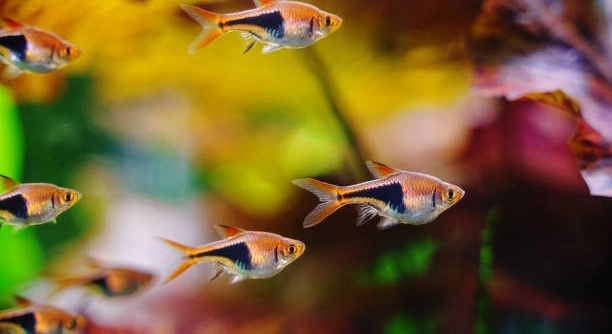
Rasboras are small, peaceful fish that many people keep in home aquariums. These fish often swim together in groups, which makes them interesting to watch. Many fish enthusiasts wonder about their sleeping habits and social behavior.
Rasboras do not sleep together in the same way mammals do, but they often rest close to each other in groups. Their natural behavior is to stay near their school for safety, even during rest periods, without physical contact.
Learning more about how rasboras rest and interact can improve how you care for them. Understanding their behavior helps create a better environment in your aquarium.
How Rasboras Rest in Groups
Rasboras are schooling fish, which means they feel safer and more comfortable when they stay together in groups. Even when they rest or sleep, they tend to stay close to each other. They don’t actually sleep like humans do, but they enter a state of reduced activity. During this time, their movements slow down, and they often hover near plants or decorations in the tank. Being close to others helps protect them from predators in the wild. In an aquarium, this behavior can make them appear as if they are “sleeping together,” though they don’t physically touch. It’s important to keep them in groups of at least six to help them feel secure and reduce stress. This natural tendency to stay close also encourages peaceful interaction, making them pleasant tank mates for other non-aggressive species.
Their resting behavior is subtle and mostly involves low movement near the tank’s lower or middle levels.
When you watch rasboras at rest, you’ll notice they remain alert to their environment. This balance of rest and awareness keeps them safe. They rarely lie completely still or lose awareness, so it’s normal to see slight movements like fin flicks or gentle drifting during these periods.
Creating a Comfortable Sleep Environment for Rasboras
Rasboras need a calm environment to rest well. Bright lights or sudden movements can stress them and disrupt their rest. Providing hiding spots with plants, rocks, or decorations helps them feel secure. A gentle water flow is better than strong currents, as too much movement can keep them active. Maintaining a stable temperature and clean water also supports their overall health, which influences how well they rest. A quiet tank with a consistent day-night cycle encourages natural rest periods. When these conditions are met, you’ll see your rasboras settle down and reduce activity during the night. Avoid disturbing the tank during these times to help them stay comfortable.
Rest is about balance—rasboras need both safety and calm to relax properly.
If the tank environment is noisy or too bright, rasboras may become stressed and less likely to rest properly. You might notice them swimming more actively or hiding excessively. On the other hand, a well-maintained tank with peaceful surroundings supports their natural rhythms. The right setup mimics their natural habitat and promotes healthy behavior. When they feel safe, their resting patterns become more regular, and their overall well-being improves. By paying attention to lighting, decorations, and water conditions, you create a space where rasboras can rest comfortably and maintain their health. This care leads to a more enjoyable experience watching their gentle, peaceful presence in your aquarium.
Do Rasboras Prefer to Sleep Alone or Together?
Rasboras prefer to rest close to their group rather than alone. Being near others provides safety and comfort. This natural schooling instinct helps reduce stress during low activity periods, even though they don’t sleep in a physical cluster.
Rasboras rely on group behavior to feel secure. When resting, they position themselves near other fish without touching. This proximity helps them stay alert for any signs of danger. Alone, they might feel vulnerable and restless. The group provides a sense of protection, which is important for their wellbeing. In a home aquarium, keeping them in small schools supports their natural behavior and promotes a calmer environment.
Even though they stay near each other while resting, rasboras do not share physical space like huddling or piling up. Their resting positions allow for personal space within the group. This arrangement balances safety and comfort, reflecting how they behave in their natural habitat.
Signs Your Rasboras Are Resting Well
Healthy rasboras show calm and steady swimming during rest periods. Their colors remain vibrant, and fins move gently. They do not dart around or hide excessively.
If rasboras are resting well, they maintain consistent group cohesion without signs of stress. Resting fish will slow down but stay alert to the environment. Rapid or jerky movements, faded colors, or constant hiding can indicate discomfort or poor tank conditions. Proper rest contributes to better health and activity during awake periods.
Ensuring good water quality, stable temperature, and a peaceful environment helps rasboras rest properly. When they rest well, their immune systems stay strong, and their behavior remains balanced. Observing their resting patterns is a good way to assess overall tank health and care quality.
How to Encourage Resting Behavior in Rasboras
Creating a quiet and dim environment during night hours helps rasboras settle down. Avoid sudden noises or vibrations near the tank. Consistent lighting schedules also support their natural rest cycles.
Providing plenty of plants and hiding spots allows rasboras to feel secure. When they have places to retreat, they are more likely to rest calmly and stay close to their group.
Nighttime Activity Patterns
Rasboras reduce activity at night but remain somewhat alert. They tend to hover near plants or decorations rather than swim actively. This low movement is their form of rest, balancing safety and energy conservation.
Signs of Rest Disturbance
Frequent darting, hiding, or rapid fin movements at night can indicate rest disturbance. These behaviors suggest stress or poor tank conditions affecting their ability to rest.
Impact of Tank Size on Resting
A properly sized tank gives rasboras enough space to school and rest comfortably. Overcrowded tanks cause stress, reducing their ability to relax and maintain healthy resting patterns.
Do Rasboras actually sleep?
Rasboras don’t sleep like humans but enter a restful state where their activity slows down. They reduce movement and stay in one area but remain alert to their surroundings. This kind of rest helps them conserve energy and stay safe from potential threats.
How can you tell when a Rasbora is resting?
When resting, rasboras swim slowly or hover near plants and decorations without much movement. Their fins move gently, and they don’t dart around. They stay close to their group but don’t cling to each other. Their colors stay bright, showing they are healthy.
Do Rasboras need complete darkness to rest?
Complete darkness is not always necessary, but dim lighting helps rasboras settle into a restful state. In the wild, they experience low light during the night. In an aquarium, using a timer for lights helps mimic this cycle and supports their natural rhythms.
Can Rasboras sleep while swimming?
Yes, rasboras often rest while hovering or swimming slowly. They don’t have eyelids to close, so their rest is more about reduced movement than deep sleep. They stay alert even while resting to avoid danger.
Is it okay for Rasboras to rest alone?
Rasboras feel safer resting near others. Resting alone can cause stress and make them more vulnerable. It’s best to keep them in groups of at least six to encourage natural schooling and resting behavior.
What happens if Rasboras don’t get enough rest?
Lack of rest can stress rasboras, weakening their immune system and making them prone to illness. They may become more aggressive or hide excessively. Maintaining a peaceful tank environment helps prevent rest disruption.
How does tank environment affect Rasbora resting?
A calm tank with stable temperature, clean water, and hiding spots supports proper resting. Loud noises, bright lights, or overcrowding disturb their rest. Providing plants and decorations helps rasboras feel secure and relaxed.
Do Rasboras sleep at the bottom of the tank?
Usually, rasboras rest in the middle or lower parts of the tank near plants or decorations, but they rarely settle completely on the bottom. They prefer areas where they feel safe but can still watch their surroundings.
Can other fish disturb Rasbora resting?
Yes, aggressive or overly active fish can stress rasboras and disrupt their rest. Keeping peaceful tank mates ensures a calm environment where rasboras can rest comfortably without constant disturbances.
How long do Rasboras rest each day?
Rasboras typically rest during the night, reducing activity for several hours. Their rest periods depend on lighting cycles and tank conditions. Mimicking natural day-night patterns helps regulate their resting time.
Are there signs of poor rest health in Rasboras?
Signs include faded colors, erratic swimming, constant hiding, or loss of appetite. These behaviors often indicate stress or illness related to poor resting conditions or tank environment.
What is the best group size for Rasboras?
A group of six or more is ideal. This size encourages natural schooling, reduces stress, and helps rasboras feel secure enough to rest properly.
Can you help Rasboras rest better?
Yes, by keeping the tank quiet, dimming lights at night, maintaining good water quality, and providing hiding places. Regular feeding and avoiding sudden changes also support their well-being and restful behavior.
Do Rasboras ever rest during the day?
While most rest occurs at night, rasboras may have short periods of low activity during the day, especially if the tank environment is calm and dim.
Are there differences in resting behavior between Rasbora species?
Some differences exist, but most Rasbora species share similar schooling and resting habits. Variations depend on their natural habitat and activity levels, but all benefit from group living and calm conditions.
Rasboras are peaceful fish that have simple but important resting habits. They do not sleep like humans but enter a state of low activity where they slow down and stay alert. This kind of rest is essential for their health and helps them conserve energy. Rasboras feel safest when they are close to others in their group. Being near their school during rest times helps reduce stress and makes them feel secure. They usually rest near plants or decorations in the tank, which gives them places to hide and relax. Understanding these natural behaviors helps aquarium owners create better environments for their fish.
Creating a calm and stable environment is key to supporting rasboras’ resting habits. This includes keeping the tank quiet and dimming the lights during night hours. Sudden noises or bright lights can disturb their rest and cause stress. Providing enough hiding spots with plants or decorations helps them feel safe, encouraging peaceful resting behavior. Water quality and temperature should also be maintained regularly, as changes in these factors can affect their comfort. When these conditions are met, rasboras will rest more naturally and stay healthier. Watching their gentle movements during rest periods can be rewarding and shows they are comfortable in their home.
It is important to keep rasboras in groups of at least six to support their natural schooling instincts. Alone, they may feel vulnerable and stressed, which can affect their rest and overall well-being. When kept together, they share a sense of security and reduce anxiety. This leads to calmer behavior and better resting patterns. By paying attention to their resting habits and tank conditions, you can improve their quality of life. Proper care not only helps rasboras rest but also keeps them active and healthy during the day. Taking time to learn about their needs ensures a peaceful and thriving aquarium.

Hello,
If you enjoy the content that we create, please consider saying a "Thank You!" by leaving a tip.
Every little bit helps us continue crafting quality advice that supports the health, happiness, and well-being of pets around the world, for pets of all shapes, sizes, and species.
We really appreciate the kindness and support that you show us!