
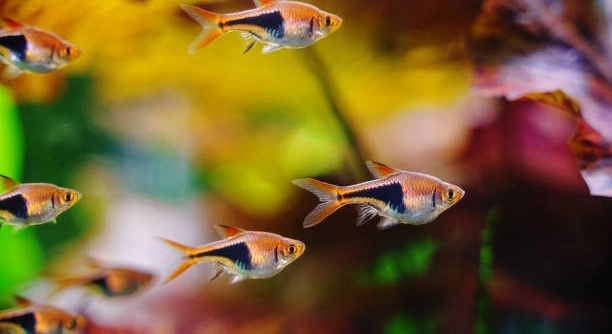
Rasboras are popular small fish often kept in home aquariums. Many aquarists enjoy their peaceful nature and vibrant colors. However, questions arise about how they interact with each other in confined spaces.
Rasboras generally do not compete aggressively for space as they are schooling fish with a tendency to share territory. However, in overcrowded or poorly arranged tanks, competition for hiding spots or swimming areas can occur, leading to stress or minor territorial disputes.
Understanding how space affects rasboras helps maintain a healthy aquarium environment. This article will explain what to watch for and how to create the best setup for them.
Understanding Rasbora Behavior in Shared Spaces
Rasboras are naturally social fish that thrive in groups. They prefer swimming together rather than competing for space. In a well-planned aquarium, these fish usually spread out evenly, avoiding unnecessary conflicts. However, if the tank is too small or overcrowded, rasboras might become restless. They may swim faster or dart around more aggressively, which is a sign of stress. Providing ample hiding spots and plants helps them feel secure. This also reduces any chance of territorial disputes. Observing their behavior regularly can help identify if the environment meets their needs. When their space requirements are respected, rasboras maintain calm interactions and coexist peacefully.
Their natural schooling instinct lowers the chances of serious fights, as they rely on numbers for safety rather than defending territory.
Creating enough open swimming space combined with hiding areas is key. This encourages natural behavior and keeps them comfortable in shared environments.
Signs of Space Competition Among Rasboras
Rasboras rarely show intense aggression, but subtle signs indicate competition for space.
These include chasing, fin nipping, or one fish repeatedly pushing others away from favored spots. Minor disputes often happen near limited shelter or feeding zones.
When space is tight, dominant individuals may guard prime areas, causing others to hide or stay on the edges. This behavior can stress the less dominant fish and affect their health over time. Regular tank maintenance, such as cleaning and rearranging decorations, can reduce tension. Also, ensuring the tank size matches the number of rasboras minimizes overcrowding issues. Monitoring their interactions helps detect early signs of stress related to space. Adjusting the tank environment based on these observations supports peaceful coexistence and overall wellbeing.
Tank Setup to Prevent Space Conflicts
Providing enough space in the tank is crucial for rasboras to feel comfortable. A larger tank reduces stress and minimizes competition.
The ideal tank size depends on the number of rasboras you keep. For a small group of six, a 20-gallon tank or larger works well. Including plenty of plants and decorations offers hiding spots and breaks sightlines, which lowers territorial behavior. Open swimming areas also help them stay active without feeling crowded. Proper filtration and water quality keep the environment healthy, reducing stress that might lead to conflicts.
Spacing out food distribution during feeding time is also important. If food is placed in just one spot, it can trigger competition. By spreading food evenly, all fish get access, and aggressive behavior is less likely to develop.
Group Size and Social Dynamics
Rasboras naturally prefer to live in groups of six or more to feel secure. Smaller groups can cause stress and may increase competition.
A larger group size encourages schooling behavior, which reduces territorial instincts. When kept in sufficient numbers, rasboras focus on swimming together rather than defending space. This helps create a peaceful tank environment. Overcrowding, however, can reverse these benefits by increasing stress and aggression. Finding the right balance between group size and tank capacity is essential to maintain harmony. Monitoring how your rasboras interact and adjusting the number of fish or tank setup can prevent space-related issues before they start.
Feeding Habits and Space Sharing
Rasboras usually eat small amounts throughout the day, reducing competition during feeding. Even distribution of food helps keep peace.
If food is crowded in one spot, stronger fish may block others, causing stress. Feeding in multiple areas encourages sharing and less conflict.
Signs of Stress from Space Issues
Stress from lack of space can make rasboras hide more or swim erratically. They may lose color or become less active.
Early detection of these signs allows quick adjustments to the tank setup, improving their wellbeing before problems worsen.
Importance of Tank Decoration
Plants, rocks, and hiding places break up open space, preventing dominance over areas. Decorations create safe zones and reduce tension.
Proper tank decoration mimics their natural habitat and helps balance activity and rest, supporting healthier social behavior.
Monitoring and Adjustments
Regular observation of your rasboras is necessary to catch early signs of space competition. Adjusting tank layout or fish numbers can solve issues quickly.
FAQ
Do rasboras fight over space in the aquarium?
Rasboras are peaceful fish that rarely fight over space if the tank is properly sized and arranged. They prefer to swim in groups and usually avoid confrontation. However, in overcrowded tanks or with too few hiding spots, minor disputes may occur. These are usually brief and don’t cause serious harm.
How many rasboras should I keep together?
A group of at least six rasboras is recommended. This number encourages natural schooling behavior, which helps reduce territorial tendencies. Smaller groups can make individual fish feel insecure and increase stress. Keeping too many in a small tank, though, may cause crowding and competition for space.
What tank size is best to avoid space competition?
For a small group of six rasboras, a 20-gallon tank or larger is ideal. This size provides enough swimming room and space for plants and decorations. These elements help break up the space, reduce aggression, and provide hiding spots. Larger tanks are better if you want to keep more fish or different species.
Can tank decorations reduce space disputes?
Yes, decorations like plants, rocks, and caves help break up open space and reduce visibility between fish. This lowers the chance of territorial behavior by creating natural boundaries. Decorations also offer safe spots where shy or less dominant rasboras can retreat when feeling threatened.
How should I feed rasboras to prevent competition?
Distribute food in several spots rather than one place. This prevents dominant fish from blocking access to food and reduces chasing. Feeding small amounts multiple times a day also mimics their natural grazing habits and keeps stress levels low.
What are the signs that rasboras are stressed due to space issues?
Look for excessive hiding, rapid or erratic swimming, loss of color, and reduced activity. These signs show discomfort or stress, often caused by crowding or poor tank conditions. Early observation and prompt changes in tank size or setup can help them recover quickly.
Is it necessary to separate rasboras if conflicts arise?
Separation is rarely needed unless injuries occur. Most conflicts are mild and temporary. Instead, try adding more plants, increasing tank size, or rearranging decorations to reduce tension. Adjusting group size or improving water quality can also resolve issues without separating fish.
Do rasboras claim territories like other fish?
Rasboras don’t usually claim strict territories because they are schooling fish. They share swimming space peacefully when kept in appropriate groups. Territorial behavior might appear if the tank is overcrowded or lacks hiding spots, but it is generally minimal.
How often should I observe my rasboras for space issues?
Daily or every few days is good. Regular checks help you notice changes in behavior early. Watching them during feeding or when the tank lights are on reveals if any fish are excluded or stressed. Quick intervention prevents long-term problems.
Can other fish cause rasboras to compete for space?
Yes, aggressive or territorial tank mates can stress rasboras and force them into smaller areas. Choosing compatible species and providing plenty of space helps reduce conflicts. Rasboras do best with peaceful community fish that won’t bully or chase them.
What role does water quality play in space competition?
Poor water quality increases stress, which can make fish more aggressive or restless. Keeping water clean, filtered, and stable reduces overall tension. Healthy water supports calm behavior and lowers the chance of space-related disputes.
Are male rasboras more territorial than females?
Male rasboras can show slight dominance during breeding periods but are not strongly territorial. Any aggressive displays are usually brief and related to courtship. Outside breeding, males and females generally share space without conflict.
Should I rearrange the tank layout regularly?
Occasional rearranging helps break up established territories and refreshes the environment. It encourages exploration and reduces boredom. Moving plants or decorations every few weeks can keep the tank dynamic and limit competition for specific spots.
What is the best way to introduce new rasboras to an established group?
Introduce new fish slowly and preferably in groups rather than one at a time. Rearranging decorations before adding new fish helps prevent territory defense. Monitor the group closely after introduction to catch any signs of stress or aggression early.
How does tank size affect the overall behavior of rasboras?
Adequate tank size allows rasboras to swim freely and form natural schools. This reduces stress and encourages healthy social behavior. Smaller tanks can cause crowding, leading to restlessness, chasing, and minor fights. Providing enough room is essential for their wellbeing.
Rasboras are peaceful fish that usually do well when kept in groups with enough space. Their natural behavior encourages swimming together rather than fighting over territory. Ensuring the tank is large enough and has enough hiding spots can prevent most problems related to space. When rasboras have room to swim freely and places to retreat, they tend to stay calm and healthy. Proper tank setup is a key factor in maintaining a stress-free environment for these fish.
Space competition among rasboras is not common, but it can happen under certain conditions. Overcrowding or a lack of plants and decorations may lead to minor disputes over favorite spots. These disputes are often brief and do not cause serious harm but can stress the fish if left unchecked. Regular observation of the tank helps catch signs of stress early. Adjusting the number of fish, rearranging tank decorations, or increasing tank size can solve space-related issues quickly and keep the group peaceful.
Maintaining good water quality and feeding routines also plays a role in minimizing competition. Evenly distributing food and keeping the tank clean reduce stress and aggressive behavior. The goal is to create a balanced environment where rasboras feel secure and comfortable. By paying attention to their behavior and providing proper care, it is possible to keep rasboras thriving without the worry of space conflicts. This approach leads to a healthier aquarium and a more enjoyable experience for anyone caring for these beautiful fish.

Hello,
If you enjoy the content that we create, please consider saying a "Thank You!" by leaving a tip.
Every little bit helps us continue crafting quality advice that supports the health, happiness, and well-being of pets around the world, for pets of all shapes, sizes, and species.
We really appreciate the kindness and support that you show us!