
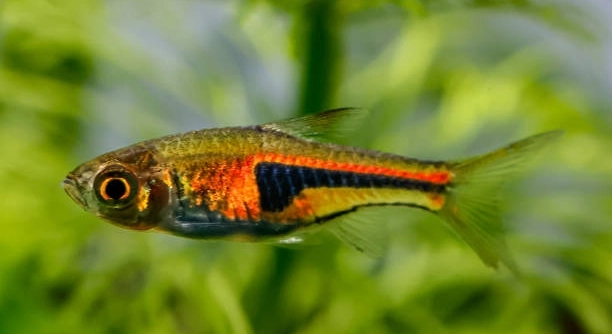
Do your Rasbora swim with unusual energy before a storm, or do they seem calmer than usual? Many fish owners notice small changes in their tank behavior that could hint at shifts in weather patterns.
Rasbora exhibit subtle behavioral changes before storms, often swimming closer to the water surface and forming tighter schools. These responses are influenced by changes in barometric pressure, water temperature, and environmental cues signaling an approaching storm.
Observing these small shifts can provide insight into your fish’s natural instincts and help you anticipate changes in their behavior.
How Rasbora Sense Weather Changes
Rasbora are highly sensitive to environmental shifts, especially changes in barometric pressure. As a storm approaches, air pressure drops, and they respond almost immediately. You might notice them swimming closer to the surface or gathering in tighter schools. These behaviors are natural survival instincts, helping them remain alert to potential dangers. The subtle changes are not always obvious, but spending time observing your tank will reveal patterns. Temperature fluctuations in the water can also influence activity, making them more active or hesitant depending on the conditions. Even slight increases in cloudiness or dimming light may alter their movements. By paying attention to these signals, you can better understand how your fish react to impending weather. This sensitivity is an inherited trait from their natural habitats, where swift reactions to environmental changes increased their chances of survival. Watching them adapt can be fascinating and informative, giving insight into their daily behavior and overall well-being in captivity.
These behaviors serve as a natural barometer, allowing Rasbora to anticipate environmental changes before humans notice them.
Observing these changes in your tank can also help you adjust care routines. For example, ensuring proper oxygenation and stable water quality becomes more important during storms. Feeding patterns may shift as fish become less active or more cautious. Adjusting lighting and monitoring temperature can reduce stress. These small actions support their health while respecting their natural instincts. By understanding the signals Rasbora give, you can maintain a healthier tank environment and enjoy watching them thrive.
Practical Tips for Observing Behavior
Tracking Rasbora behavior requires regular observation and patience.
Keep a log of movements, grouping patterns, and feeding responses. Note environmental changes such as temperature, light, and pressure variations. Over time, patterns emerge that correlate with approaching weather. Use gentle lighting to avoid startling them while observing. Avoid sudden water changes during sensitive periods. Minimal handling and stable conditions reduce stress, allowing natural behavior to appear. Observing consistently will help you predict when storms may influence your tank. Understanding their cues allows you to anticipate activity changes.
Recording these behaviors over weeks or months builds a clearer picture of how Rasbora respond to environmental changes. Subtle shifts in swimming patterns, schooling behavior, and surface activity often correlate with drops in barometric pressure. For instance, tighter schooling and increased surface swimming usually appear hours before a storm. Temperature and light fluctuations can amplify these reactions. Creating a stable, monitored environment allows the fish to exhibit natural responses safely. By taking notes, you can identify recurring patterns and refine your observations, making it easier to predict behavior changes. This method also helps in adjusting feeding schedules and oxygen levels to match their activity, supporting their overall health. Gradually, these records become a personal reference for understanding your Rasbora’s instincts and needs. Observing them closely teaches the importance of subtle environmental cues and reinforces how attentive care leads to a balanced, stress-free habitat for these delicate fish.
Changes in Swimming Patterns
Rasbora often swim closer to the water surface when a storm approaches. They may also form tighter schools, moving in unison more frequently than usual. These adjustments help them stay alert and maintain safety. Observing these shifts can indicate approaching environmental changes.
These swimming adjustments occur as a direct response to environmental cues like drops in barometric pressure and slight changes in water temperature. Increased surface activity helps Rasbora detect oxygen levels and sense disturbances in the water. Tighter schooling reduces vulnerability and enhances coordinated movement, which is a natural instinct for protection. Watching these patterns regularly provides insight into their behavior and how environmental shifts influence them.
Feeding and energy levels also shift with swimming behavior changes. Rasbora may become less active at feeding times or show hesitation in approaching food. Some display bursts of energy, darting quickly before settling into calmer patterns. These subtle movements reflect stress levels and awareness of environmental changes. By observing how their swimming changes, you can understand when adjustments to tank conditions might be needed, such as improving oxygenation or stabilizing temperature, to keep them healthy and comfortable during periods of environmental fluctuation.
Environmental Triggers
Barometric pressure changes are the primary trigger for Rasbora behavior before storms.
Shifts in pressure affect their balance and movement. Other environmental factors like temperature drops, cloud cover, and reduced light intensity also contribute to changes. These conditions signal impending weather, prompting instinctive responses.
Rasbora rely on a combination of cues to anticipate storms. Even minor temperature variations can alter their swimming and schooling patterns. Dimmed light from overcast skies may increase surface activity, while sudden water vibrations can trigger heightened alertness. These environmental signals work together, prompting the fish to adjust their behavior proactively. Monitoring tank conditions and noting these triggers helps in predicting how Rasbora will react to weather changes. Over time, these observations provide a deeper understanding of their natural instincts and how sensitive they are to subtle environmental variations, ensuring a healthier, more responsive aquarium habitat.
Signs of Stress
Rasbora may show subtle stress signals before storms. These include faster gill movement, brief darting, and staying close to tank corners. Recognizing stress helps manage tank conditions to support their health and comfort during environmental changes.
Stress can also appear as reduced feeding or irregular swimming patterns. Some Rasbora may hide more frequently, while others show increased alertness. Observing these signs early allows adjustments in water quality, oxygenation, and lighting to minimize strain.
Monitoring Activity
Keeping a daily log of Rasbora activity can reveal patterns linked to environmental changes. Recording swimming, schooling, and surface behavior helps predict responses to storms and other factors. Regular observation improves care and ensures a healthier tank environment.
Adjusting Tank Conditions
During environmental changes, small adjustments in temperature, aeration, and lighting can reduce stress. Maintaining stable conditions allows Rasbora to react naturally without compromising health or behavior.
FAQ
Do Rasbora always react before a storm?
Rasbora do not react to every storm, but they are sensitive to noticeable environmental changes. Drops in barometric pressure, slight temperature shifts, and dimming light often trigger behavior changes. Some fish may show stronger responses, while others remain calm. Regular observation helps identify patterns specific to your tank.
What are the most common behavior changes before a storm?
Common changes include swimming closer to the surface, tighter schooling, faster gill movement, and occasional darting. Some Rasbora reduce feeding, while others become more alert or active. These responses are instinctive, helping them stay aware of potential environmental risks.
How can I tell if my Rasbora is stressed?
Signs of stress include erratic swimming, hiding, decreased appetite, or unusual inactivity. Fast gill movements and staying in tank corners are also indicators. Monitoring these behaviors allows early adjustments in water conditions, lighting, and aeration to keep them comfortable.
Should I adjust feeding during storms?
It is often helpful to feed smaller portions during periods of increased environmental stress. Some Rasbora may not eat at all, while others feed normally. Providing small, manageable portions ensures they get nutrition without causing additional stress or water quality issues.
Does water temperature affect their behavior before storms?
Yes. Slight drops or fluctuations in water temperature can intensify behavior changes. Rasbora may swim closer to warmer areas or become less active. Maintaining stable tank temperature helps reduce stress while allowing them to exhibit natural pre-storm responses safely.
Can lighting changes influence behavior?
Lighting affects Rasbora significantly. Overcast conditions or dim light can trigger surface swimming and increased schooling. Bright or sudden light changes may stress them further. Consistent, moderate lighting in the tank helps them adjust more comfortably to subtle environmental signals.
How long before a storm do these behaviors appear?
Behavior changes can appear hours before a storm or just minutes prior, depending on how quickly barometric pressure and temperature shift. Observing patterns over time in your tank helps predict these responses more accurately. Each fish may react slightly differently, so careful monitoring is key.
Do Rasbora show long-term stress from repeated storms?
Repeated exposure to stressful environmental changes can affect health if tank conditions are unstable. Ensuring stable temperature, oxygenation, and minimal sudden changes helps Rasbora cope naturally without long-term effects. Occasional pre-storm behavior is normal if managed carefully.
Can other fish species exhibit similar pre-storm behavior?
Yes, many freshwater fish are sensitive to barometric pressure and environmental changes. Like Rasbora, they may swim closer to the surface, form tighter schools, or reduce feeding. Observing multiple species together can provide broader insight into aquarium responses to approaching storms.
Is it necessary to track their behavior daily?
Daily observation is beneficial but not required. Even periodic monitoring helps identify patterns in swimming, feeding, and schooling that correlate with environmental changes. Consistent notes improve understanding of individual fish responses and guide adjustments to maintain optimal tank health.
How do I make my tank safer during storms?
Ensure proper oxygenation, maintain stable temperature, avoid sudden water changes, and provide hiding spots. Gentle lighting and minimal disturbances reduce stress while allowing Rasbora to exhibit natural pre-storm behavior safely. Observing their reactions can guide ongoing adjustments.
Are behavior changes always linked to storms?
Not always. Similar behaviors may result from water quality issues, illness, or tank disturbances. Tracking environmental conditions alongside observed behaviors helps distinguish pre-storm responses from other causes, ensuring accurate interpretation and proper care.
Can Rasbora behavior predict storms accurately?
While not perfect, consistent pre-storm behavior can provide clues. Surface swimming, schooling, and alertness often occur before weather changes. Observation over time improves the accuracy of predictions, but these behaviors should be considered alongside other environmental indicators.
How can I record and analyze their behavior effectively?
Use a simple log noting time of day, swimming patterns, schooling, feeding, and tank conditions. Comparing these notes over weeks or months reveals correlations with weather changes, improving understanding of Rasbora instincts and responses in your aquarium.
Should tank size influence observation of pre-storm behavior?
Tank size matters because smaller tanks may amplify stress signals or reduce space for natural behavior. Larger tanks allow more freedom and visible schooling patterns. Adjusting observation techniques to tank size helps interpret behavior more accurately and manage stress effectively.
Can Rasbora get used to storms over time?
They may acclimate partially to frequent environmental fluctuations, showing milder behavioral responses. However, underlying sensitivity remains. Providing a stable, comfortable tank reduces stress while allowing natural instincts to appear without long-term negative effects.
Are there signs that indicate serious health issues rather than pre-storm behavior?
Yes. Lethargy, constant hiding, abnormal coloration, or labored breathing suggest illness rather than pre-storm response. Immediate attention to water quality, diet, and potential medical care is necessary if these signs appear alongside or independently of environmental changes.
How do I balance observing natural behavior with minimizing stress?
Observation should be calm and consistent, avoiding sudden movements, loud noises, or abrupt water changes. Minimal interference allows Rasbora to behave naturally, giving accurate insights while keeping them comfortable during sensitive periods.
Can multiple Rasbora influence each other’s behavior before storms?
Yes. Rasbora often respond collectively. Increased schooling, surface swimming, or darting is usually amplified in groups, reflecting social instincts. Monitoring group dynamics provides clearer patterns than observing a single fish, helping understand pre-storm responses more reliably.
Do environmental sensors in the tank help with observation?
Sensors tracking temperature, light, and oxygen levels enhance understanding of triggers behind behavior changes. Combining direct observation with sensor data allows more precise interpretation of Rasbora responses, improving tank management and overall fish welfare.
Is pre-storm behavior consistent across all Rasbora species?
Behavioral responses vary by species, though the general pattern of increased alertness, tighter schooling, and surface activity is common. Observing your specific species helps tailor care and anticipate behavior more accurately.
How can I distinguish between curiosity and stress behavior?
Curiosity is usually brief, exploratory, and relaxed, while stress behavior is persistent, rapid, or defensive. Paying attention to duration, intensity, and context of actions clarifies whether the fish is reacting to environmental cues or experiencing discomfort.
Are there long-term benefits to tracking behavior over months?
Yes. Long-term tracking helps predict environmental reactions, refine care routines, and support overall health. Understanding patterns allows proactive adjustments, minimizes stress, and strengthens knowledge of natural instincts, improving both observation and daily management of Rasbora.
Final Thoughts
Rasbora are fascinating fish with subtle yet telling behaviors that often go unnoticed. Their responses to environmental changes, especially before storms, reflect natural instincts developed over generations. Watching them adapt to shifts in barometric pressure, temperature, and light can be both informative and satisfying for anyone maintaining an aquarium. Small behaviors, like tighter schooling, swimming near the surface, or brief bursts of energy, are not random but purposeful actions. These actions indicate their sensitivity to the world around them, even in a controlled tank environment. Observing them carefully allows you to appreciate these small details, showing how much fish rely on environmental cues to remain safe and alert.
Maintaining a stable tank environment is crucial for Rasbora, particularly when preparing for potential weather changes. Their reactions are often heightened by stress caused by sudden fluctuations in water conditions or poor oxygen levels. By keeping water temperature consistent, ensuring proper aeration, and avoiding abrupt changes, you allow your fish to respond naturally without unnecessary strain. Monitoring their behavior over time helps identify patterns linked to storms or other environmental triggers. It also helps differentiate between instinctive reactions and signs of illness or distress. These practices improve both the health of the fish and the overall balance of the tank, creating a space where Rasbora can exhibit natural behaviors comfortably. Consistency and careful attention go a long way in supporting their well-being.
Tracking and understanding Rasbora behavior can also enhance your engagement with the tank. By recording patterns of movement, feeding, and schooling, you gain insight into how they react to changes in their environment. Observations collected over weeks or months create a clear picture of their instincts and provide practical guidance for care. While these fish may not always predict storms perfectly, their subtle cues give hints that can be valuable for adjusting tank conditions proactively. Learning to interpret these signals reinforces the importance of careful observation and patience. It also strengthens the bond between caretaker and fish, built on attention and understanding rather than constant interference. Paying attention to Rasbora in this way encourages a more harmonious tank environment, where their natural behavior is respected, and their health is prioritized. Over time, these small insights accumulate into meaningful knowledge, improving the overall experience of keeping Rasbora and fostering a deeper appreciation for their delicate, instinct-driven world.

Hello,
If you enjoy the content that we create, please consider saying a "Thank You!" by leaving a tip.
Every little bit helps us continue crafting quality advice that supports the health, happiness, and well-being of pets around the world, for pets of all shapes, sizes, and species.
We really appreciate the kindness and support that you show us!