
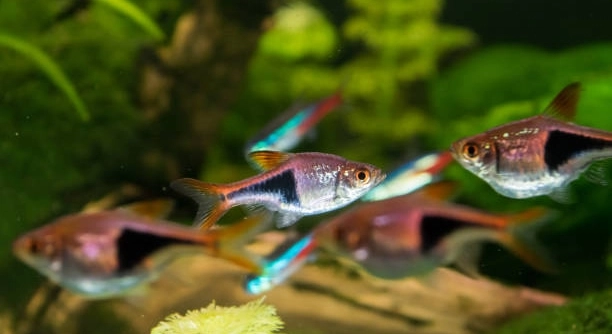
Have you ever watched your Rasboras swim around peacefully and wondered if they respond to the music playing nearby?
Current studies show that Rasboras do not have a direct emotional response to music, but they can be affected by sound vibrations. Low-frequency, soft background music may influence their behavior, such as swimming patterns and stress levels.
Understanding how sound impacts Rasboras can help create a calmer environment and support their overall well-being in your home aquarium.
How Sound Travels Through Water
Sound behaves differently in water than it does in air. In an aquarium, sound waves travel quickly and with more intensity. This is because water is denser than air, allowing vibrations to move faster and reach aquatic animals more directly. Rasboras are sensitive to these vibrations, and their lateral line system helps them detect changes in water movement. While they may not recognize music in the way humans do, they can still sense patterns and rhythm through these vibrations. Louder sounds or bass-heavy music can startle them, leading to signs of stress like hiding or erratic swimming. Softer, slower beats are generally less disturbing and may help them stay calm. It’s important to keep aquarium setups in quiet areas of your home and avoid placing speakers too close to the tank. Controlling background noise helps maintain stable conditions that support the fish’s behavior and health over time.
Not all Rasboras react the same way to music, but they all respond to sound vibrations in the water.
Rasboras use their lateral line system to detect water movement, which includes sound waves. This system runs along their sides and is sensitive to vibrations. It helps them navigate, find food, and avoid threats. When music plays near their tank, especially if the bass is high or the volume is loud, it can create vibrations that they perceive as disturbances. These sudden changes can trigger stress, especially in smaller or more nervous fish. However, softer music with consistent rhythms may feel like background noise to them. It’s not music that affects them directly, but how the sound waves influence the water. Maintaining a low-stress environment helps them stay active, eat well, and display natural behaviors. If your Rasboras become skittish or retreat after loud music is played, it’s best to lower the volume or turn it off completely. Always monitor their behavior to ensure they remain comfortable.
Creating a Calmer Environment
Reducing loud sounds and sudden vibrations can improve the comfort of your Rasboras in their tank.
To keep your Rasboras calm and healthy, it’s best to be mindful of their surroundings. Avoid placing the tank near televisions, sound systems, or areas with frequent loud noises. Bass-heavy music or sudden sounds can disturb the water and cause discomfort for the fish. Choose softer background noise if you like having music on. Sounds with gentle rhythms and minimal vibrations will be less likely to upset them. If you use an air pump or filter, check that it’s running quietly and not adding unnecessary vibrations. Keep tank maintenance consistent and make changes gradually to avoid startling your fish. Pay attention to their body language—if they hide, dart quickly, or lose interest in food, something might be stressing them. Sound is just one factor, but it can make a big difference when creating a peaceful tank environment where Rasboras can thrive and stay active.
Observing Rasbora Behavior Around Sound
Rasboras may change their swimming patterns when exposed to sound. You might notice them becoming more active or hiding more often, depending on the type and volume of the sound they hear through the tank.
When loud or irregular sounds occur, Rasboras can act startled. They might dart around the tank, swim erratically, or retreat to corners or behind plants. This is a common sign that the sound is too strong or unpleasant for them. Gentle background music at a low volume might not disturb them and could even help mask sudden household noises. Some Rasboras appear more relaxed in tanks with consistent, low-level background sounds. Watching their behavior closely over time can help you spot patterns. If they seem tense or avoid certain parts of the tank, try adjusting the sound source, volume, or distance to create a quieter environment. Comfort leads to healthier behavior and fewer signs of stress.
In calmer conditions, Rasboras often swim in loosely coordinated groups, showing smooth and rhythmic movements. When exposed to stress, including sound-based vibrations, their group behavior may become less organized. They might break away from the school or freeze in place. These shifts may not seem major at first, but over time they can affect the health of your fish. High stress levels reduce immune response and appetite, making them more prone to illness. Paying attention to how they behave after a song or loud sound is played gives you clues about what they’re comfortable with. Adjusting your tank’s environment based on those reactions helps maintain balance. A steady, peaceful rhythm in their space promotes trust and consistent habits in the group. Watching how your Rasboras swim, rest, and school together can tell you a lot about how sound is affecting them without needing complex tools or testing equipment.
Choosing the Right Background Sounds
Gentle background noise like soft classical music or light ambient sounds can help mask disruptive household noise without stressing your Rasboras. Avoid music with heavy bass or unpredictable rhythms, as these can cause unnecessary vibrations in the tank.
Aquarium placement matters just as much as music choice. If your Rasboras are kept in a room with frequent traffic, placing the tank away from speakers, doors, or high-use electronics can help reduce constant vibrations. Choosing the right kind of background sound also plays a role. Classical music or soft instrumental tracks often produce smooth, steady vibrations that are less likely to disturb the water. Avoid genres like rock or electronic music with strong bass, as those vibrations carry through water easily. Keep volume low, and test how your Rasboras react to different sounds by observing their movement. Do they scatter or seem calm? Adjust your playlist based on their behavior. If you notice fewer signs of stress and more relaxed schooling, you’ve likely found a sound level they can tolerate comfortably.
Sounds to Avoid Around Rasboras
Avoid loud, sudden noises like dropped items, slammed doors, or music with heavy bass near the tank. These types of sounds create sharp vibrations in the water, which can scare your Rasboras and disrupt their behavior.
Consistent loud noise or constant low-frequency sound may also affect their appetite and schooling. Over time, this can raise stress levels and make them more vulnerable to illness. Keeping noise levels low helps them feel safe in their environment.
Signs Your Rasboras Are Stressed by Sound
If your Rasboras suddenly dart around, hide more often, or stop swimming in groups, it could mean they are feeling stressed. These behaviors often follow loud or repetitive noises nearby. They may also stop eating or show duller colors. Observing these signs early helps prevent long-term health problems. Adjusting the volume or type of sound near their tank is one simple way to support their comfort and well-being. Sound may not hurt them directly, but consistent exposure to strong vibrations will wear them down over time. Small changes to their environment can make a noticeable difference.
When to Adjust Your Setup
If your Rasboras continue to act stressed despite reducing background noise, try moving the tank to a quieter part of your home. A calm environment helps them stay healthy.
FAQ
Can Rasboras hear music the way humans do?
Rasboras don’t hear music like humans. They don’t have ears, but they sense vibrations through their lateral line system and internal structures. These vibrations help them detect movement in water. So, when you play music, they’re not enjoying melodies, but they are feeling the vibrations. Soft, steady sounds may feel neutral to them, but loud or erratic sounds can cause discomfort. While they won’t respond to the tune, the way the music moves the water matters. Their reaction depends more on vibration intensity than rhythm or melody.
What kind of music is least disturbing for Rasboras?
The most tolerable sounds for Rasboras are soft, low-volume tracks without strong bass or sudden changes. Light classical music, ambient nature sounds, or acoustic background music can help maintain a peaceful tank environment. These options typically create gentle and consistent vibrations that are less likely to startle or stress your fish. Avoid music with drums, deep bass lines, or fast, unpredictable rhythms. Rasboras do better with calm, slow-paced environments, so the softer and more stable the sound, the better.
Can music help calm anxious Rasboras?
Yes, in some cases. Gentle, consistent background sound may help reduce sudden stress caused by household noise like footsteps, doors closing, or TV sounds. Music can act as a buffer, creating a steady sound layer that hides these quick disruptions. However, it should always be played at a low volume. If your Rasboras seem jumpy or hide frequently, try using soft instrumental music and observe their behavior. If they become calmer and resume schooling or exploring, the sound may be helping. Always adjust based on their visible behavior.
Do all Rasboras react the same way to sound?
Not necessarily. Individual Rasboras might show slightly different reactions depending on their size, age, or personality. Some may be more skittish and react quickly to small disturbances, while others stay calm. The overall group behavior often gives the best clues. If the school breaks apart or swims erratically, the sound might be too intense. If they continue to move together and explore normally, they’re probably fine. Observing how the group responds is a helpful way to judge whether your tank’s sound levels are comfortable.
How close can speakers be to a fish tank?
Speakers should be kept at a reasonable distance from your fish tank. Vibrations travel easily through surfaces, so placing speakers directly beside or on top of the stand is not recommended. Ideally, keep them at least a few feet away and avoid letting sound bounce off the tank or cabinet. Low bass sounds especially travel well through hard surfaces and can shake the tank glass or water. Try placing soft materials between your speaker and the tank stand to absorb some of that vibration if you can’t move them further apart.
What signs show that Rasboras are overstimulated by sound?
Look for changes in movement or grouping behavior. Rasboras might dart quickly, scatter across the tank, hide more often, or freeze in place. They may also stop eating or lose their bright color. These are signs of stress and may mean the sound is too intense. If you notice these behaviors after playing music or making loud noises, consider turning down the volume or relocating the sound source. Long-term stress can affect their health, so it’s important to respond quickly to these signs.
Can I leave background music on all day?
It’s best to avoid leaving music on all day unless it’s very quiet and consistent. Continuous sound—even soft—may become stressful over time if there’s no break. Rasboras benefit from quiet periods, especially during nighttime or rest hours. If you like having music in the room, use a timer or play it only during certain times of day. This gives your fish time to relax and recover without constant vibration or noise. Observe how they act over time and adjust based on what keeps them calm and healthy.
Do Rasboras react differently to natural versus artificial sounds?
Yes, they might. Natural sounds like rainfall or soft running water tend to produce smoother, more predictable vibrations. These are closer to what Rasboras might experience in their natural habitat and often cause less stress. Artificial sounds—like electronic music or machine noise—can have sharper or more inconsistent patterns. These sudden changes are harder for the fish to process and may lead to startle responses. If you’re experimenting with background audio, try nature-based soundscapes first and see how your Rasboras respond before trying synthetic or layered tracks.
Can loud music damage their health long term?
Yes, ongoing exposure to loud music can have a negative effect on Rasboras. While it won’t damage them instantly, the stress from constant or repeated vibration can weaken their immune system, reduce appetite, and interfere with normal behavior like schooling. Over time, this lowers their resilience and can lead to more illness or poor quality of life. It’s best to maintain a low-noise, low-vibration environment. This supports their natural instincts and helps them stay active and healthy without added stress from unnecessary sound.
Should I stop playing music completely?
Not necessarily. You don’t have to eliminate music, just be thoughtful about what you play and how loud it is. Many Rasbora owners successfully keep music on in the background with no issues, especially when using softer genres. The key is to observe how your fish react. If they seem calm and continue normal activities like swimming together and feeding, the sound is likely acceptable. If their behavior changes or they start hiding, lower the volume or switch to quieter sounds. It’s all about balance and awareness.
Final Thoughts
Rasboras are peaceful fish that thrive in stable, calm environments. While they don’t hear music in the way humans do, they are sensitive to sound vibrations that travel through water. Loud noises or heavy bass can disturb them and lead to stress-related behavior, such as darting, hiding, or swimming away from the group. On the other hand, soft background noise may help reduce outside disturbances and create a steady environment. This doesn’t mean music is necessary, but it shows that sound levels around the tank can influence how your Rasboras behave and feel over time.
Choosing the right sound environment for your tank is a simple way to support your fish’s comfort. Keeping speakers at a distance, lowering volume levels, and avoiding sharp or irregular sounds can help maintain a calm setting. Watching your Rasboras’ response to sound is just as important as choosing the music itself. If they remain active, school together, and eat regularly, your setup is likely working well. If they show signs of stress, adjusting the volume or turning off the music may help. Their body language often gives early clues about how they’re reacting, so small changes in routine can go a long way in improving their experience.
Understanding how sound affects your Rasboras allows you to make more thoughtful choices about their environment. Whether you enjoy playing music at home or just want to reduce household noise, being mindful of volume and vibration will help keep your tank peaceful. Rasboras may not connect to melodies, but they are still affected by the energy and movement that sound brings into the water. Creating a balanced atmosphere where vibrations are gentle and steady helps protect their health, mood, and behavior. Every aquarium is different, and what works for one setup may not work for another. Pay attention to how your fish respond and let their behavior guide you. With a bit of care, it’s possible to enjoy music in your space while keeping your Rasboras calm and content.

Hello,
If you enjoy the content that we create, please consider saying a "Thank You!" by leaving a tip.
Every little bit helps us continue crafting quality advice that supports the health, happiness, and well-being of pets around the world, for pets of all shapes, sizes, and species.
We really appreciate the kindness and support that you show us!