
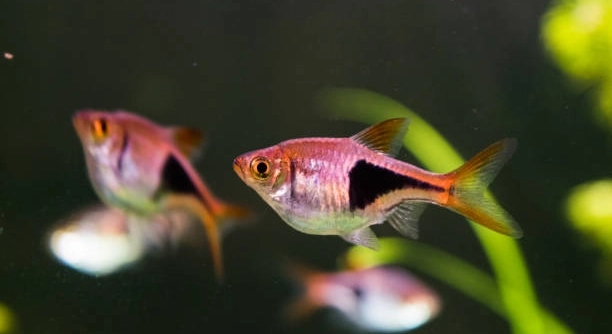
Do you keep Rasbora fish in your aquarium and wonder how they respond to your presence? These small, colorful fish are popular in home tanks and often display interesting behaviors. Understanding their reaction to humans can improve your care routine.
Rasbora fish do adjust to human presence over time, showing reduced stress and more relaxed behavior when they become familiar with consistent, calm interactions. This adjustment helps them feel secure in their environment, promoting healthier activity and feeding habits.
Knowing how Rasbora respond to people can help you create a better environment for them. This article will explain how they adapt and what that means for your aquarium care.
How Rasbora Recognize Human Presence
Rasbora fish are sensitive to changes around them, including the approach of a person. They use their vision and lateral line system to detect movement and vibrations in the water. At first, they may dart away or hide when someone gets close to the tank. However, with regular exposure, they start to recognize a familiar figure. This recognition reduces their stress levels and allows them to swim more freely near the glass. Consistent feeding routines also help Rasbora associate humans with positive experiences. They can even learn to expect food at certain times. This gradual adjustment means the fish become less fearful and more comfortable with daily tank maintenance or observation. Over time, their behavior shifts from cautious to calm, showing that they do adapt to human presence in a peaceful aquarium setting.
Rasbora’s ability to recognize and adjust to people depends largely on the consistency of human interaction and environmental stability.
Understanding these responses can help maintain a calm tank atmosphere, improving the well-being of Rasbora fish. When you approach the tank calmly and predictably, it encourages a trusting environment. Keeping lighting and water conditions stable further supports their comfort. If you feed them regularly and gently, they will associate your presence with safety and nourishment. This connection is important for their overall health, as stress reduction lowers the risk of illness. By observing how they behave when you are near, you can gauge how well they have adapted. Fish that remain shy might need more time or gentler interaction. Creating a routine with calm movements makes the fish feel secure, helping them thrive in your care.
Signs That Rasbora Are Adjusting
Rasbora show adjustment by swimming near the glass and responding calmly to movement outside the tank.
When Rasbora are used to human presence, they display less frantic swimming and hide less often. They may even swim up to the glass during feeding times or follow your hand when you approach. This behavior shows they no longer see you as a threat. Instead, they recognize your visits as part of their daily environment. Their fins and body movements become more relaxed and steady. The fish may also group together more openly, showing confidence. These signs indicate that they are comfortable and trusting. However, sudden changes in the tank or aggressive movements can still startle them. Maintaining a quiet and gentle approach helps keep these positive behaviors consistent. The ability of Rasbora to adjust reflects their intelligence and adaptability, which makes caring for them rewarding. Noticing these small changes in behavior lets you know your fish feel safe and secure.
Factors Affecting Rasbora’s Adaptation
The frequency and nature of your interactions impact how well Rasbora adjust to your presence.
Consistent, calm interaction helps Rasbora become familiar with your presence faster. Sudden movements or loud noises can stress them, making it harder to build trust. The tank environment also plays a role; stable water parameters and sufficient hiding spots give them confidence. If the fish feel safe in their surroundings, they are more likely to respond positively when you approach. Regular feeding times linked with your visits create a positive association. Over time, these factors combine to encourage relaxation and reduce fear responses. Patience is essential, as each fish adapts at its own pace depending on these influences.
Stress levels affect how quickly Rasbora adapt. When the environment is unstable or the fish are overcrowded, they are more prone to anxiety. In a quiet, well-maintained tank, they learn to accept human presence with less hesitation.
Improving Interaction with Rasbora
Calm, gentle movements near the tank encourage Rasbora to become comfortable. Avoid tapping on the glass or sudden shadows.
Building a routine helps fish feel safe. Approach the tank at similar times and use soft, slow hand movements. Feeding the fish during these visits strengthens positive associations. Avoid drastic changes in lighting or water temperature, which can cause stress. When you move slowly, the fish have time to observe and react calmly. This method shows respect for their natural behavior and promotes trust. Over time, they will swim closer and may even follow your hand when you feed them. These small signs of comfort make daily care more enjoyable and show the progress of their adaptation. Creating a calm, stable environment benefits both you and the fish.
Common Misconceptions About Rasbora Behavior
Many assume Rasbora do not notice humans at all, but they are quite observant.
Some think Rasbora are shy by nature and never adjust. However, with time and care, they often become more comfortable around people.
How Environment Influences Rasbora Comfort
A stable environment is key for Rasbora to feel safe. Sudden changes in water quality, temperature, or lighting cause stress, making them hide more. Providing plants and hiding places reduces anxiety. When these conditions are steady, Rasbora show more relaxed swimming patterns and may interact more openly with their surroundings, including humans. This calm environment allows them to focus on feeding and social behaviors, helping them adapt to your presence better and faster.
Feeding Habits and Human Interaction
Rasbora often link feeding times with human presence, encouraging them to approach calmly.
Do Rasbora recognize individual people?
Rasbora do not recognize individual humans like pets might. Instead, they respond to consistent patterns of movement, sounds, and feeding routines. Over time, they learn to associate a familiar presence with food and safety, but they do not distinguish between different people. Their recognition is based on regular interactions rather than personal identity.
How long does it take for Rasbora to adjust to human presence?
The adjustment period varies depending on the fish and environment. Some Rasbora may become comfortable within a few days of calm, regular interaction. Others may take several weeks to show relaxed behavior. Patience and consistency in approach and feeding routines are essential for building trust. Avoid sudden movements and maintain stable tank conditions to speed up this process.
Can Rasbora become stressed by too much human interaction?
Yes, excessive or erratic human activity around the tank can stress Rasbora. They prefer calm and predictable environments. Loud noises, sudden movements, or tapping on the glass can trigger fear responses. Stress may cause hiding, reduced feeding, or sluggish behavior. It is important to limit disturbances and interact gently to keep the fish comfortable and healthy.
What are signs that Rasbora are stressed?
Signs of stress include erratic swimming, hiding for long periods, loss of appetite, and clamped fins. Stressed Rasbora may also appear pale or show rapid gill movement. These behaviors indicate discomfort or poor tank conditions. Identifying stress early allows you to adjust care practices, such as improving water quality, reducing noise, or limiting handling.
Does lighting affect how Rasbora respond to people?
Lighting plays a significant role in Rasbora comfort and behavior. Bright or fluctuating light can make them feel exposed and vulnerable, increasing stress. Soft, consistent lighting helps them feel secure and encourages natural activity. When lighting is stable, Rasbora are more likely to approach the glass calmly and respond well to human presence.
Can Rasbora learn feeding schedules?
Rasbora are quick to learn feeding times and often swim near the glass in anticipation. Regular feeding schedules help them associate human presence with food, reducing fear and encouraging interaction. Consistency in feeding promotes a positive environment, making them more comfortable during daily tank maintenance or observation.
Is it harmful to tap the glass to get Rasbora’s attention?
Tapping on the glass is generally discouraged as it causes vibrations that stress the fish. Rasbora rely on calm environments, and sudden sounds can trigger a flight response. Instead, approach the tank slowly and use hand movements outside the glass to get their attention without causing stress.
Will Rasbora behave differently if there are other fish in the tank?
Yes, the presence of other fish can influence Rasbora behavior. In a peaceful community tank, Rasbora feel safer and may adjust to human presence more easily. However, aggressive or territorial fish can increase stress and cause Rasbora to hide more. It’s important to choose tank mates carefully to maintain a calm environment.
Do Rasbora recognize their reflection?
Rasbora may notice their reflection but usually do not recognize it as themselves. They might react out of curiosity or caution, sometimes displaying minor territorial behavior. This response is natural and varies by individual. Reflections should not cause long-term stress if the tank lighting and surroundings are appropriate.
How can I encourage Rasbora to be more interactive?
Encouraging interaction involves patience and creating a calm routine. Approach the tank gently and consistently at feeding times. Avoid sudden movements or loud noises. Providing a stable environment with plants and hiding spots helps fish feel secure. Over time, they will associate your presence with safety and food, becoming more relaxed and interactive.
Rasbora fish are small but thoughtful creatures that can adjust to human presence with time and care. Their ability to become comfortable near the tank glass shows how adaptable they are. This adjustment happens when the environment is stable and when the fish experience calm and consistent interactions. By approaching the tank gently and keeping a regular feeding schedule, Rasbora learn to recognize a familiar presence. This makes them less stressed and more active, improving their overall health. It is important to remember that each fish adapts at its own pace, so patience is essential when working with Rasbora.
Creating a peaceful and steady environment plays a major role in helping Rasbora feel safe. Factors such as stable water temperature, good water quality, and plenty of plants or hiding spots make the fish more relaxed. When the tank conditions are right, the fish spend less time hiding and more time swimming freely. This comfort helps them respond better to your presence. Loud noises, sudden movements, or changes in lighting can increase stress and make it harder for Rasbora to adjust. Maintaining a calm atmosphere benefits not only Rasbora but all fish in the aquarium.
In summary, Rasbora can grow used to human presence through gentle and regular interaction. Their behavior changes gradually as they feel more secure in their surroundings. Observing these changes helps you understand how well they are adapting. Taking time to build trust and keeping a consistent routine creates a positive experience for both you and the fish. This process supports their well-being and makes caring for them more rewarding. The patience and care given to Rasbora will lead to a healthier and happier aquarium environment overall.

Hello,
If you enjoy the content that we create, please consider saying a "Thank You!" by leaving a tip.
Every little bit helps us continue crafting quality advice that supports the health, happiness, and well-being of pets around the world, for pets of all shapes, sizes, and species.
We really appreciate the kindness and support that you show us!