
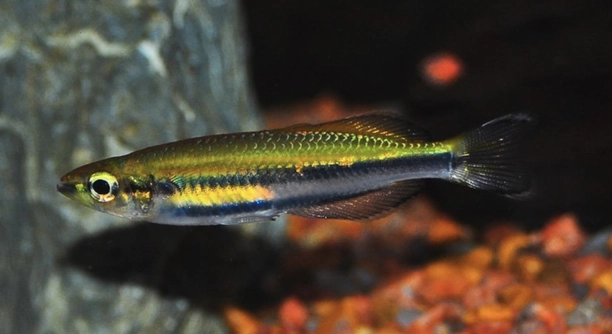
Rainbowfish are small, colorful freshwater fish that many aquarium enthusiasts enjoy keeping. Observing their behaviors can be fascinating, especially when noticing how they interact with other fish in their tank and respond to their surroundings.
Rainbowfish are capable of recognizing their own species through visual cues such as coloration patterns and body shapes. This recognition helps them form social groups, establish territories, and engage in mating behaviors, ensuring survival and cohesion within their species.
Knowing how rainbowfish identify each other adds depth to understanding their social structures and care requirements in home aquariums. Observing these interactions can reveal much about their natural instincts and behaviors.
How Rainbowfish Identify Each Other
Rainbowfish rely heavily on visual cues to identify their own species. Their vibrant colors and specific patterns help them distinguish fellow rainbowfish from other fish in the tank. Movement and body shape also play a role. These traits are crucial in forming social groups and maintaining harmony within the school. They tend to swim close to similar-looking fish, which reduces stress and aggression. Males often display brighter colors to signal their presence to females while also marking their territory. By observing behavior, it’s clear that these fish prefer the company of their own species. Recognizing each other allows them to coordinate swimming patterns, respond to threats, and engage in mating rituals successfully. This recognition system ensures that their interactions are smooth and efficient, supporting both survival and reproduction. Even in community tanks, rainbowfish can be seen gravitating towards their own kind, showing a natural preference for familiar patterns and colors.
Recognition of species keeps social dynamics stable and reduces conflict among rainbowfish.
Understanding how rainbowfish identify each other also helps aquarists create suitable tank environments. Providing enough space and visual separation prevents unnecessary aggression. Observing their schooling habits offers insight into their social hierarchy, and recognizing their preferred companions ensures healthier, more active fish. Male display behaviors, including color intensity and fin movements, are essential indicators of readiness for mating and dominance. Tanks with multiple species can still accommodate rainbowfish effectively if there is a balance, as they naturally seek out fish with similar appearance and size. Grouping similar-looking fish together minimizes stress and encourages natural behaviors like synchronized swimming. Even subtle changes in coloration can affect recognition, signaling health or emotional states. Providing consistent lighting, hiding spots, and stable water conditions helps maintain their visual cues, which are crucial for social interaction. By understanding these identification mechanisms, caretakers can support both the well-being and natural behavior of rainbowfish, ensuring that each fish thrives in its aquatic environment.
Visual Cues and Behavior
Rainbowfish use both color and movement to identify their species in shared tanks.
Coloration, fin shape, and swimming patterns are key. They often mimic each other’s movements and stick with familiar shapes. Social interactions rely on these cues, and ignoring them can lead to stress or isolation. Males may display brighter colors to attract mates, while subtle body language communicates comfort or agitation. Tanks with proper lighting and clear sightlines make recognition easier. By paying attention to these signals, caretakers can better understand the social preferences of rainbowfish, helping them thrive in a structured environment. Their natural inclination to stay near their own kind reinforces group cohesion, making visual cues a cornerstone of their daily behavior and interactions.
Recognition is not just about appearance. It also involves instinctive responses and learned behaviors over time. When rainbowfish are introduced to new environments, they quickly assess which fish share similar traits and adjust their schooling patterns accordingly. This adaptability ensures they maintain social stability even under changing conditions. Observing these behaviors can reveal their hierarchy, mating readiness, and stress levels. Differences in coloration, size, and fin shape all affect who they group with, showing how nuanced their recognition system is. For aquarists, understanding these interactions is crucial for maintaining a balanced and harmonious tank. Proper tank setup, including lighting, vegetation, and space, enhances these visual cues and reduces aggressive behavior. Over time, rainbowfish become attuned to each other’s signals, creating a predictable social environment that supports both health and activity. Even minor disruptions can affect their behavior, so careful observation and management are essential. Recognizing their species-specific behaviors allows for better care and fosters a natural, thriving aquatic community.
Social Grouping in Rainbowfish
Rainbowfish naturally form schools with their own species to reduce stress and improve safety. Sticking with similar fish allows them to coordinate swimming, avoid predators, and communicate effectively through movement and color changes.
Schooling behavior is essential for their well-being. In a tank, rainbowfish will gravitate toward others with matching patterns and colors. This grouping reduces anxiety and prevents aggressive encounters. Males often display brighter colors within these schools, signaling dominance or readiness to mate. Females respond to these visual cues, which maintains order within the group. Even small differences in coloration or size can affect their social choices, showing how finely tuned their recognition system is.
Grouping is also influenced by environmental factors. Proper tank size, clear visibility, and minimal distractions encourage stable schools. If unfamiliar species are present, rainbowfish will often separate themselves, seeking out those who resemble them. Observing these behaviors helps understand their social structure and ensures healthier interactions. Maintaining consistent lighting and providing hiding spots reinforces natural grouping, allowing rainbowfish to thrive while staying cohesive within their school.
Mating and Species Recognition
Rainbowfish rely on species recognition for successful mating and reproduction. Correct visual cues help males and females identify suitable partners.
Males display bright colors and specific fin movements to attract females of the same species. Females respond to these displays, ensuring mating occurs only within compatible groups. This behavior prevents hybridization and maintains the genetic integrity of the species. Environmental factors like light and tank layout can affect how well these cues are perceived, influencing courtship success. Recognition through color and movement is critical, as it drives reproductive behaviors and social balance.
Courtship behaviors are highly structured. Males often perform elaborate swimming patterns around females, highlighting their colors and physical fitness. Females observe these displays, selecting partners based on these visual cues. Successful mating depends on accurate species recognition, which reduces wasted energy and stress. Tanks that mimic natural environments with open swimming areas, consistent lighting, and proper vegetation allow these behaviors to occur naturally. Even minor disruptions, such as overcrowding or poorly lit tanks, can interfere with recognition, leading to skipped courtship or aggression. By understanding and supporting these visual and behavioral signals, caretakers can help rainbowfish reproduce naturally and maintain healthy populations within their aquarium environment.
Environmental Impact on Recognition
Lighting and tank setup influence how well rainbowfish recognize their own species. Proper visibility ensures their colors and patterns are clear, aiding social interactions and reducing stress.
Crowded or dimly lit tanks can confuse rainbowfish. Limited sightlines make it harder to distinguish companions, sometimes leading to isolation or aggression.
Color Variation and Species Identification
Rainbowfish use subtle differences in color intensity and patterns to identify species. Males often have brighter markings, while females display softer tones. These visual distinctions are critical for forming social groups, maintaining school cohesion, and selecting mates. Even slight variations in hue or pattern can affect recognition, demonstrating how precise their visual system is. Consistent lighting and tank maintenance help preserve these color cues, supporting healthy interactions and reducing stress. Understanding these variations allows caretakers to arrange tanks that encourage natural behaviors and proper social grouping, ensuring rainbowfish thrive.
Observing Behavioral Cues
Movement patterns also indicate species recognition. Rainbowfish often mirror the swimming of their own kind.
FAQ
Do rainbowfish only recognize their own species?
Rainbowfish primarily recognize their own species through visual cues like color patterns, fin shape, and swimming style. While they may interact with other species in community tanks, they naturally prefer schooling with fish that share their appearance and size. This preference reduces stress and ensures social stability.
How can I tell if my rainbowfish are recognizing each other?
Observing their behavior provides clear signs. Fish that recognize each other tend to swim closely in coordinated schools, display synchronized movements, and maintain a consistent distance from fish of the same species. Aggression is minimal when they are grouped with familiar patterns, while isolation or erratic swimming may indicate confusion or stress.
Do males and females recognize each other differently?
Yes, recognition is often linked to mating behavior. Males use brighter colors and fin displays to signal readiness, while females respond to these cues. Recognition ensures mating occurs within the same species and helps maintain genetic consistency. Misidentification can lead to stress, unsuccessful courtship, or even minor conflicts.
Can rainbowfish recognize their species in mixed tanks?
Rainbowfish can still recognize their own species in mixed tanks, but environmental factors matter. Proper lighting, open swimming space, and visibility allow them to identify companions effectively. Tanks that are overcrowded or dimly lit can confuse visual cues, causing separation, stress, or aggression, particularly among males competing for attention.
Do environmental changes affect species recognition?
Absolutely. Changes in lighting, tank decorations, or water clarity can interfere with how rainbowfish see each other. Clear sightlines and consistent lighting help them maintain social cohesion. Even minor disruptions, like new plants or altered background colors, can temporarily affect schooling and social interactions until the fish adjust.
Are color variations within the same species confusing for rainbowfish?
Subtle color variations rarely cause problems, as rainbowfish use a combination of color, pattern, and movement to recognize each other. However, dramatic changes, such as illness or stress affecting color intensity, may hinder recognition temporarily. Consistent water quality and nutrition help preserve natural colors, ensuring recognition and healthy social behavior.
How important is species recognition for mating success?
Species recognition is essential for successful mating. Males display bright colors and perform specific swimming patterns to attract females, while females respond to these visual cues. Accurate recognition prevents hybridization and wasted energy, allowing reproduction to occur naturally. Tank conditions that allow clear visibility of these displays improve mating success.
Do young rainbowfish recognize their species immediately?
Juvenile rainbowfish gradually develop recognition abilities. They learn to identify others through early social interactions and observation. Initially, schooling may be less organized, but as they grow, their ability to recognize patterns, movement, and coloration improves, allowing them to integrate into appropriate social groups and follow established behavioral norms.
Can stress affect species recognition?
Stress can interfere with recognition. Overcrowding, sudden environmental changes, or aggressive tankmates may cause rainbowfish to become disoriented or isolate themselves. Maintaining stable water conditions, proper tank size, and suitable companions supports their natural recognition behaviors and reduces stress-related disruptions.
How can I support species recognition in my aquarium?
Providing adequate space, consistent lighting, and clear sightlines is key. Grouping rainbowfish with similar-looking companions and avoiding overcrowding allows natural schooling and social behaviors to develop. Regular observation helps identify any issues early, such as aggression or isolation, ensuring a balanced, harmonious environment for all fish.
Do rainbowfish rely solely on visual cues?
Visual cues are the primary method for species recognition, but other senses, like lateral line detection of movement and subtle chemical signals, also play a supporting role. These additional cues help reinforce recognition, particularly in dim lighting or when fish are slightly obscured by plants or decorations.
Is species recognition different in captivity compared to the wild?
In captivity, species recognition may be slightly altered due to limited space and artificial lighting. However, rainbowfish generally retain their natural instincts. Providing tank conditions that mimic natural habitats, such as open swimming areas and clear water, helps them maintain proper recognition, social grouping, and mating behaviors just like in the wild.
What happens if rainbowfish fail to recognize their species?
Failure to recognize their own species can lead to isolation, increased aggression, and failed mating attempts. Fish may separate from the school, appear stressed, or struggle to establish social hierarchies. Proper tank setup, monitoring behavior, and maintaining visual cues prevent recognition issues and support healthy interactions.
How long does it take for rainbowfish to recognize new tankmates?
Recognition of new tankmates depends on size, coloration, and behavior. Generally, rainbowfish begin to identify familiar species within a few days, forming stable schools. During this period, mild stress or temporary separation may occur, but clear visual cues and adequate space help the fish adjust more quickly.
Can lighting changes affect recognition permanently?
Temporary changes in lighting may cause short-term recognition issues, but permanent effects are rare. Once lighting is restored or adjusted properly, rainbowfish usually resume normal schooling and social behavior. Consistent, naturalistic lighting supports clear color perception and reduces stress, reinforcing species-specific interactions.
Do rainbowfish communicate while recognizing their species?
Yes, communication is subtle but present. Through synchronized swimming, fin displays, and changes in color intensity, rainbowfish signal intentions and social status to companions. This communication supports recognition, coordination in schools, and successful courtship, ensuring smooth interactions and reducing conflict within the tank.
Can species recognition improve over time?
Recognition improves with experience and stable social environments. Juveniles learn from observing older fish, while adults refine their ability to identify subtle color and pattern differences. Maintaining consistent conditions and group composition allows recognition to strengthen, supporting healthy social interactions, schooling behavior, and mating success over time.
How do caretakers observe species recognition effectively?
Observation involves watching swimming patterns, schooling cohesion, and interactions between males and females. Signs of effective recognition include synchronized movement, low aggression, and active courtship displays. Noticing deviations, such as isolation or erratic behavior, indicates environmental or social adjustments are needed to restore natural recognition behaviors.
Are some species of rainbowfish better at recognizing each other?
Different species may vary slightly in recognition efficiency due to color intensity or pattern distinctiveness. Brightly colored species often show faster and more precise recognition, while subtler patterns may require more time to form stable social groups. Tank conditions and group size also influence recognition success.
Can species recognition affect overall health?
Yes, proper recognition reduces stress, aggression, and social tension, which directly supports physical health. Fish that are unable to identify companions may eat less, hide more, or develop stress-related illnesses. Ensuring clear visual cues and compatible groupings promotes both mental and physical well-being.
What role do patterns play compared to color?
Patterns are as important as color for recognition. While color intensity signals health and sex, body and fin patterns help differentiate individuals, especially in mixed-species or diverse coloration groups. Patterns provide a consistent, reliable cue that supports schooling, social interaction, and mating.
Is recognition instinctual or learned?
Recognition is a mix of instinct and learning. Instinct guides initial grouping and mating preferences, while learning refines responses based on experience and social interaction. Juveniles develop recognition through early schooling, and adults continue to adjust to changes in their environment or tank composition, maintaining accurate identification over time.
Rainbowfish are fascinating creatures that rely heavily on visual cues to recognize their own species. Their vibrant colors, specific patterns, and distinctive body shapes allow them to distinguish companions from other fish in the tank. This recognition is not just about appearance—it supports social cohesion, reduces stress, and helps maintain stable group dynamics. Fish that fail to recognize their species may become isolated, display aggression, or struggle with mating behaviors, showing how important accurate recognition is for their well-being. Observing how rainbowfish interact in a tank provides clear insight into their instincts and natural behaviors. They tend to gravitate toward fish with similar colors and patterns, swim in coordinated schools, and engage in subtle displays that communicate social status or readiness to mate. These interactions demonstrate a well-developed system of recognition that ensures both survival and successful reproduction.
Environmental factors play a significant role in supporting species recognition among rainbowfish. Proper lighting, clear sightlines, and sufficient swimming space are essential to help them identify each other accurately. Overcrowded tanks or dim lighting can confuse visual cues, sometimes causing separation or increased aggression. Consistent water quality and proper tank setup also support healthy coloration, which is critical for recognition and mating signals. Even slight variations in color or fin shape can affect how rainbowfish perceive each other, making it important to maintain stable and suitable conditions. Observing their schooling patterns, fin displays, and color intensity allows caretakers to monitor social health and detect potential issues early. Supporting their environment in these ways helps rainbowfish maintain natural behaviors, encourages active and harmonious social interactions, and reduces stress, promoting overall health and longevity.
Understanding species recognition in rainbowfish also provides valuable insights into their care and management in aquariums. Recognizing how they identify each other allows caretakers to create suitable groups, prevent conflict, and encourage natural behaviors such as schooling and mating displays. Juveniles learn these recognition skills over time, while adults continue to refine their ability to distinguish companions and respond to social cues. By paying attention to visual signals, movement patterns, and color displays, caretakers can ensure that rainbowfish thrive in a balanced environment. Supporting these behaviors not only helps maintain the health and happiness of individual fish but also fosters a more cohesive and interactive community in the tank. In the end, recognizing the importance of species recognition provides a deeper understanding of rainbowfish behavior, enhancing both care and observation while ensuring a lively and harmonious aquatic environment.

Hello,
If you enjoy the content that we create, please consider saying a "Thank You!" by leaving a tip.
Every little bit helps us continue crafting quality advice that supports the health, happiness, and well-being of pets around the world, for pets of all shapes, sizes, and species.
We really appreciate the kindness and support that you show us!