
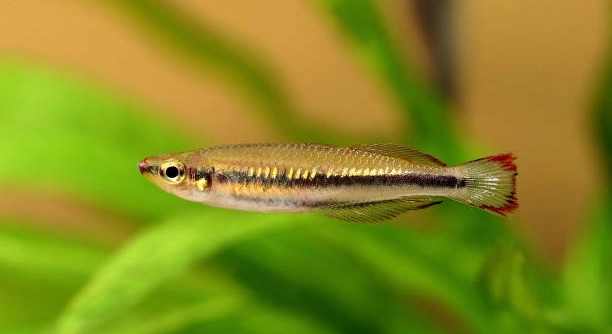
Do you enjoy keeping rainbowfish in your aquarium but sometimes notice them acting differently at night? These colorful fish have unique sleep patterns that can affect how they rest and interact with their environment.
Rainbowfish do not require complete silence to sleep. While a calm environment helps reduce stress, they are generally adaptable to normal household or aquarium noises. Consistent light cycles and a stable environment are more crucial for their restful periods.
Maintaining a proper routine and environment ensures your rainbowfish stay healthy and active, making their sleep habits easier to manage.
How Noise Affects Rainbowfish Sleep
Even though rainbowfish do not need absolute silence, excessive noise can still disrupt their rest. Sudden loud sounds, vibrations, or tapping on the glass can startle them and make it difficult to settle down. They respond more to sudden changes than continuous background noise. In a typical household, normal sounds like conversation or soft music are unlikely to disturb them. Ensuring the aquarium is in a stable location away from frequent disturbances helps them maintain a calm routine. Consistency in their environment allows rainbowfish to feel secure and reduces stress during sleeping hours. Over time, you may notice their behavior improves, with fish resting more predictably at night. A stress-free setting supports not only their sleep but also overall health, as constant agitation can affect appetite and immune function. Small adjustments in placement and noise control can have a noticeable impact on their daily patterns and comfort.
Moderate household noise is generally acceptable, but sharp, sudden sounds should be minimized to protect their sleep.
Providing a quiet, consistent environment does more than improve sleep. Rainbowfish are sensitive to changes in light and water conditions, and a predictable schedule helps them regulate their activity naturally. When noise levels are stable and environmental conditions remain consistent, their stress levels decrease, making feeding and interaction easier. Even small disruptions like frequent tapping or movement near the tank can cause temporary agitation. Over time, maintaining low-impact surroundings contributes to healthier behavior, improved coloration, and stronger immune response. Observing your rainbowfish during night hours can help identify which factors impact their rest the most. By addressing noise, light, and water stability together, you create an environment that encourages restful sleep and supports long-term wellbeing for these vibrant fish.
Tips for a Calm Aquarium Environment
Place your aquarium in a quiet corner away from heavy foot traffic to reduce disturbances.
Ensure water parameters, lighting, and feeding schedules are consistent to support stress-free sleep. Regular maintenance keeps the tank stable and predictable, which rainbowfish prefer. Minimizing sudden changes in light or temperature helps maintain calm behavior. Decorations that provide hiding spots allow fish to retreat when they feel insecure. Avoid tapping on the glass or making abrupt movements near the tank, as these can startle them. Gentle background noise, like soft ambient sounds, is generally fine, but sharp or loud disruptions should be controlled. Observing your rainbowfish over time will show you how minor adjustments affect their rest. Small changes in placement, lighting, and feeding timing can have a significant impact on their nightly routine. A well-managed environment encourages healthy sleep patterns, supports immune function, and keeps them active and colorful during waking hours. Consistency and attention to detail make the biggest difference in creating a peaceful habitat.
Recognizing Sleep Patterns in Rainbowfish
Rainbowfish often become less active and hover near the bottom or among plants during sleep. Their fins may move minimally, and they show reduced responsiveness to mild disturbances. Observing these patterns consistently helps identify when they are resting and when something might be disrupting their routine.
Tracking their daily activity reveals consistent patterns. Rainbowfish typically rest during nighttime hours when lights are off, and they are most active during daylight. Providing a regular light-dark cycle supports this behavior, reinforcing natural rhythms. Over time, you can notice subtle differences, like when they shift positions or choose specific hiding spots. These cues indicate comfort levels and stress, allowing adjustments to their environment. Consistency in feeding, lighting, and tank conditions strengthens their natural schedule and encourages healthier rest patterns.
Environmental factors also influence sleep. Bright lights left on too long or irregular feeding can confuse their internal clock, reducing sleep quality. Decorations, plants, and hiding areas provide comfort, making it easier for them to rest undisturbed. Even minor disturbances, like moving near the tank or tapping the glass, can interrupt sleep. Observing how they respond to these variables helps create a stable environment, promoting better overall health and predictable nighttime behavior. By supporting their natural rhythm, rainbowfish are calmer, healthier, and more vibrant.
Adjusting Aquarium Conditions for Better Rest
Stable water temperature, clean filtration, and gentle flow are essential for restful sleep. Sudden changes can cause stress, disrupting sleep cycles and overall health.
Monitoring water quality regularly ensures parameters like pH, ammonia, and nitrate levels remain consistent. Fluctuations in these factors can make rainbowfish restless and reduce their nighttime comfort. Providing floating plants or soft substrates creates natural hiding spots, enhancing a sense of security. Adjusting the light schedule gradually helps simulate natural day-night transitions. Combining these environmental controls with predictable feeding times establishes a reliable routine. Over time, your rainbowfish will show calmer behavior, improved coloration, and more consistent sleep patterns, making care easier and enhancing their well-being in the aquarium.
Creating a Quiet Space in Your Aquarium
Position the tank away from high-traffic areas to limit disturbances. Even gentle vibrations or repeated tapping on the glass can stress rainbowfish and interrupt their sleep.
Adding plants and decorations offers hiding spots, giving them comfort and security. These retreats help fish feel safe, making it easier to rest undisturbed at night.
Light Management for Restful Sleep
Controlling lighting is key to supporting natural sleep cycles. Use a consistent day-night schedule, turning lights on and off at the same times daily. Gradual dimming in the evening helps mimic natural twilight, signaling to rainbowfish that it is time to rest. A sudden change in lighting can startle fish, so a predictable schedule maintains their comfort. Avoid leaving aquarium lights on overnight, as prolonged exposure can confuse their internal rhythm and reduce sleep quality. Proper light management enhances both nighttime rest and daytime activity, ensuring healthier behavior and coloration.
Feeding and Nighttime Activity
Feeding should follow a consistent schedule. Avoid late-night feedings that can disrupt sleep patterns.
Keeping feeding times predictable supports natural rest and reduces stress. Overfeeding or irregular meals may cause restlessness.
FAQ
Do rainbowfish sleep at night like humans?
Rainbowfish do follow a natural day-night cycle, resting primarily when lights are off. Unlike humans, their sleep is not continuous and deep. They enter a state of reduced activity and minimal movement rather than fully unconscious rest. Observing their behavior, you’ll notice they hover near plants or decorations and respond less to mild disturbances during this period.
Can rainbowfish sleep during the day?
While rainbowfish are diurnal and most active during daylight, they can take short periods of rest during the day. These naps are brief and less pronounced than nighttime rest. Bright light and activity usually prevent long daytime sleep, but quiet moments allow them to recover energy if their environment is calm and stress-free.
Does noise wake rainbowfish up?
Rainbowfish are sensitive to sudden noises and vibrations, but normal household sounds generally don’t disturb them. Continuous loud noises, tapping on the tank, or heavy movement nearby may startle them and interrupt their rest. Providing a stable and calm environment reduces stress and ensures uninterrupted sleep cycles.
Do they need darkness to sleep?
Consistent darkness supports their natural rhythm. Rainbowfish rely on light cues to determine activity and rest periods. While some low ambient light won’t completely prevent sleep, prolonged bright lighting can confuse their internal clock, reduce sleep quality, and affect overall behavior. Gradual dimming in the evening helps signal that it’s time to rest.
How long do rainbowfish sleep?
Rainbowfish do not have long, uninterrupted sleep like mammals. They rest for several hours at night, typically aligned with the dark phase of the light cycle. Their activity gradually slows, and they remain mostly stationary until lights come on, allowing them to conserve energy and maintain healthy behavior.
Can stress affect sleep?
Stress significantly impacts their rest. Sudden environmental changes, poor water quality, aggressive tankmates, or irregular feeding can make them restless at night. Ensuring stable conditions, predictable schedules, and hiding spots allows rainbowfish to relax and maintain healthy sleep patterns. Observing their resting behavior can help identify potential stressors.
Do rainbowfish dream?
Rainbowfish do not dream like humans. Their rest is a period of reduced activity rather than conscious dreaming. However, this downtime is essential for energy recovery, stress reduction, and supporting overall health. Maintaining a calm, consistent environment ensures they can rest properly.
Will all rainbowfish sleep the same way?
Individual behavior varies slightly. Some fish prefer resting near plants, others closer to the bottom or decorations. Factors like age, tank setup, and social dynamics can influence where and how they rest. Consistent care and observation allow you to notice patterns specific to your fish.
Does feeding time affect sleep?
Yes, irregular or late-night feedings can disrupt rest. Rainbowfish benefit from a predictable feeding schedule aligned with their active hours. Overfeeding or feeding during dark periods can lead to restless behavior and reduce the quality of sleep, making consistent timing important for overall well-being.
How can I tell if they are sleeping well?
Signs of healthy sleep include reduced movement, calmer behavior at night, and consistent daytime activity. If rainbowfish appear restless, frequently move during dark periods, or show signs of stress, it may indicate issues with lighting, noise, or water quality that need adjustment to support better rest.
Rainbowfish are lively and colorful fish that bring vibrancy to any aquarium, but their sleep habits are often overlooked. Understanding how they rest is important for maintaining their overall health. Unlike humans, rainbowfish do not require complete silence or darkness, but a stable environment greatly improves the quality of their rest. Providing consistent lighting schedules, proper hiding spots, and minimizing sudden disturbances allows them to settle comfortably at night. Even small changes in water temperature, noise, or lighting can affect how well they sleep, so paying attention to these factors is key. Observing your rainbowfish over time helps identify their patterns and preferences, making it easier to provide the right conditions.
Creating a calm, predictable environment benefits both their sleep and overall well-being. Rainbowfish respond to routine and stability more than complete quiet, meaning normal household sounds usually do not disturb them. Sudden noises or vibrations, however, can startle them and cause brief periods of agitation. Adding plants and decorations provides a sense of security and comfort, offering them places to hide and rest peacefully. Consistent feeding schedules also support healthy sleep patterns, as irregular or late-night feedings can interfere with their natural activity cycle. By maintaining a stable and comfortable habitat, you encourage natural behaviors and promote vibrant coloration, active daytime behavior, and healthy growth.
Sleep is only one part of caring for rainbowfish, but it is closely tied to their overall health. Proper water quality, consistent light-dark cycles, and minimal stress create an environment where they can thrive. Observing their behavior during night hours provides insight into their comfort and routine, and small adjustments can have a significant impact on their rest. While rainbowfish do not sleep exactly like humans, their periods of rest are essential for energy recovery, stress reduction, and maintaining a strong immune system. Paying attention to their environment and habits ensures they remain healthy, active, and happy, making the aquarium a more enjoyable and vibrant space for both the fish and the caretaker.

Hello,
If you enjoy the content that we create, please consider saying a "Thank You!" by leaving a tip.
Every little bit helps us continue crafting quality advice that supports the health, happiness, and well-being of pets around the world, for pets of all shapes, sizes, and species.
We really appreciate the kindness and support that you show us!