
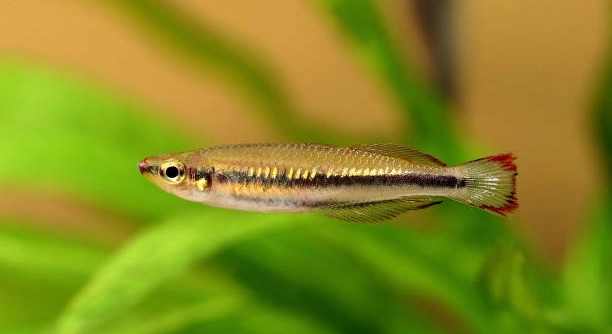
Rainbowfish are small, colorful freshwater fish that many people enjoy keeping in aquariums. They are active swimmers and often bring life to home tanks. Observing their behavior can help owners understand their needs.
Rainbowfish generally prefer stable environments with consistent water conditions, temperature, and plant coverage. Sudden changes in their habitat can cause stress, affect feeding patterns, and even weaken their immune systems, making careful maintenance essential for their wellbeing.
Knowing how changes impact rainbowfish helps owners create a healthier aquarium. Small adjustments in environment can significantly influence their comfort and long-term health.
Understanding Rainbowfish Behavior
Rainbowfish are very responsive to their surroundings. They notice even small changes in light, water temperature, or decorations. In a stable tank, they swim calmly and display vibrant colors. When their environment changes suddenly, they may hide or swim erratically. Watching these behaviors can help you see how sensitive they are. Keeping a consistent routine with feeding, water changes, and tank cleaning reduces stress. Plants, hiding spots, and gentle water flow provide comfort. Over time, you will notice patterns in how your rainbowfish react to minor adjustments, which makes maintaining their tank easier. Observing them regularly allows you to intervene quickly if stress signs appear, such as loss of color or reduced activity. A healthy, stable environment supports their growth, reproduction, and overall wellbeing. Ensuring these conditions is simple, yet it makes a significant difference in keeping your rainbowfish thriving and happy.
Rainbowfish respond best to environments that are calm and consistent. Sudden changes can disturb their daily routines.
Even minor changes like adding new decorations, moving plants, or altering lighting can affect their behavior. Gradual adjustments allow them to adapt without stress. Providing stable water conditions and predictable feeding times ensures they remain healthy.
Maintaining a Comfortable Tank
Stable water conditions are key for rainbowfish health. They thrive when pH, temperature, and hardness are consistent.
Regular monitoring of water parameters is essential. Sudden shifts can stress fish, reducing appetite and energy.
Maintaining a comfortable tank requires careful attention to water quality, temperature, and structure. Frequent water tests help identify issues early. Proper filtration removes waste, while aeration ensures adequate oxygen levels. Decorations and plants provide hiding spaces, which reduce stress and encourage natural behavior. Feeding small, consistent portions keeps them active and healthy. Avoid overcrowding to prevent aggression and stress. Gradual introduction of new items or fish minimizes disruption. By establishing a predictable environment, rainbowfish can display natural swimming patterns and bright coloration. Observing them daily allows you to notice subtle changes in behavior or appearance, helping prevent illness. Careful maintenance supports both physical health and mental comfort, ensuring your rainbowfish thrive in a stable, enjoyable habitat.
Tank Decorations and Environment
Decorations provide hiding spots and help rainbowfish feel secure. Avoid sharp edges or overcrowding the tank. Plants, rocks, and gentle ornaments create areas for exploration without causing stress.
Arranging decorations thoughtfully helps rainbowfish establish territories and reduces aggression. Floating plants soften light and offer shade, making them feel safe. Open swimming areas are just as important, allowing exercise and natural movement. Rearranging too often can confuse them, so plan placement carefully. Using natural materials like smooth stones or driftwood prevents injury while enhancing the tank’s appearance. Over time, rainbowfish will learn to navigate and enjoy the space, showing more active swimming and brighter coloration.
Introducing new decorations gradually ensures fish adapt without stress. Start with one or two items, observe their reactions, and then add more if needed. Avoid drastic changes, as sudden shifts can disrupt their routine. Rotate decorations slowly and maintain familiar hiding spots to keep them comfortable. Consistency supports mental wellbeing and encourages normal feeding and swimming behaviors. By considering both aesthetics and functionality, you can create a visually pleasing tank while keeping your rainbowfish happy and healthy.
Water Quality and Maintenance
Regular water changes are critical for rainbowfish health. Remove waste and monitor water parameters frequently to prevent stress.
Maintaining clean water prevents diseases and supports vibrant colors. Use a filter suitable for tank size, but avoid strong currents that may tire fish. Test pH, ammonia, nitrite, and nitrate levels weekly to catch problems early. Partial water changes replace lost minerals and reduce harmful chemicals, keeping the environment stable. Remove uneaten food promptly to prevent contamination. Temperature consistency is equally important; fluctuations can weaken immune systems and affect activity. Aeration ensures oxygen levels remain steady, promoting healthy respiration and overall vitality. Regular maintenance builds a predictable environment, reducing stress and allowing rainbowfish to thrive naturally.
Consistent care makes a noticeable difference in behavior and wellbeing. Even small lapses in maintenance can lead to stress, slower growth, or illness. Proper feeding, routine water testing, and careful tank upkeep are essential. Avoid overcrowding, as it can increase waste levels and competition, further impacting water quality. Gradually introduce any changes and observe how the fish respond. By establishing a regular maintenance schedule, you protect their health while encouraging natural swimming patterns, vibrant coloration, and active behavior. Taking these steps creates a balanced environment where rainbowfish can flourish without unnecessary stress.
Feeding Habits
Rainbowfish thrive on a varied diet. Offer small portions of flakes, pellets, and occasional live or frozen food to keep them healthy.
Feeding at the same time each day helps them feel secure. Overfeeding can pollute the water and stress the fish. Monitor their eating habits closely.
Light and Temperature
Consistent light cycles support natural behavior and coloration. Provide 10–12 hours of light daily and avoid sudden changes in brightness. Use a timer for reliability. Maintain water temperature within the recommended range for rainbowfish species. Sudden shifts can cause stress, reduce appetite, and affect activity levels.
Social Behavior
Rainbowfish are social and prefer small groups. Keep at least five together to encourage natural schooling and reduce stress.
Observing Stress Signs
Watch for hiding, faded colors, or unusual swimming. Early detection of stress helps prevent long-term health problems.
FAQ
How often should I change the water in my rainbowfish tank?
Water changes are essential to keep rainbowfish healthy. Replace 20–25% of the water every week to remove waste and toxins. More frequent changes may be needed if the tank is crowded or feeding is heavy. Always match the temperature and pH of new water to avoid stressing the fish. Gradual changes maintain stability and prevent sudden shocks.
Can rainbowfish live with other fish?
Rainbowfish are generally peaceful and can coexist with other non-aggressive species. Avoid overly territorial or large predatory fish. Ideal tank mates include small tetras, rasboras, or peaceful bottom dwellers. Keep groups of rainbowfish together to support schooling behavior, which reduces stress and encourages natural swimming patterns.
What is the best diet for rainbowfish?
A varied diet promotes health and bright coloration. Offer high-quality flakes or pellets daily, supplemented with live or frozen foods like brine shrimp, daphnia, or bloodworms. Feeding small portions multiple times a day prevents overeating and water pollution. Rotate food types to ensure balanced nutrition.
How can I tell if my rainbowfish is stressed?
Signs of stress include hiding, clamped fins, faded colors, erratic swimming, and reduced appetite. Changes in behavior often indicate environmental issues such as water quality, temperature fluctuations, or overcrowding. Observing your fish regularly helps catch problems early and maintain a stable habitat.
Do rainbowfish need a heater?
Most rainbowfish species prefer stable temperatures between 74–78°F (23–26°C). A heater helps maintain consistent warmth, especially in cooler climates. Avoid sudden temperature changes, as they can weaken the immune system and cause stress. Use a reliable thermometer to monitor water consistently.
How many rainbowfish should I keep together?
Rainbowfish are schooling fish and feel most secure in groups of at least five. Keeping them in larger groups encourages natural behavior, reduces stress, and improves coloration. A small school also helps prevent aggression and supports social interaction, which is vital for their wellbeing.
Can I rearrange decorations in the tank?
Sudden changes in tank layout can stress rainbowfish. Rearrange decorations gradually, introducing one new item at a time. Keep familiar hiding spots intact. Over time, small changes can be added safely, but consistency is key for maintaining their sense of security and natural behavior.
How important is lighting for rainbowfish?
Lighting influences behavior, feeding, and coloration. Provide 10–12 hours of light daily with gradual transitions between light and dark. Sudden or harsh lighting can cause stress. Using a timer ensures consistency, which helps rainbowfish establish regular activity patterns and supports their overall health.
What water parameters are ideal for rainbowfish?
Rainbowfish thrive in slightly alkaline water with pH 6.8–7.5, moderate hardness, and stable temperature. Regular testing for ammonia, nitrites, and nitrates is essential. Maintaining clean, stable water supports growth, coloration, and overall wellbeing, reducing stress and susceptibility to disease.
Can rainbowfish adapt to changes in their environment?
Rainbowfish can adapt slowly to gradual changes, but sudden adjustments in water conditions, temperature, or decorations can cause stress. Introducing changes in small steps allows them to adjust safely. Patience and observation are key to ensuring they remain healthy and active during transitions.
How do I encourage breeding in rainbowfish?
Stable water conditions, good nutrition, and a calm environment promote breeding. Provide fine-leaved plants or spawning mops for egg-laying. Keep a healthy ratio of males to females, usually two to three females per male, to reduce stress and encourage natural spawning behaviors.
What should I do if a fish shows signs of illness?
Quarantine affected fish immediately to prevent spreading disease. Test water parameters and correct any issues. Observe symptoms carefully and treat with appropriate medication if necessary. Maintaining a clean tank and balanced diet helps prevent illnesses and keeps the group healthy.
Are rainbowfish sensitive to noise and vibrations?
Rainbowfish can be startled by loud noises, sudden movements, or vibrations near the tank. Keep the aquarium in a calm area away from frequent disturbances. A stable environment reduces stress and encourages natural swimming and social behaviors.
How do I maintain vibrant coloration in rainbowfish?
Healthy diet, stable water, and minimal stress enhance coloration. Provide varied foods rich in carotenoids and ensure adequate light for color expression. Maintaining good social groups and minimizing environmental changes allows colors to remain bright and appealing over time.
Can rainbowfish live in planted tanks?
Planted tanks are ideal for rainbowfish. Plants provide hiding spots, reduce stress, and support natural behavior. Floating and rooted plants help diffuse light and improve water quality. Ensure plants do not overcrowd the swimming area, maintaining a balance between decoration and open space.
What tank size is suitable for rainbowfish?
A minimum of 30 gallons is recommended for a small school. Larger tanks allow for more swimming space and better water stability. Adequate space supports social behavior, reduces stress, and ensures long-term health and vibrant coloration.
How often should I feed rainbowfish?
Feed small portions 1–2 times a day. Overfeeding can pollute water and cause stress. Observe how quickly they consume food and adjust portions accordingly. Consistency in feeding times helps establish a routine and keeps them active and healthy.
Can rainbowfish tolerate tap water?
Tap water is acceptable if treated to remove chlorine and chloramine. Use a water conditioner and monitor pH, hardness, and temperature. Regular testing ensures stability and prevents stress caused by chemical imbalances or sudden water quality changes.
Do rainbowfish need hiding spots?
Yes, hiding spots reduce stress and encourage natural behavior. Plants, rocks, and gentle ornaments provide areas to retreat when threatened. Consistent hiding spaces allow fish to feel secure and support mental wellbeing while maintaining activity and social interaction.
Is it normal for rainbowfish to jump?
Rainbowfish may jump when startled or during aggressive interactions. Use a secure lid to prevent escapes. Sudden changes in water or nearby vibrations can trigger this behavior. Providing a stable, calm environment reduces jumping incidents and keeps them safe.
Rainbowfish are vibrant, active, and sensitive fish that respond clearly to their environment. They thrive in stable conditions with consistent water parameters, gentle lighting, and thoughtfully arranged decorations. Sudden changes in temperature, water chemistry, or tank layout can cause stress, affecting their behavior, appetite, and overall health. Observing how they react to even small changes allows owners to create an aquarium that meets their needs. Providing hiding spots with plants and ornaments, along with open swimming areas, helps rainbowfish feel secure while maintaining natural movement and social behavior. A consistent routine for feeding, cleaning, and monitoring water quality supports their wellbeing and ensures they display bright colors and lively activity. Even minor lapses in maintenance can have noticeable effects, so paying attention to daily habits is important for long-term success.
A balanced diet is crucial for rainbowfish health and coloration. Offering a variety of high-quality flakes, pellets, and occasional live or frozen foods ensures they receive the necessary nutrients. Feeding small amounts at regular times prevents overeating and keeps the water clean. Healthy nutrition supports growth, strengthens the immune system, and encourages natural swimming patterns. In addition to diet, water quality plays a major role in their wellbeing. Regular water changes, proper filtration, and monitoring pH, ammonia, nitrite, and nitrate levels create a stable environment. Temperature consistency is equally important, as rainbowfish are sensitive to fluctuations. A well-maintained tank minimizes stress, reduces the risk of disease, and allows rainbowfish to thrive in a predictable and comfortable environment.
Social interaction is another important factor in rainbowfish care. These fish are schooling species and feel most secure in groups of five or more. Keeping them together encourages natural behaviors and reduces stress, while overcrowding can lead to aggression and poor water quality. Observing their behavior provides insight into their comfort and overall health. Gradually introducing changes to the tank, whether decorations, new fish, or minor water adjustments, allows them to adapt without unnecessary stress. With proper care, rainbowfish can live healthy, active lives while displaying their full range of color and movement. Attention to water, diet, and social structure ensures they remain comfortable and secure in their environment, making the tank a vibrant and enjoyable space for both fish and owner.

Hello,
If you enjoy the content that we create, please consider saying a "Thank You!" by leaving a tip.
Every little bit helps us continue crafting quality advice that supports the health, happiness, and well-being of pets around the world, for pets of all shapes, sizes, and species.
We really appreciate the kindness and support that you show us!