
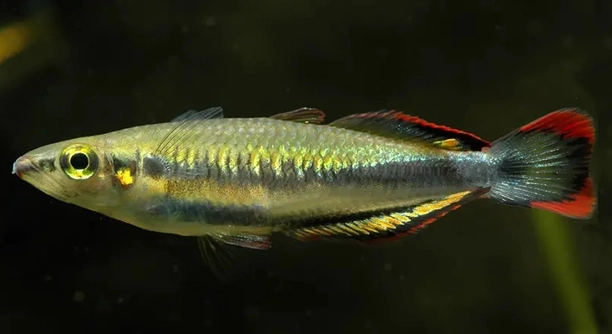
Do your rainbowfish seem to react every time someone walks by the tank or the filter hums in the background? These small, colorful fish live in environments where consistent surroundings matter greatly. Their responses to sounds can be subtle but noticeable.
Rainbowfish are capable of adjusting to routine tank sounds over time. Repeated exposure to consistent, non-threatening noises allows them to habituate, reducing stress responses and normalizing behavior in their aquatic environment without long-term negative effects.
Understanding how rainbowfish respond to tank noises can help you create a calmer, healthier home aquarium. Learning these adjustments improves both the fish’s well-being and your enjoyment as an aquarist.
How Rainbowfish React to New Sounds
When I first set up my tank, I noticed my rainbowfish would dart quickly whenever the filter kicked on or the heater hummed. At first, every small noise seemed to startle them. Over the next few days, I observed that their reactions became less intense. They swam closer to the middle of the tank and resumed normal activities despite the ongoing background noise. This change showed me that rainbowfish are capable of recognizing familiar, non-threatening sounds and adjusting their behavior accordingly. Their natural instinct is to stay alert, but repeated exposure allows them to feel safer in a consistent environment. Even small movements around the tank, like tapping the glass gently or the low hum of an air pump, can initially trigger a quick response, but with patience, they settle back into a routine. Observing these patterns can help aquarists better manage their tank environment and reduce unnecessary stress for the fish.
This adjustment indicates that consistency in tank sounds is key to rainbowfish comfort.
By monitoring how they react over time, I realized that a stable sound environment significantly improves their overall behavior. Stressful reactions decrease, feeding habits normalize, and social interactions among fish become more apparent. It also made me more aware of the noises I introduce near the tank, such as opening doors loudly or running appliances nearby. Recognizing these patterns helps in designing a tank space that feels safe and predictable. Over weeks, the fish stopped flinching at repeated background sounds, demonstrating their ability to habituate. This knowledge encourages thoughtful tank placement and equipment management, ensuring that both noise levels and activity around the tank support a calm aquatic environment. Observing rainbowfish in this way highlights their adaptability and the importance of creating a stable habitat where routine sounds become part of their daily comfort.
Tips for Maintaining a Calm Tank
Maintaining consistent background sounds can significantly reduce stress for rainbowfish. Avoid sudden loud noises near the tank to support their adaptation.
Regular, predictable equipment operation and controlled human activity around the tank promote a stable environment. Gradually introduce new noises and monitor fish responses. Keeping the tank in a quiet corner or using soft insulation around equipment can further minimize disturbances. Observing behavior daily helps in identifying subtle stress signals early. A calm environment encourages natural swimming, feeding, and social behaviors. Understanding their sensitivity to sound ensures a healthier and more balanced tank ecosystem. Adjustments in routine and placement make a noticeable difference in fish well-being over time, fostering a peaceful habitat.
Recognizing Stress in Rainbowfish
Sudden flinching, hiding, or frantic swimming often signals stress in rainbowfish. Noticing these behaviors early helps in adjusting tank sounds or surroundings to reduce their anxiety. Regular observation ensures that minor stressors do not escalate into serious health issues.
I remember when I first noticed my rainbowfish darting at every sudden noise. Initially, I thought it was normal skittish behavior, but repeated signs showed stress. They would hide behind decorations, stop eating temporarily, and interact less with tank mates. By tracking these behaviors daily, I could pinpoint which noises triggered reactions and make changes. Adjusting the filter’s flow, moving the tank away from heavy foot traffic, and limiting sudden household sounds gradually reduced stress responses. Over time, the fish resumed normal swimming patterns and feeding habits, showing that monitoring and subtle environmental changes can make a significant difference in their comfort and overall health.
Stress in rainbowfish can also be influenced by inconsistent lighting, water changes, or sudden movements near the tank. Even routine maintenance may trigger brief anxiety if done abruptly. Observing the fish helps identify these triggers and adapt procedures. Creating a predictable daily pattern for feeding, cleaning, and equipment operation reduces sudden disturbances. Gentle handling during water changes and using soft movements when near the tank keeps the environment calm. Over weeks, the fish begin associating human presence with safety instead of stress. This careful approach supports long-term health, encourages natural behavior, and improves social interactions within the tank.
Habituation to Tank Noises
Rainbowfish gradually become accustomed to consistent, non-threatening noises over time. Repetition allows them to ignore harmless sounds while maintaining alertness to actual threats.
In my experience, placing the filter and air pump in fixed locations with stable operation was key. Initially, the fish reacted strongly to the low hum of these devices, but daily exposure without negative consequences led to habituation. I also noticed that subtle variations, like adjusting light schedules or tapping on the glass, required incremental introduction. By observing responses and allowing time for adaptation, the fish reduced stress and resumed normal activity. Habituation helps them distinguish between routine environmental sounds and potential dangers, improving comfort and promoting natural swimming and feeding behavior consistently.
Adjusting Feeding Times
Rainbowfish respond well to consistent feeding schedules. Regular feeding times help them feel secure and reduce stress caused by unpredictable activity or noises near the tank.
I found that feeding at the same times each day allowed the fish to anticipate food. They swam confidently to the feeding area, ignoring minor background noises.
Impact of Household Noise
Loud or sudden household noises can initially startle rainbowfish. However, repeated exposure to moderate, consistent sounds allows them to become less reactive over time. Observing reactions helps determine which noises are tolerable and which should be minimized for their well-being.
Using Plants and Decorations
Live plants and decorations offer hiding spots, helping rainbowfish manage stress from routine noises. They feel safer and more comfortable when they have places to retreat.
Water Movement Considerations
Strong or erratic water currents can add to stress from tank sounds. Gentle, consistent flow helps rainbowfish acclimate and maintain normal swimming patterns.
What noises are safe for rainbowfish in a tank?
Rainbowfish are generally tolerant of constant, low-level noises like the hum of filters, air pumps, and gentle water flow. These sounds become part of their environment and do not cause stress once the fish habituate. I noticed that my rainbowfish quickly ignored the regular background hum from the filter after a week or two. Consistent, predictable sounds are easier for them to adjust to, whereas sudden, sharp noises, like loud bangs or dropping objects near the tank, can trigger immediate stress responses. Small household vibrations, like footsteps on a wooden floor, may cause brief startle reactions but usually do not harm them if the exposure is regular and non-threatening.
How do I know if my rainbowfish is stressed by tank noises?
Signs of stress include frantic swimming, hiding behind decorations, reduced interaction with other fish, and a decrease in feeding. I once noticed my rainbowfish retreating to the back of the tank every time the nearby washing machine started. Over time, by observing subtle movements, such as flicking fins or darting at sudden sounds, I learned which noises were causing minor stress. Keeping a daily log of behavior during different activities around the tank can be very useful. Consistent patterns, like hiding every time a certain sound occurs, indicate that adjustments are needed.
Can rainbowfish fully get used to noisy environments?
Yes, rainbowfish can habituate to repeated, non-threatening noises over time. In my tank, the initial reactions to the low hum of the filter and soft household activity were noticeable, but after a few weeks, they became calm and resumed normal swimming patterns. Habituation requires patience and consistency. Sudden loud noises may still cause temporary stress, but regular, predictable sounds are quickly accepted. Gradual exposure works best; introducing a new sound slowly, such as a new piece of equipment, allows the fish to adjust without becoming overly stressed. Habituation helps maintain both physical health and normal behavior in the tank.
Do decorations and plants affect how fish respond to sounds?
Yes, decorations and plants provide hiding spots and visual barriers, helping rainbowfish cope with noise. I found that when my fish had plenty of plants and small caves, they were less reactive to routine sounds like filter hums. Hiding areas give them a sense of security, allowing them to relax even in slightly noisy conditions. Dense plants and ornaments can reduce the perception of sudden movements or shadows caused by household activity. In a sparse tank, fish tend to dart more and exhibit higher stress levels. Ensuring adequate cover supports natural behavior and overall comfort.
Should I adjust water flow to reduce noise stress?
Yes, strong or erratic currents can amplify stress responses to tank noises. Gentle, consistent water movement creates a stable environment, making it easier for rainbowfish to habituate to other background sounds. I noticed that after reducing strong currents, my fish swam more calmly and interacted naturally. When currents are too strong, the combination of noise and turbulent water can make them more skittish. Properly positioned filters and air stones that provide smooth water circulation help maintain stability. Balanced water flow ensures that rainbowfish can adapt to routine environmental sounds without added stress.
How long does it take for rainbowfish to adjust to new sounds?
Adjustment times vary depending on the fish and the type of sound. In my experience, constant, moderate noises like a filter hum took about one to two weeks for rainbowfish to ignore consistently. Sudden or irregular sounds may require longer exposure or gradual introduction. Observing their behavior daily helps determine if they are becoming comfortable or still stressed. Habituation is a process of repeated exposure; forcing rapid adaptation can increase anxiety. Consistency, patience, and creating a calm tank environment support faster and safer adjustment for the fish, allowing them to maintain natural behaviors and health.
Can human activity near the tank affect rainbowfish stress levels?
Yes, frequent movement near the tank, such as walking past, tapping on glass, or opening doors loudly, can initially cause stress. I noticed that moving slowly and avoiding sudden gestures around the tank allowed my rainbowfish to swim confidently and feed without interruption. Over time, they learned to tolerate predictable daily routines. Limiting unpredictable activity and providing hiding spaces ensures they feel safe. Observing which movements provoke reactions helps identify adjustments in tank placement and room activity. Reducing disturbances improves their overall comfort and encourages natural swimming, feeding, and social interactions.
Do rainbowfish ever stop reacting to loud but harmless noises?
They can, but it requires repeated, safe exposure. Loud noises like household appliances or door slams may initially startle them, but consistent, non-threatening exposure helps them learn that these events are not dangerous. In my tank, gradual exposure to regular appliance sounds allowed rainbowfish to remain calm during brief loud events. Patience is key, and ensuring hiding spots or cover helps reduce stress while they adjust. Some noises may always trigger brief startle responses, but overall reactions decrease with time and habituation, improving their confidence and daily activity levels.
Rainbowfish are adaptable creatures that respond well to consistent and predictable environments. From my experience, I have seen how they react to noises in and around the tank and gradually adjust over time. Small, routine sounds such as the hum of a filter, the soft bubbling of an air pump, or gentle water movement initially cause subtle reactions. They may dart briefly, retreat behind plants, or pause in their swimming. These behaviors are natural responses to unfamiliar stimuli. By keeping tank sounds stable and predictable, rainbowfish quickly learn which noises are harmless and can return to normal behavior. Creating a calm environment not only helps them feel safe but also encourages natural swimming, feeding, and social interactions, which are important for their overall health and well-being. Observing them regularly gives insight into their comfort level and helps in making small adjustments that reduce stress.
In addition to routine sounds, other factors such as tank layout, decorations, and hiding spaces play a key role in helping rainbowfish adapt. I have found that live plants and ornaments provide safe spaces where the fish can retreat when startled. This gives them a sense of security and reduces the intensity of stress responses to noise. Even minor changes, such as moving equipment or adding new items to the tank, can briefly trigger cautious behavior. By introducing changes gradually and observing reactions, it is possible to maintain a stable and safe environment. Over time, rainbowfish learn to habituate to predictable noises and adjust their behavior accordingly. Consistency is crucial. The combination of stable tank sounds, proper hiding spots, and controlled human activity around the tank creates a supportive environment where fish feel comfortable and less reactive to everyday background noises.
Finally, the patience and attention of the aquarist make a significant difference in rainbowfish well-being. I have learned that monitoring their reactions daily and making small, deliberate adjustments can improve their comfort dramatically. Feeding at consistent times, maintaining steady water movement, and avoiding sudden loud noises near the tank all contribute to a sense of routine and safety. Rainbowfish respond to these efforts with calmer behavior, normal social interactions, and healthier feeding habits. While some sudden noises may always elicit brief startle responses, their ability to adapt to predictable environmental sounds is remarkable. By understanding their needs and providing a stable, controlled environment, rainbowfish can thrive in a home aquarium. The key is observation, consistency, and patience, which together create an environment where they feel secure and can display natural, healthy behaviors without unnecessary stress.

Hello,
If you enjoy the content that we create, please consider saying a "Thank You!" by leaving a tip.
Every little bit helps us continue crafting quality advice that supports the health, happiness, and well-being of pets around the world, for pets of all shapes, sizes, and species.
We really appreciate the kindness and support that you show us!