
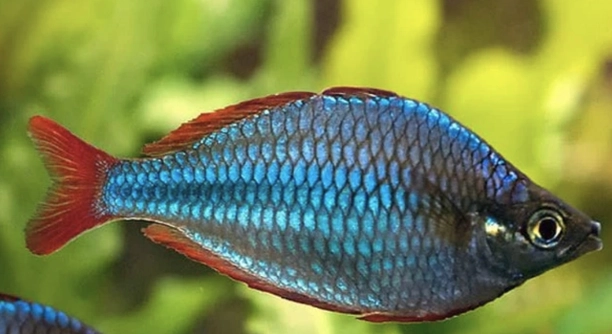
Rainbow fish are often admired for their vibrant colors and lively movements. But beyond their beauty, some wonder if they are capable of recognizing and following routines. This article explores the fascinating behavior of these aquatic creatures.
Research indicates that rainbow fish do have the ability to recognize patterns in their environment, including routines related to feeding times and light cycles. They can learn to anticipate certain events, demonstrating a level of environmental awareness and behavioral adaptation.
Understanding how rainbow fish perceive their surroundings can help in creating better care routines for them in captivity.
Understanding Rainbow Fish Behavior
Rainbow fish, like many other species, respond to their environment in ways that suggest they can remember past events. They learn to expect certain actions from their caretakers, especially around feeding times. These fish are highly observant and tend to show excitement when they recognize familiar routines. Whether it’s the sound of a lid opening or the appearance of a food source, they begin to associate these cues with an expected outcome.
Their ability to understand these routines is influenced by both internal and external factors. The fish are sensitive to their surroundings, particularly to light and food signals. Over time, they adapt to these cues, allowing them to anticipate what happens next. This behavior isn’t purely instinctive but is learned over time through repeated exposure.
Rainbow fish show clear signs of routine recognition when fed at the same time daily. If a feeding schedule is changed or disrupted, they may initially seem confused or unresponsive. This reinforces the idea that their behavior is indeed shaped by consistent routines. Providing a stable environment for these fish can improve their overall health and well-being.
How Routines Affect Their Health
Fish in regular routines tend to show fewer signs of stress. They understand the cycle of light and dark, which influences their internal clocks. Regular feeding schedules and consistent water quality are essential for keeping these fish calm.
The consistency of these habits helps regulate their body rhythms. Just like humans, rainbow fish thrive when they feel secure. They’re less likely to experience stress or show abnormal behaviors. This is crucial for their overall health. When their routine is disrupted, it can lead to anxiety-like symptoms, impacting their well-being. Creating a routine not only makes the fish feel safe but also encourages positive behavior. This reinforces their connection to their environment and caretaker. When they feel understood, their stress levels decrease.
Impact of Feeding Schedules
A regular feeding schedule helps rainbow fish stay calm and organized in their habitat. They quickly learn to associate certain times of day with food. This consistency contributes to their overall well-being and can reduce stress, improving their behavior.
The act of feeding at specific times can also provide a sense of stability. Rainbow fish are sensitive to the environment, and when they know what to expect, they respond more positively. Inconsistent feeding times can create confusion and disrupt their routine. Over time, this may result in less active behavior or even changes in their health.
Feeding routines not only help fish feel secure but also encourage more natural behaviors. Their responses to feeding cues—whether visual or sound-related—become more predictable. These cues reinforce the connection between the fish and their caretaker, strengthening their sense of routine and comfort in their space.
Light Cycles and Routine Understanding
The light cycle plays a crucial role in the behavior of rainbow fish. They rely on it to regulate their daily routines, which are aligned with natural patterns of day and night.
Consistency in the light-dark cycle helps maintain a healthy rhythm for the fish. Disrupting this cycle, such as by changing lighting times frequently, can cause stress and confusion. Like many animals, rainbow fish rely on light cues to know when it’s time to be active or rest. Regular exposure to a stable light schedule also supports their internal clock, encouraging better health and behavior.
By mimicking natural light patterns in their environment, caretakers can help these fish feel more at home. Maintaining a consistent light schedule helps regulate not just their behavior but also their biological processes. It’s essential for their overall comfort and well-being.
Consistency in Tank Maintenance
Regular tank maintenance is essential for keeping rainbow fish healthy. Water changes, cleaning the filter, and checking water parameters should be done consistently. This prevents sudden changes that can stress the fish.
A clean tank creates a stable environment that the fish can rely on. Consistency in water conditions ensures they are always in a comfortable, familiar space. This reduces stress and promotes natural behavior, which is crucial for their health.
Temperature Stability
Rainbow fish are sensitive to temperature fluctuations. Keeping the tank temperature steady is important for their well-being. Sudden changes can cause stress and make them more vulnerable to illness.
Maintaining a stable water temperature helps regulate their metabolism and keeps them active. Constant shifts in temperature can lead to confusion, affecting their ability to follow routines. A reliable heater can help ensure the water stays within the proper range.
FAQ
Do rainbow fish need a specific routine to thrive?
Yes, rainbow fish benefit from a consistent routine. They are sensitive to changes in their environment, including feeding schedules, light cycles, and water conditions. Establishing a regular routine helps reduce stress, making them feel secure and comfortable in their habitat. Without this routine, they may exhibit less predictable behavior and show signs of anxiety. Regular feeding times, consistent light cycles, and a stable tank environment are key factors in promoting their well-being.
How do I establish a feeding routine for rainbow fish?
To establish a feeding routine for rainbow fish, feed them at the same time each day. Over time, they will learn to recognize the signals associated with feeding time, such as the appearance of food or the sound of the tank lid opening. This regularity helps them feel secure. Keep the amount of food consistent to avoid overfeeding, which can harm the water quality. A well-maintained feeding routine supports their digestive health and encourages more active behavior.
Can changing the feeding time disrupt their routine?
Yes, changing the feeding time can disrupt their routine. Rainbow fish are creatures of habit and may become confused or stressed if their feeding schedule is altered frequently. This can lead to irregular behavior and even reduced appetite. It’s important to keep feeding times consistent to maintain their sense of security. If you must change the feeding time, try to do it gradually to give them time to adjust.
How important is the light cycle for rainbow fish?
The light cycle is extremely important for rainbow fish. They rely on the natural rhythms of light and dark to regulate their behavior. A consistent light-dark cycle helps them know when to be active and when to rest. Disrupting this cycle by changing light times or exposing them to artificial light at odd hours can cause stress. Mimicking natural light cycles as closely as possible promotes their health and ensures they follow a predictable routine.
What happens if I don’t keep the tank clean regularly?
If the tank isn’t cleaned regularly, it can lead to poor water quality, which can cause stress for rainbow fish. Dirty water can affect their health, making them more prone to illness and potentially disrupting their routine. A build-up of waste, uneaten food, and debris can also lead to ammonia spikes, which can be harmful. Consistent cleaning of the tank, including water changes and filter maintenance, is essential to maintaining a stable environment and ensuring your fish remain happy and healthy.
Can rainbow fish adapt to a new routine?
Rainbow fish are capable of adapting to a new routine, but it may take time. They are creatures of habit, so any changes to their environment or schedule can cause temporary stress. Gradually adjusting their routine, such as shifting feeding times or introducing new elements slowly, can help them adapt without feeling overwhelmed. However, it’s important to keep major changes minimal to avoid disrupting their behavior. Once they have adjusted, they will generally follow the new routine just as easily as the old one.
How does water temperature affect their routine?
Water temperature plays a critical role in maintaining a stable routine for rainbow fish. These fish thrive in stable water temperatures, typically ranging between 72°F and 79°F. If the temperature fluctuates too much, it can cause stress and disrupt their normal patterns of activity. Sudden temperature changes can make them feel uneasy, affecting their feeding habits and overall health. It’s essential to monitor the water temperature regularly and use a reliable heater to maintain a consistent environment.
Do rainbow fish need a specific water pH for a routine?
Yes, rainbow fish do need a stable water pH to maintain their health and routine. They prefer water that is slightly acidic to neutral, with a pH range of 6.5 to 7.5. If the pH level fluctuates too much, it can cause stress and disrupt their behavior. Regularly testing the water and adjusting the pH as needed ensures that their environment remains stable. Maintaining appropriate water conditions helps them feel secure and supports their natural behavior, including their feeding and activity routines.
What is the best tank setup for rainbow fish to feel comfortable?
The best tank setup for rainbow fish includes a well-maintained aquarium with stable water conditions, ample swimming space, and hiding spots. Adding plants, rocks, or driftwood can create a more natural environment and help reduce stress. Rainbow fish prefer a tank with good water circulation, but they also need calm areas to rest. A tank that mimics their natural habitat will make them feel more secure and allow them to establish a routine more easily. Ensure the water parameters—such as temperature, pH, and hardness—remain stable for optimal health.
Are rainbow fish social, and does this affect their routine?
Yes, rainbow fish are social creatures. They feel more comfortable in groups, and being around other fish helps them follow a natural routine. In the wild, rainbow fish often swim in schools, and having multiple fish in a tank can encourage more natural behavior. When kept alone, rainbow fish can become stressed, which may interfere with their routine. A well-established social environment promotes positive interactions and reduces anxiety. However, it’s essential to ensure the group size is suitable for the tank to avoid overcrowding.
What are signs that my rainbow fish are stressed due to a disrupted routine?
Signs of stress in rainbow fish include erratic swimming, loss of appetite, hiding, or more aggressive behavior. If their routine is disrupted, they may become less active or show signs of agitation. Stress can also lead to health issues, such as fin rot or weakened immune systems. If you notice any of these signs, it’s important to address the issue by re-establishing a consistent routine. Keeping feeding times, light cycles, and water conditions stable will help reduce stress and bring them back to a more relaxed state.
Final Thoughts
Understanding the importance of routine for rainbow fish can make a significant difference in their health and behavior. These fish, like many other species, thrive in environments that provide consistency. Whether it’s feeding, lighting, or water conditions, maintaining a steady routine helps reduce stress and encourages more natural behaviors. Over time, they become accustomed to the rhythm of their surroundings, making them feel more secure and comfortable in their tank.
By establishing a regular feeding schedule and keeping the light cycle stable, you are creating a predictable environment that helps rainbow fish stay calm and healthy. Routine helps them adjust to their habitat and interact in more natural ways. Inconsistent changes, on the other hand, can disrupt their behavior, leading to stress or confusion. When you make these small but meaningful adjustments, you help promote a balanced and harmonious life for your fish, ultimately improving their quality of life.
It’s important to remember that while rainbow fish can adapt to some changes, they will always benefit from stability. A well-maintained tank with consistent water parameters and a steady routine supports their well-being. Over time, you will notice that your fish follow a pattern, becoming more predictable in their responses. This routine not only improves their behavior but also strengthens your bond with them, creating a calm and thriving aquarium.

Hello,
If you enjoy the content that we create, please consider saying a "Thank You!" by leaving a tip.
Every little bit helps us continue crafting quality advice that supports the health, happiness, and well-being of pets around the world, for pets of all shapes, sizes, and species.
We really appreciate the kindness and support that you show us!